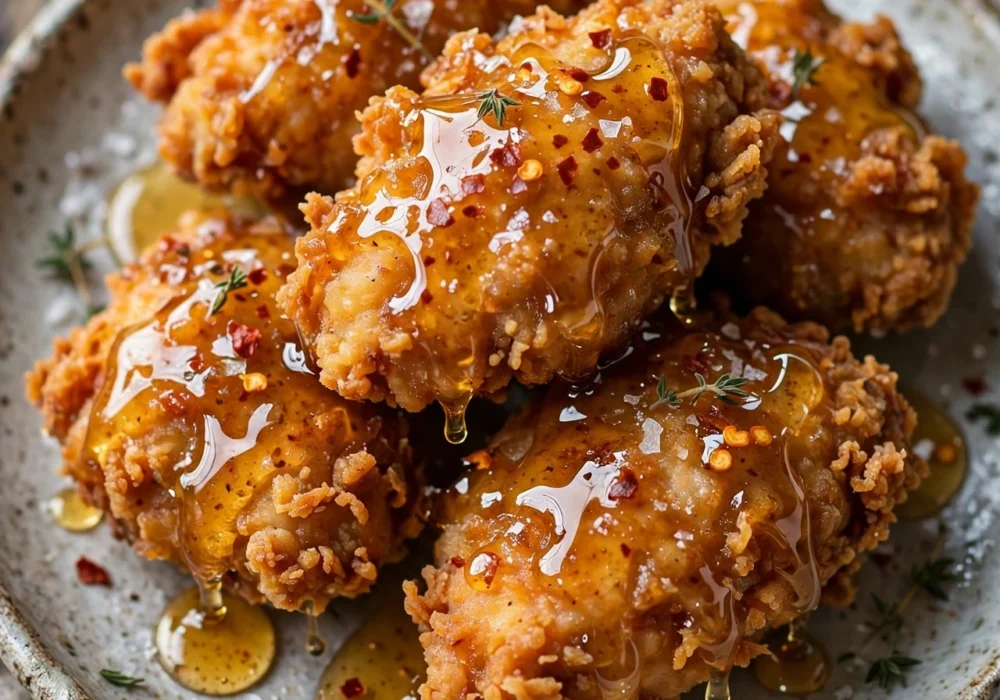

If you love orange chicken but want more control over the sweetness, crispness, and orange flavor, making it at home is worth the extra pan on the stove. This Orange Chicken Recipe gives you juicy pieces of chicken with a crisp coating and a sticky orange sauce that tastes bright rather than overly sugary.
The method is beginner-friendly, but two details make a big difference. The chicken gets a dry cornstarch coating before frying, which helps create those crisp edges that hold onto the sauce. Fresh orange juice and zest give the sauce a stronger citrus taste without needing bottled orange flavoring.
Plan on about 40 minutes from cutting the chicken to serving it. Keep your ingredients measured before you heat the oil, because the frying and sauce stages move quickly. You can use boneless chicken thighs for a juicier result or chicken breast if that is what you have.
Serve the finished chicken over hot white rice, brown rice, or steamed vegetables. The goal is crisp chicken underneath a shiny sweet-tangy coating, with enough sauce to cover every piece without turning the crust soggy.
What You Need
Orange Chicken at a Glance
- Cut the chicken into bite-size pieces.
- Season the chicken evenly.
- Coat the chicken with cornstarch.
- Whisk the orange sauce ingredients together.
- Heat the oil to the right temperature.
- Fry the chicken until golden and crisp.
- Drain the cooked chicken.
- Simmer the orange sauce until glossy.
- Toss the crispy chicken in the orange sauce.
- Garnish and serve the orange chicken.
Cut the chicken into bite-size pieces
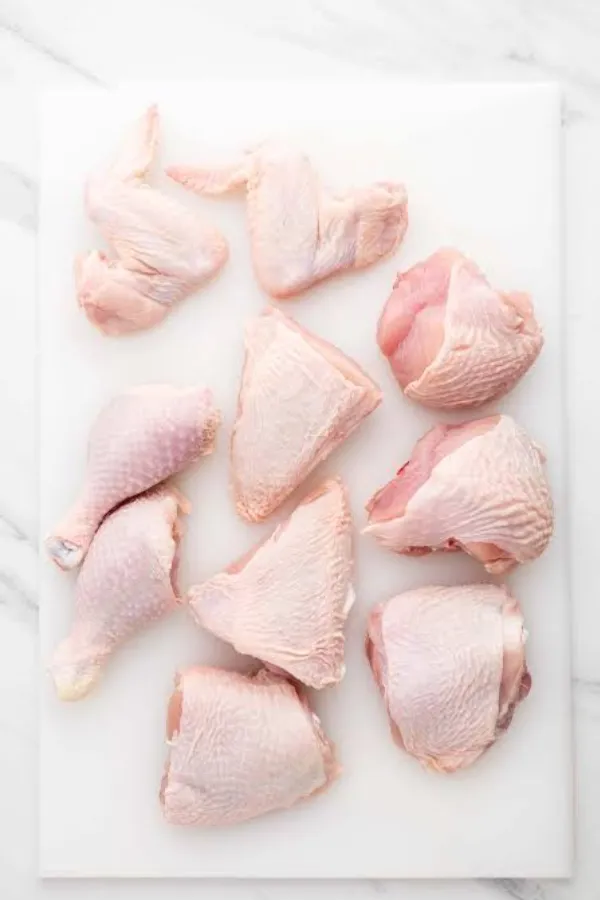
Pat 1½ pounds of boneless chicken dry with paper towels, then cut it into pieces about 1 inch wide. Keeping them close to the same size helps them cook at roughly the same speed, so you do not end up with small dry pieces beside larger undercooked ones.
Chicken thighs stay especially juicy during frying, while chicken breast gives you a leaner result. Use whichever you prefer.
Season the chicken evenly
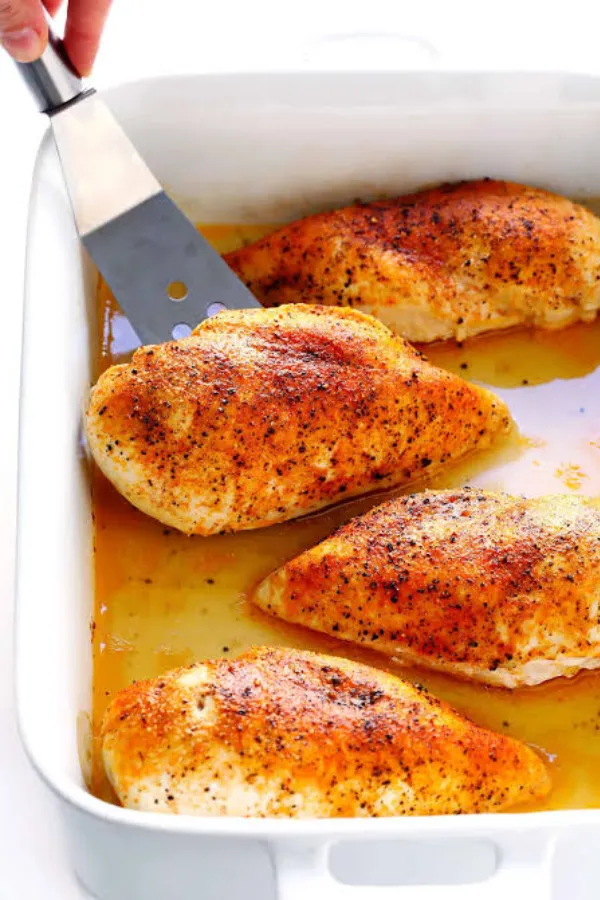
Sprinkle the chicken with ½ teaspoon salt and ¼ teaspoon black pepper. Turn the pieces in the bowl until the seasoning reaches all sides.
Keep the seasoning light here. The soy sauce in the orange glaze will add more salt later, and too much at this stage can make the finished dish taste overly salty.
Coat the chicken with cornstarch
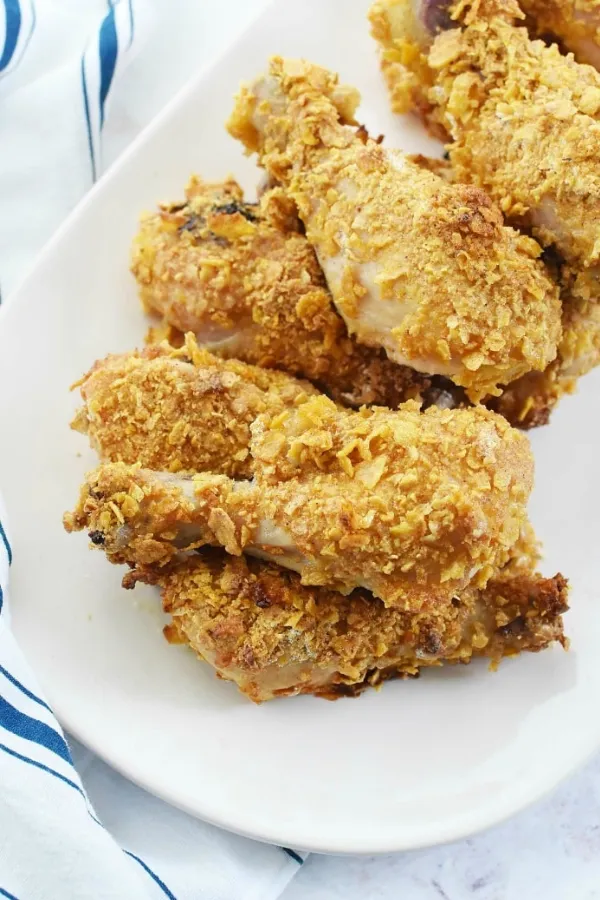
Place 1 cup cornstarch in a shallow bowl. Add the seasoned chicken a few pieces at a time and turn each piece until every surface has a thin, dry coating.
Shake off loose cornstarch before transferring the chicken to a clean plate. Thick clumps can break away in the frying oil instead of forming a crisp crust. Let the coated chicken sit for about 5 minutes while you prepare the sauce; this gives the coating a little time to cling to the surface.
Whisk the orange sauce ingredients together
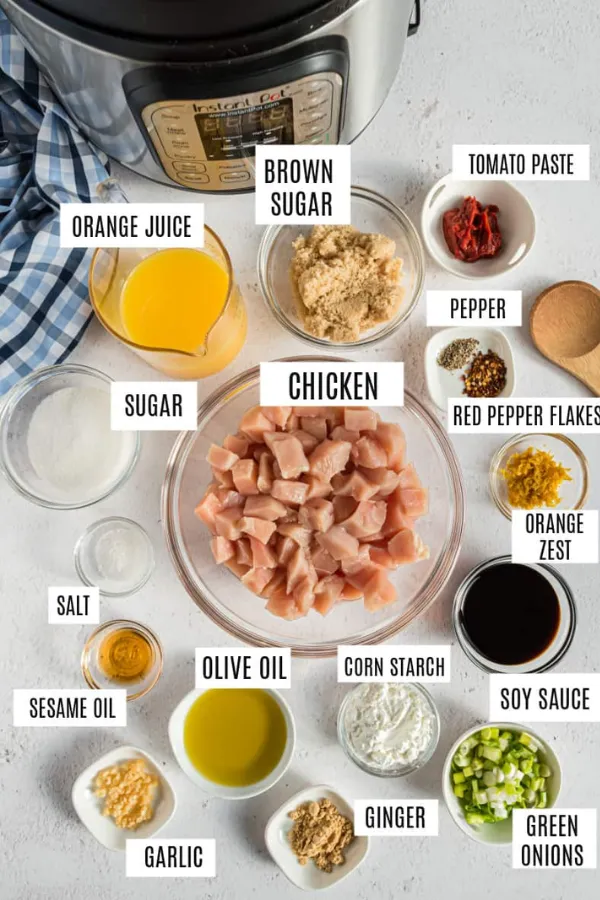
Combine ¾ cup fresh orange juice, 1 tablespoon orange zest, ¼ cup soy sauce, ⅓ cup brown sugar, 2 tablespoons rice vinegar, 2 minced garlic cloves, and 1 teaspoon grated ginger in a bowl.
Whisk until the brown sugar is mostly dissolved. Keep the 1 tablespoon cornstarch + 2 tablespoons water slurry separate for now. Adding it later lets you control how thick the sauce becomes.
Heat the oil to the right temperature
Pour about 1½ inches of vegetable or canola oil into a deep skillet or wok. Heat it over medium-high heat until it reaches 350°F (175°C).
No thermometer? Drop a tiny pinch of cornstarch coating into the oil. It should bubble immediately without burning.
Fry the chicken until golden and crisp
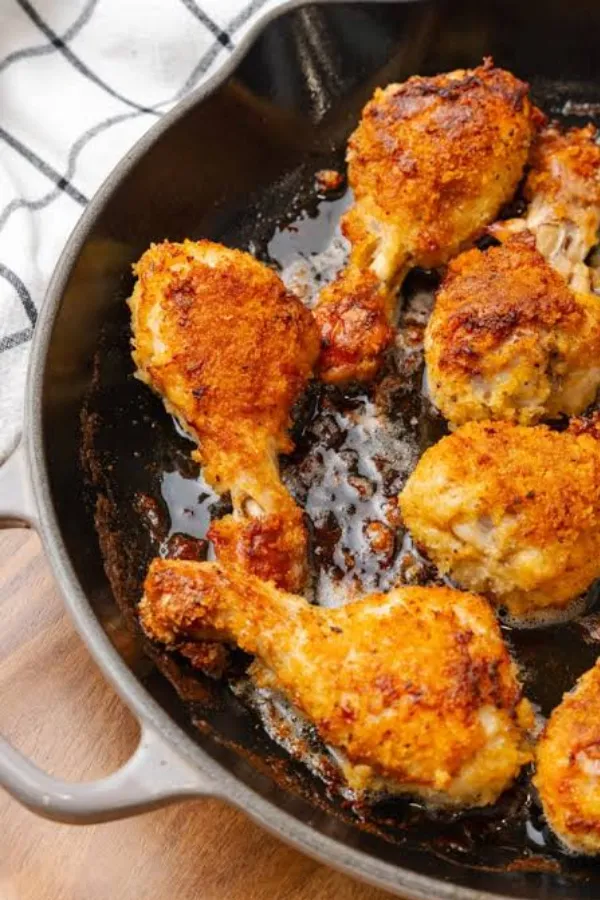
Leave enough room between the pieces for hot oil to circulate. Fry the chicken in 2–3 batches rather than crowding everything into the skillet at once. Each batch should take about 4–6 minutes, depending on the size of the pieces.
Turn the chicken occasionally with tongs or a slotted spoon so the coating browns evenly. The outside should look crisp and lightly golden, and the thickest pieces need to reach 165°F (74°C) internally before coming out of the oil.
Drain the cooked chicken
Lift each finished batch from the oil with a slotted spoon or tongs and place it on a wire rack set over a baking sheet. Let it drain for about 3–5 minutes.
A wire rack works better than piling the pieces on paper towels because air can move underneath the chicken. If you only have paper towels, spread the pieces in a single layer instead of stacking them. Keep the chicken uncovered so trapped steam does not soften the crust.
Simmer the orange sauce until glossy
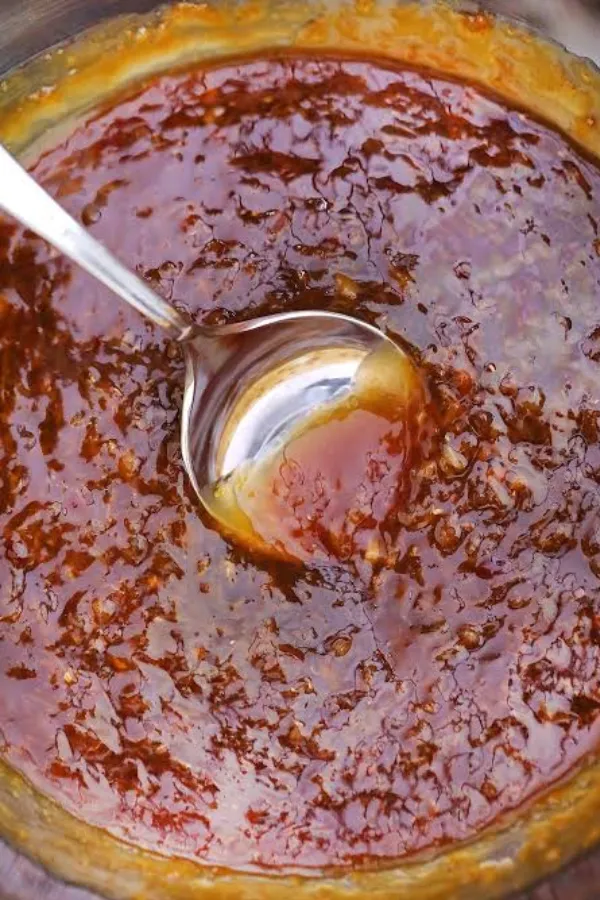
Pour the prepared orange mixture into a clean skillet and bring it to a gentle simmer over medium heat. Cook for 2–3 minutes, stirring often.
Whisk the reserved cornstarch slurry again, then stir it into the bubbling sauce. Continue cooking for another 1–2 minutes. Stop when the sauce looks glossy and lightly coats the back of a spoon. It will thicken a little more as it cools.
Toss the crispy chicken in the orange sauce
The sauce should be hot and ready before the chicken goes back into the skillet. Add all the drained chicken and toss gently for about 30–60 seconds, until every piece has a thin, shiny coating.
Avoid leaving the chicken in the sauce for several minutes. The longer the crisp coating sits in liquid, the softer it becomes. Once every piece is coated, remove the skillet from the heat.
Garnish and serve the orange chicken
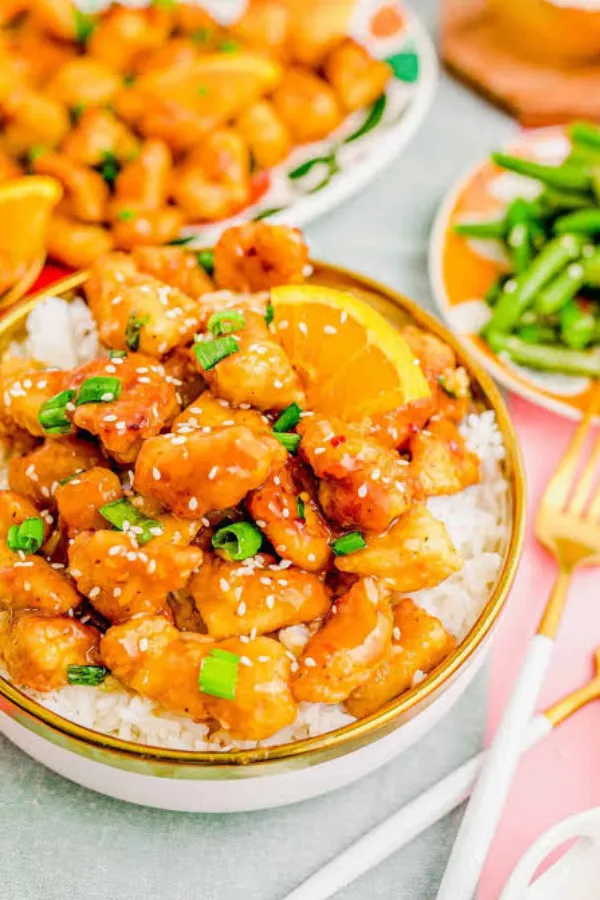
Transfer the orange chicken to a serving dish and scatter sliced green onions and sesame seeds over the top. Serve it immediately while the coating is still crisp and the orange sauce is warm and glossy.
For a full meal, spoon the chicken over steamed white rice, jasmine rice, or brown rice. Steamed broccoli, green beans, or snap peas work well on the side. Add a little fresh orange zest at the table if you want a brighter citrus flavor.
Orange Chicken Troubleshooting
| If This Happens | Try This |
|---|---|
| The chicken is soggy | Bring the frying oil back to 350°F (175°C) between batches and avoid crowding the skillet. |
| The coating falls off | Pat the raw chicken dry before coating it, shake off loose cornstarch, and let the coating sit for about 5 minutes before frying. |
| The sauce is too thin | Let it simmer for another 30–60 seconds. If needed, add a small amount of additional cornstarch slurry. |
| The sauce is too thick | Whisk in orange juice or water 1 tablespoon at a time until the sauce becomes pourable again. |
| The orange flavor is weak | Add a little fresh orange zest. Zest gives a stronger citrus aroma without making the sauce watery. |
Orange Chicken FAQ
Yes. Cut boneless chicken breast into 1-inch pieces and watch the cooking time closely. Breast meat can dry out faster than thighs.
Yes, but choose 100% orange juice without added sweeteners if possible. Fresh orange juice and zest give the sauce a brighter citrus taste.
Yes, although the crust will be different from deep-fried chicken. Lightly coat the pieces with cooking oil and air-fry in a single layer until crisp and the center reaches 165°F (74°C).
Keep the fried chicken and orange sauce separate until serving time. Toss them together for only 30–60 seconds right before serving.
An air fryer or oven gives better results than a microwave. Reheat until the chicken is hot throughout, keeping in mind that sauced leftovers will not become as crisp as freshly made chicken.
Conclusion
You have everything you need to make crisp, juicy chicken with a glossy sweet-and-tangy orange coating. Once you get the frying temperature and sauce thickness right, this Orange Chicken Recipe becomes much easier to repeat.
Serve it hot with fluffy rice and a simple vegetable side. For your next batch, try adding a pinch of red pepper flakes if you like a little heat.
Crispy Homemade Orange Chicken Recipe
Ingredients
Equipment
Method
- Pat the chicken dry and cut it into roughly 1-inch pieces.
- Add ½ teaspoon salt and ¼ teaspoon black pepper, tossing until evenly seasoned.
- Toss the pieces in 1 cup cornstarch until fully coated. Shake away excess and rest for 5 minutes.
- Whisk orange juice, orange zest, soy sauce, brown sugar, rice vinegar, garlic, and ginger together. Keep the cornstarch slurry separate.
- Add about 1½ inches of oil to a deep skillet or wok and heat to 350°F (175°C).
- Cook in 2–3 batches for about 4–6 minutes per batch, turning occasionally. Chicken should be golden and reach 165°F (74°C) internally.
- Transfer the cooked pieces to a wire rack and drain for 3–5 minutes.
- Bring the orange mixture to a gentle simmer for 2–3 minutes. Whisk the slurry again, stir it into the sauce, and cook another 1–2 minutes until glossy.
- Add the crispy chicken to the sauce and toss gently for 30–60 seconds.
- Remove from the heat, garnish with sliced green onions and sesame seeds, and serve immediately.
Notes
- Chicken thighs: Best for a juicier result and more forgiving during frying.
- Chicken breasts: Work well but can dry out faster, so avoid overcooking.
- Keep the oil hot: Aim for 350°F (175°C). Cooler oil can make the coating greasy.
- Don’t overcrowd: Frying in batches helps maintain the oil temperature and crisp texture.
- Fresh citrus: Fresh orange juice and zest give the sauce a brighter orange flavor.
- For extra crispness: Keep the sauce and fried chicken separate until you are ready to serve.
- Sauce too thick? Add orange juice or water 1 tablespoon at a time.
- Sauce too thin? Simmer for another 30–60 seconds before adding more slurry.
- Add some heat: Red pepper flakes or chili flakes can be added to the sauce for a spicy variation.