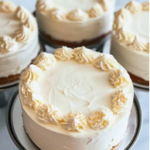
If you love banana bread but want something softer, gooier, and a little more special, these Banana Bread Cinnamon Rolls with Cream Cheese Frosting bring both ideas together in one pan. Ripe banana goes straight into the dough, giving the rolls a light banana flavor and keeping the centers tender. A brown sugar and cinnamon filling creates the classic swirl, while cream cheese frosting adds a smooth, tangy finish.
This version is written for beginners, so you do not need much bread-making experience. The main thing to watch is the dough texture. Banana adds extra moisture, so dumping in too much flour can make the finished rolls dense. Add flour gradually and stop while the dough still feels soft.
Plan on about 2 hours 45 minutes from start to finish, including two rising periods. Most of that time is hands-off. Your active work is closer to 35–40 minutes.
Use a banana with plenty of brown spots rather than a firm yellow one. A very ripe banana mashes smoothly, mixes into the dough more evenly, and gives these rolls their best banana-bread flavor.
- ¾ cup whole milk
- 2¼ teaspoons active dry yeast
- ¼ cup granulated sugar
- 1 large very ripe banana, about ½ cup mashed
- 1 large egg
- ¼ cup unsalted butter, melted and cooled slightly
- 1 teaspoon vanilla extract
- 3¼ to 3¾ cups all-purpose flour
- ½ teaspoon salt
- ½ teaspoon ground cinnamon
- ⅓ cup unsalted butter, softened
- ¾ cup packed brown sugar
- 1½ tablespoons ground cinnamon
- Pinch of salt
- 4 ounces cream cheese, softened
- ¼ cup unsalted butter, softened
- 1 cup powdered sugar
- 1 teaspoon vanilla extract
- 1–2 tablespoons milk, as needed
- Large mixing bowl
- Small bowl
- Measuring cups and spoons
- Fork or potato masher
- Wooden spoon or dough hook
- Rolling pin
- Sharp knife or unflavored dental floss
- 9 × 13-inch baking dish
- Clean kitchen towel or plastic wrap
- Warm the milk to activate the yeast.
- Activate the yeast until foamy.
- Mash the ripe banana until smooth.
- Mix the banana dough ingredients.
- Knead the dough until soft and elastic.
- Let the dough rise until doubled.
- Mix the cinnamon brown sugar filling.
- Roll the dough into a rectangle.
- Spread the filling across the dough.
- Roll the dough into a tight log.
- Cut the log into even rolls.
- Let the cinnamon rolls rise again.
- Bake the rolls until golden.
- Mix the cream cheese frosting until smooth.
- Frost the warm banana cinnamon rolls.
Warm the milk to activate the yeast

Heat ¾ cup whole milk until it reaches about 105–110°F (40–43°C). It should feel warm, not hot. A microwave usually takes about 30–45 seconds, but check it before moving on because microwaves vary.
Milk that is too hot can weaken or kill the yeast. If you do not have a thermometer, dip a clean finger into the milk. It should feel comfortably warm with no sharp heat.
Activity the yeast until foamy

Pour the warm milk into a large mixing bowl. Stir in 2¼ teaspoons active dry yeast and 1 tablespoon of the measured sugar. Leave the bowl undisturbed for 5–10 minutes.
Look for a creamy, bubbly layer across the surface. That foam tells you the yeast is active. If nothing happens after 10 minutes, the yeast may be old or the milk may have been too hot. Starting again now is better than finding out after the dough fails to rise.
Mash the ripe banana until smooth
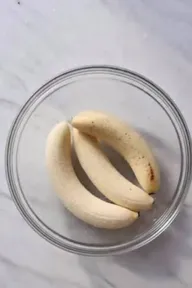
Peel one very ripe banana and mash it in a small bowl until you have about ½ cup. Use a fork or potato masher and work out the larger chunks.
A few tiny soft pieces are fine, but large banana chunks create wet pockets in the dough. Bananas covered with brown speckles work especially well because they mash more smoothly and bring stronger banana flavor without needing extra sugar.
The source requires one main action per step, exact measurements, beginner-specific warnings, and bold key metrics, which this batch follows.
Mix the banana dough ingredients
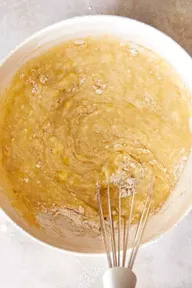
The foamy yeast mixture is your base. Add the mashed banana, remaining sugar, 1 large egg, ¼ cup melted butter, 1 teaspoon vanilla extract, ½ teaspoon salt, ½ teaspoon cinnamon, and 3¼ cups all-purpose flour.
Stir until no dry flour remains and a shaggy dough forms. It will look softer and slightly stickier than standard cinnamon roll dough because of the banana. Do not add the remaining flour yet. That extra flour is there only if the dough truly needs it during kneading.
Knead the dough until soft and elastic
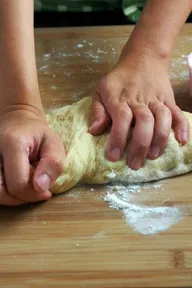
Turn the dough onto a lightly floured counter and knead for 7–9 minutes. Push the dough away with the heel of your hand, fold it back, rotate it, and repeat.
If the dough sticks heavily to your hands or counter, add flour 1 tablespoon at a time, using no more than the remaining ½ cup unless absolutely needed. Stop adding flour once the dough feels soft, smooth, and slightly tacky rather than wet.
A stand mixer with a dough hook works too; knead on low to medium-low speed for about 6–7 minutes.
Let the dough rise until doubled
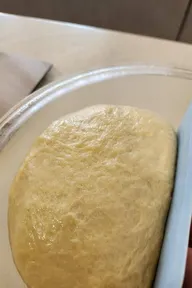
Place the dough in a lightly greased bowl and turn it once so the surface has a thin coating of oil. Cover the bowl with plastic wrap or a clean kitchen towel.
Leave it in a warm, draft-free spot for 60–75 minutes, or until it looks roughly doubled in size. Time is only a guide here. A cool kitchen can slow the rise.
To check it, press one floured fingertip about ½ inch into the dough. If the indentation slowly springs partway back, the dough is ready. If it snaps back right away, give it another 10–15 minutes.
Combine ¾ cup packed brown sugar, 1½ tablespoons ground cinnamon, and a small pinch of salt in a bowl. Stir until the cinnamon is evenly mixed through the sugar.
Keep the ⅓ cup softened butter separate for now. Spreading the butter first helps the sugar mixture cling to the dough instead of sliding around. If your brown sugar has hard lumps, break them up with the back of a spoon before using it.
Roll the dough into a rectangle
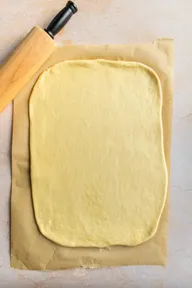
Transfer the risen dough to a lightly floured counter and gently press out the larger air bubbles. Use a rolling pin to shape it into a rectangle about 14 × 18 inches.
Aim for an even thickness from edge to edge. If the dough keeps shrinking back, leave it alone for 5 minutes, then continue rolling. That short rest lets the gluten relax and makes the dough easier to shape without forcing it.
Spread ⅓ cup softened butter over the dough in a thin, even layer, leaving about ½ inch uncovered along one long edge.
Sprinkle the cinnamon-brown sugar mixture over the butter and gently press it down with your fingertips or the back of a spoon. Pressing it lightly helps the filling stay in place when the dough is rolled.
Avoid piling extra filling near the edges. Thick pockets of sugar melt quickly in the oven and are more likely to leak into the bottom of the pan.
These steps keep each main action separate and continue the strict chronological sequence required by your source instructions.
Roll the dough into a tight log
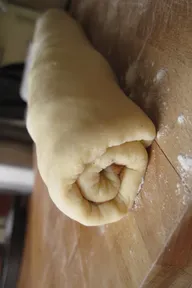
Start from the long edge closest to you and roll the dough away from your body into a snug log.
Keep the roll even from one end to the other, but do not squeeze so hard that the filling pushes out. When you reach the bare ½-inch strip, pinch that edge gently against the log to seal it.
Cut the log into even rolls
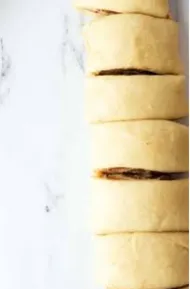
Trim off the uneven ends if needed, then divide the log into 12 rolls.
For the cleanest cuts, slide a piece of unflavored dental floss under the log, cross the ends over the top, and pull. A sharp serrated knife also works, but use a light sawing motion so you do not flatten the spiral.
Aim for pieces about 1½ inches thick. Keeping them close in size helps all the rolls finish baking at the same time.
Let the cinnamon rolls rise again

Arrange the rolls in a lightly greased 9 × 13-inch baking dish, leaving a little space between them. Cover the pan loosely.
Let the rolls rise for 30–45 minutes in a warm spot. They are ready when they look puffy and are beginning to touch at the edges.
Do not wait for them to double as dramatically as the first rise. Over-proofed rolls can spread outward instead of rising tall in the oven.
These steps stay in the exact working order and keep each step centered on one main action, matching the source’s chronology and beginner-focused rules.
Bake the rolls until golden
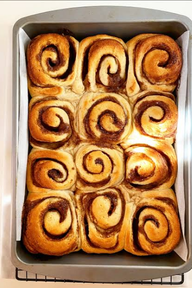
Preheat the oven to 350°F (175°C) while the rolls finish their second rise.
Bake the pan on the center rack for 22–27 minutes. The tops should be lightly golden, the centers should look set rather than wet, and the rolls should feel soft but spring back slightly when touched.
If the tops brown too quickly before the centers are done, loosely cover the pan with foil for the final 5–8 minutes. Avoid overbaking; banana-enriched dough stays softest when removed as soon as the centers are cooked through.
Mix the cream cheese frosting until smooth
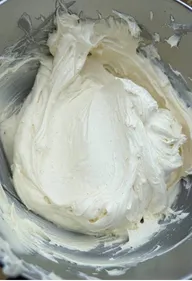
Beat 4 ounces softened cream cheese with ¼ cup softened unsalted butter until creamy. Add 1 cup powdered sugar and 1 teaspoon vanilla extract, then beat again until smooth.
For a softer glaze-like frosting, mix in milk 1 teaspoon at a time, using up to 1–2 tablespoons. Keep it thicker if you want the frosting to sit on top of the swirls rather than melt deeply into them.
The cream cheese and butter should both be soft before mixing. Cold cream cheese is the main reason frosting turns lumpy.
Frost the warm banana cinnamon rolls
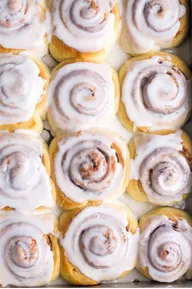
Let the baked rolls cool in the pan for about 10 minutes before spreading the cream cheese frosting over the tops.
That short wait matters. Frosting the rolls straight from the oven can make the frosting melt completely into the pan. Waiting until they are warm—but no longer piping hot—lets some frosting sink into the spirals while leaving a creamy layer on top.
Serve the rolls while they are still warm for the softest texture and strongest cinnamon-banana aroma.
These final steps maintain the source requirement for exact measurements, specific beginner cues, one main action per step, and strict chronological order
| If This Happens | Try This |
|---|---|
| The dough is very sticky | Add flour 1 tablespoon at a time. Stop once the dough is soft and slightly tacky. Too much flour can make the rolls dense. |
| The dough is not rising | Move the bowl to a warmer, draft-free spot and give it another 15–20 minutes. If the yeast never foamed at the start, it may no longer be active. |
| The rolls came out dense | The dough may have had too much flour or too little rise time. Judge the dough by texture and volume rather than following the clock alone. |
| The cinnamon filling leaked out | Use softened rather than melted butter, leave a ½-inch bare edge, and keep the filling in a thin, even layer. |
| The tops browned too quickly | Loosely cover the baking dish with foil and continue baking until the centers are set. |
| The frosting is runny | Add powdered sugar 1 tablespoon at a time. Also make sure the rolls have cooled for about 10 minutes before frosting. |
Yes. Shape and cut the rolls, place them in the baking dish, cover tightly, and refrigerate overnight before the second rise. The next morning, let them sit at room temperature until puffy, usually about 45–60 minutes, then bake.
Use a soft banana with plenty of brown spots. Very ripe bananas mash more smoothly and give the dough a stronger banana flavor without adding extra liquid.
Yes. Use the same amount and mix it directly with the dry ingredients. You can skip the separate foaming step, although keeping the milk around 105–110°F still helps create a good environment for the dough.
Because the rolls have cream cheese frosting, cover them well and refrigerate them for up to 4 days. Let them sit at room temperature briefly or warm individual rolls before serving.
Microwave one roll for about 10–20 seconds. Start with less time and add a few seconds if needed. Overheating can make the bread tough and cause the frosting to separate.
Yes. For the best texture, freeze baked rolls without frosting. Wrap them well and freeze for up to 2 months. Thaw, warm gently, and add fresh cream cheese frosting before serving.
- ¾ cup whole milk
- 2¼ teaspoons active dry yeast
- ¼ cup granulated sugar
- 1 ripe banana, about ½ cup mashed
- 1 large egg
- ¼ cup melted butter
- 1 teaspoon vanilla
- 3¼–3¾ cups all-purpose flour
- ½ teaspoon salt
- ½ teaspoon cinnamon
- ⅓ cup softened butter for filling
- ¾ cup brown sugar
- 1½ tablespoons cinnamon
- 4 ounces cream cheese
- ¼ cup softened butter for frosting
- 1 cup powdered sugar
- Warm the milk to 105–110°F.
- Activate the yeast for 5–10 minutes.
- Mash the banana.
- Mix the dough ingredients.
- Knead for 7–9 minutes.
- Rise for 60–75 minutes.
- Mix the cinnamon-sugar filling.
- Roll dough to about 14 × 18 inches.
- Spread butter and filling.
- Roll into a snug log.
- Cut into 12 rolls.
- Rise for 30–45 minutes.
- Bake at 350°F for 22–27 minutes.
- Mix the cream cheese frosting.
- Cool for 10 minutes and frost.
CONCLUSION
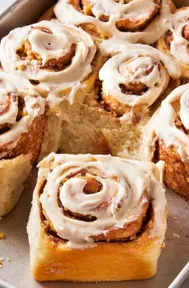
Your Banana Bread Cinnamon Rolls with Cream Cheese Frosting are ready when the centers are soft, the cinnamon layers are visible, and the cream cheese frosting melts slightly into the warm spirals.
The biggest difference comes from using a very ripe banana and resisting the urge to add too much flour. Once you get that soft dough texture right, the rest of the recipe becomes much easier to judge.
Serve them warm with coffee or save a few for breakfast the next day.
If you want to make them again, save this recipe to Pinterest so the ingredient amounts and rise times are easy to find when you need them.
Ingredients
Tap items as you use themBanana Dough
Cinnamon Filling
Cream Cheese Frosting
Equipment
Method
Your progress is saved on this device- Warm the milk to 105-110°F (40-43°C).
- Pour the warm milk into a large bowl. Add the yeast and 1 tablespoon of the sugar, then let it stand for 5-10 minutes until foamy.
- Mash the banana until smooth and measure about ½ cup.
- Add the mashed banana, remaining sugar, egg, melted butter, vanilla, salt, cinnamon, and 3¼ cups flour to the yeast mixture. Stir until a shaggy dough forms.
- Knead the dough on a lightly floured surface for 7-9 minutes, adding extra flour 1 tablespoon at a time only if needed. The dough should remain soft and slightly tacky.
- Place the dough in a lightly greased bowl, cover, and let it rise in a warm place for 60-75 minutes, or until roughly doubled.
- Mix the brown sugar, cinnamon, and pinch of salt in a small bowl.
- Roll the risen dough into a rectangle about 14 × 18 inches.
- Spread the softened butter evenly over the dough, leaving about ½ inch bare along one long edge. Sprinkle the cinnamon-sugar mixture evenly over the butter.
- Starting from the long edge, roll the dough into a snug log and gently seal the bare edge.
- Cut the log into 12 rolls, each about 1½ inches thick.
- Arrange the rolls in a lightly greased 9 × 13-inch baking dish. Cover and let rise for 30-45 minutes, until puffy.
- Preheat the oven to 350°F (175°C) and bake the rolls for 22-27 minutes, until lightly golden and set in the centers.
- Beat the cream cheese and softened butter until creamy. Add the powdered sugar and vanilla, then mix until smooth, adding milk 1 teaspoon at a time until the frosting reaches the desired consistency.
- Let the rolls cool for about 10 minutes, then spread the cream cheese frosting over the warm rolls.
Chef’s Notes
- * Use a banana with plenty of brown spots for the strongest banana flavor and smoothest texture.
- * Avoid adding too much flour; a soft, slightly tacky dough produces softer rolls.
- * If the tops brown too quickly, loosely cover the pan with foil during the final 5-8 minutes of baking.
- * For overnight rolls, shape and refrigerate them before the second rise, then let them sit at room temperature for 45-60 minutes before baking.
- * Store frosted leftovers covered in the refrigerator for up to 4 days.
- * Freeze baked, unfrosted rolls for up to 2 months for the best texture.