Lemon chicken can go wrong fast when the outside browns before the middle cooks, or when the sauce tastes sharp instead of rich and buttery. This Lemon Chicken with Lemon Butter Sauce method avoids both problems by using thin chicken cutlets and building the sauce in the same pan.
You will season the chicken, give it a light flour coating, cook it until golden, then use the browned bits left in the skillet to make the lemon butter sauce. Those bits add more flavor without needing a long ingredient list.
Plan on about 35 minutes total, with roughly 15 minutes of prep and 20 minutes of cooking. The recipe makes 4 servings and works well for beginners because every part happens in one skillet.
The main thing to watch is heat. Chicken needs enough heat to brown, while butter and lemon need gentler heat so the sauce stays smooth. Keep those two stages separate and you will end up with tender chicken coated in a bright, buttery sauce instead of dry chicken sitting in thin lemon juice.
The guide uses exact amounts and keeps each action in order so you can cook along without guessing. This follows the beginner-first, chronological structure required in the supplied guide
What You Need
At a Glance
- Gather the ingredients and tools.
- Slice the chicken into thin cutlets.
- Pat the chicken dry.
- Season the chicken on both sides.
- Coat the chicken lightly with flour.
- Heat the skillet with olive oil.
- Cook the chicken until golden.
- Remove the chicken from the skillet.
- Build the lemon butter sauce.
- Return the chicken to the sauce.
- Simmer until the chicken reaches 165°F.
- Serve with sauce and parsley.
Gather the ingredients and tools
Put everything within reach before the skillet gets hot. Measure ½ cup flour, ½ cup chicken broth, and 3 tablespoons lemon juice now. Keep the butter cold until the sauce stage. Set out a large skillet, shallow plate, cutting board, sharp knife, and instant-read thermometer.
Having everything ready matters because the sauce comes together quickly once the chicken leaves the pan. You do not want browned pan bits burning while you search for the broth.
Slice the chicken into thin cutlets
Place each chicken breast flat on the cutting board and slice horizontally through the center to make thinner pieces. Aim for cutlets about ½ inch thick.
Thin pieces cook more evenly than whole thick breasts, which helps the center reach a safe temperature before the outside gets too dark. If one piece is much thicker than the others, gently flatten it between two sheets of parchment with the bottom of a small pan until the thickness is more even.
Pat the chicken dry

Press paper towels firmly against both sides of every chicken cutlet until the surface no longer looks wet. Do not rinse the chicken first.
Dry chicken browns better because surface moisture creates steam in the skillet. Steam can leave the coating pale and soft instead of lightly crisp and golden. Pay extra attention to any liquid trapped where the chicken pieces were stacked together.
The source calls for precise measurements, temperatures, chronological steps, and beginner-focused explanations of why important actions matter.
Season the chicken on both sides
Use 1 teaspoon salt, ½ teaspoon black pepper, and 1 teaspoon garlic powder for the full batch of chicken. Sprinkle the seasoning evenly over one side, turn the cutlets over, and season the second side.
Keep the layer even rather than heavy in a few spots. Thin cutlets pick up seasoning quickly, so you do not need a thick coating. Let the chicken sit for about 2 minutes while you prepare the flour.
Coat the chicken lightly with flour
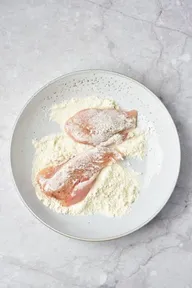
You should still be able to see the shape and texture of the chicken through the flour. Place ½ cup all-purpose flour in a shallow plate, press each cutlet into it, flip once, then lift it out and shake off the loose flour.
A thin coating helps the chicken develop a light golden crust and later gives the lemon butter sauce a little body. Too much flour can create gummy patches once the chicken reaches the sauce.
Shake off more flour than you think you need to. A very light coating browns more evenly and keeps the finished sauce smooth rather than pasty.
Heat the skillet with olive oil
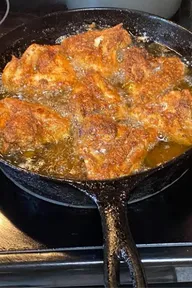
Set a large skillet over medium-high heat and add 2 tablespoons olive oil. Give the oil about 1 to 2 minutes to warm.
Look for a thin shimmer across the surface rather than smoke. If the oil starts smoking, pull the skillet off the burner for 30 seconds and lower the heat slightly. Starting with properly heated oil helps the flour coating brown instead of soaking up oil and turning soft.
Do not add the chicken to smoking oil. Flour can darken very quickly at that point and leave bitter bits in the pan that will carry into the lemon butter sauce.
Make the lemon butter sauce
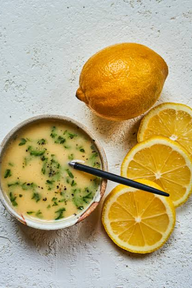
Add 2 tablespoons unsalted butter to the skillet over medium-low heat. Once it melts, stir in 3 minced garlic cloves and cook for about 30 seconds, only until fragrant.
Pour in ½ cup chicken broth, 3 tablespoons fresh lemon juice, and 1 teaspoon lemon zest. Scrape the browned bits from the bottom of the pan as the liquid begins to simmer. Let the sauce cook for 2 to 3 minutes so the flavors come together and the liquid reduces slightly.
Use fresh lemon juice rather than bottled juice if possible. Fresh juice gives the sauce a cleaner, brighter flavor and pairs better with the butter.
Return the chicken to the sauce

Place the browned chicken cutlets back into the skillet in a single layer. Spoon a little lemon butter sauce over the top of each piece.
Keep the heat at medium-low so the sauce bubbles gently around the chicken instead of boiling hard. A hard boil can reduce the sauce too quickly and may leave the chicken dry before the center finishes cooking.
Simmer until the chicken reaches 165°F
Cook the chicken in the sauce for about 2 to 4 minutes, depending on the thickness of the cutlets. Check the thickest part with an instant-read thermometer.
Remove the skillet from the heat as soon as the chicken reaches 165°F (74°C). Stir the remaining 2 tablespoons butter into the sauce until melted. This final butter addition gives the sauce a smoother, richer finish without making it greasy.
Serve the chicken with lemon butter sauce
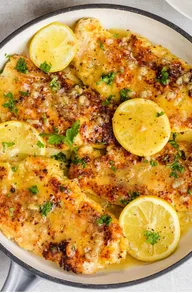
Spoon the warm lemon butter sauce over each chicken cutlet and finish with 2 tablespoons chopped fresh parsley. Add a little extra lemon zest on top if you want a brighter lemon flavor.
Serve while the chicken is hot and the butter sauce is still smooth. It pairs well with mashed potatoes, rice, pasta, or roasted vegetables because each one catches the extra sauce. If the sauce thickens while sitting, stir in 1 to 2 tablespoons warm chicken broth before serving.
Common Mistakes to Avoid
Thick chicken can stay raw in the center while the outside gets too dark. Keep the cutlets close to ½ inch thick so they cook evenly.
A heavy flour layer can turn gummy once it touches the sauce. Shake off the loose flour before the chicken goes into the skillet.
Chicken packed tightly together releases steam and struggles to brown. Cook in batches if your skillet cannot hold the pieces with a little space around them.
Garlic needs only about 30 seconds in the butter. If it turns dark brown, the sauce can taste bitter.
Keep the sauce at a gentle simmer. High heat can reduce it too quickly and leave the chicken dry before it reaches 165°F (74°C).
Frequently Asked Questions
Yes. Boneless, skinless chicken thighs work well, but they may need a little more cooking time depending on their thickness. Check the thickest part and cook until it reaches 165°F (74°C).
Yes. Skip the flour and cook the seasoned chicken directly in the oil. The outside will have less of a crust, and the sauce may stay slightly thinner.
The garlic or browned flour may have burned, or too much lemon zest may have included the bitter white pith. Keep the heat lower during the sauce stage and zest only the yellow outer layer.
Let it simmer gently for another 1 to 2 minutes. The flour left from the chicken coating will help give the sauce some body as the liquid reduces.
You can cook it ahead, but the chicken tastes best soon after cooking. Reheat it gently over low heat with a splash of chicken broth so the sauce loosens without drying out the chicken.
Mashed potatoes, white rice, pasta, roasted vegetables, or steamed green beans all work well. Pick a side that can catch the extra lemon butter sauce.
Lemon Chicken with Lemon Butter Sauce — Quick Reference
- 4 boneless, skinless chicken breasts
- 1 teaspoon salt
- ½ teaspoon black pepper
- 1 teaspoon garlic powder
- ½ cup all-purpose flour
- 2 tablespoons olive oil
- 4 tablespoons unsalted butter
- 3 garlic cloves, minced
- ½ cup chicken broth
- 3 tablespoons fresh lemon juice
- 1 teaspoon lemon zest
- 2 tablespoons chopped parsley
- Gather and measure the ingredients.
- Slice the chicken into ½-inch cutlets.
- Pat the chicken dry.
- Season both sides.
- Coat lightly with flour.
- Heat the olive oil.
- Cook the chicken for 3 to 4 minutes per side.
- Remove the chicken from the skillet.
- Lower the heat.
- Make the lemon butter sauce.
- Return the chicken to the skillet.
- Cook until the center reaches 165°F (74°C).
- Finish with butter and parsley, then serve.
Conclusion
You now have tender, golden chicken covered in a rich lemon butter sauce made in the same skillet.
The key is keeping the chicken thin, controlling the heat, and adding the final butter after the chicken reaches 165°F (74°C). Those small details help keep your Lemon Chicken with Lemon Butter Sauce juicy instead of dry and give the sauce a smooth finish.
Serve it with rice, mashed potatoes, pasta, or vegetables while the sauce is warm.
Save this recipe to Pinterest so you can find it the next time you need a quick chicken dinner.
Ingredients
Tap items as you use themChicken
Lemon Butter Sauce
Equipment
Method
Your progress is saved on this device- Gather and measure all ingredients, keeping the butter cold until you are ready to make the sauce.
- Slice each chicken breast horizontally into thinner cutlets about ½ inch thick.
- Pat both sides of the chicken dry with paper towels.
- Season the chicken evenly with 1 teaspoon salt, ½ teaspoon black pepper, and 1 teaspoon garlic powder.
- Place ½ cup all-purpose flour in a shallow plate, coat each chicken cutlet lightly on both sides, and shake off the excess.
- Heat 2 tablespoons olive oil in a large skillet over medium-high heat for 1 to 2 minutes, until the oil begins to shimmer.
- Place the chicken in the skillet in a single layer and cook for 3 to 4 minutes on each side until golden, working in batches if needed.
- Transfer the browned chicken to a clean plate, leaving the golden browned bits in the skillet.
- Reduce the heat to medium-low and let the skillet cool for 30 to 60 seconds.
- Add 2 tablespoons butter to the skillet, then add the minced garlic and cook for about 30 seconds.
- Pour in ½ cup chicken broth, 3 tablespoons fresh lemon juice, and 1 teaspoon lemon zest, scraping the browned bits from the skillet, then simmer for 2 to 3 minutes.
- Return the chicken to the skillet and spoon the lemon butter sauce over each piece.
- Simmer over medium-low heat for 2 to 4 minutes, or until the thickest part of the chicken reaches 165°F (74°C).
- Remove the skillet from the heat and stir in the remaining 2 tablespoons butter until melted and smooth.
- Spoon the lemon butter sauce over the chicken, garnish with 2 tablespoons chopped fresh parsley, and serve warm.
Chef’s Notes
- * Keep the chicken close to ½ inch thick so all pieces cook evenly.
- * Shake off excess flour to prevent the sauce from becoming gummy.
- * Cook the chicken in batches if needed rather than crowding the skillet.
- * Fresh lemon juice gives the sauce a brighter flavor than bottled lemon juice.
- * Keep the sauce at a gentle simmer rather than a hard boil.
- * Chicken is fully cooked when the thickest part reaches 165°F (74°C).
- * If the sauce becomes too thick, stir in 1 to 2 tablespoons warm chicken broth.
- * Serve with mashed potatoes, rice, pasta, roasted vegetables, or green beans.