

20 Salted Bread Recipes
There is a reason bakers call salt the soul of bread, and this collection of salted bread recipes proves it twenty different ways. A pinch worked into the dough builds flavor from the inside, while a shower of flaky crystals on top adds crunch, sparkle, and that crave worthy finish. From rustic country loaves to soft dinner rolls, every bake here puts salt in the spotlight.
You will find quick breads that need no yeast, slow risen loaves for lazy weekends, and fun projects like pretzel rolls and garlic knots for the kids. Each recipe keeps the salt front and center, with clear notes on which salt to use and exactly when to add it. Warm up the oven and pick your first loaf.
Why You’ll Love These Salted Bread Recipes
- Salt done right: every recipe tells you which salt to use and when to add it
- Something for every skill level: no knead loaves, quick soda bread, and fun weekend projects
- That bakery finish: flaky crystals on top for crunch in every bite
- Breakfast to dinner: rolls, flatbreads, and loaves that fit any meal
- Pantry friendly: flour, water, yeast, and salt do most of the work
1. Classic Flaky Sea Salt Loaf
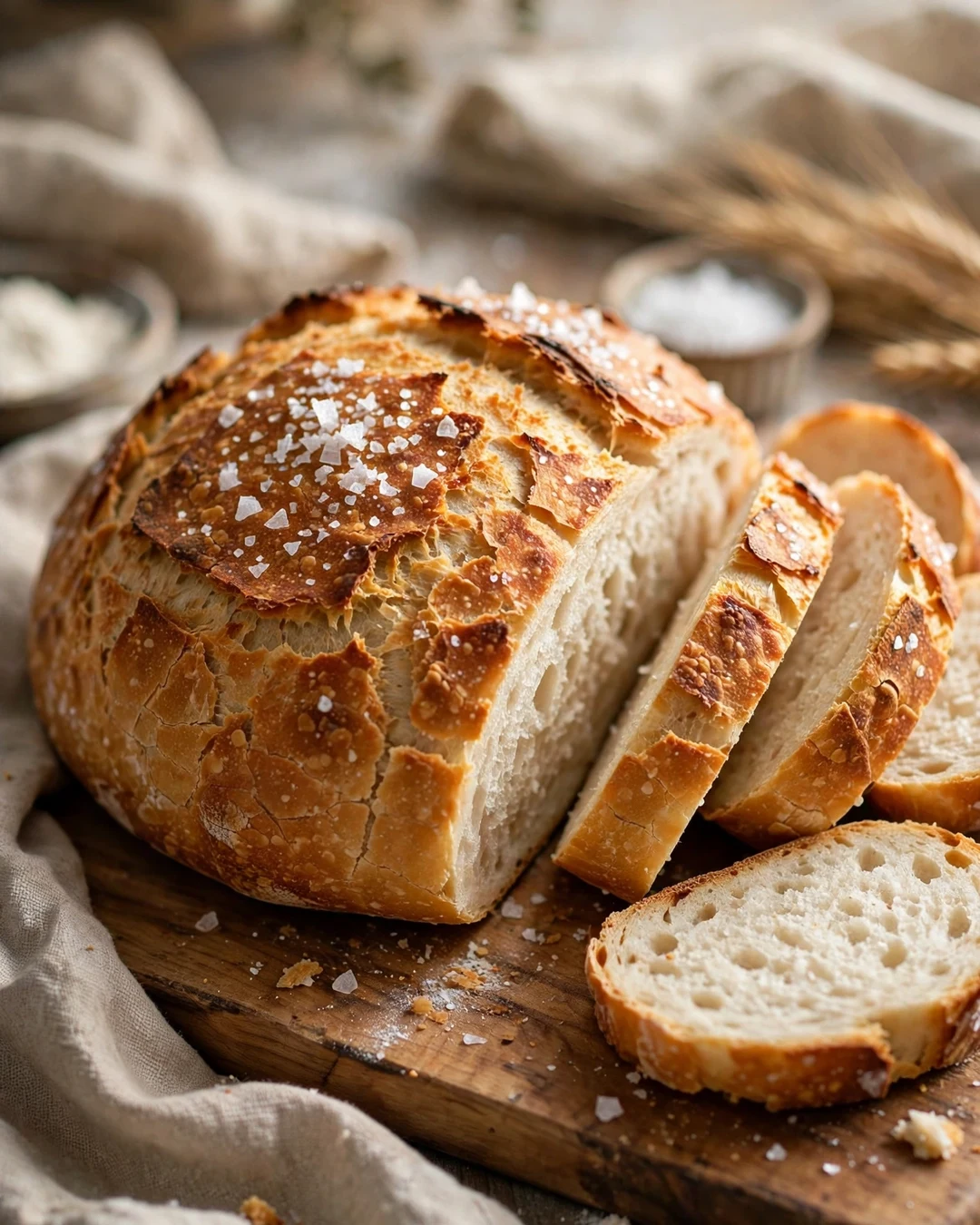
This is the loaf that starts it all, a simple white bread with a shattering crust and a final snowfall of flaky sea salt. The dough itself is plain on purpose: flour, water, yeast, and fine salt. The magic happens at the end, when big, delicate flakes land on the hot crust and stay crisp instead of melting away.
Mix 4 cups of bread flour with 2 teaspoons of fine sea salt, 1 teaspoon of instant yeast, and 1 and 3/4 cups of warm water. Knead until smooth and elastic, about 8 minutes, then let it rise until doubled. Shape into a round, rest 45 minutes, score the top, and bake in a Dutch oven at 450F for 30 minutes covered and 15 minutes uncovered.
Choosing Your Flaky Salt
Flaky finishing salts melt into little crunchy bursts rather than a harsh salty bite. Sprinkle them on the moment the loaf leaves the oven, while the crust is still steaming, so the flakes cling. Keep the box away from the steam of the stove day to day, since humidity turns delicate flakes into clumps.
- Use fine salt in the dough and flaky salt only on top
- Bake in a Dutch oven for the crackliest crust
- Sprinkle flakes on while the loaf is piping hot
- Cool at least 1 hour before slicing
Serving Suggestions
Slice it thick for avocado toast, tear it for soup dunking, or serve it warm with good butter and nothing else. If rustic loaves are your thing, you will also love the ideas in these sourdough discard recipes for putting starter to work.
Pro tip for the crispiest crust: place a shallow pan of hot water on the oven floor for the first ten minutes of baking. The steam keeps the surface flexible so the loaf can expand fully, then the dry heat sets a crackly shell. Remove the pan halfway through for the best color and crunch.
2. Salted Focaccia with Rosemary
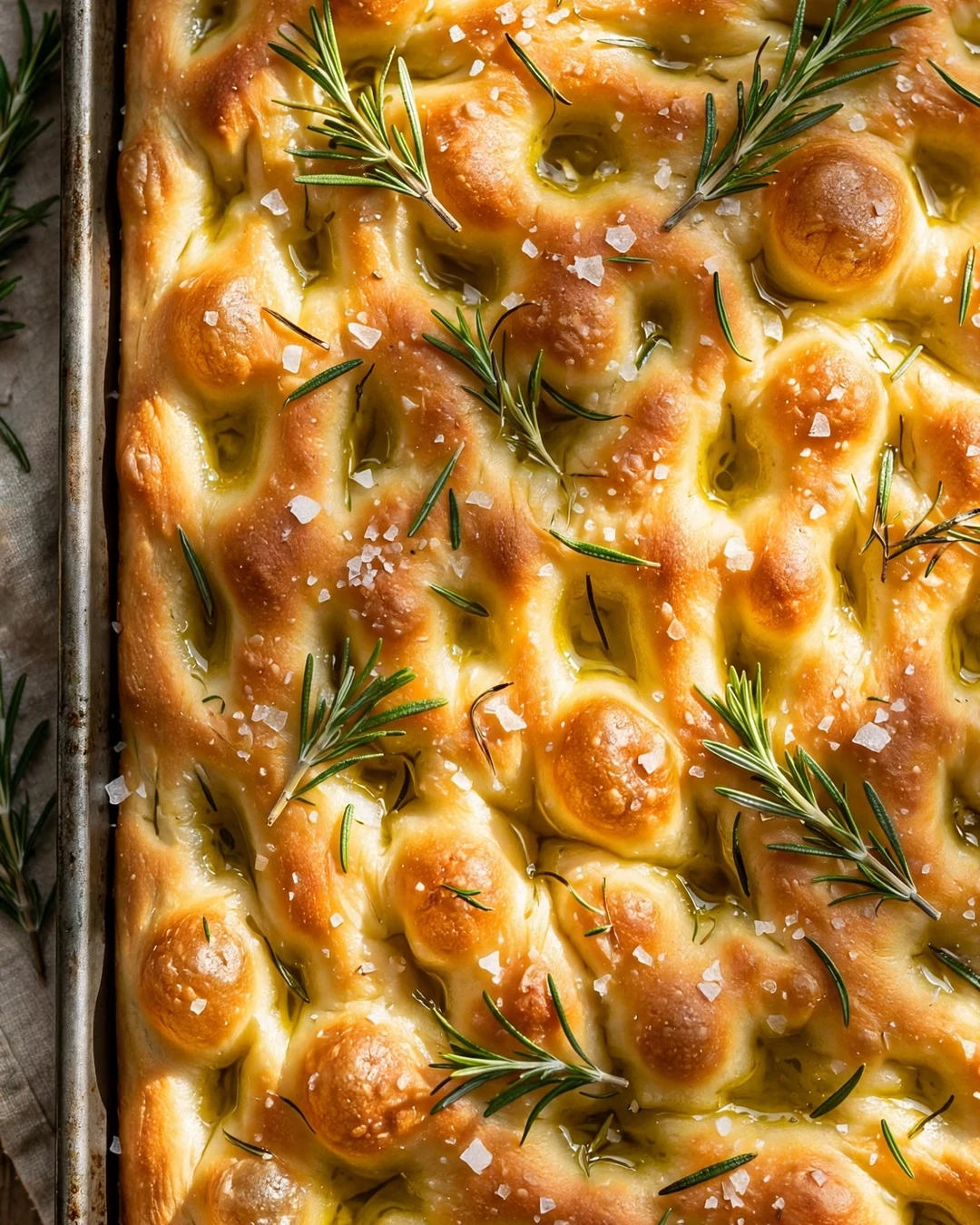
Focaccia is the friendliest bread on this list, a puffy, olive oil rich slab that begs for dimples, rosemary, and a confident sprinkle of flaky salt. The salt does double duty here, seasoning the airy crumb and crunching against the crisp, fried edges.
Stir together 4 cups of flour, 2 teaspoons of fine salt, 1 teaspoon of yeast, and 2 cups of warm water into a shaggy dough. Rest it, stretch and fold it a few times over an hour, then tip it into a well oiled sheet pan. Proof until bubbly, dimple deeply with oiled fingers, scatter rosemary and flaky salt, and bake at 425F for 22 to 25 minutes.
Dimple Like You Mean It
Press your fingers straight down to the pan in a piano playing motion. Shallow dimples disappear; deep ones hold pools of olive oil that fry the dough from the top. If the dough springs back and refuses to stretch, rest it 10 minutes and dimple again.
- Oil the pan generously so the bottom fries crisp
- Dimple all the way to the pan for oil pools
- Salt before baking so flakes set into the crust
- Rest 10 minutes before slicing
Serving Ideas
Cut it into squares for the dinner table, or split thick pieces for sandwiches piled with mozzarella, tomato, and basil. Warm leftovers make a fine breakfast next to scrambled eggs and a strong cup of coffee.
Variation to try next time: swap the rosemary for thinly sliced red onion and a handful of halved cherry tomatoes pressed into the dough before baking. The tomatoes roast into sweet pockets that play beautifully against the salty surface. A drizzle of balsamic glaze over the warm focaccia just before serving makes it feel like a cafe lunch at home.
3. Salted Butter Rolls

Soft, golden, and brushed with melted butter, these rolls are the ones that disappear before the main course lands. A pinch of flaky salt over the buttery tops is the whole trick, turning a simple dinner roll into the most requested item on the table.
Cornbread Doneness Check
The edges should pull away from the skillet and the center should spring back when pressed. A toothpick comes out with a few moist crumbs. If the top still looks wet and jiggly, give it 3 more minutes.
Warm 1 cup of milk with 4 tablespoons of butter until melted, then whisk in a spoonful of sugar, an egg, and yeast. Knead with 3 and 1/2 cups of flour and 1 and 1/2 teaspoons of fine salt until satiny. Rise 1 hour, divide into 12 balls, proof in a buttered pan, and bake at 375F for 18 to 20 minutes.
The Butter and Salt Finish
Brush the rolls the second they come out of the oven, while the tops are hot enough to sizzle the butter. Sprinkle flaky salt right away so it sticks to the glossy surface. A second, lighter brush after 5 minutes gives you that steakhouse shine everyone loves.
- Warm milk, never hot, to protect the yeast
- Divide dough evenly so rolls bake at the same rate
- Brush with butter twice for shine and flavor
- Flaky salt goes on while the butter is wet
Holiday Table Ready
These rolls anchor any feast, from weeknight roast chicken to a full holiday spread like the ones in these Christmas morning breakfast recipes when the family is in town. Bake them in a cast iron skillet for extra cozy points.
Make ahead pairing idea: bake the rolls a day early, cool completely, and store them in a sealed bag at room temperature. Reheat for eight minutes in a low oven before dinner and brush with fresh melted butter and one more pinch of salt. They taste freshly baked, and your oven stays free for the main dish on the big day.
4. Pretzel Style Salted Bread
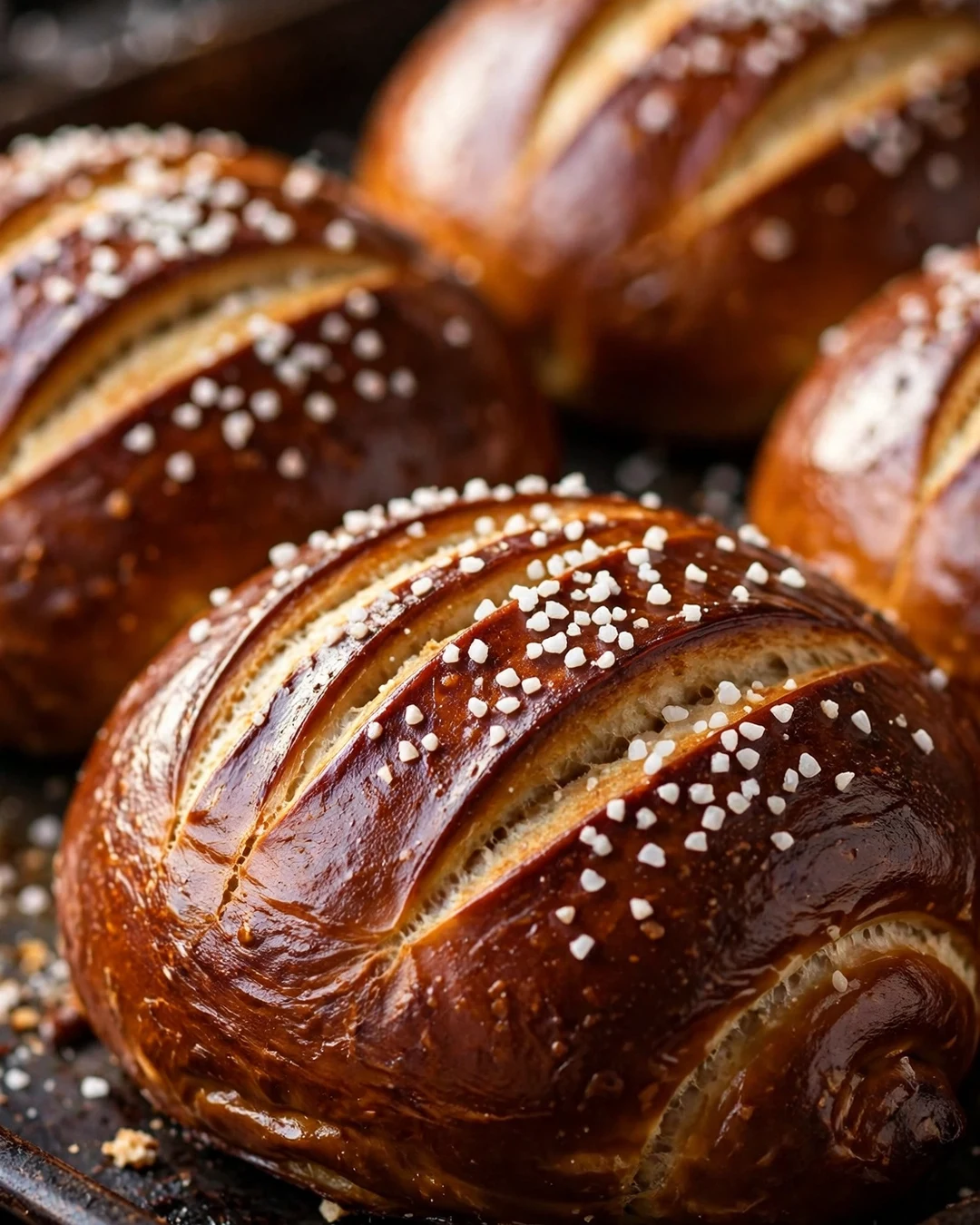
That deep mahogany crust, that chewy bite, that crunch of coarse salt: pretzel bread is pure snack shop joy at home. The secret is a quick dip in a baking soda bath before baking, which gives the crust its color and signature tang.
Make a simple dough from 4 cups of flour, 1 and 1/2 teaspoons of fine salt, yeast, and warm water, then shape it into rolls or one braided loaf. Simmer each piece for 30 seconds per side in water mixed with 1/3 cup of baking soda. Drain, slash the tops, scatter coarse pretzel salt, and bake at 425F for 18 to 22 minutes.
The Right Salt for Pretzels
Pretzel salt is its own thing: big, opaque, coarse crystals that do not melt in the oven. Kosher salt works in a pinch but softens, and flaky salt disappears. Order a small bag of real pretzel salt once and you will use it on everything from rolls to roasted nuts.
- Baking soda bath gives color and chew
- Use coarse pretzel salt, not flaky salt
- Slash tops before baking for the classic look
- Bake immediately after the bath
Serving Ideas
Serve warm with grainy mustard, beer cheese, or a simple honey butter. Slice the rolls for bratwurst or burgers and watch a plain cookout turn into a German bakery for the evening.
Pro tip for perfect pretzel color: keep the baking soda bath at a gentle simmer, never a hard boil, and give each piece a full thirty seconds per side. Wipe off excess moisture with a clean towel before salting so the crystals stick instead of sliding off. The rolls bake up glossy, deeply browned, and chewy in the best way.
5. Salted Garlic Knots
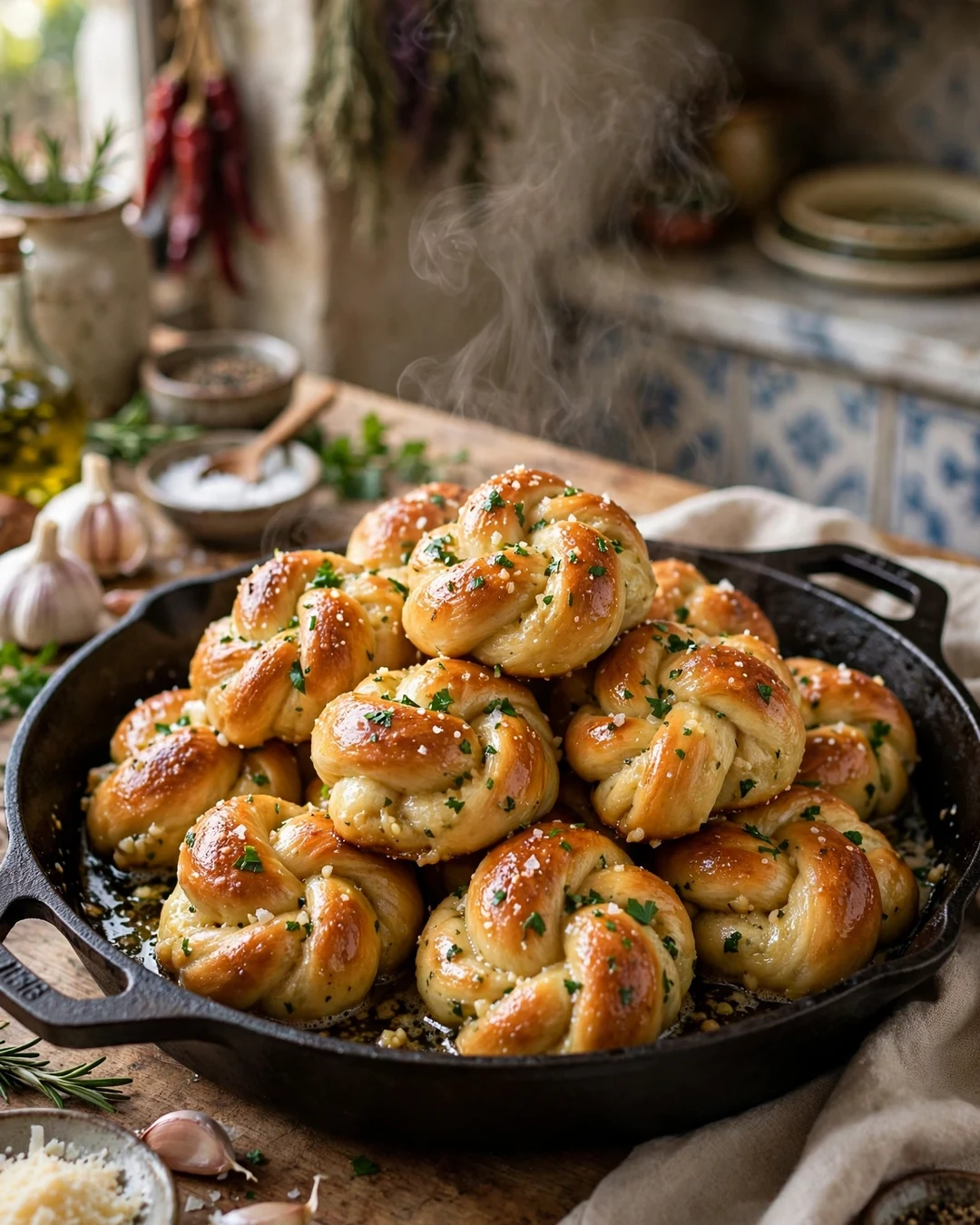
Garlic knots are the pizzeria side that outshines the pizza, and a finish of flaky salt makes them impossible to eat just one of. Twisted strips of dough get baked golden, then drowned in garlic butter and salted while they shine.
Use a pound of pizza style dough made with 3 cups of flour, 1 and 1/2 teaspoons of fine salt, yeast, and warm water. Roll into ropes, cut, and tie each piece in a loose knot. Proof 30 minutes, bake at 400F for 14 to 16 minutes, then toss the hot knots in melted butter with minced garlic and parsley.
Tying Knots That Hold
Roll each rope about 8 inches long and keep it lightly floured so it slides into a knot without tearing. Tuck the ends under and pinch gently. If a knot unravels in the oven, no one has ever complained; it still tastes like garlic butter and salt.
- Keep ropes lightly floured for easy tying
- Bake until just golden; do not dry them out
- Toss in garlic butter while piping hot
- Flaky salt goes on after the butter bath
Serving Suggestions
Pile them in a warm skillet and set them in the middle of the table with marinara for dunking. They are the natural partner for pasta night, soup night, and honestly any night that needs cheering up.
Cheesy variation worth trying: tuck a tiny cube of mozzarella into the center of each piece of dough before tying the knot. The cheese melts into a gooey pocket that stretches when you pull the warm knots apart. Sprinkle the finished knots with the garlic butter and a pinch of Parmesan for a pizzeria style finish everyone fights over.
6. Salt Crusted Country Loaf
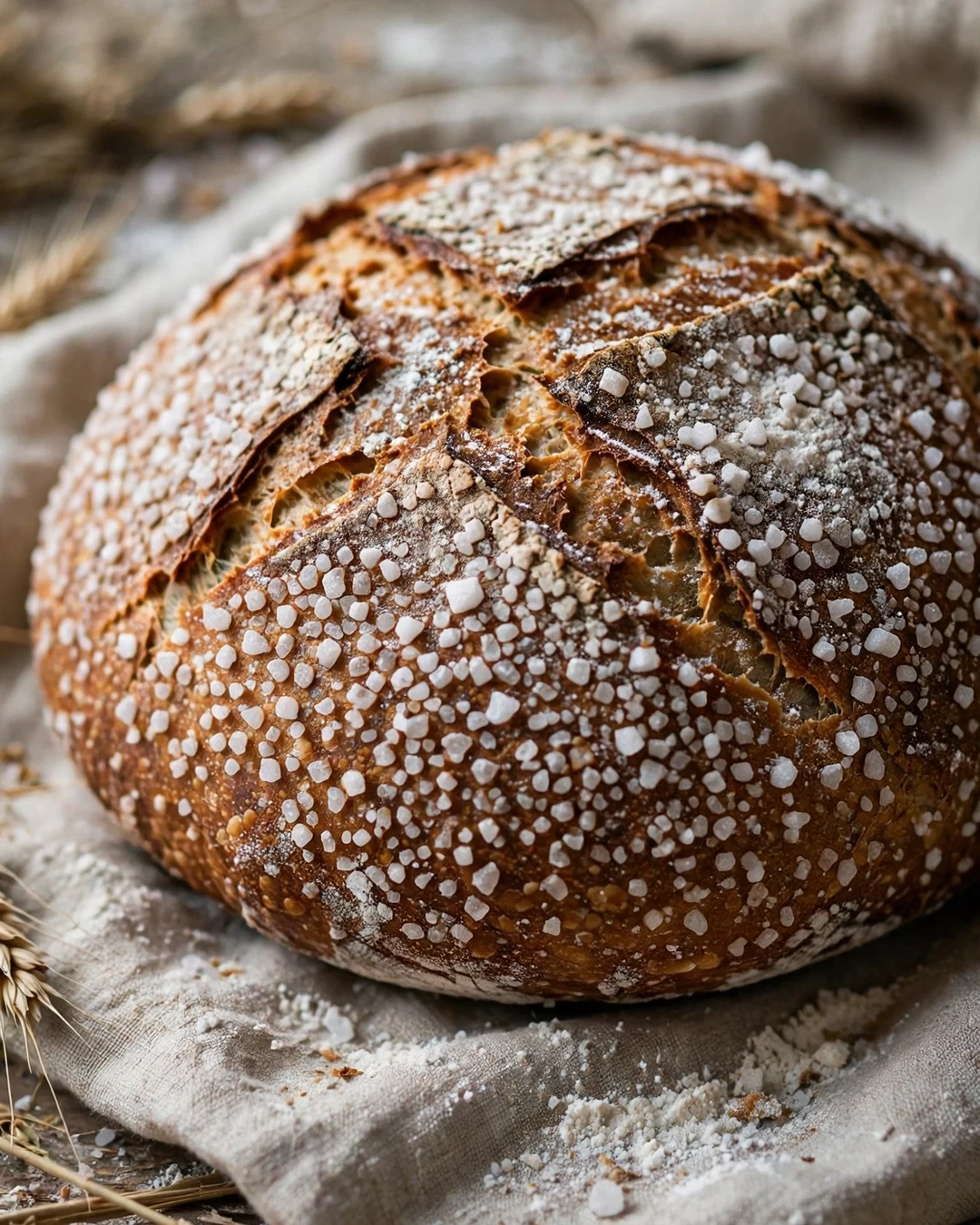
This is the show off loaf, baked under a blanket of coarse salt that forms a crackling, savory crust all its own. Underneath, the crumb stays soft and mild, so every bite gives you crunchy salty edges and a tender middle in perfect balance.
DIY Everything Blend
Stir together 2 tablespoons of sesame seeds, 2 tablespoons of poppy seeds, 1 tablespoon of dried garlic flakes, 1 tablespoon of dried onion flakes, and 2 teaspoons of flaky sea salt. Store any extra in a small jar for up to a month and use it on eggs, salads, and avocado toast.
Build a sturdy dough from 5 cups of flour, 2 and 1/4 teaspoons of fine salt, yeast, and water, and let it rise slowly for deep flavor. Shape a tight round, mist with water, and press the top into a shallow dish of coarse sea salt until well coated. Bake at 450F in a Dutch oven for 40 to 45 minutes total.
Salt Crust Secrets
The water mist is the glue; without it the salt slides off as the loaf expands. Coarse salt works better than fine here because the big crystals stay distinct instead of dissolving into the surface. Brush off any loose excess after baking so slices are seasoned, not gritty.
- Mist the loaf so the salt sticks
- Coarse sea salt only for the crust
- Press firmly before the final proof ends
- Brush off loose salt after baking
Serving Ideas
Tear it apart at the table and serve with olive oil and balsamic for dipping. Thick slices stand up to hearty stews and bean soups without falling apart, which makes this the loaf to bake when dinner is a one pot affair.
Crust Do and Do Not
Do press the salt on firmly so it survives the oven spring. Do not salt the cut side when serving, since the crust carries plenty. Do crack the crust and listen; a hollow, crackly sound means a great bake.
Storage pro tip: let the loaf cool fully, then keep it cut side down on the cutting board with a clean tea towel draped over the top. The crust stays crisp for a full day without any plastic trapping moisture against it. For longer storage, slice and freeze the pieces, then toast straight from frozen for breakfast or soup dunking.
7. Salted Challah

Challah is the celebration braid, rich with eggs and oil, glossy from an egg wash, and at its best with a sparkle of flaky salt on top. The salt keeps the gentle sweetness in check and gives the shiny crust a savory snap.
Whisk 2 eggs, extra yolks, oil, and honey into warm water, then knead with 4 cups of flour, 2 teaspoons of fine salt, and yeast into a smooth, supple dough. Rise until doubled, divide into 3 or 4 strands, braid, and proof again. Egg wash twice, sprinkle flaky salt, and bake at 350F for 28 to 32 minutes.
Braiding Basics
Roll strands of even thickness and pinch the tops together firmly before you start. Braid snugly but not tight; the loaf needs room to puff. Work from the middle to each end if a four strand braid feels tricky, and tuck the ends under for a bakery finish.
- Two egg washes for the deepest shine
- Braid snug, not tight, for a good rise
- Flaky salt after the second wash
- Tent with foil if it browns too fast
Sweet and Savory Company
Serve warm slices with salted butter, or use the loaf for sandwiches all weekend long. Braided, enriched breads like this one sit happily next to pull apart treats like these best monkey bread recipes on a brunch table.
Serving pairing to remember: thick slices of salted challah make the finest French toast you will ever plate, especially after a night in the fridge. Whisk eggs, milk, cinnamon, and vanilla, soak each slice for thirty seconds per side, and griddle in butter until deeply golden. A final pinch of flaky salt on top wakes up the maple syrup beautifully.
8. Salted Soda Bread
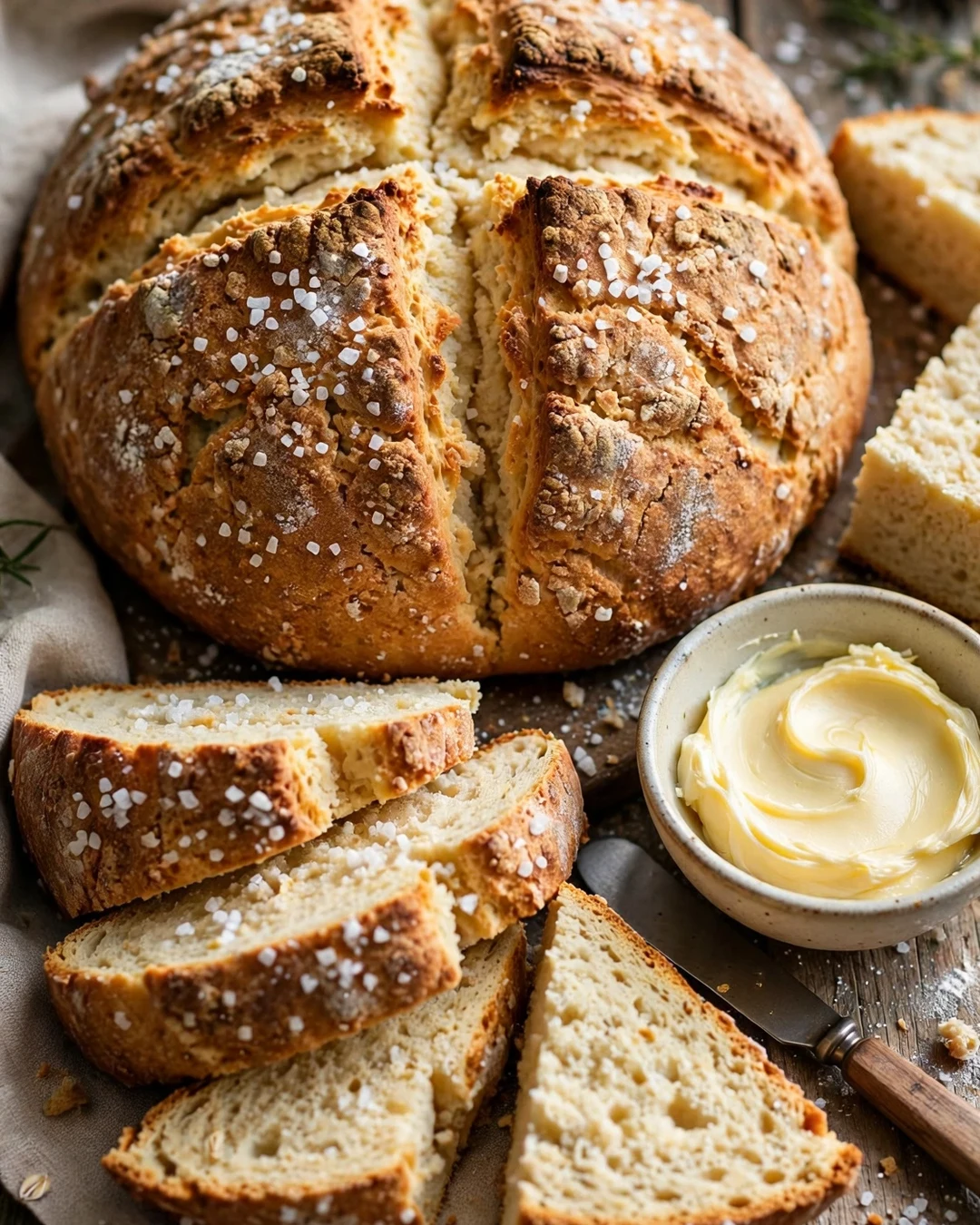
No yeast, no waiting, no fuss: soda bread goes from bowl to oven in ten minutes and still earns its flaky salt finish. The crumb is tender and slightly tangy from buttermilk, and the crust bakes up craggy and golden.
Whisk 4 cups of flour with 1 and 1/2 teaspoons of fine salt and 1 teaspoon of baking soda. Cut in cold butter, then stir in buttermilk until a shaggy dough forms. Pat into a round, cut a deep cross, sprinkle the top with flaky salt, and bake at 425F for 35 to 40 minutes.
The Cross Cut Matters
That deep cross is not just tradition; it helps the thick loaf bake through in the center and gives you four easy sections to tear apart. Cut nearly to the bottom of the round, and let the loaf cool on a rack so the bottom stays crisp instead of steaming.
- Stir only until the flour disappears
- Cut the cross deep for an even bake
- Bake the moment the dough is mixed
- Cool on a rack for a crisp bottom
Wholesome Mornings
Toast slices and top with jam or a fried egg for a sturdy breakfast. It belongs in the same wholesome morning family as these baked oats recipes, and it keeps the bread basket interesting all week.
Pro tip for the lightest crumb: stir the batter only until the flour disappears, even if a few lumps remain, and get the pan into the oven within two minutes of mixing. The baking soda starts working the moment it meets the buttermilk, and a fast trip to the heat means maximum lift for your salted soda bread.
Salt Guide by Bread Style
| Bread Style | Salt in Dough | Salt on Top |
|---|---|---|
| Rustic loaves | Fine sea salt | Flaky salt |
| Pretzel bread | Fine sea salt | Coarse pretzel salt |
| Flatbreads | Fine sea salt | Flaky salt |
| Sweet loaves | Fine sea salt | A pinch of flakes |
9. Salted Cheese Bread

Cheese bread walks the line between bread and snack, and salt is what keeps it firmly delicious instead of greasy. Sharp cheddar melts through the crumb, the top goes crisp and lacy, and flaky salt cuts through the richness bite after bite.
Knead a dough of 3 and 1/2 cups of flour, 1 and 1/2 teaspoons of fine salt, yeast, and warm milk until smooth. Roll it out, scatter 2 cups of shredded sharp cheddar, roll it up jelly roll style, and proof it in a loaf pan. Top with extra cheese and flaky salt, then bake at 375F for 32 to 35 minutes.
Cheese Choices
Sharp cheddar gives the boldest flavor and melts into distinct pockets. Pepper jack adds gentle heat, and Gruyere brings a nutty, grown up taste. Avoid heavily coated pre shredded blends when you can; freshly grated cheese melts smoother.
- Freshly grated cheese melts best
- Roll the dough tight to trap the cheese
- Extra cheese and salt on top before baking
- Cool 20 minutes so slices hold together
Serving Ideas
Grill thick slices in butter for the ultimate grilled cheese base, or cube the loaf for a bread bowl style dip at parties. Warm slices next to scrambled eggs make a lazy weekend breakfast feel planned.
Spicy variation for heat lovers: fold a finely diced jalapeno and a pinch of smoked paprika into the dough along with the cheese. The gentle heat sneaks up slowly and pairs perfectly with the salty, cheesy crumb. Serve warm slices next to a bowl of tomato soup and you have the coziest cold weather lunch on this whole list.
10. Salted Herb Flatbread
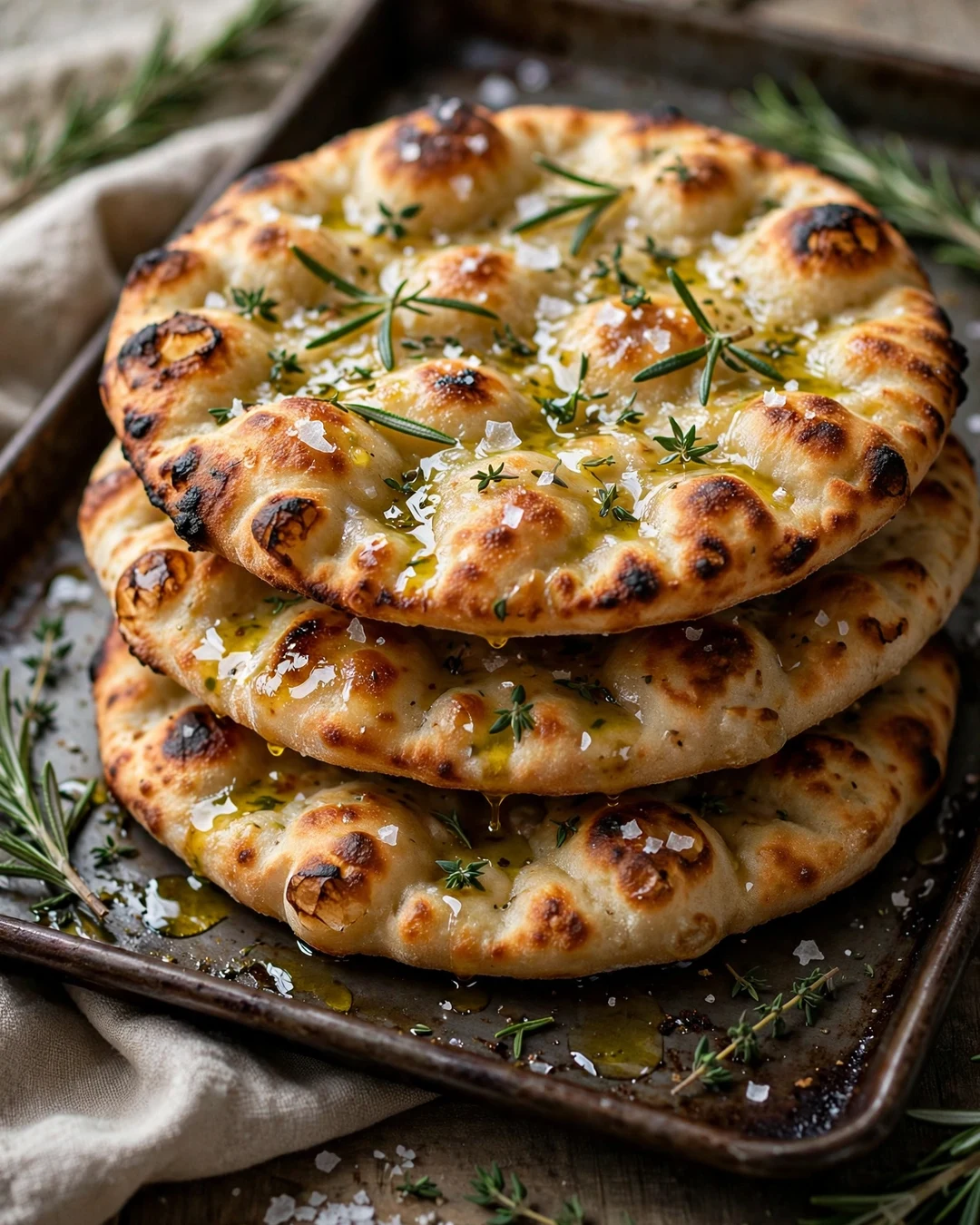
Flatbread is the fastest route to homemade bread on a weeknight, and a shower of flaky salt with fresh herbs makes it taste like far more effort than it is. The edges blister, the centers stay soft, and the herbs perfume the whole kitchen.
Stir 2 and 1/2 cups of flour with 1 teaspoon of fine salt, yeast, warm water, and a glug of olive oil. Rest 30 minutes, then divide and roll each piece thin. Cook in a ripping hot dry skillet for 2 minutes per side, brush with garlic oil, and finish with chopped herbs and flaky salt.
Herb Combinations
Rosemary and thyme are the classic pair, but parsley with lemon zest tastes bright and fresh, and zaatar brings a tangy, sesame crunch. Add tender herbs after cooking so they stay green; hardy rosemary can go on before the skillet.
- Roll the dough thin for blistered edges
- A dry, very hot skillet works best
- Brush with garlic oil right off the heat
- Salt while the surface is glossy
Endless Uses
Tear and dip into hummus, wrap around grilled chicken, or use as an instant pizza base on busy nights. Keep a stack wrapped in a towel on the counter and watch them vanish before dinner is even ready.
Weekend pairing idea: use the warm flatbreads as the base for quick breakfast pizzas topped with scrambled eggs, crumbled bacon, and a handful of sharp cheddar. Five minutes under the broiler melts everything into a bubbly, salty, satisfying plate that feeds a crowd without any fuss. Leftovers reheat beautifully in a dry skillet the next morning too.
Pretzel Bath Steps
Simmer, do not boil, the soda water. Dip each piece 30 seconds per side. Drain on a rack for a minute. Slash, salt generously, and bake right away while the surface is still tacky.
11. Salted Brioche Buns

Brioche buns are the burger’s best friend, pillowy and rich with butter, and a pinch of flaky salt on the glossy tops makes them taste like a bakery splurge. They are just as happy holding a breakfast sandwich as a smash burger.
Knead 3 and 1/2 cups of flour with 1 and 1/2 teaspoons of fine salt, yeast, eggs, and warm milk, then work in soft butter a spoonful at a time. The dough is sticky at first and turns silky with patience. Chill it, divide into 8 balls, proof until puffy, egg wash, salt, and bake at 375F for 16 to 18 minutes.
Butter, Added Slowly
Cold dough plus room temperature butter is the formula. Add the butter gradually so it blends in instead of melting out, and expect 10 to 12 minutes of kneading. An overnight chill makes shaping easy and deepens the flavor.
- Add soft butter gradually, not all at once
- Chill the dough before shaping
- Egg wash for shine, salt right after
- Proof until puffy and jiggly
Morning Glory
Split and toast the buns, then pile on eggs, cheese, and bacon for a breakfast sandwich that rivals any cafe. They fit right into a morning spread planned around these high protein breakfast ideas.
Pro tip for bakery shine: brush the buns with a beaten egg mixed with a spoonful of milk right before they go into the oven, and again the moment they come out if you want a deeper gloss. The double wash gives that polished bakery look, and the flaky salt sprinkled between washes stays put through slicing and serving.
Salt Timing Trick
Focaccia takes its flaky salt before baking, not after. The olive oil pooled in the dimples holds the flakes in place, and the oven sets them into the crust so they stay put when you slice.
12. Salted Cornbread
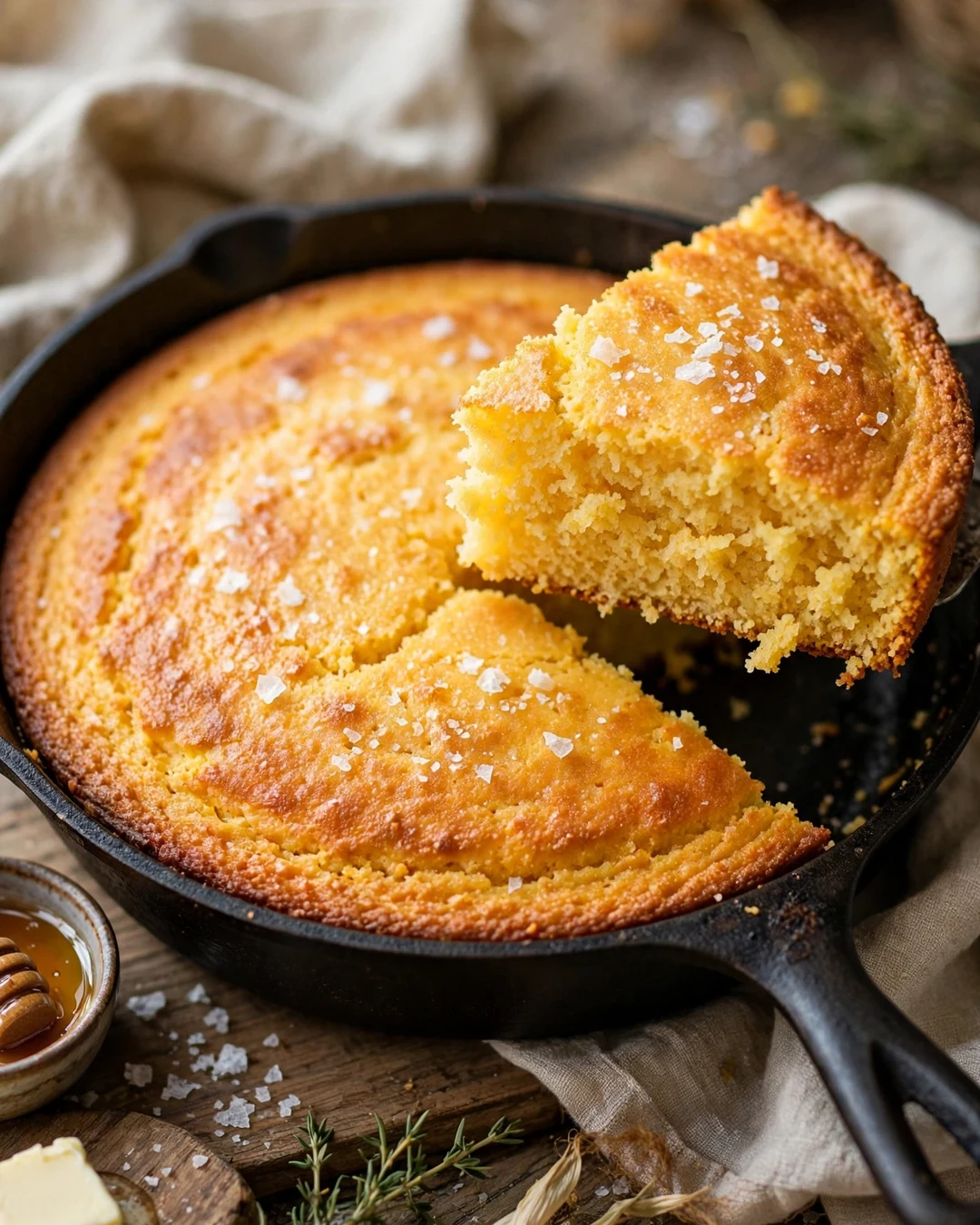
Cornbread with a salty, buttery crust is the side dish that steals the show, especially baked in a screaming hot cast iron skillet. Fine salt seasons the crumb, and a final sprinkle of flakes over the buttered top makes every wedge sing.
Whisk 1 and 1/2 cups of cornmeal with 1/2 cup of flour, 1 and 1/2 teaspoons of fine salt, baking powder, and a spoonful of sugar. Stir in buttermilk, eggs, and melted butter, then pour into a preheated oiled skillet. Bake at 425F for 20 to 22 minutes, butter the top, and salt it while hot.
Skillet Secrets
Preheating the skillet with a slick of oil is what builds that deep, crunchy bottom crust. Do not skip it. Coarse cornmeal gives a heartier bite, while fine cornmeal bakes up more cake like; both work, so pick your texture.
- Preheat the skillet for a crunchy bottom
- Butter and salt the top while hot
- Coarse cornmeal for hearty, fine for tender
- Rest 10 minutes before cutting wedges
Serving Traditions
Cornbread belongs next to beans, greens, and barbecue, with extra butter melting into every crumb. Day old wedges crumble beautifully over salads or into dressing, so nothing goes to waste.
Classic pairing that never fails: serve warm wedges of salted cornbread with a big pot of chili and let everyone crumble their slice right into the bowl. The salty, buttery crumbs soak up the spicy broth and turn every spoonful into comfort food. A drizzle of honey over the top bridges the sweet and salty sides perfectly.
13. Salted Olive Loaf
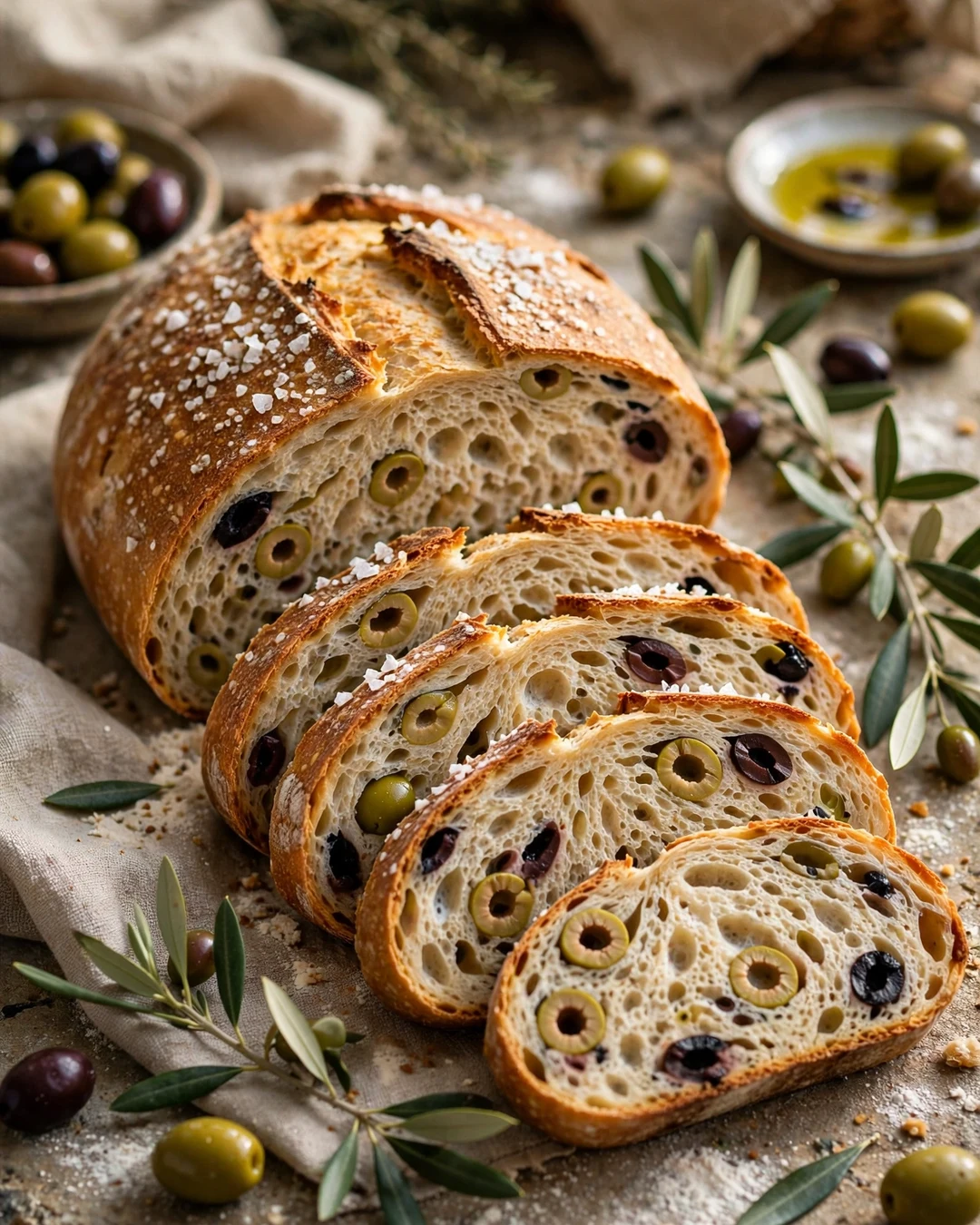
Briny olives and a salty crust were made for each other, and this loaf leans into both. Every slice is studded with green and black olives, and the coarse salt on top echoes their savory punch in the best way.
Fold 1 and 1/2 cups of drained, halved olives into a lean dough of 4 cups of flour, 2 teaspoons of fine salt, yeast, and water after the first rise. Shape into a round or oval, proof until puffy, mist with water, and scatter coarse salt. Bake at 450F in a Dutch oven for 35 to 40 minutes.
Olive Prep
Drain the olives well and pat them dry; extra brine makes the dough slack and the crumb gummy. Halve big olives so every slice gets a fair share. A spoonful of olive oil worked into the dough ties the flavors together and keeps the crumb tender for days.
- Pat olives dry before folding in
- Halve large olives for even slices
- Add olives after the first rise
- Coarse salt on top, misted to stick
Serving Ideas
Serve with a cheese board, a bowl of marinated white beans, or nothing but good olive oil for dipping. Toasted slices under a fried egg turn a simple lunch into something you will make on repeat.
Pro tip for even olive distribution: toss the drained olives with a spoonful of flour before folding them into the dough. The light coating keeps them from sinking to the bottom of the loaf while it bakes. Pat them very dry first, since wet olives add unwanted moisture and can leave soggy pockets in the finished crumb.
14. Salted Baguette Style Loaf
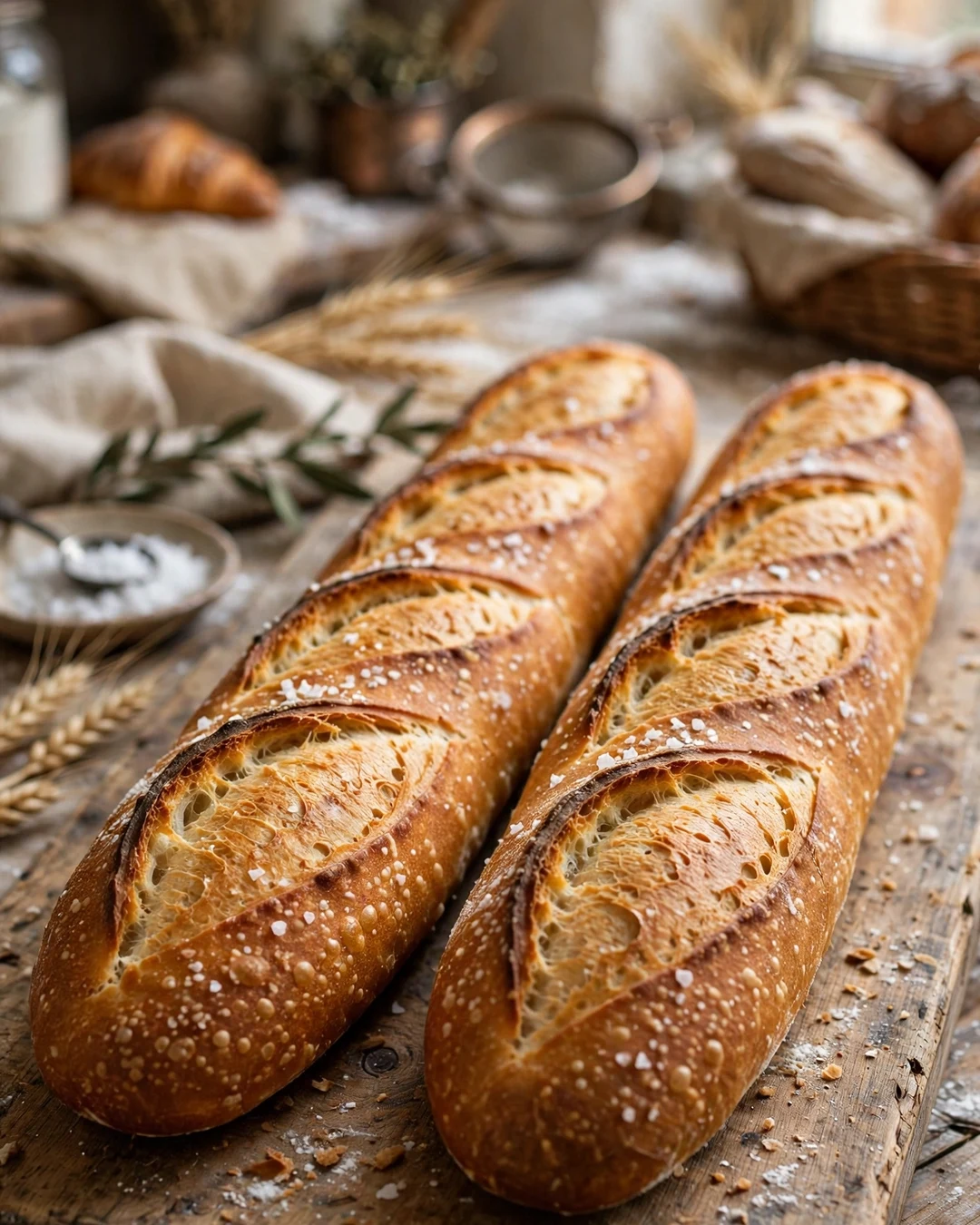
You do not need a Parisian bakery for a shattering baguette style loaf at home. A long, slow rise builds the flavor, steam builds the crust, and flaky salt on the slashes gives each bite a bright, salty pop.
Mix 4 cups of flour, 2 teaspoons of fine salt, yeast, and water, then fold the dough several times over 2 hours instead of kneading. Shape into two long loaves, proof on a floured cloth, slash diagonally, mist, and salt. Bake at 475F on a hot stone or steel with steam for 22 to 25 minutes.
Steam Is the Crust Secret
Steam keeps the surface soft for the first minutes so the loaf can expand and the slashes can open into little ears. A pan of boiling water on the oven floor or a spritz bottle does the job. Vent the oven for the last 5 minutes for maximum crackle.
- Long rise, gentle folds, no hard kneading
- Slash at an angle for open ears
- Steam early, vent late
- Salt the slashes right before baking
Sandwich Plans
Slice lengthwise for sandwiches with real crunch, the kind that make the fillings in these fresh basil sandwich ideas taste even brighter. Leftover loaves become the finest croutons and bruschetta.
Weekend variation worth the effort: shape the dough into eight small rolls instead of two long loaves for individual sandwich baguettes with the same crackly crust. They bake in about twenty minutes and freeze beautifully for the week. Warm them briefly before filling so the crust crisps back up and the salty top crackles when you bite in.
15. Salted Honey Butter Bread
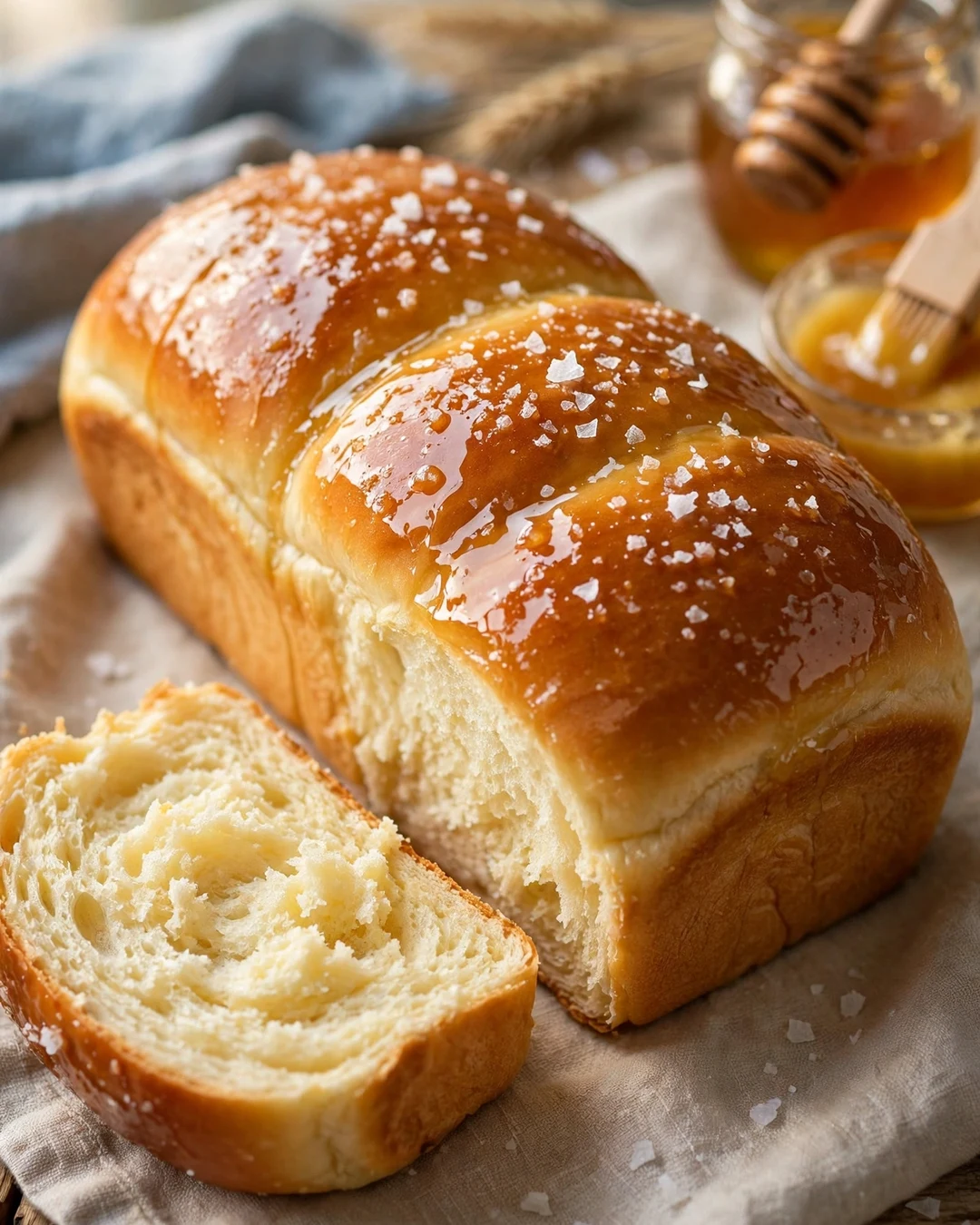
We end on the sweet side: a soft milk bread brushed with warm honey butter and finished with flaky salt. The salt is the whole point here; it keeps the honey honest and turns a simple loaf into the slice everyone reaches for first.
Knead 3 and 1/2 cups of flour with 1 and 1/2 teaspoons of fine salt, yeast, warm milk, an egg, and soft butter until smooth and elastic. Rise, shape into a loaf pan, and proof until it crowns the rim. Bake at 350F for 28 to 30 minutes, then brush generously with equal parts melted butter and honey and sprinkle with flakes.
The Honey Butter Glaze
Brush the glaze on in two coats: the first soaks in and flavors the crust, the second stays glossy on top. Warm honey pours and spreads easier, and a tiny pinch of salt in the glaze itself sharpens the sweet and salty balance.
- Two coats of honey butter glaze
- Salt the top while the glaze is wet
- Warm honey spreads without tearing the crust
- Rest 10 minutes before slicing
Sweet Company
Serve it for brunch with soft scrambled eggs and fruit, or toast slices for an afternoon treat. It keeps good company with other sweet bakes like these banana bread recipes, and it makes a fine partner for the make ahead breakfasts in these overnight oats recipes.
Pro tip for the softest crumb: warm the milk and butter together until just melted, never hot, before mixing the dough. Liquid that is too hot can dull the yeast and leave the loaf dense instead of pillowy. Let the finished bread rest ten minutes before slicing so the honey butter stays glossy on top instead of soaking straight in.
16. Salted Pesto Swirl Loaf
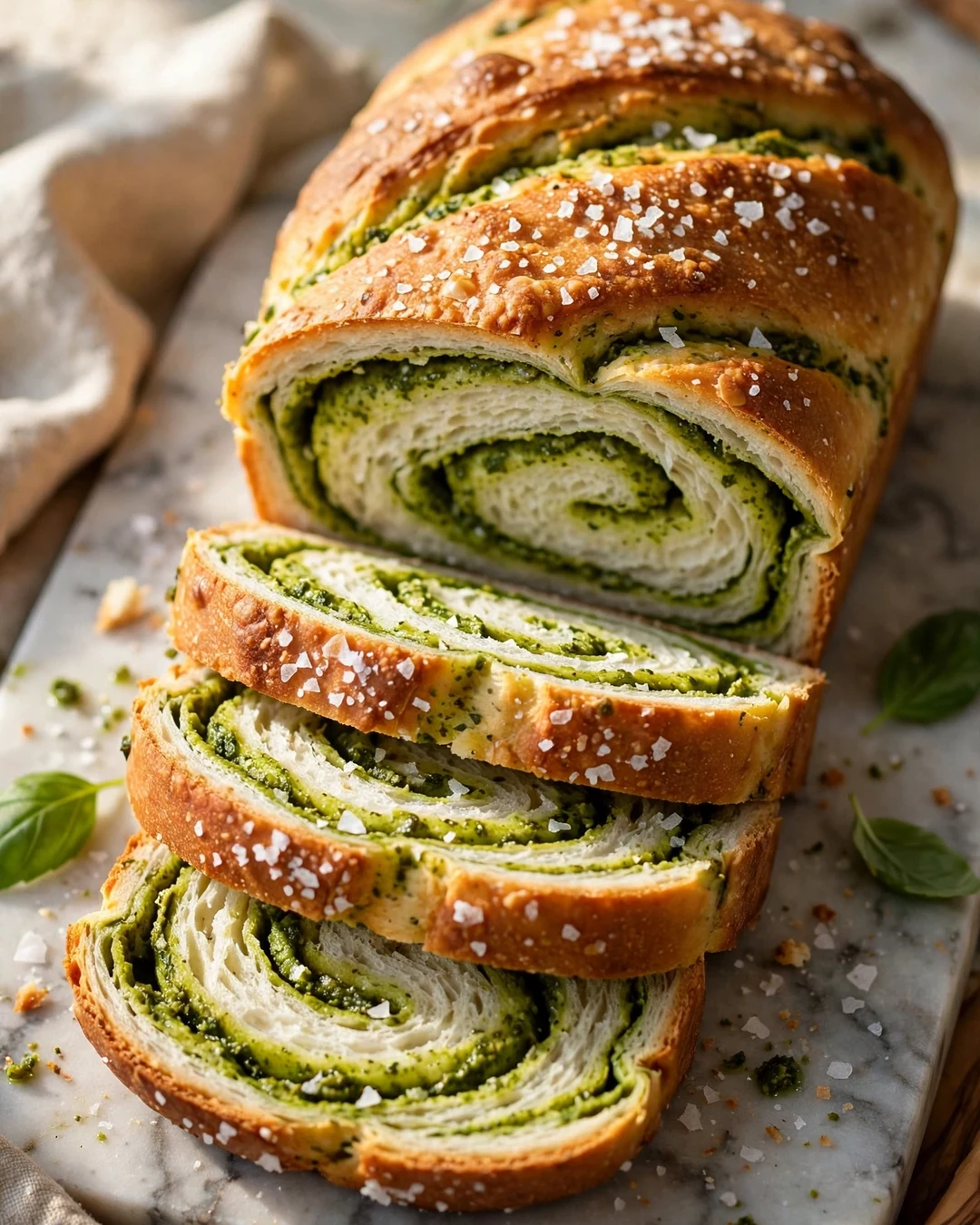
If you love the smell of basil, this is your loaf. A soft white dough is rolled flat, spread with bright green pesto, and rolled up tight, so every slice shows a pretty spiral. The flaky salt on the crust is not decoration: it balances the rich, garlicky filling and keeps each bite from tasting flat.
Stir 3 and 1/2 cups of bread flour with 2 teaspoons of fine sea salt, 1 teaspoon of instant yeast, and 1 tablespoon of sugar. Add 1 cup of warm water and 2 tablespoons of olive oil, then knead for 8 minutes until smooth. Rise for 1 hour, roll into a rectangle, and spread with 1/2 cup of basil pesto, leaving a clean border. Roll up from the long side, place seam down in a greased loaf pan, proof 40 minutes, and bake at 375F for 32 to 35 minutes. Brush with olive oil and shower with flaky salt.
Keeping the Swirl Tight
Roll the dough firmly as you go and pinch the seam shut so the spiral holds its shape in the oven. If your pesto is oily, spoon off the top layer of oil before spreading, since extra oil can leak out and leave gaps in the swirl. A thin, even layer beats a thick one every time.
- Pat pesto dry if it looks oily
- Roll firmly and pinch the seam closed
- Leave a border so the filling stays inside
- Brush with olive oil, then add flaky salt
Made for Sandwiches
Thick slices make standout sandwiches, especially with tomato and mozzarella, and the loaf fits right in with the fresh ideas in these basil sandwich ideas when basil season is in full swing. It is just as good torn into chunks for dunking in soup.
Pro tip for clean slices: let the loaf cool for a full hour before cutting, since the pesto layer stays soft and can smear while warm. A serrated knife and a gentle sawing motion keep the spiral neat. Leftover slices toast beautifully the next day and make a fine base for eggs, tomatoes, or a quick grilled cheese at lunch.
17. Salted Everything Seasoning Bread
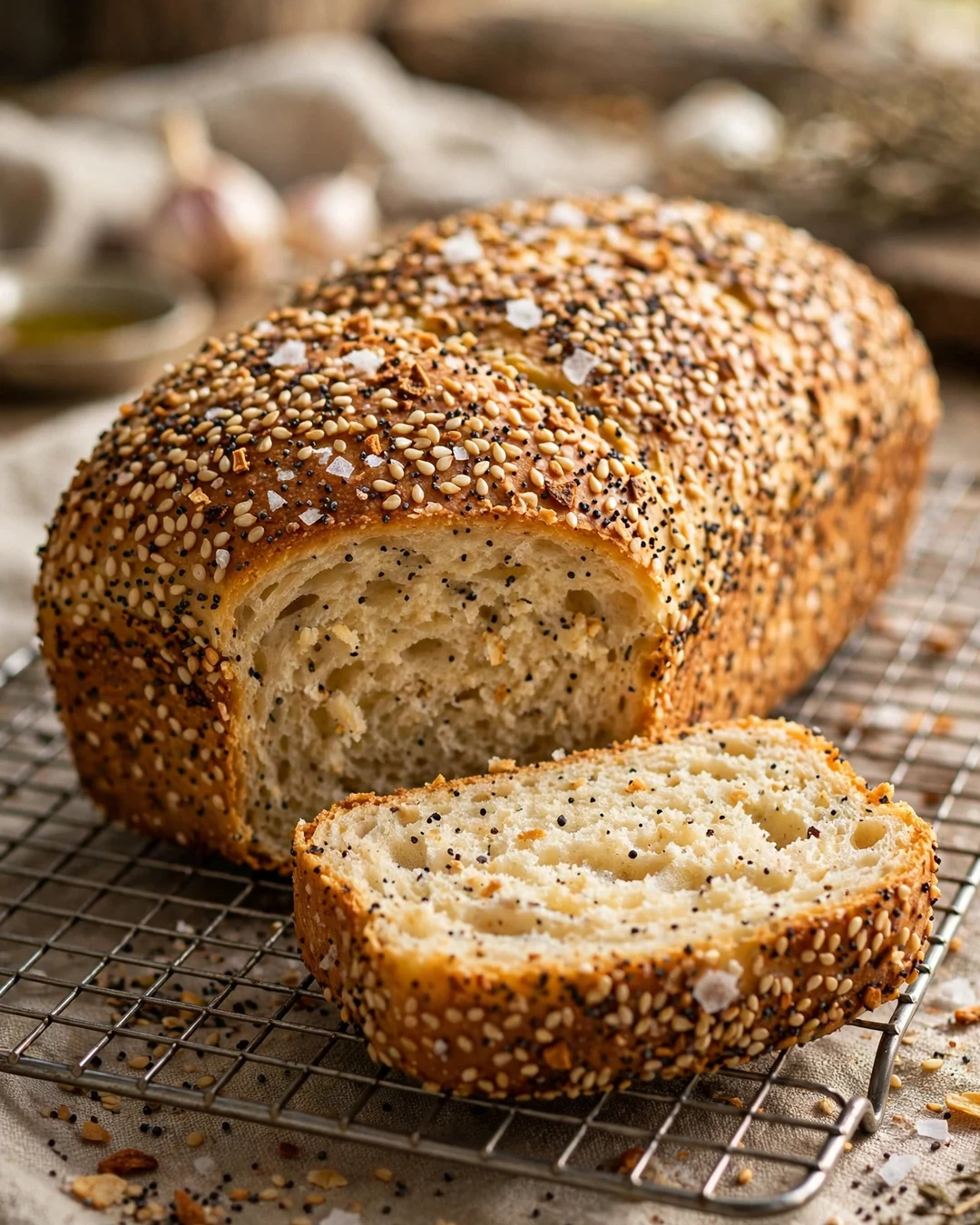
All the flavor of an everything bagel, baked into a soft loaf you can slice for toast. Sesame seeds, poppy seeds, dried garlic, dried onion, and flaky salt cover the crust and get folded through the dough too, so the seasoning shows up in every single bite instead of only on top.
Mix 3 and 1/2 cups of bread flour with 2 teaspoons of fine sea salt, 1 teaspoon of instant yeast, and 2 tablespoons of everything seasoning. Knead with 1 and 1/4 cups of warm water and 1 tablespoon of olive oil for 8 minutes. Rise 1 hour, shape into a loaf pan, brush the top with water, and press on 2 more tablespoons of seasoning plus a pinch of flaky salt. Proof 40 minutes and bake at 375F for 30 to 35 minutes.
Build Your Own Blend
Store bought blends work fine, but a homemade mix lets you push the garlic or hold back the poppy seeds to suit your house. Keep the flaky salt coarse so it stays visible and crunchy on the crust instead of dissolving into the dough.
- Seasoning goes in the dough and on top
- Brush with water or egg white so the topping sticks
- Press the blend on gently with your palm
- Cool before slicing so the crust stays crisp
Breakfast and Beyond
Toasted with cream cheese, this loaf is a full breakfast on its own, and it makes a sturdy base for the egg sandwiches and hearty plates in these high protein breakfast ideas. Try it for tuna melts and grilled cheese at lunch too.
Pro tip: brush the shaped loaf with beaten egg white instead of water before adding the topping. The white bakes into a strong glue that keeps seeds and salt in place, so far less ends up on the cutting board. Any blend that does fall off can be saved and sprinkled over eggs, salads, or avocado toast later.
18. Salted Rye Loaf
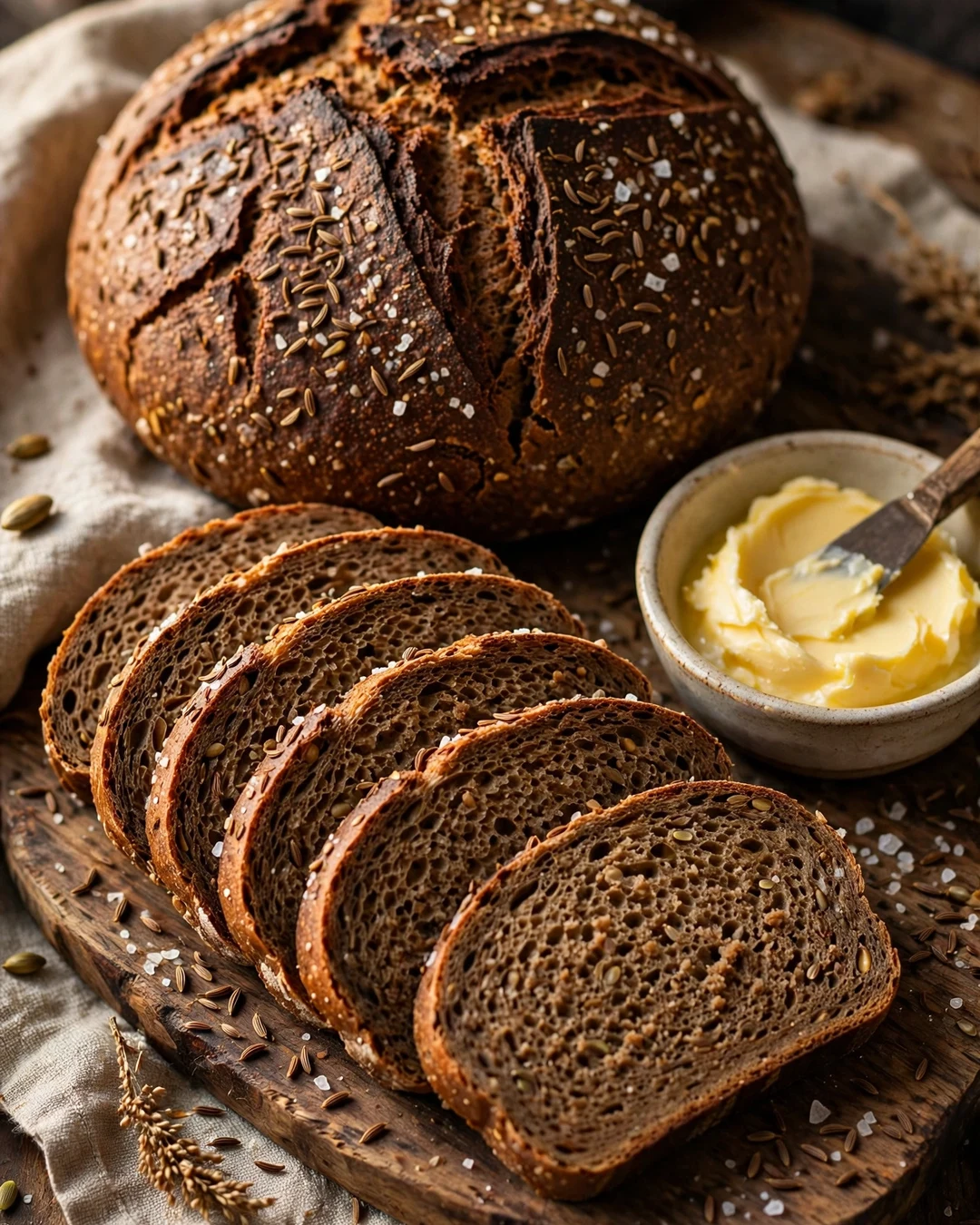
Rye brings a deep, slightly tangy flavor that white loaves cannot match, and a finish of coarse salt makes the dark crust sing. A spoonful of molasses rounds out the earthiness, and caraway seeds give it that classic deli style character people expect from a good rye.
Whisk 2 cups of bread flour with 1 and 1/2 cups of dark rye flour, 2 teaspoons of fine sea salt, 1 teaspoon of instant yeast, and 1 tablespoon of caraway seeds. Stir in 1 and 1/4 cups of warm water and 1 tablespoon of molasses, then mix just until a shaggy dough forms. Rest 20 minutes, knead briefly, rise for 1 and 1/2 hours, shape into a round, and proof 45 minutes. Bake in a Dutch oven at 450F for 30 minutes covered and 12 minutes uncovered, then scatter coarse salt over the hot crust.
Getting Rye Dough Right
Rye flour has less gluten than wheat, so the dough feels sticky and tears if you knead it hard. Mix it gently, shape with wet hands, and resist adding extra flour, which only makes the crumb dense. A longer, slower rise is where the flavor comes from, so give it time.
- Blend rye with bread flour for a loaf that slices well
- Shape with wet hands to beat the stickiness
- Do not over knead rye dough
- Scatter coarse salt on right after baking
Built for Hearty Sandwiches
This is the loaf for pastrami, corned beef, and sharp cheddar with mustard. If tangy, slow flavored breads are your favorite, the rye belongs on the same shelf as the loaves in these sourdough discard recipes, and a thick slice toasted with butter is hard to beat at breakfast.
Pro tip for a crackled rye crust: brush the shaped loaf lightly with water right before it goes into the Dutch oven, then scatter the coarse salt so it sticks to the damp surface. The water helps the crust blister and crisp, and the salt stays put instead of bouncing off onto the parchment as the loaf expands.
19. Salted Sweet Potato Bread
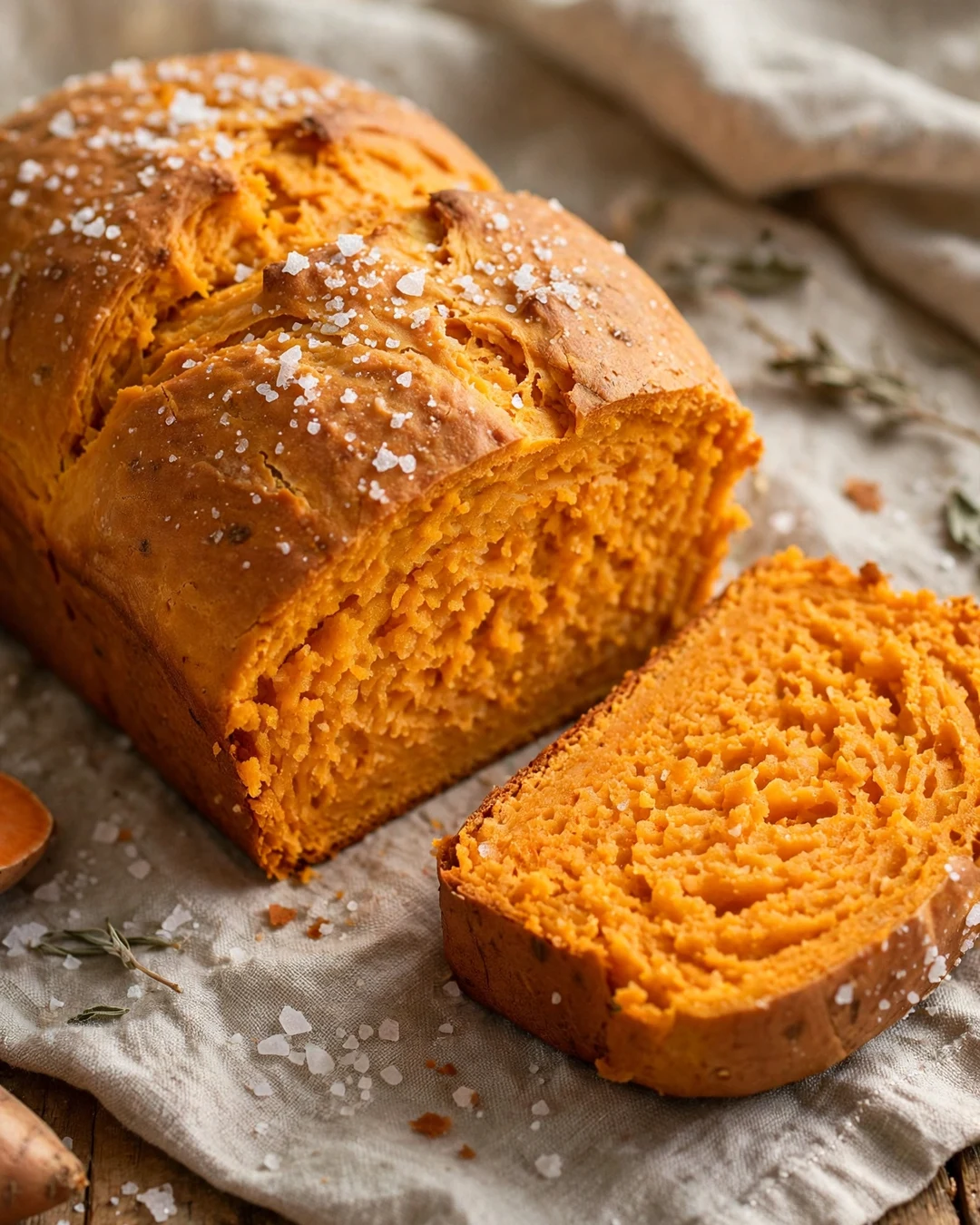
Roasted sweet potato turns this loaf a warm golden orange and keeps the crumb moist for days. The flavor is gently sweet, almost like a dinner roll crossed with a tea bread, and a finish of flaky salt on top makes that sweetness taste fuller and more interesting.
Mash 1 cup of roasted sweet potato and let it cool. Stir it with 3 and 1/2 cups of bread flour, 2 teaspoons of fine sea salt, 1 teaspoon of instant yeast, 1/2 teaspoon of cinnamon, 3/4 cup of warm milk, and 3 tablespoons of melted butter. Knead 8 minutes until soft and smooth. Rise 1 hour, shape into a greased loaf pan, proof 40 minutes, and bake at 350F for 35 to 40 minutes. Brush with butter and add flaky salt while warm.
Roast the Potato First
Roasting concentrates the sweetness and drives off water, which matters because a wet mash can leave the dough slack and gummy. Boiled or canned sweet potato works in a pinch, but drain it well and expect to hold back a little milk. The mash should be completely cool before it meets the yeast.
- Roast the sweet potato for the best flavor
- Cool the mash fully before mixing
- Hold back milk if the mash is wet
- Finish with butter and flaky salt while warm
Sweet Meets Salty
Serve thick slices with salted butter, or use them for French toast on the weekend. It sits happily next to the other soft, golden loaves in these banana bread recipes when you are stocking the counter for hungry kids and guests.
Pro tip: weigh your mashed sweet potato instead of scooping it, since a packed cup can hold far more than a loose one and throw the dough off. Aim for a soft, slightly tacky dough and add flour a spoonful at a time only if it sticks to everything. The loaf should feel springy, never stiff or dry.
20. Salted Parmesan Pull-Apart Bread

This is the bread that disappears first at any gathering. Soft dough balls are dipped in garlic butter, rolled in grated parmesan, and packed into a hot skillet, where they bake into one golden pull-apart loaf. Flaky salt over the bubbling top is the finish that makes people reach back for one more piece.
Make a simple dough from 3 and 1/2 cups of flour, 2 teaspoons of fine sea salt, 1 teaspoon of instant yeast, and 1 and 1/4 cups of warm water, then let it rise for 1 hour. Divide into 24 balls. Dip each ball in melted garlic butter, roll it in grated parmesan with a pinch of flaky salt, and pack the balls snugly into a cast iron skillet. Proof 30 minutes and bake at 375F for 25 to 30 minutes until deeply golden.
Cheese Bread Highlight
Salty, cheesy, and best served warm. This is the loaf that turns a plain bowl of soup into the meal everyone talks about.
Packing the Skillet
Snug is good, crushed is not. Leave a little breathing room between the balls so they can puff into each other as they bake. Tuck any extra garlic butter into the gaps before the pan goes in, and it will pool at the bottom and fry the base into a crisp, savory crust.
- Divide dough into even balls for even baking
- Dip in garlic butter before the cheese
- Pack snugly but leave room to puff
- Serve straight from the skillet
Party Ready
Set the hot skillet in the middle of the table with a bowl of warm marinara for dunking. It is a close cousin of the pull-apart bakes in these monkey bread recipes, only this one leans savory, cheesy, and unapologetically salty in the best way.
Pro tip for the best cheese pull: tuck a few small cubes of low moisture mozzarella between the dough balls along with the parmesan coating. The parmesan brings the salty, nutty crust, while the mozzarella melts into long, stretchy strands inside. Serve the skillet within ten minutes of baking, while the centers are still soft and steaming.
Salted Bread FAQs
What kind of salt is best for topping bread?
Flaky sea salt is the top choice for finishing because the thin crystals add crunch and a gentle salty burst without overwhelming the crumb. Coarse pretzel salt is best for pretzel style breads since it holds up in the heat. Fine salt belongs inside the dough, where it dissolves and seasons evenly.
How much salt should go into bread dough?
A good rule is about 2 percent of the flour weight, which works out to roughly 1 and 1/2 to 2 teaspoons of fine sea salt for 4 cups of flour. Too little and the bread tastes flat and rises too fast; too much can slow the yeast and make the crumb dense.
Can I swap table salt for kosher or sea salt?
Yes, but measure by weight if you can. Table salt is finer, so a teaspoon of it holds more salt than a teaspoon of flaky kosher salt. If you swap by volume, use about three quarters of the amount, and pick a salt without added iodine when possible for the cleanest flavor.
When do I add the finishing salt, before or after baking?
It depends on the bread. Focaccia and baguettes take their salt before baking so it sets into the crust. Soft rolls, knots, and sweet loaves take theirs right after baking, while butter or glaze is still wet and sticky. When in doubt, salt a warm, glossy surface.
How do I store homemade salted bread?
Keep loaves at room temperature in a paper bag or bread box for 1 to 2 days; plastic softens the salty crust. For longer storage, slice and freeze for up to 3 months, then toast slices or warm them at 350F until the crust crisps again.
Can I make these breads without a stand mixer?
Absolutely. Every dough in this list can be mixed in a bowl and kneaded by hand on a floured counter in 8 to 12 minutes. Wet doughs like focaccia barely need kneading at all; a few stretch and folds during the rise build all the strength they need.
Final Thought
From the first flaky sea salt loaf to the last honey butter slice, these salted bread recipes show how one humble ingredient can carry an entire bake. Keep a box of flaky salt by the stove, trust your dough, and do not be shy with that final sprinkle. Warm bread, good salt, and a table full of people you love: that is the whole recipe for a happy kitchen.