

28 Minestrone Soup Recipes
A pot of minestrone is the most forgiving, generous dinner in the Italian kitchen, and these 28 minestrone soup recipes prove just how far one humble soup can stretch. From the classic tomato and bean original to Tuscan pots with kale, spicy bowls with a slow burn, and creamy versions for the coldest nights, there is a bowl here for every season and every cook.
The beauty of minestrone is that it welcomes what you have: a handful of beans, the vegetables in the crisper, a heel of parmesan, a little pasta or rice. Build the base with patience, simmer until everything tastes like it belongs together, and finish with good olive oil. Pick your version and get the pot on.
Why You’ll Love These Minestrone Soup Recipes
- Every style covered: classic, Tuscan, sausage, chicken, vegan, creamy, and spicy
- Pantry friendly: beans, tomatoes, and pasta do the heavy lifting
- One pot meals that feed a crowd or stock the freezer for later
- Vegetable packed and flexible, so nothing in the crisper goes to waste
- Better the next day: the flavors deepen overnight in the fridge
1. Classic Italian Minestrone

This is the minestrone that started it all: a tomato rich broth loaded with kidney beans, ditalini pasta, carrots, celery, zucchini, and green beans, finished with a snowfall of parmesan. It is the bowl Italian grandmothers have ladled out for generations, and it still sets the standard every other version gets measured against.
Start by sweating onion, carrot, and celery in olive oil until sweet and soft, then add garlic, tomato paste, and diced tomatoes. Pour in the broth, add the beans and firmer vegetables first, and let everything simmer until the flavors marry. The pasta goes in near the end so it stays pleasantly firm, and a drizzle of good olive oil over each bowl is nonnegotiable.
Pro Tips
A parmesan rind simmered in the pot adds deep savory flavor without any extra seasoning. Season in layers, a little salt with the vegetables and a little more at the end, so the broth tastes seasoned all the way through rather than salty on top.
- Sweat the onion, carrot, and celery a full 8 minutes for a sweet base
- Add firmer vegetables before tender ones like zucchini
- Stir in a parmesan rind while the soup simmers
- Finish each bowl with olive oil and extra parmesan
Serving Suggestions
Crusty Italian bread is the classic partner for soaking up the last spoonfuls of broth. A simple green salad with lemon dressing keeps the meal bright, and a glass of Chianti turns a weeknight soup into a small celebration.
Leftovers keep beautifully for four days in the fridge and the flavor deepens overnight. Freeze a batch without the pasta, then cook fresh ditalini when you reheat it. One big pot on Sunday quietly solves lunch and dinner for half the week, which is exactly the kind of cooking that makes a home kitchen feel calm and well run.
2. Hearty Bean Minestrone

When beans are the main event, minestrone becomes a seriously filling meal. This version loads the pot with cannellini beans, kidney beans, and chickpeas, simmered with tomatoes and vegetables until the broth turns thick and stew like. One bowl genuinely eats like a full dinner.
The trick to a thick, creamy body without any cream is simple: mash about a cup of the cooked beans with a fork or blend a ladleful of soup and stir it back in. The starch from the beans gives the broth a velvety weight that makes every spoonful feel substantial. A pinch of smoked paprika adds a quiet depth behind the tomatoes.
Pro Tips
Rinse canned beans well so the broth stays clean tasting instead of starchy and dull. If you cook dried beans from scratch, save their cooking liquid and use it as part of the broth, because that liquid is full of flavor and body.
- Use three kinds of beans for varied texture
- Mash a cup of beans to thicken the broth naturally
- Reserve bean cooking liquid if using dried beans
- Add a pinch of smoked paprika for depth
Serving Suggestions
This bean forward bowl loves a thick slice of garlic toast and a handful of shaved parmesan. Bean lovers who also enjoy a good pot of chili will find the same cozy satisfaction in these best chili recipes for another night.
For a heartier twist, stir a handful of small pasta shells into the pot during the last ten minutes, or serve the soup ladled over a slice of toasted bread rubbed with garlic. A spoonful of basil pesto swirled on top at the table adds freshness that plays beautifully against the rich, tomatoey beans below.
Summer Rule
The lighter the broth, the brighter the bowl. Let ripe tomatoes and fresh vegetables carry a summer minestrone, keep the cooking short, and finish with basil and good olive oil. Heavy and long simmered is for winter.
3. Pasta Minestrone
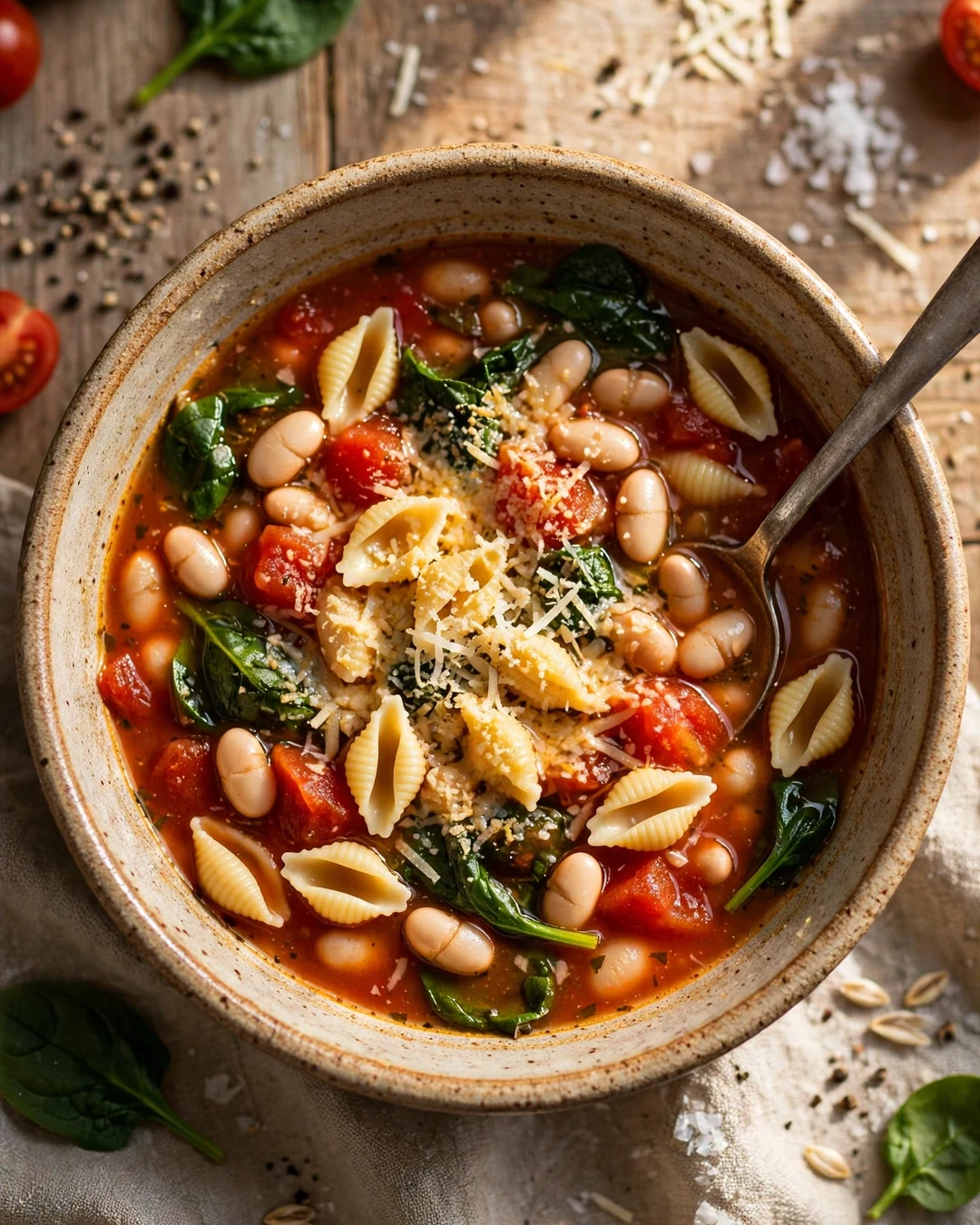
Pasta lovers, this is your minestrone. Small shells, ditalini, or tiny elbows cook right in the tomato vegetable broth, soaking up flavor with every minute and turning the soup into a slurp worthy bowl that kids especially adore. The pasta makes it feel like a hug in soup form.
Because the pasta cooks in the broth, timing matters. Add it when the vegetables are nearly tender, stir often so nothing sticks to the bottom, and pull the pot off the heat while the pasta is still a touch firm. It will keep softening in the hot broth as the soup rests, landing at the perfect texture by the time bowls reach the table.
Pro Tips
Small pasta shapes work best because they fit on a spoon with the beans and vegetables. If you plan to freeze the soup, leave the pasta out and cook it fresh when reheating, since frozen pasta turns mushy every single time.
- Choose small shapes like ditalini, shells, or elbows
- Stir often while the pasta cooks so it does not stick
- Pull the pot off the heat while pasta is still slightly firm
- Keep pasta separate for freezer batches
Serving Suggestions
A big handful of baby spinach stirred in at the end adds color and freshness. Serve with garlic bread for dunking. Pasta fans take note: these one-pot pasta recipes deliver the same kind of stovetop comfort on busier nights.
Make it a full Italian spread by starting with a simple chopped salad and ending with fruit and cheese. For a fun variation, swap the shells for cheese tortellini during the last few minutes of cooking. The little pockets of cheese turn an everyday soup into something the whole table talks about afterward.
4. Rice Minestrone

In parts of Italy, especially around Milan, minestrone is made with rice instead of pasta, and the result is wonderful. The rice slowly releases its starch as it simmers, giving the broth a gentle creaminess and a soothing, porridge like comfort that pasta versions never quite match.
Arborio rice is the traditional choice and it gives the silkiest result, though any short or medium grain rice works. Add the rice once the vegetables have softened in the broth, then simmer gently and stir now and then. The soup is ready when the grains are tender and the broth has turned lightly thick and glossy.
Pro Tips
Rice keeps absorbing liquid as it sits, so this soup thickens in the fridge. Thin leftovers with a splash of broth or water when reheating and nobody will know the difference. A knob of butter stirred in at the end leans into the Milanese style.
- Arborio rice gives the silkiest, creamiest broth
- Add rice after the vegetables have softened
- Stir occasionally so the rice does not settle and stick
- Thin leftovers with broth when reheating
Serving Suggestions
Serve with grated parmesan and a thread of olive oil, plus a crisp fennel and orange salad on the side for contrast. Warm focaccia makes an excellent partner for scooping up the thick, rice laden broth.
This is the version to make when someone in the house feels under the weather, because it is gentle, warm, and easy to eat. A squeeze of lemon over each bowl brightens the richness, and a sprinkle of chopped parsley keeps it looking fresh. Simple food, quietly doing its job.
5. Slow Cooker Minestrone

Minestrone was practically invented for the slow cooker. Load the crock in the morning with beans, tomatoes, broth, and sturdy vegetables, and come home to a house that smells like an Italian grandmother has been cooking all day, because in a sense, one has.
The method could not be simpler. Everything except the pasta, zucchini, and greens goes in at the start with the broth. Cook on low for 6 to 8 hours, then stir in the tender vegetables and pasta for the final 30 minutes so they stay bright and firm instead of turning to mush during the long cook.
Pro Tips
Resist lifting the lid during the long cook, since each peek lets out heat and adds cooking time. Dried beans work in the slow cooker if you soak them overnight first and give them the full cooking time in plenty of liquid.
- Add pasta and tender vegetables in the last 30 minutes only
- Keep the lid on during the long cook
- Soak dried beans overnight before slow cooking
- Season again at the end, since long cooking mutes salt
Serving Suggestions
Set the slow cooker on warm and let everyone serve themselves, topping their bowls with parmesan and a pinch of red pepper flakes. Garlic breadsticks on the side disappear fast with a crowd like this.
Doubling this recipe for a crowd costs almost nothing and freezes like a dream. Portion leftovers into single servings for grab and go lunches, leaving the pasta slightly undercooked so it reheats perfectly. It is the kind of quiet kitchen planning that makes busy weeks feel handled before they even start.
6. Instant Pot Minestrone
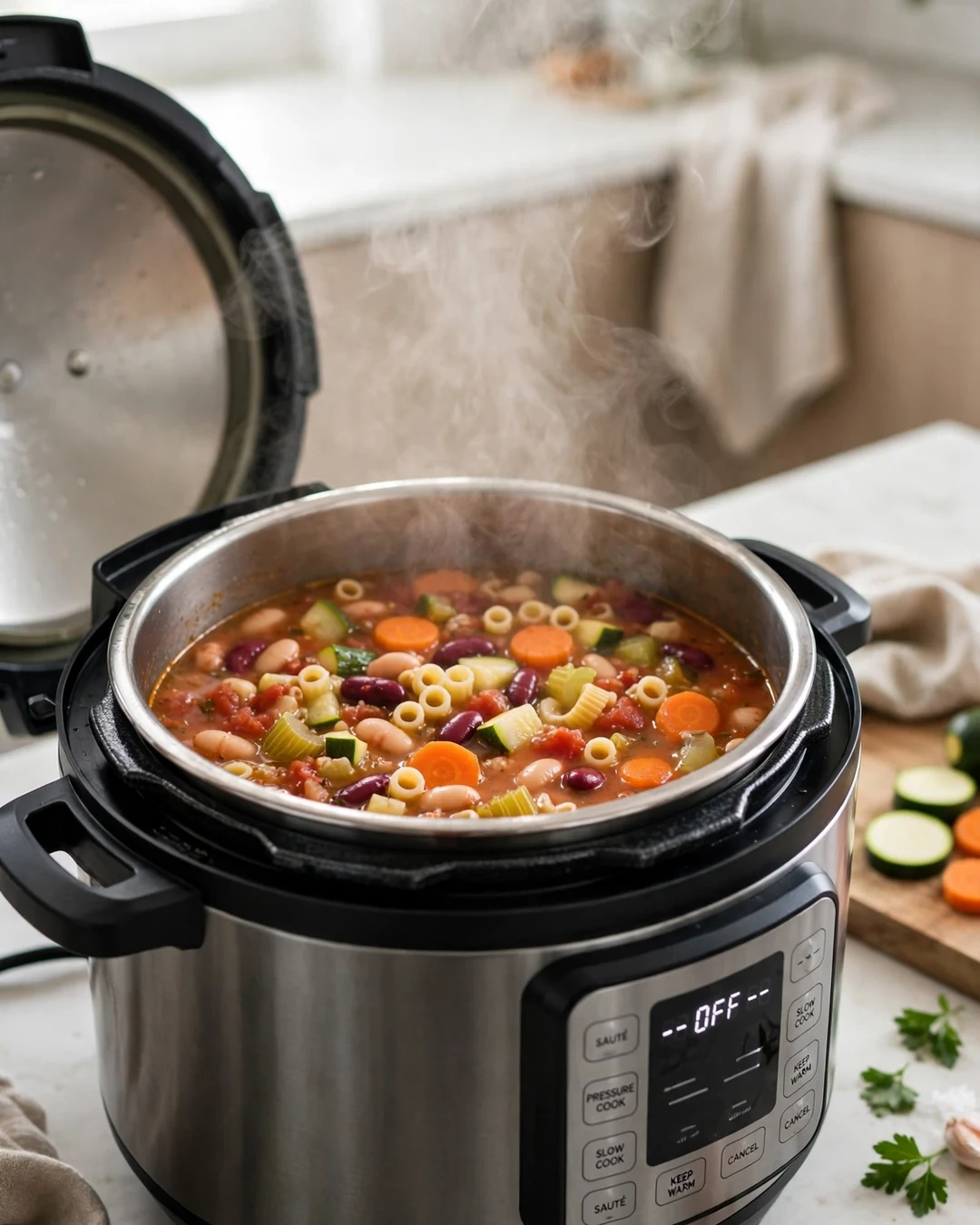
All the slow simmered flavor of a Sunday minestrone, ready on a Tuesday. The pressure cooker pulls deep flavor out of the vegetables and beans in a fraction of the time, making this the version for people who decide at five o clock that they want soup at six.
Saute the onion, carrot, celery, and garlic right in the pot first to build the base, then add tomatoes, broth, beans, and sturdy vegetables. The pasta cooks under pressure along with everything else, so use a sturdy small shape and a short cook time, then release the pressure promptly so nothing overcooks. Stir the greens in at the end and let the residual heat wilt them.
Pro Tips
Quick release is your friend here, because a long natural release keeps cooking the pasta and vegetables past their best. If the soup seems thin after cooking, simmer on saute mode for a few minutes with the lid off to concentrate it.
- Saute the aromatics in the pot first for real depth
- Use sturdy small pasta shapes that hold up to pressure
- Quick release the pressure to protect the pasta texture
- Wilt greens in the residual heat after cooking
Serving Suggestions
Serve with a shower of parmesan, a drizzle of olive oil, and warm rolls for dunking. A chopped Italian salad with red wine vinegar dressing adds the crunch this soft, comforting soup loves beside it.
Because it comes together so fast, this version is perfect for cooking with kids or grandkids on a weeknight. Let them choose the pasta shape and stir in the spinach at the end. Small jobs in the kitchen turn into big memories, and the soup tastes even better for the company.
7. Tuscan Style Minestrone

Tuscan minestrone leans on cannellini beans, dark leafy kale, and a slice of toasted country bread, either tucked into the bottom of the bowl or rubbed with garlic and floated on top. It is peasant cooking at its most dignified: humble ingredients, treated with patience and respect.
The bread is not a garnish here, it is part of the dish. As it soaks in the hot broth it thickens the soup and turns silky, somewhere between soup and stew. Use a robust kale or cavolo nero if you can find it, stems removed and leaves torn, and give it enough simmering time to become tender and sweet.
Pro Tips
Toast the bread until it is properly crisp, since soft bread disintegrates into paste. Rub the hot toast with a cut clove of garlic before it goes in the bowl for a gentle garlic perfume that carries through the whole dish.
- Cannellini beans and kale are the Tuscan signature pairing
- Toast the bread crisp so it thickens without dissolving
- Rub toast with raw garlic for gentle perfume
- Remove kale stems and tear the leaves into bite size pieces
Serving Suggestions
A drizzle of your best peppery olive oil is the traditional finish, and it matters here. This rustic bowl sits happily beside hearty Italian dinners, and on pasta night these lasagna recipes make a fine main to follow it.
Leftovers of the Tuscan version are famously even better the next day, when the bread has fully melted into the broth and the soup sets almost like a soft stew. Reheat gently with a splash of water, top with fresh toast this time, and lunch is quietly the best meal of the day.
8. Rich Tomato Minestrone

For tomato lovers, this version doubles down. Tomato paste caramelized in olive oil, a full can of crushed tomatoes, and a splash of the tomato juices build a broth so deep and red it practically glows. The vegetables and beans are there in force, but the tomato is unmistakably the star.
The key move happens early: cook the tomato paste with the aromatics until it darkens to a brick red and smells sweet. That caramelization removes the tinny edge and builds the rich, slow cooked flavor that defines this soup. A pinch of sugar balances the acidity if your tomatoes run sharp.
Pro Tips
Fire roasted crushed tomatoes add a subtle smokiness that suits this version beautifully. Let the soup rest ten minutes off the heat before serving, since the broth thickens and the flavors settle into each other.
- Caramelize tomato paste until brick red and sweet smelling
- Fire roasted tomatoes add gentle smokiness
- Balance sharp tomatoes with a pinch of sugar
- Rest the soup 10 minutes before serving
Serving Suggestions
Tear fresh basil over each bowl and add plenty of parmesan. Grilled cheese sandwiches turn this into the coziest lunch imaginable. Tomato devotees should also browse these spaghetti recipes for more red sauce comfort.
Stir a spoonful of mascarpone or a swirl of cream into individual bowls for a tomato soup richness that feels downright luxurious. Or keep it rustic with a fried egg on top and plenty of black pepper. Either way, have extra bread ready, because nobody leaves broth behind in a bowl like this.
9. Pesto Swirl Minestrone

A spoonful of basil pesto stirred into hot minestrone at the table is one of the great simple pleasures of Italian cooking, borrowed from the French soupe au pistou. The heat of the soup blooms the basil, garlic, and parmesan in the pesto, and the whole bowl suddenly tastes like summer.
Keep the soup itself classic and clean: beans, vegetables, and small pasta in a golden broth without heavy tomato, so the pesto has room to shine. Put a generous spoonful in the bottom of each bowl or swirl it over the top, and let each person stir it in themselves. The broth turns a beautiful green flecked gold as they do.
Pro Tips
Never boil the soup after the pesto goes in, since high heat dulls the basil and turns it dark. Homemade pesto is wonderful here, but a good jarred one works honestly well, which makes this a very weeknight friendly bowl.
- Add pesto at serving time, never during cooking
- Keep the base broth light so the pesto shines
- Let everyone stir in their own spoonful at the table
- Extra parmesan in the pesto boosts the savory finish
Serving Suggestions
Serve with focaccia and a tomato cucumber salad. A few extra basil leaves torn over the top make the bowls look as fresh as they taste, and a crisp white wine alongside completes the summer mood.
No basil on hand? A spinach and walnut pesto or even a sun dried tomato pesto makes a lovely variation with its own character. The principle stays the same: a fresh, punchy sauce meeting a gentle soup at the last moment. Keep a jar of pesto in the fridge and this rescue dinner is always fifteen minutes away.
10. Sausage Minestrone

A little Italian sausage transforms minestrone into a meat lover’s dinner. Browned sausage brings fennel, garlic, and rich porky flavor to the whole pot, and its seasoned drippings become the foundation the vegetables cook in. Nothing bland survives contact with this version.
Use sweet or hot Italian sausage depending on your crowd. Brown it well and break it into rustic chunks, then cook the onion, carrot, and celery in the drippings before building the soup as usual. Kale or spinach stirred in at the end stands up nicely to the sausage and keeps the bowl balanced.
Pro Tips
Browning the sausage properly is where the flavor lives, so give it time and do not crowd the pan. If the sausage is in casings, squeeze the meat out in rough chunks for the most rustic, satisfying result.
- Brown sausage in batches for deep color
- Cook the vegetables in the sausage drippings
- Hot sausage plus red pepper flakes for heat lovers
- Sturdy greens like kale balance the richness
Serving Suggestions
This hearty bowl needs little more than crusty bread and a big green salad. A sprinkle of parmesan over the top ties the sausage and tomato together, and a cold beer alongside makes it a proper Friday night dinner.
For a Sunday supper upgrade, serve the sausage minestrone as a first course in smaller bowls before a roast chicken dinner. Or ladle it over a scoop of soft polenta in wide bowls for a stick to your ribs presentation. The sausage guarantees that nobody at the table asks what else is for dinner.
Vegan Minestrone Do and Do Not
Do build flavor slowly with caramelized vegetables and tomato paste. Do finish with good olive oil and fresh herbs. Do not rely on watery vegetable broth alone, and do not skip the beans, since they carry the protein and the body of the soup.
11. Chicken Minestrone

Chicken minestrone takes everything gentle and restorative about chicken soup and gives it Italian soul: white beans, zucchini, tomatoes, and small pasta in a golden broth with tender shreds of chicken. It is the bowl to make when the house needs feeding and cheering at the same time.
Poach boneless chicken thighs or breasts right in the broth so the soup gains flavor and the chicken stays tender, then shred it back into the pot. A rotisserie chicken works as a fine shortcut on busy nights; just add the shredded meat near the end so it warms through without overcooking.
Pro Tips
Thighs stay juicier than breasts after simmering, so choose them when you can. A squeeze of lemon over each bowl at the end lifts the whole pot and makes the chicken flavor taste cleaner and brighter.
- Chicken thighs stay tender through the simmer
- Poach the chicken in the broth for extra flavor
- Rotisserie chicken is a fair weeknight shortcut
- Finish with lemon juice and fresh herbs
Serving Suggestions
Serve with garlic bread and a simple salad. Poultry soup fans who also love a creamy bowl will enjoy white chicken chili on the next chilly evening, since it scratches the same comforting itch.
Bean Guide for Minestrone
| Bean | Texture | Best For |
|---|---|---|
| Cannellini | Creamy, tender | Tuscan style and classic pots |
| Kidney | Firm, hearty | Tomato rich and bean heavy versions |
| Chickpeas | Nutty, firm | Long simmers and slow cooker batches |
| Borlotti | Rich, melting | Traditional Italian pots |
Stir a handful of baby spinach and a spoonful of pesto into each bowl for a green, fresh finish. Or add a beaten egg with parmesan in the Italian stracciatella style for silky ribbons through the broth. This flexible soup welcomes improvisation, so use the vegetables you have and make it your own.
12. Turkey Minestrone

Every holiday turkey deserves a second act, and this soup is a glorious one. Leftover roasted turkey, diced or shredded, joins beans, vegetables, and pasta in a savory broth that tastes nothing like leftovers. It might honestly be the best reason to roast a big bird.
If you have the turkey carcass, simmer it into a quick homemade stock first and the soup will taste extraordinary. Otherwise good boxed broth and the flavorful roasted meat carry the day. Add the turkey near the end of cooking, since it is already cooked and only needs to warm through and share its flavor with the broth.
Pro Tips
Dark meat holds up best in soup, staying moist and flavorful. A bay leaf and a sprig of thyme in the pot echo the holiday roasting flavors and make the whole soup taste intentional rather than improvised.
- Homemade stock from the carcass makes it extraordinary
- Add cooked turkey near the end so it stays tender
- Dark meat gives the richest flavor in soup
- Bay leaf and thyme echo the roast dinner
Serving Suggestions
Leftover cranberry sauce on the side is a surprisingly happy partner, sweet against the savory broth. Warm dinner rolls or leftover stuffing turned into croutons on top complete the holiday encore.
No holiday required: ground turkey browned at the start makes a fine everyday version of this soup any week of the year. Add a pinch of sage to nod at the roast dinner original. Freeze a batch in November and future you, tired of cooking in December, will be deeply grateful.
13. Vegetarian Minestrone
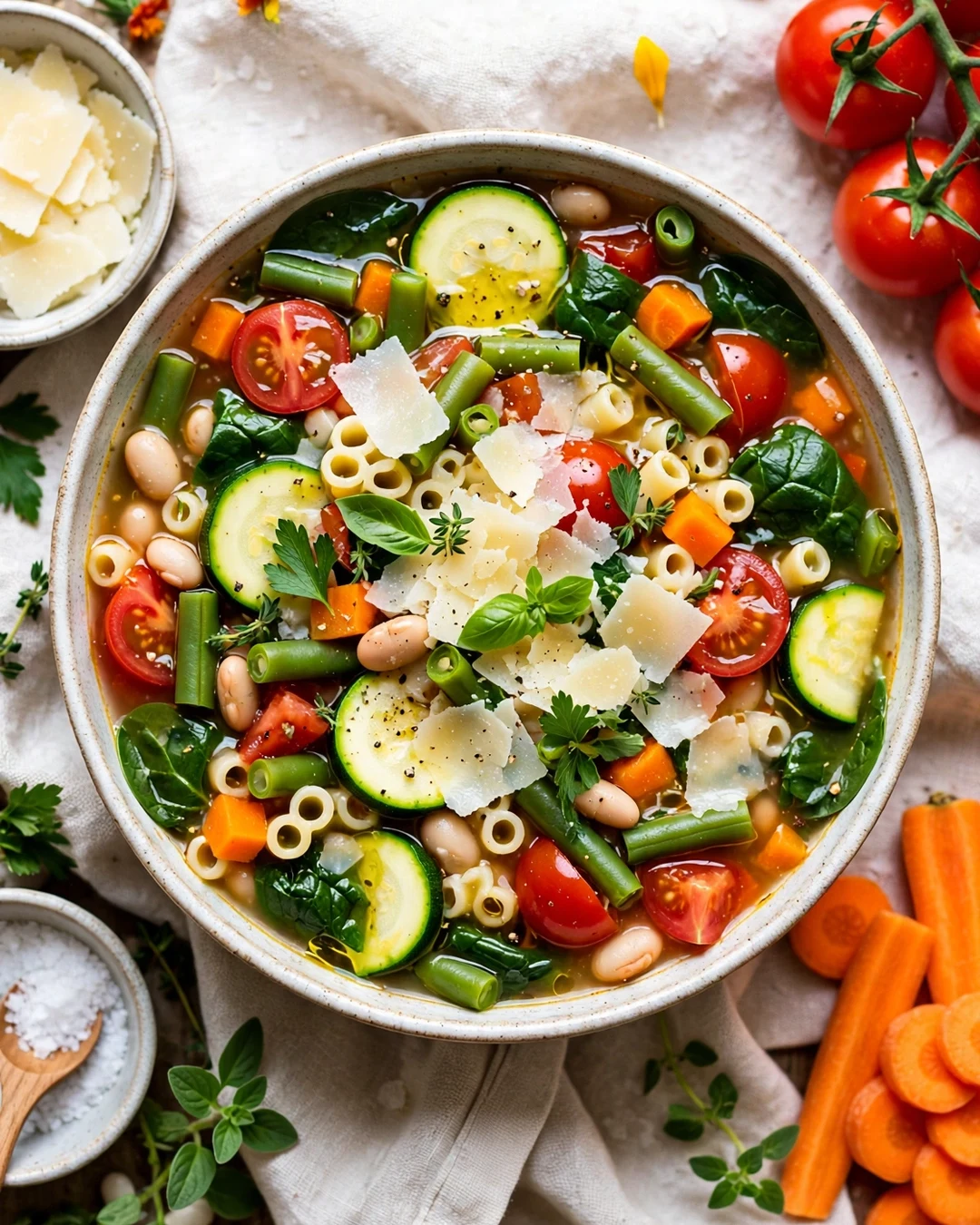
Minestrone was vegetarian long before it was fashionable, built on beans, vegetables, and olive oil with parmesan as the finishing touch. This version makes the most of the garden: zucchini, green beans, carrots, tomatoes, spinach, and white beans in a broth so flavorful nobody asks where the meat went.
The secret to a vegetarian broth with real depth is patience at the start. Cook the onion, carrot, and celery slowly until they are sweet and golden at the edges, add tomato paste and let it darken, and simmer a parmesan rind in the pot if you eat cheese. Those three moves build the savory backbone that makes the soup taste complete.
Pro Tips
A teaspoon of soy sauce or a spoonful of miso paste stirred in at the end adds quiet depth that reads as richness, not as any specific flavor. Nobody will guess the trick, and the broth will taste like it simmered all day.
- Golden, slow cooked vegetables build the base
- A parmesan rind adds savory depth while simmering
- Miso or soy sauce deepens the broth invisibly
- Load up on vegetables in different colors and textures
Serving Suggestions
Serve with shaved parmesan, olive oil, and grilled bread. Garden soup lovers will find more inspiration in these vegetable soup recipes, which follow the same produce first philosophy.
Toss in whatever the garden or market gives you: peas in spring, corn in summer, squash in fall. The formula holds through every season, which is why this soup never leaves the rotation. A soft boiled egg on top makes it a complete light dinner, and leftover bowls pack happily for lunch all week.
14. Vegan Minestrone
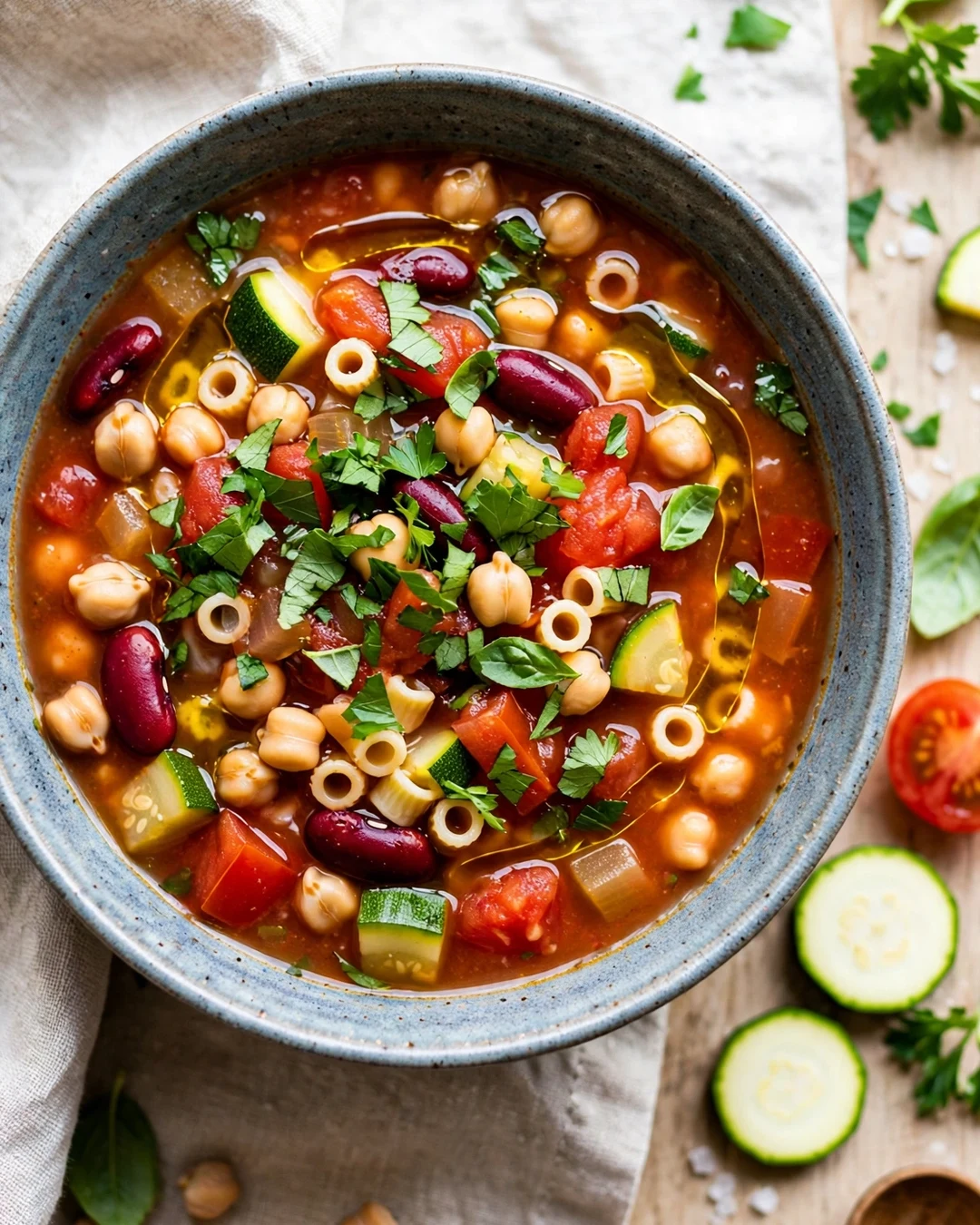
This fully plant based minestrone loses nothing. Beans bring the protein and body, vegetables bring sweetness and color, and a few smart finishing touches bring the savory depth that cheese usually provides. It is hearty, bright, and genuinely satisfying for everyone at the table.
The finishing touches matter most. A spoonful of nutritional yeast stirred in at the end adds a gentle cheesy savoriness, and a swirl of basil pesto made without cheese keeps the fresh herbal note. Good olive oil, added generously at the table, gives the richness that makes a vegan soup feel complete rather than stripped down.
Pro Tips
White miso paste is a quiet hero here, dissolving into the broth with mellow depth. Smoked paprika adds a hint of the savoriness that cured meat would bring in other versions, without anything animal derived.
- Nutritional yeast adds gentle cheesy savoriness
- White miso deepens the broth without dairy
- Smoked paprika hints at savory richness
- Finish generously with good olive oil
Serving Suggestions
Serve with garlic rubbed toast and a chopped salad with a sharp vinaigrette. A sprinkle of toasted pumpkin seeds on top adds crunch and makes the bowls look as good as they taste.
Slow Cooker Game Plan
Morning: beans, tomatoes, broth, onion, carrot, celery, and potatoes go in on low. Final 30 minutes: stir in zucchini, pasta, and greens. At the table: parmesan, olive oil, and crusty bread. That is the whole job, and dinner handles itself.
Double the batch whenever you make it, because this soup freezes beautifully and the flavors improve after a day in the fridge. Portion it with cooked pasta stored separately for easy lunches. Plant based cooking this satisfying converts skeptics quietly, one warm bowl at a time, all winter long.
15. Gluten Free Minestrone with Rice

Nobody at the table should have to miss out on minestrone, and with rice standing in for the pasta, nobody does. The rice drinks up the tomatoey broth, turns silky, and gives the soup the same cozy, spoon coating comfort as the classic, entirely without gluten.
Use a sturdy rice that holds its shape, such as long grain or arborio, and add it once the vegetables have softened so everything finishes together. Gluten free small pasta shapes also work if rice is not your preference, though they vary in quality, so cook them separately and add them to bowls at serving time for the most reliable texture.
Pro Tips
Check your broth label, since some brands hide gluten in flavorings. Everything else in the pot is naturally gluten free, so with a safe broth and the rice swap, the soup is ready for everyone without any special fuss.
- Rice replaces pasta with no loss of comfort
- Arborio gives a silky, broth coating texture
- Verify the broth is certified gluten free
- Cook gluten free pasta separately if you use it
Serving Suggestions
Serve with parmesan, olive oil, and warm gluten free bread or a side of polenta cakes for dunking. A crisp green salad keeps the meal feeling light and complete for every guest at the table.
Because rice thickens the soup as it rests, plan on loosening leftovers with a little water or broth when reheating. The flavor stays bright and the texture returns to silky. Make a double batch when gluten free friends visit, and send them home with a jar, because good soup is a love language.
16. White Bean and Kale Minestrone

Creamy cannellini beans and sturdy kale are one of the great soup partnerships. The beans melt slightly into the broth and make it rich, the kale turns silky and sweet with simmering, and together they carry a pot of minestrone with very little help from anything else.
Strip the kale leaves from their tough stems, tear them into bite size pieces, and give them a good 15 minutes in the simmering soup so they relax completely. Mash a portion of the beans at the end for body. A pinch of red pepper flakes and a squeeze of lemon at the table wake the whole bowl up.
Pro Tips
Lacinato kale, the dark Tuscan kind, has the best texture for soup and a sweeter flavor than curly kale. If your kale is mature and sturdy, a tiny pinch of baking soda in the pot helps it soften, though it is rarely needed.
- Lacinato kale is sweetest and most tender in soup
- Remove stems and tear leaves into small pieces
- Simmer kale a full 15 minutes until silky
- Lemon and red pepper flakes finish it brightly
Serving Suggestions
Garlic toast and a generous grating of pecorino make this a complete dinner. The beans and greens also pair happily with a simple tomato salad in summer or roasted squash wedges in the colder months.
Stir a soft poached egg into each bowl for extra protein and a golden, sauce like richness. Or blend half the beans with a ladle of broth and stir it back for a creamier base. This is weeknight cooking at its most nourishing, ready fast and gone even faster.
17. Spring Vegetable Minestrone

When the first spring vegetables arrive, minestrone turns light and green. Peas, asparagus, zucchini, and tender herbs in a clear golden broth taste like the season itself, fresh and hopeful after a winter of heavy pots. Keep the cooking gentle and brief to protect the color.
The method shifts here: build a simple, clean broth with onion, carrot, and a little celery, then add the spring vegetables in stages, slowest first. Peas and herbs go in during the final minutes so they stay bright green and sweet. Small pasta or a handful of rice can join, but keep them modest so the vegetables lead.
Pro Tips
A handful of fresh herbs, parsley, basil, chives, or mint, stirred in off the heat makes this soup taste alive. A spoonful of pesto per bowl is also lovely in spring, echoing the famous Ligurian version of this soup.
- Add spring vegetables in stages, tender ones last
- Keep simmering gentle to protect the green color
- Fresh soft herbs go in off the heat
- A light hand with pasta lets the vegetables lead
Serving Suggestions
Serve with lemon wedges, shaved parmesan, and buttered toast. This is the minestrone for an Easter lunch or the first patio dinner of the year, especially with a crisp salad of shaved fennel alongside.
For a pretty finish, float a few edible flowers or a swirl of herb oil over each bowl. Leftovers should be eaten within a day or two, since spring vegetables lose their bright charm with long storage. Cook this one in the moment, invite someone over, and celebrate the season properly.
18. Autumn Squash Minestrone

When the air turns cool, minestrone puts on its autumn colors. Cubes of butternut squash simmer until sweet and tender, white beans add creaminess, and fresh sage brings the woodsy perfume that makes the whole pot taste like October in the best possible way.
Cut the squash into even, bite size cubes so it cooks at the same pace as the other vegetables, and add it early enough to become properly tender. The edges of the squash melt slightly into the broth, tinting it gold and adding a gentle sweetness that tomatoes and beans balance beautifully. A little nutmeg, just a whisper, deepens the fall mood.
Pro Tips
Roasting the squash cubes before adding them gives caramelized edges and deeper flavor, worth the extra pan on a lazy weekend. Fresh sage leaves crisped in butter and floated on top make a restaurant worthy finish for almost no effort.
- Even squash cubes cook tender at the same rate
- Roasted squash adds caramelized depth
- Fresh sage is the signature autumn herb here
- A whisper of nutmeg deepens the fall flavor
Serving Suggestions
Serve with toasted pumpkin seeds scattered over the top for crunch and a wedge of aged cheddar on the side. Warm apple cider or a glass of dry white wine both sit happily next to this golden bowl.
Swap in acorn squash, delicata, or even sweet potato depending on what the market offers, since the method stays exactly the same. This soup also makes a kind first course for a holiday meal, served in small cups before the main event. Cozy, golden, and generous, just like the season.
19. Zucchini Summer Minestrone
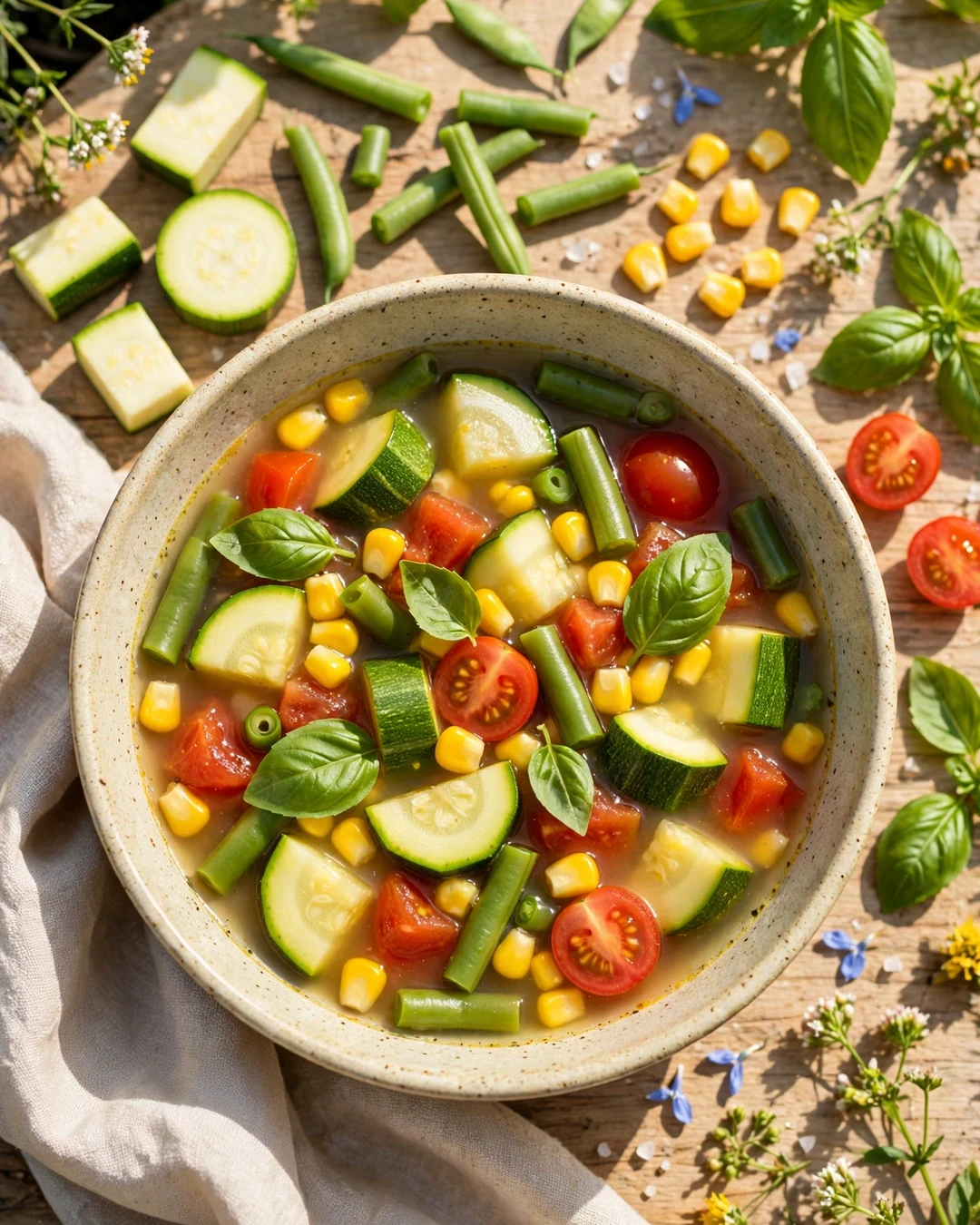
Every gardener knows the August zucchini problem, and this soup is the delicious solution. Zucchini, sweet corn, green beans, and ripe tomatoes simmer into a light summer minestrone that uses up the harvest and tastes like sunshine in a bowl.
Summer vegetables cook fast, so this version comes together in about half an hour. Keep the zucchini in chunky pieces and add it late so it stays tender rather than collapsing. Fresh corn cut from the cob adds pops of sweetness, and a handful of basil at the end is basically mandatory.
Pro Tips
Salt the zucchini lightly and let it sit for 15 minutes before cooking if it is very watery, which concentrates its flavor. A parmesan rind in the pot still works in summer and adds savoriness without heaviness.
- Chunky zucchini added late keeps its texture
- Fresh corn brings natural summer sweetness
- Short cooking protects the garden flavors
- Basil and olive oil are the essential finish
Serving Suggestions
Serve warm or at room temperature with grilled bread rubbed with tomato. A big platter of sliced tomatoes with mozzarella turns this light soup into a full summer supper nobody will forget.
Blend a cup of the soup and stir it back in if you like a slightly thicker bowl, or leave it brothy and bright. Either way, this is the recipe to hand to neighbors along with the extra zucchini from your garden. They will thank you twice, once for each gift.
20. Cabbage Minestrone

Cabbage is minestrone’s quiet workhorse: cheap, sturdy, and surprisingly sweet once it simmers. Ribbons of green or savoy cabbage melt into the tomato broth with beans and carrots, making a pot of soup that feeds a crowd for very little money and tastes like it cost far more.
Slice the cabbage into ribbons and add it with the other sturdy vegetables, giving it a full 25 to 30 minutes to turn silky and sweet. Any raw cabbage sharpness cooks away completely, leaving only mellow flavor. Potatoes are a traditional partner here and make the soup even more filling on cold nights.
Pro Tips
Savoy cabbage has tender, crinkled leaves that melt beautifully into soup, though plain green cabbage works fine. A splash of red wine vinegar at the end brightens the whole pot and balances the cabbage’s gentle sweetness.
Cook the Pasta Separately
For the best leftovers, cook the ditalini in a separate pot and add a spoonful to each bowl as you serve. Pasta left sitting in soup keeps drinking broth and turns soft, while pasta stored on its own stays firm for days.
- Savoy cabbage melts into the silkiest ribbons
- Give cabbage a full 25 minutes to turn sweet
- Potatoes make it extra hearty for cold nights
- A splash of vinegar at the end adds brightness
Serving Suggestions
Serve with rye bread or crusty rolls and a knob of butter melting over each bowl in the old country style. A simple cucumber salad with dill adds a cool, crunchy contrast on the side.
This is the soup for stretching a grocery budget without anyone feeling shortchanged. It reheats wonderfully, tastes better on day two, and freezes without complaint. Double batches make sense here. Keep cabbage on your winter shopping list and a pot like this is always within reach.
21. Quinoa Minestrone
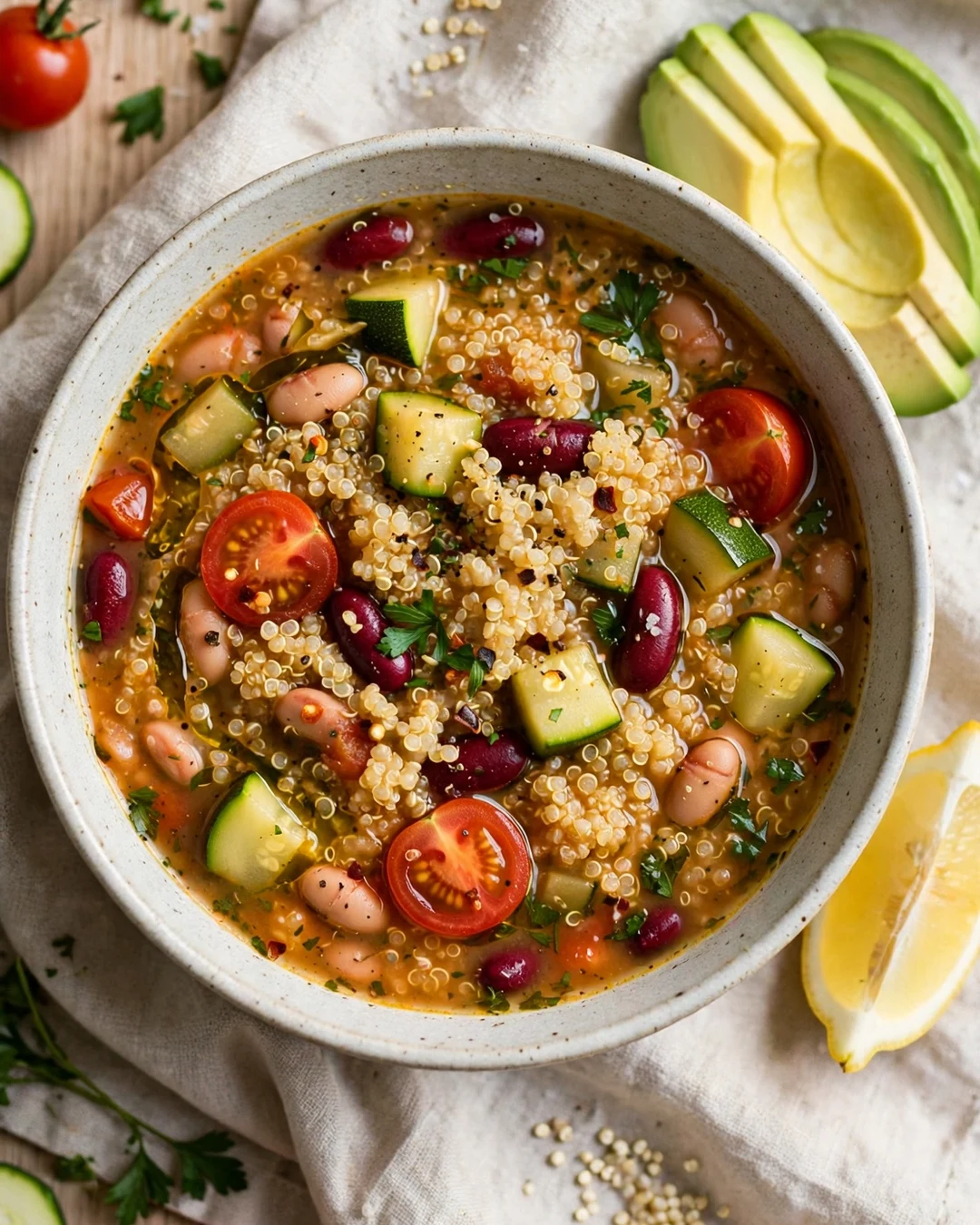
Quinoa brings a modern, protein rich twist to minestrone. The tiny grains cook right in the broth, adding body, a pleasant pop of texture, and enough protein to make the soup a complete meal all on its own. It is a smart swap for pasta or rice on any night.
Rinse the quinoa well before it goes in, since its natural coating can taste bitter, then add it once the vegetables have softened and let it simmer about 15 minutes until the spirals bloom and the grains turn tender. Quinoa keeps absorbing broth as it sits, so serve this version promptly or plan to loosen leftovers with extra liquid.
Pro Tips
Tri color quinoa looks beautiful in the bowl and cooks at the same rate as white quinoa. Because quinoa and beans both bring protein, this soup satisfies even committed meat eaters without any special pleading.
- Rinse quinoa well to remove its bitter coating
- Add quinoa after the vegetables soften
- Simmer about 15 minutes until the spirals bloom
- Loosen leftovers with broth when reheating
Serving Suggestions
Top with avocado slices, a drizzle of olive oil, and a squeeze of lemon for a fresh, modern finish. Warm flatbread or garlic toast on the side keeps the minestrone tradition alive in a new form.
For meal prep, cook the quinoa separately and stir a scoop into each bowl as you serve, which keeps the texture perfect for days. A spoonful of romesco or pesto on top adds a Spanish or Italian accent depending on your mood. Flexible, nourishing, and weeknight fast.
22. Lentil Minestrone
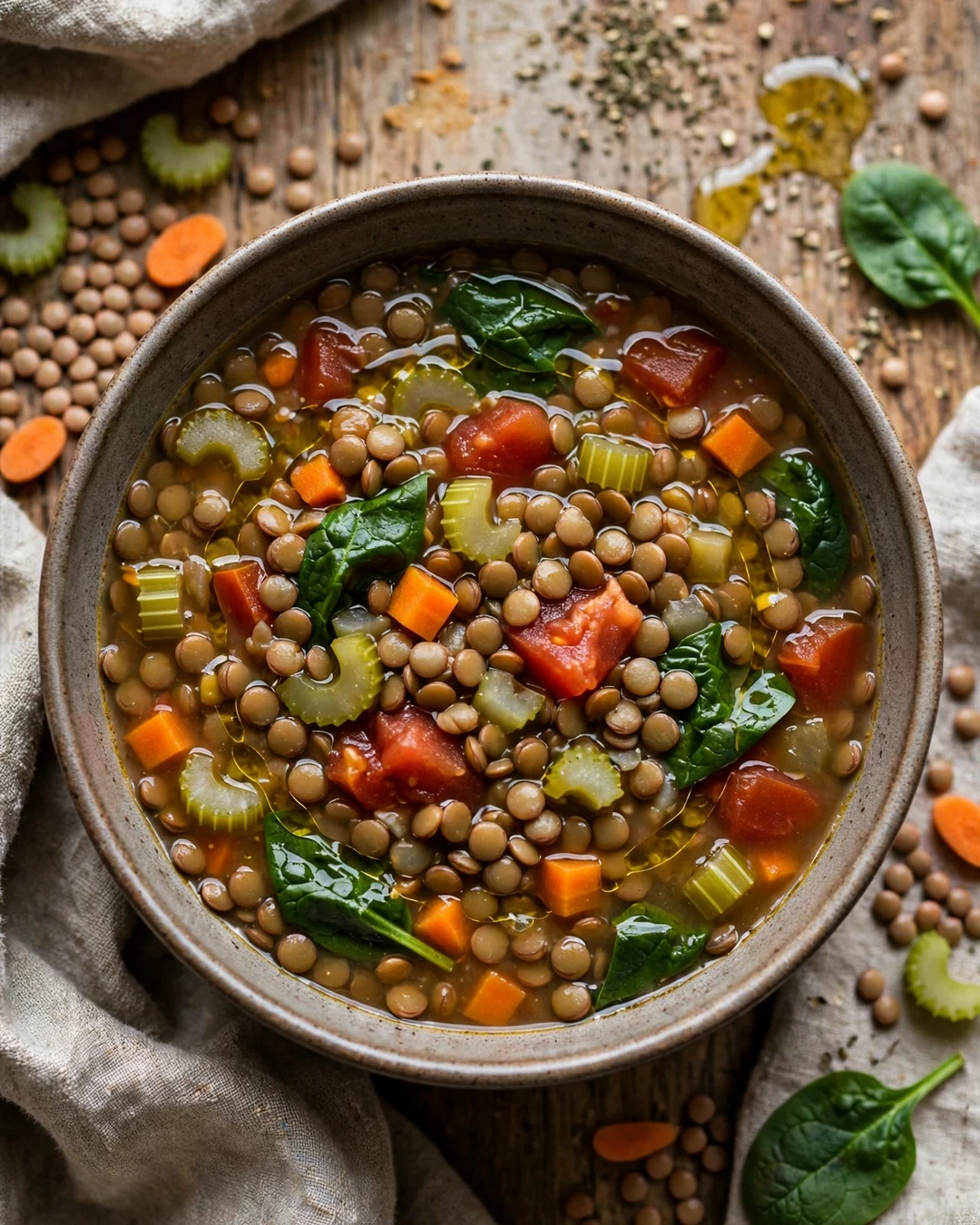
Lentils make minestrone earthy, hearty, and wonderfully weeknight friendly, since they cook from dry in the same pot with no soaking and no fuss. Brown or green lentils hold their shape while thickening the broth, giving every spoonful real substance.
Add rinsed lentils with the broth and sturdy vegetables, then simmer 25 to 30 minutes until they are tender but not falling apart. Red lentils are not the right choice here because they dissolve completely; save those for pureed soups. Finish with spinach or kale stirred in at the end and a squeeze of lemon to lift the earthiness.
Pro Tips
A bay leaf and a pinch of cumin in the pot deepen the lentils’ natural earthiness in a way that feels traditional and right. The soup thickens as it stands, so add broth when reheating to bring it back to a spoonable soup.
- Brown or green lentils hold their shape best
- No soaking needed; they cook in the pot
- Bay leaf and cumin deepen the earthy flavor
- Finish with lemon to brighten the lentils
Serving Suggestions
Serve with a swirl of olive oil, crumbled feta if you like, and warm pita or crusty bread. A chopped salad with red onion and cucumber adds the fresh crunch this earthy bowl appreciates.
Stir a spoonful of harissa or chili crisp into individual bowls for a gentle heat that suits the lentils beautifully. Leftovers pack into thermoses for lunches that actually keep you full until dinner. Few soups deliver this much nourishment for this little money or effort.
23. Spicy Minestrone
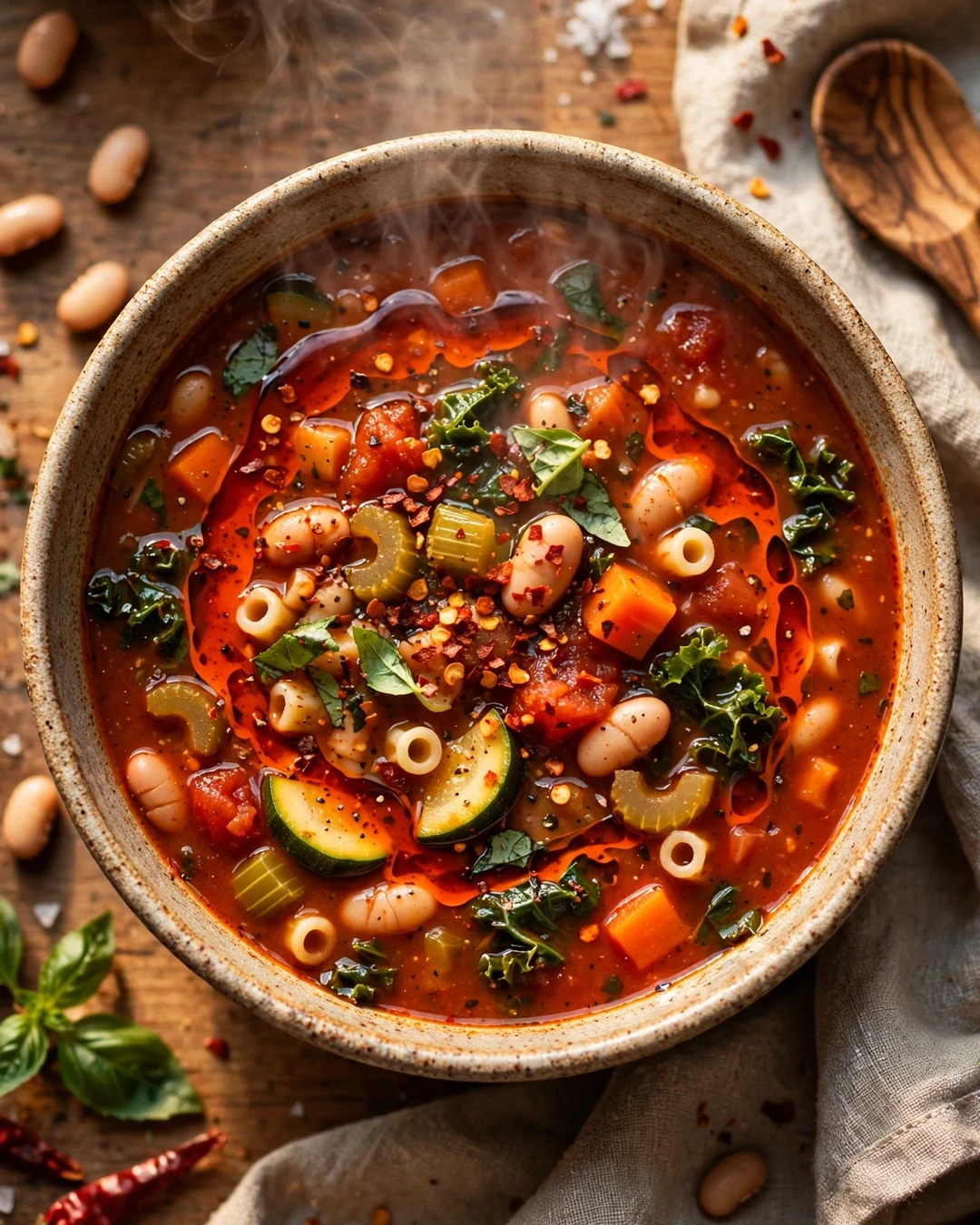
Minestrone with a backbone of heat is a beautiful thing. Red pepper flakes bloomed in olive oil, a diced jalapeno, and a spoonful of Calabrian chili paste give this pot a slow, warming fire that builds bowl by bowl without ever bullying the vegetables and beans.
Build the heat in layers so it tastes round rather than sharp. Bloom the flakes in the oil at the start, let the jalapeno cook with the aromatics, and keep the chili paste for the end so its fruity heat stays vivid. Everyone can then adjust their own bowl with extra flakes or a drizzle of chili oil at the table.
Pro Tips
Heat mellows as soup sits, so day old spicy minestrone often tastes perfectly balanced. If you overshoot, a spoonful of cream or a dollop of ricotta in the bowl tames the fire gracefully without changing the soup itself.
Freezer Steps
1. Cook the soup without pasta. 2. Cool quickly in shallow containers. 3. Portion into freezer containers with headspace. 4. Label with the name and date. 5. Freeze up to 3 months. 6. Thaw overnight, reheat gently, and add fresh cooked pasta to each bowl.
- Bloom pepper flakes in oil for round, deep heat
- Layer fresh, dried, and paste chiles for complexity
- Keep extra heat at the table for personal bowls
- Dairy in the bowl tames an over hot pot
Serving Suggestions
Cooling sides help: a cucumber salad, plain yogurt for dolloping, and plenty of bread. On a game day spread, this spicy pot sits well next to these cornbread recipes, since sweet cornbread and fiery soup are old friends.
Kale Checklist
Stems removed and leaves torn small. Washed well, since kale hides grit. Simmered a full 15 minutes until silky. Finished with lemon and olive oil. Follow those four steps and kale turns sweet, tender, and completely free of any toughness.
Add spicy Italian sausage to this version and you have a bowl with real swagger. Or keep it vegetable based and let the chiles do all the talking. Either way, keep cold drinks close and let people go back for seconds at their own pace. Warmth in every sense.
24. Creamy Minestrone
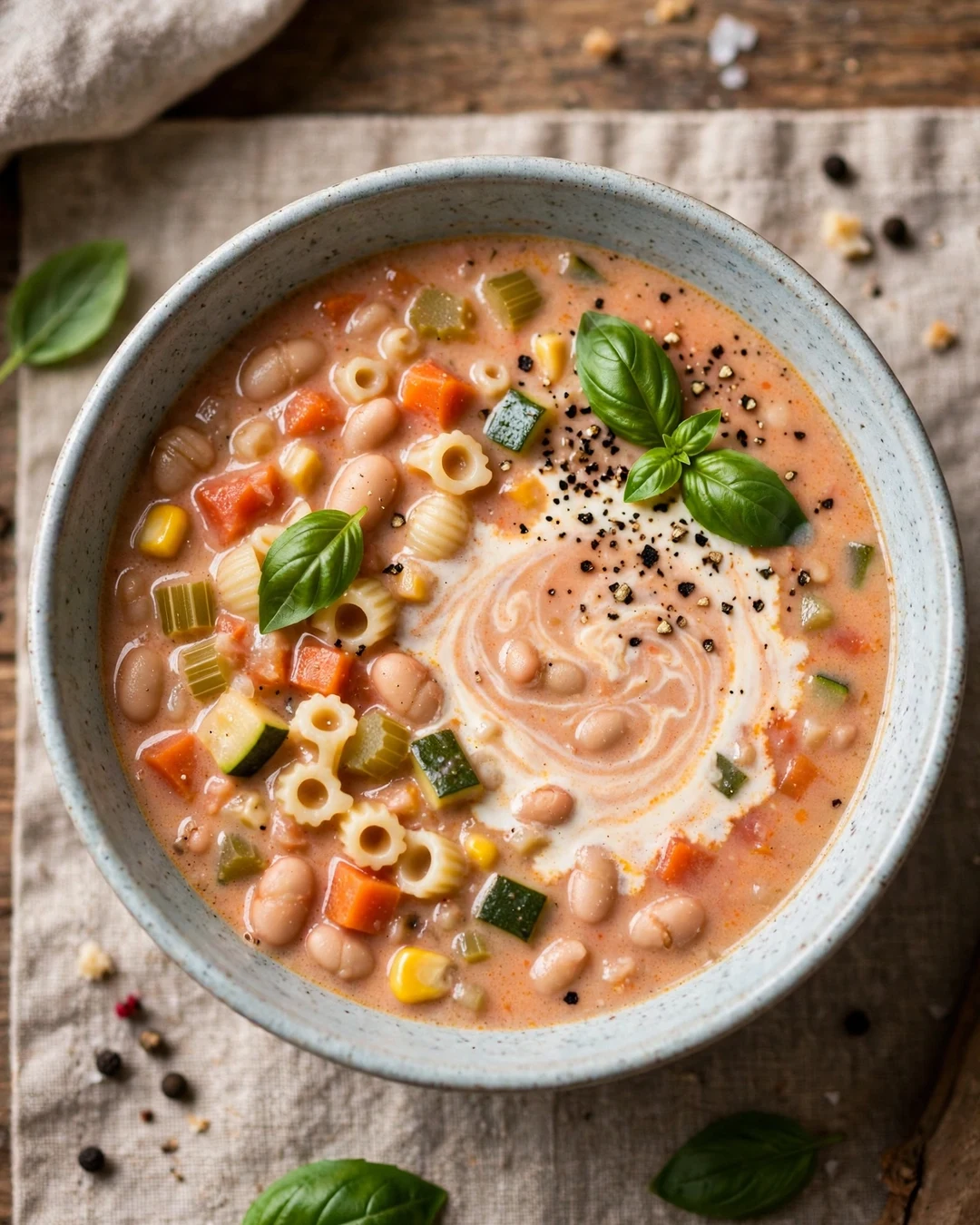
A swirl of cream turns minestrone into pure comfort. The tomato broth softens to a rosy blush, the beans and pasta feel richer, and the whole bowl takes on a gentle, restaurant quality luxury while staying firmly in weeknight territory.
Add the cream at the very end, off the heat or at the gentlest simmer, so it stays silky and never boils. Heavy cream is the most forgiving choice; half and half works if you warm it first and stir it in gradually. A handful of parmesan melted in along with the cream deepens the savory side and keeps the soup from tasting sweet.
Pro Tips
For a lighter creamy version, blend a cup of the white beans with some broth and stir it back in, which gives a creamy body with no cream at all. A little tomato paste keeps the color rosy and the flavor focused even after the cream goes in.
- Add cream at the end and never let it boil
- Warm half and half before adding to prevent curdling
- Parmesan balances the cream with savory depth
- Blended beans give a lighter creamy option
Serving Suggestions
Serve in warm bowls with garlic bread and a crisp salad to cut the richness. A grinding of black pepper and a few basil leaves over the top keep the creamy bowls looking fresh and inviting.
This is the version for a cold night when only comfort will do. Stir a handful of baby spinach in at the end for color, and serve small bowls as a starter before a roast dinner for something fancier. Rich, rosy, and soothing, it disappears quickly, so consider doubling the pot.
25. Freezer Friendly Big Batch Minestrone
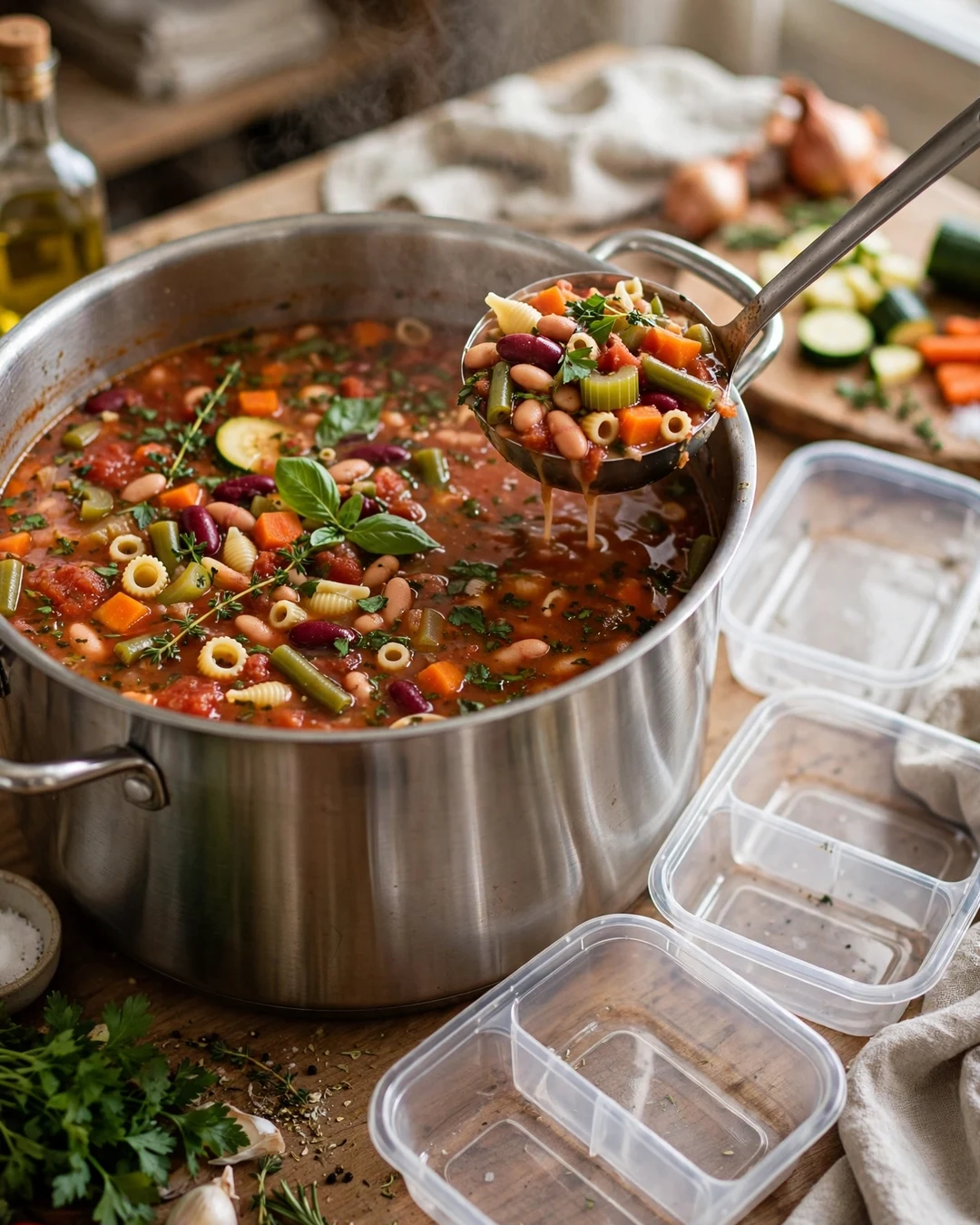
A giant pot of minestrone is one of the smartest things a home cook can make. This big batch version is engineered for the freezer: sturdy vegetables, beans, and a broth that reheats like a champ, portioned out for future lunches and no cook nights.
The freezer rules are simple but important. Leave the pasta out of the main pot entirely, since it turns to mush after freezing and thawing; cook it fresh and add it to each reheated bowl. Cool the soup quickly in shallow containers before freezing, and leave headspace in every container because soup expands as it freezes.
Pro Tips
Flat freezer bags stack neatly and thaw fast in a bowl of warm water, which makes weeknight rescue dinners genuinely easy. Greens are best added fresh when reheating rather than frozen into the batch, since they keep their color that way.
- Never freeze the pasta in the soup
- Cool soup quickly in shallow containers
- Leave headspace for expansion in containers
- Add greens fresh when reheating each portion
Serving Suggestions
Reheat a portion, stir in fresh pasta and a handful of spinach, and finish with parmesan and olive oil. It tastes like you cooked that day, which is the entire point of a well stocked freezer.
Keep a running list on the freezer door so portions actually get used instead of forgotten. Rotate older containers to the front every time you add a new batch. A freezer stocked with this soup turns the most chaotic weeknight into a calm, home cooked dinner in about fifteen minutes.
26. Small Batch Minestrone for Two

Not every night calls for a stockpot. This small batch minestrone scales the classic down to two generous bowls, with just enough left for one lucky lunch. The proportions stay true to the original, so the flavor is full sized even when the pot is not.
Use a medium saucepan and halve the usual quantities: half an onion, one carrot, one celery stalk, a small zucchini, a cup of beans, and a handful of pasta. The cooking time shortens slightly since the smaller pot comes to a simmer faster, so start tasting the vegetables and pasta a few minutes earlier than a big batch would need.
Pro Tips
A single parmesan rind still fits the small pot and is worth using. Cooking for two is also the perfect excuse for the best olive oil and the good parmesan, since you only need a little of each to make the bowls feel special.
- A medium saucepan is the right size for two
- Halve ingredients but keep the seasoning bold
- Start tasting a few minutes early
- Small batches deserve the good olive oil
Serving Suggestions
Two bowls, two glasses of wine, garlic toast, and a small salad make a complete date night dinner from the humblest ingredients. Set the pot on the table and serve family style for extra charm.
Doubling just the broth base and freezing half gives small households the best of both worlds: fresh soup tonight and a head start another night. Cooking for two does not have to mean cooking small in spirit. This little pot proves the point beautifully, one cozy dinner at a time.
27. Bread Bowl Minestrone

Serving minestrone in a hollowed out bread bowl turns a humble soup into an event. The crusty loaf soaks up the tomatoey broth as you eat, the soft inner bread becomes the best bite of the meal, and at the end you get to eat the bowl. Dinner and dishes, solved together.
Choose small, sturdy round loaves with a thick crust, sourdough or a rustic Italian boule. Slice off the top, hollow out the soft interior, and brush the inside with olive oil, then bake the shells for about 10 minutes until crisp. That toasting step is what keeps the bowl standing proudly instead of collapsing into the soup.
Pro Tips
Serve the soup thick for bread bowls, with a little less broth than usual, so the bowl lasts through the meal. Save the scooped out bread, tear it into chunks, toast it, and serve it on top as croutons so nothing goes to waste.
Lentil Know How
Brown and green lentils keep their shape in soup, while red lentils melt away. Sort and rinse dried lentils quickly to catch any small stones, and salt near the end of cooking, since early salt can slow their softening in some water.
- Sturdy round loaves with thick crusts hold best
- Toast the hollowed shells before filling
- Keep the soup thick for bread bowl service
- Toast the scooped bread as croutons for the top
Serving Suggestions
Set the filled bowls on plates with the toasted lids leaning alongside and plenty of parmesan at the table. Bread lovers can bake their own loaves using these salted bread recipes and turn soup night into a full bakery project.
Bread bowls are pure fun for kids and a guaranteed hit at casual gatherings, so keep this trick for nights that need cheering up. Ladle the soup in at the last moment so the crust stays crisp at the rim. By the final spoonful, the bowl itself becomes dessert’s savory cousin.
28. Parmesan Rind Classic Minestrone

We end where every Italian nonna would insist we should: with the parmesan rind. That hard, seemingly useless end of the cheese wedge is pure concentrated flavor, and simmered in a classic minestrone it quietly seasons the whole pot with a deep, nutty savoriness nothing else can imitate.
Save rinds in a bag in the freezer whenever you finish a wedge of parmesan, and drop one or two into the soup as it simmers. Fish them out before serving, though leaving a softened rind in a lucky bowl is a cook’s treat some families argue over. The rest of the soup stays proudly classic: beans, vegetables, small pasta, tomatoes, and patience.
Pro Tips
Rinse the rind if it looks dusty, and never let a rind sit in soup you plan to freeze for months, since its flavor can turn strong; add a fresh one when reheating instead. A rind also rescues a bland pot at the last minute better than extra salt ever could.
- Save parmesan rinds in the freezer for soup days
- Simmer one or two rinds in the pot
- Remove rinds before serving, or leave one as a treat
- A rind rescues bland broth better than salt
Serving Suggestions
Finish with shaved parmesan, olive oil, and crusty bread, and serve this as the classic that anchors the whole collection. It is the bowl to make when you want to taste exactly why this soup has lasted for centuries.
Start your own freezer bag of rinds today and you will never throw away the best part of the cheese again. Pair this classic with a simple green salad and good company, and the meal needs nothing else. Some recipes become traditions because they are perfect, and this is one of them.
Minestrone Soup FAQs
What beans are best for minestrone?
Cannellini beans are the classic choice because they turn creamy and mild, but kidney beans, chickpeas, and borlotti beans all work well. Use whatever you have, rinse canned beans before adding them, and feel free to mix two kinds for varied texture in every spoonful.
Should the pasta cook in the soup or separately?
Both work. Cooking pasta in the soup lets it absorb flavor and thicken the broth, which is lovely for serving right away. If you plan on leftovers or freezing, cook the pasta separately and add it to each bowl, because pasta left in soup keeps absorbing liquid and turns soft.
Can I freeze minestrone?
Yes, minestrone freezes beautifully for up to 3 months. Leave the pasta out before freezing and add fresh cooked pasta when you reheat. Cool the soup quickly, portion it into containers with a little headspace, and thaw overnight in the fridge for the best texture.
How do I thicken minestrone?
Mash or blend a cup of the beans and stir them back in, simmer the soup uncovered for a few extra minutes, or add a slice of bread in the Tuscan style. The soup also thickens naturally as it rests, since the pasta, rice, and beans keep absorbing broth.
What is the difference between minestrone and vegetable soup?
Minestrone is a specific Italian soup built on beans, vegetables, and usually pasta or rice in a tomato touched broth, finished with parmesan and olive oil. Vegetable soup is the broader category. Minestrone always includes beans, which give it body and make it a complete meal.
Can I make minestrone ahead of time?
Absolutely, and many cooks think it tastes better the next day after the flavors settle together. Make the soup without the pasta, refrigerate up to 4 days, then reheat gently and add fresh cooked pasta and greens to each serving for the brightest result.
Final Thought
From the parmesan rind classic to spicy, creamy, and freezer friendly pots, these minestrone soup recipes show that a handful of beans, a basket of vegetables, and a little patience can feed anyone well. Keep a pot in your rotation and dinner will always feel handled, whatever the week brings.