
24 Coconut Curry Recipes
Creamy, fragrant and endlessly flexible, coconut curry recipes turn a simple can of coconut milk into dinners that taste like they simmered for hours. From Thai green and red curries to Sri Lankan and Goan classics, this collection covers chicken, shrimp, salmon, lamb and plenty of plant based pots, so there is a curry here for every appetite and every night of the week.
You do not need special equipment or hard to find ingredients to make a great coconut curry at home. Most of these dishes start with a jar of curry paste or a few pantry spices, a can of coconut milk, and whatever protein or vegetables you already have. Pick a favorite, put on a pot of rice, and dinner will be ready before you know it.
Fixing a Sauce That Tastes Flat
A flat curry usually needs salt, acid or both, not more paste. Add a pinch of salt, a squeeze of lime and a tiny pinch of sugar, then taste again. This trio wakes up the spices and makes the whole pot taste brighter without adding heat.
Why You Will Love These Coconut Curry Recipes
- Creamy without cream: full fat coconut milk makes every sauce silky and rich
- Fast or slow: choose a 20 minute shrimp curry or a slow simmered massaman
- Flexible proteins: chicken, shrimp, salmon, lamb, tofu, lentils and chickpeas all work
- Pantry friendly: most dishes start with coconut milk, paste and spices you already own
- Great leftovers: the sauces taste even better the next day over rice or noodles
1. Thai Green Chicken Curry
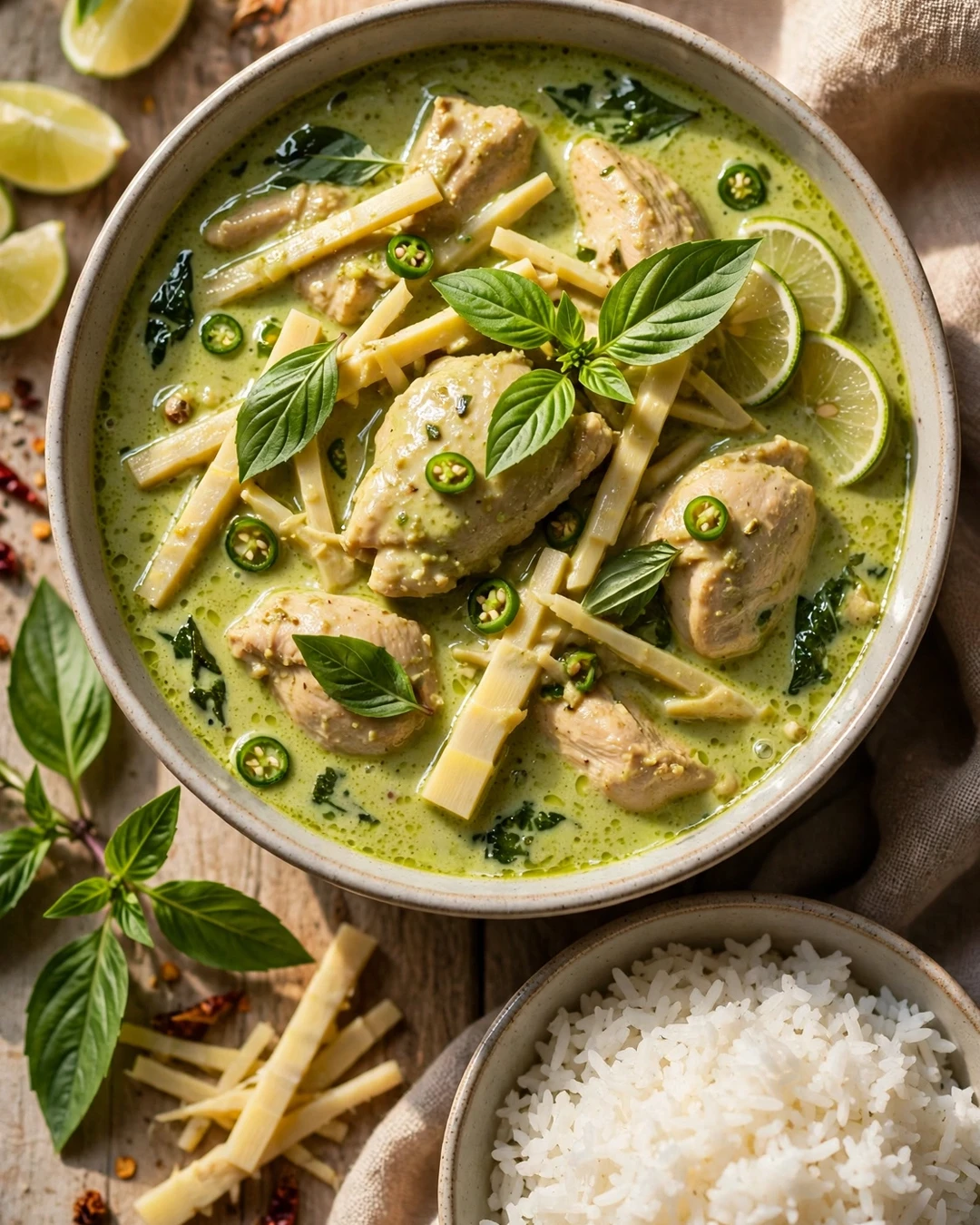
Green curry is the bright, herbal classic that most people think of first when Thai food comes up, and it is easy to see why. Coconut milk softens the heat of green curry paste while Thai basil, lime leaf and bamboo shoots keep the flavor fresh and fragrant. Tender chicken thighs soak up the sauce in minutes, making this a weeknight dinner that still tastes like a restaurant dish.
Start by frying the paste in the thick cream that rises to the top of the coconut milk can until it smells fragrant and the oil separates a little. That step wakes up the spices and gives the sauce its deep green color. Add the chicken, then the rest of the milk, and simmer gently until the meat is cooked through and the sauce coats a spoon.
Pro Tips
Keep the heat at a gentle simmer once the milk goes in, because a hard boil can split coconut milk and turn the sauce grainy. Taste before adding fish sauce, since pastes vary a lot in salt. A squeeze of lime at the end lifts the whole pot without making it sour.
- Fry paste in thick coconut cream until fragrant
- Simmer gently, never at a rolling boil
- Add Thai basil off the heat so it stays green
- Season with fish sauce a little at a time
Serving Suggestions
Serve over jasmine rice with a wedge of lime and extra basil leaves on top. A simple cucumber salad on the side cuts the richness nicely and adds a cool crunch to the plate.
Easy variation: swap the chicken for shrimp and cook it for just three minutes so it stays tender, or use firm tofu and a splash of soy sauce for a meat free version that still tastes rich. Add sliced bell peppers or green beans for extra color, and stir in a spoonful of peanut butter if you want a nuttier, thicker sauce for dipping bread.
2. Classic Thai Red Curry with Chicken
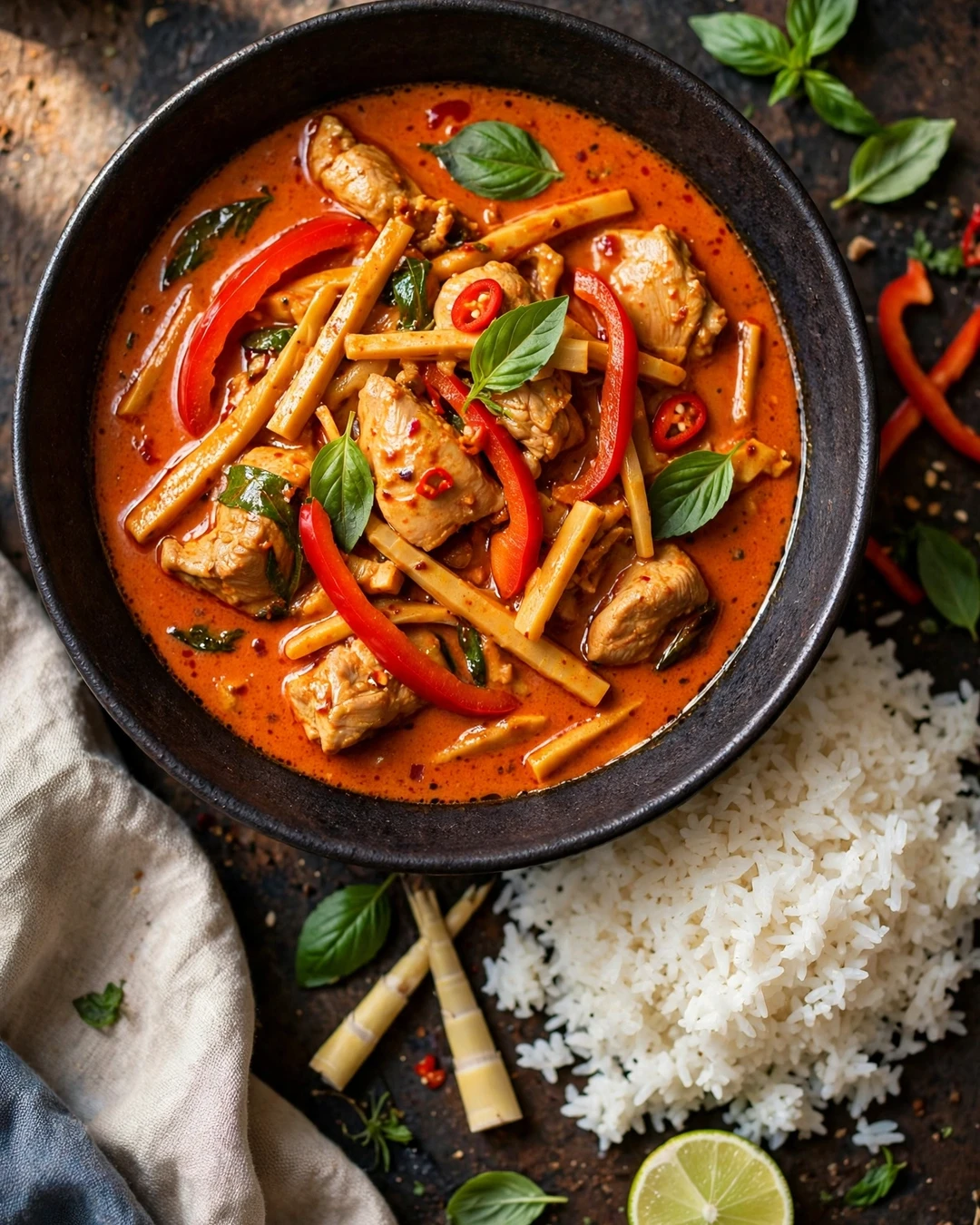
Red curry is warmer and a touch sweeter than green curry, with dried red chilies giving it a deep color and a slow, building heat. It is the most forgiving Thai curry for beginners, since the paste is widely available and the sauce comes together in one pan. Chicken, bell peppers and bamboo shoots are the classic filling, but the sauce welcomes almost anything you have on hand.
The sauce starts with paste fried in coconut cream, then thinned with the rest of the milk and simmered with chicken until tender. Bell peppers go in near the end so they stay slightly crisp. A spoonful of sugar balances the salt and heat, and torn basil leaves finish the dish with a fresh, peppery note.
Pro Tips
Red curry paste brands differ in heat, so start with two tablespoons and add more after tasting. If the sauce tastes flat, it usually needs salt or lime, not more paste. Keep a little extra coconut milk back to loosen the sauce if it thickens too much while standing.
- Start with less paste and add more to taste
- Add peppers late so they stay crisp
- Balance heat with a little sugar and lime
- Finish with fresh basil, never dried
Serving Suggestions
Ladle over steamed jasmine rice and serve with lime wedges and sliced chilies for those who want more heat. It pairs well with a crunchy Asian slaw or a simple plate of steamed greens.
Easy variation: use beef strips instead of chicken and simmer them a little longer until tender, or make it with roasted sweet potato and chickpeas for a hearty plant based bowl. Stir in a spoonful of creamy peanut butter for a satay style twist, and serve the leftovers the next day over noodles, since the sauce thickens into a wonderful noodle coating overnight.
3. Thai Yellow Curry with Potatoes
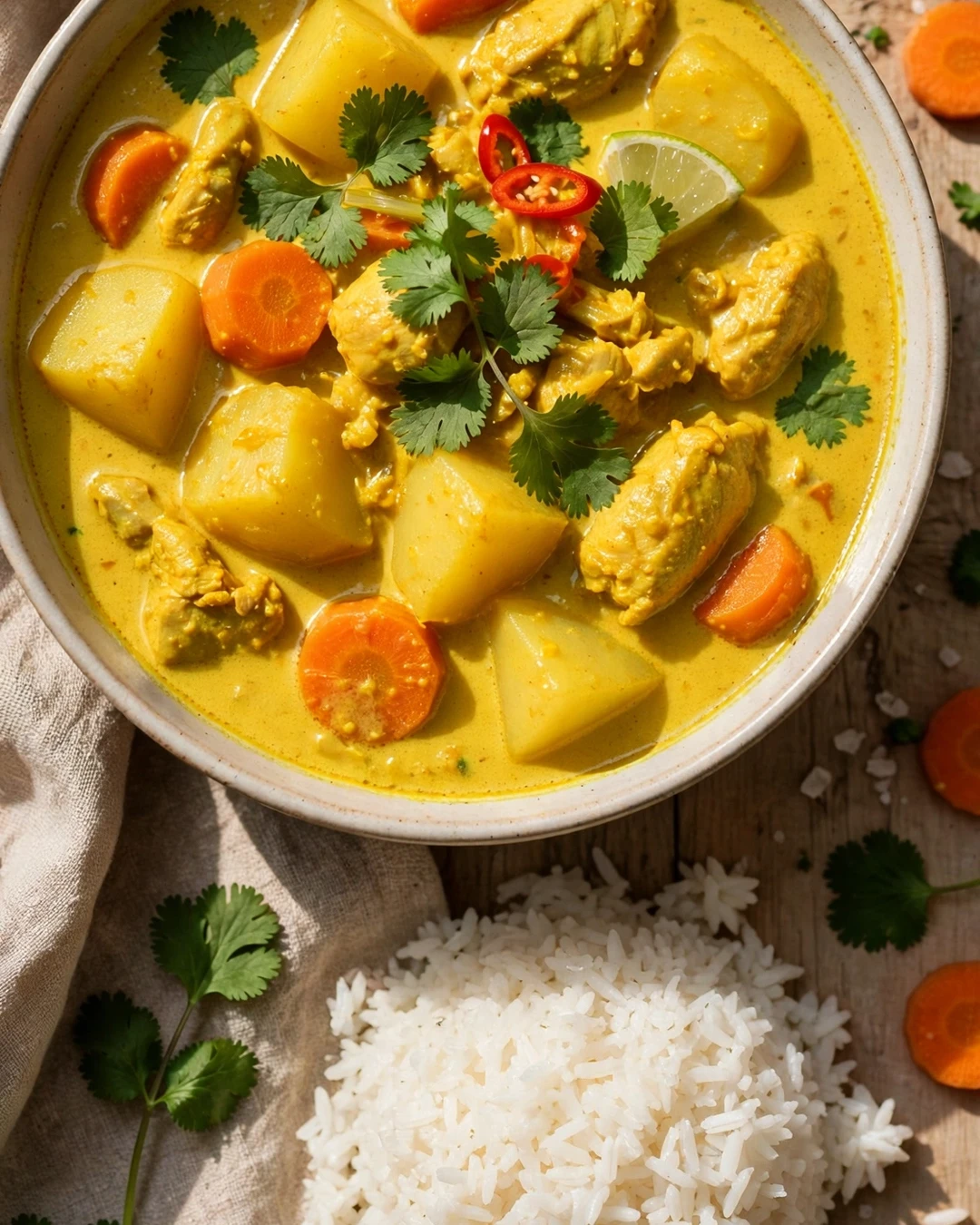
Yellow curry is the mildest of the Thai trio, golden with turmeric and warm with cumin and coriander. Potatoes and carrots soak up the sauce and turn silky, which makes this the curry to choose when you are feeding kids or anyone who prefers gentle heat. It tastes like comfort food with a Thai accent, rich but never fiery.
Simmer the potatoes in the spiced coconut milk until they are just tender, then add the chicken and cook until it is done. The starch from the potatoes thickens the sauce naturally, so you get a thick, spoon coating gravy without any flour. A little tamarind or lime at the end keeps the richness from feeling heavy. 24 cinnamon roll waffles would make a sweet brunch follow up to this cozy dinner, but the curry itself needs nothing more than rice.
Pro Tips
Cut the potatoes into even chunks so they cook at the same rate and none turn to mush. Add the carrots a few minutes after the potatoes, since they cook faster. If the sauce gets too thick, loosen it with a splash of water or extra coconut milk.
- Cut potatoes evenly for even cooking
- Add carrots after potatoes, not with them
- Let potato starch thicken the sauce naturally
- Finish with lime to cut the richness
Serving Suggestions
Serve with jasmine rice or warm flatbread for scooping, plus a scattering of cilantro and sliced red onion. A pickled cucumber salad adds a bright, sharp contrast that balances the mellow sauce.
Easy variation: swap the chicken for cauliflower florets and chickpeas to make a filling meat free pot, or add a can of drained pineapple chunks for a sweet and sour edge. Stir in a handful of spinach at the very end for color, and double the potatoes if you want leftovers that reheat beautifully for lunch the next day.
4. Massaman Beef Curry
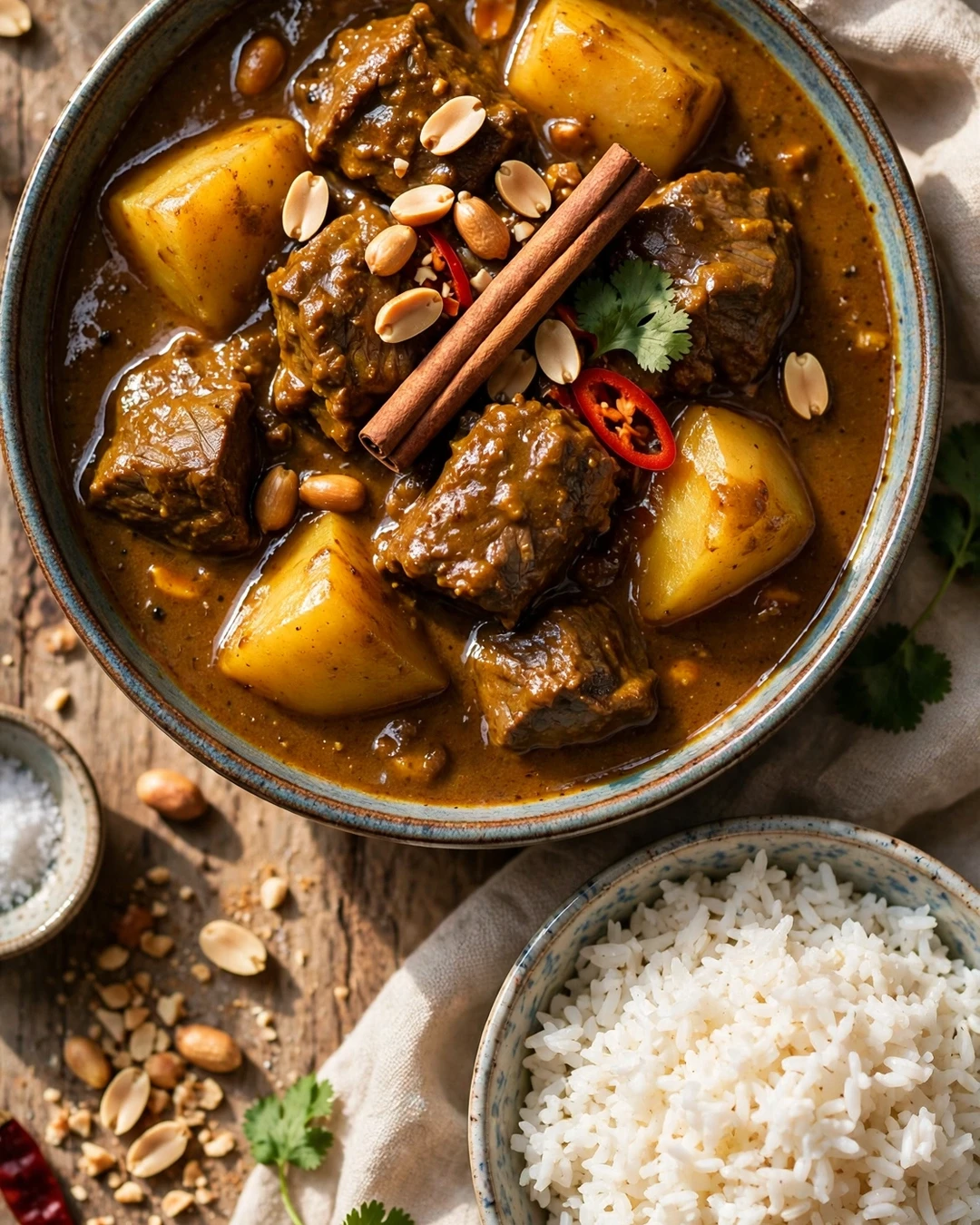
Massaman is the slow, royal curry of Thailand, scented with cinnamon, cardamom and star anise and enriched with peanuts. Beef simmers for hours until it falls apart, and the sauce turns dark, glossy and deeply spiced. It is a weekend project curry, the kind that makes the whole house smell wonderful by the time it is done.
Brown the beef first, then simmer it low and slow in coconut milk with the paste, spices, potatoes and peanuts. The long cook is what makes the meat tender and lets the spices melt into the sauce. Fish sauce and tamarind go in near the end, and the balance between salty, sour and sweet is what makes massaman so memorable.
Pro Tips
Do not rush massaman, since tough cuts need at least ninety minutes to turn tender. Skim any excess oil from the top if you like a lighter sauce. Taste and adjust the tamarind last, because its sourness sharpens as the curry cools slightly.
- Simmer low and slow for at least ninety minutes
- Brown the beef well before adding liquid
- Add tamarind near the end, to taste
- Skim oil if you prefer a lighter sauce
Serving Suggestions
Serve with jasmine rice and a scattering of roasted peanuts and cilantro. A side of pickled shallots or cucumber cuts through the richness and refreshes the palate between bites.
Easy variation: use lamb shoulder instead of beef for an even richer result, or make a quicker chicken version that simmers in about forty minutes. Add whole shallots with the potatoes for sweetness, and stir in a spoonful of peanut butter if your paste is low on peanut flavor. Leftovers taste even better the next day.
5. Panang Chicken Curry
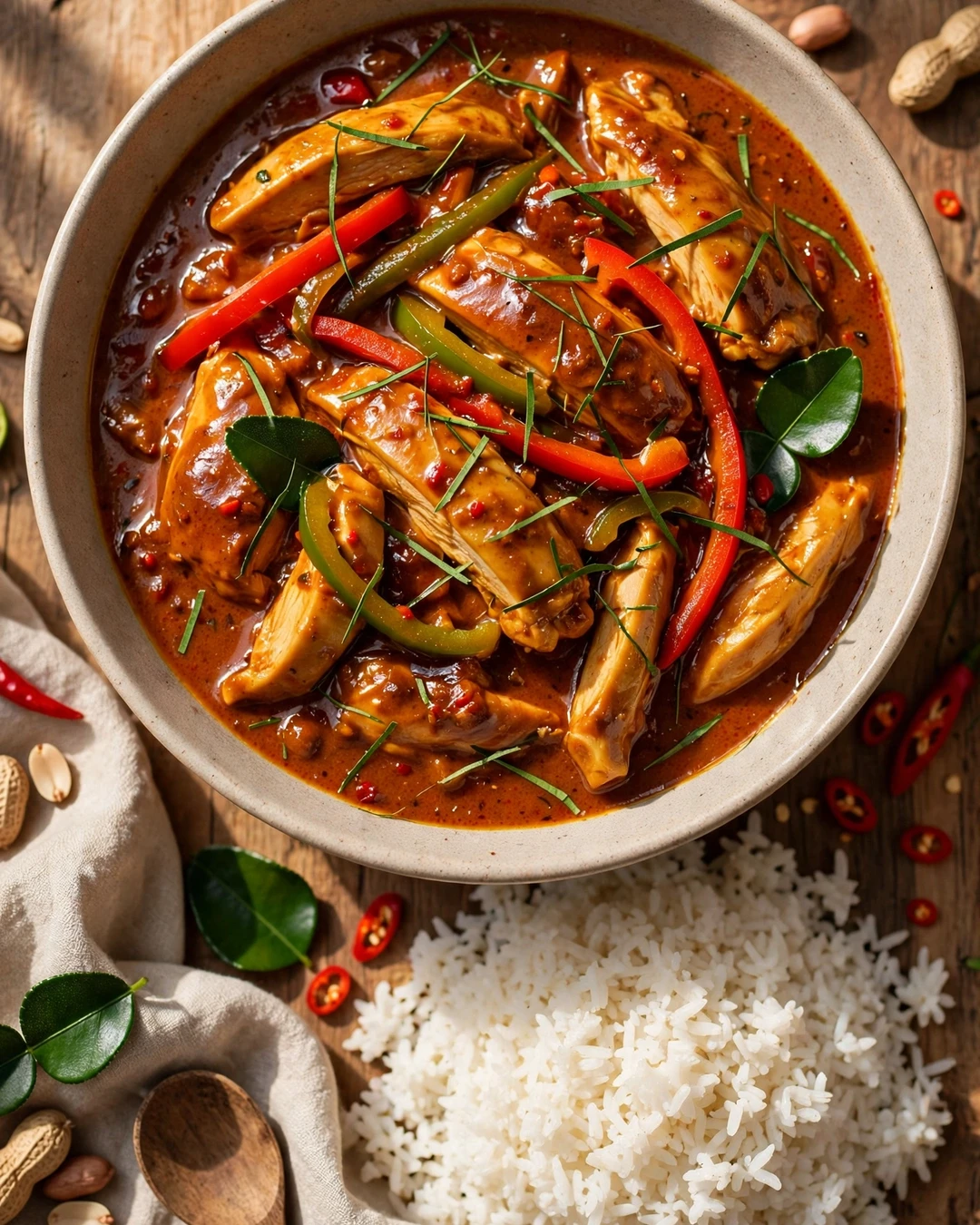
Panang is thicker and sweeter than red curry, with ground peanuts in the paste giving it a nutty depth. The sauce clings to the chicken instead of pooling, which makes it perfect for scooping with rice or flatbread. Kaffir lime leaf, sliced thin, adds a citrus perfume that sets panang apart from every other red curry.
Reduce the coconut milk until it thickens, then fry the paste in it and add sliced chicken, peppers and lime leaf. A little sugar and fish sauce round out the flavor, and the whole dish cooks in under half an hour. The goal is a glossy sauce that coats each piece rather than a soupy gravy.
Pro Tips
Slice the lime leaves as thin as you can, removing the center rib first, so they perfume the dish without feeling woody. Do not add too much liquid, since panang should stay thick. If it thins out, simmer uncovered for a few minutes to reduce it again.
- Remove the rib from lime leaves before slicing
- Keep the sauce thick, not soupy
- Add sugar sparingly and taste as you go
- Use thinly sliced chicken for fast cooking
Serving Suggestions
Serve over jasmine rice with extra lime leaf and sliced red chili on top. Warm roti or naan makes a great scooping partner, and a crisp cucumber salad balances the sweet, nutty sauce.
Easy variation: use pork tenderloin slices for a richer version, or tofu puffs that soak up the thick sauce beautifully. Add a handful of Thai basil for a fresher finish, and stir in a spoonful of peanut butter if you want the nutty flavor even stronger. Serve any extra sauce over roasted vegetables the next day.
6. Coconut Chickpea Curry

This is the pantry curry that saves busy weeknights, built on canned chickpeas, coconut milk and a handful of spices. It tastes slow cooked even though it comes together in about thirty minutes, and the chickpeas turn creamy as they simmer. Spinach wilts in at the end for color and freshness, and the whole pot costs very little to make.
Bloom garam masala, turmeric and cumin in oil, then add onion, garlic and ginger and cook until soft. Tomatoes and coconut milk follow, then the chickpeas, and the pot simmers until the sauce thickens and the flavors blend. A squeeze of lemon and a handful of spinach finish it, and the sauce should be thick enough to scoop with bread. 25 Friendsgiving dishes are another crowd friendly option when you want a big table spread, but this chickpea pot stands happily on its own.
Pro Tips
Rinse canned chickpeas well so the sauce stays clean tasting. Simmer uncovered if the sauce is thin, and mash a few chickpeas against the side of the pot to thicken it naturally. Fresh lemon at the end matters more than extra salt here.
- Bloom spices in oil before adding liquids
- Mash a few chickpeas to thicken the sauce
- Simmer uncovered if the sauce is thin
- Finish with lemon, not just salt
Serving Suggestions
Serve with basmati rice or warm naan, plus a dollop of yogurt and fresh cilantro. A simple tomato and onion salad adds crunch and brightness to the plate.
Easy variation: add a can of drained butter beans for extra creaminess, or stir in roasted sweet potato cubes for a heartier bowl. Swap spinach for kale and cook it a few minutes longer, and add a pinch of chili flakes if you like heat. This curry also freezes well, so double the batch for future busy nights.
7. Creamy Coconut Lentil Curry
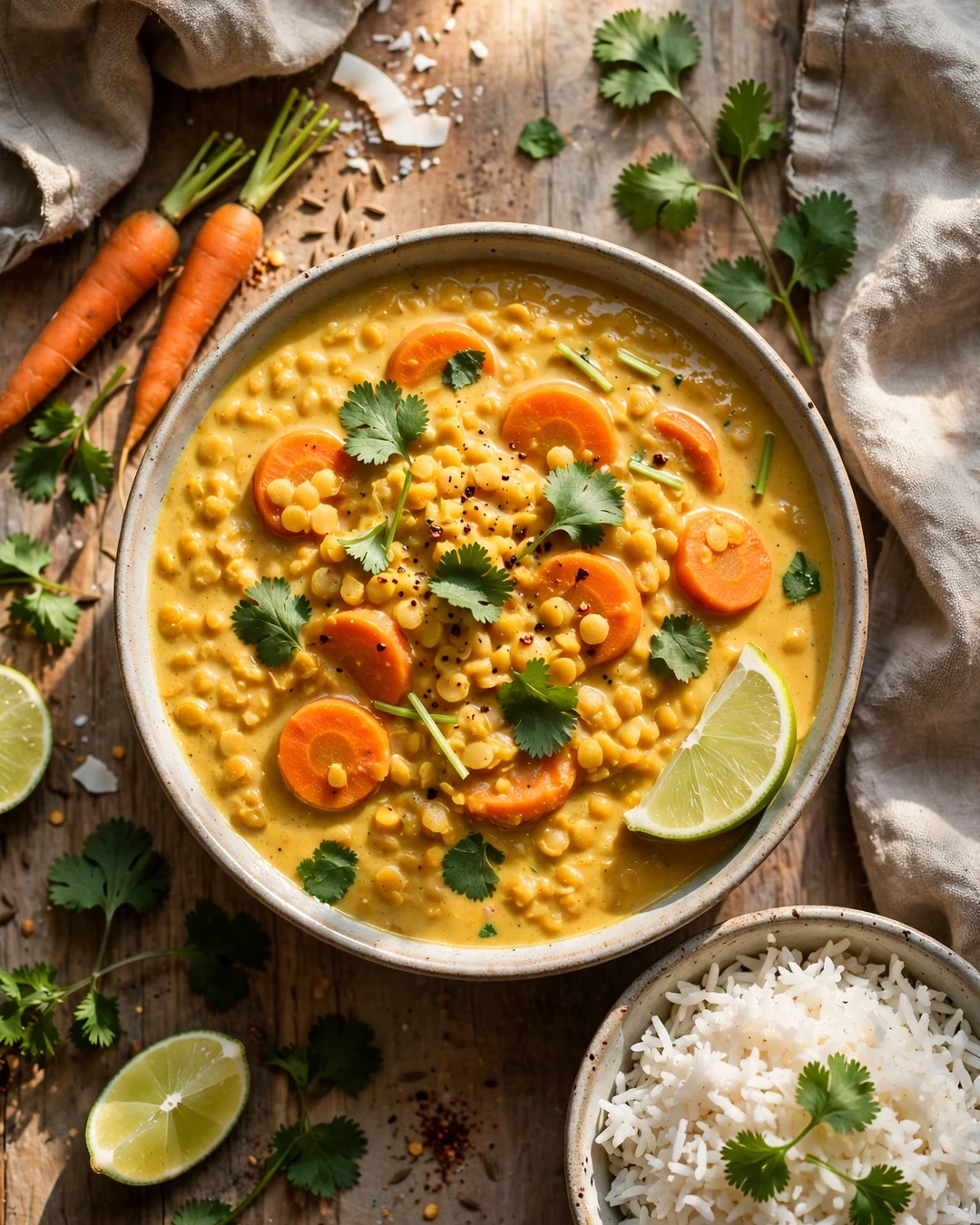
Red lentils dissolve into coconut milk to make a silky, golden dal style curry that feels like a hug in a bowl. It is cheap, filling and packed with protein, and it cooks in one pot with almost no hands on time. Ginger and turmeric give it warmth, while a final squeeze of lime keeps it bright instead of heavy.
Rinse the lentils well, then simmer them with onion, garlic, ginger, turmeric and coconut milk until they collapse into a thick puree. Stir often near the end, since lentils catch on the bottom of the pot. Thin with water to your preferred consistency, and season generously, because lentils need a good amount of salt to taste their best.
Pro Tips
Stir the pot often in the last ten minutes to stop sticking. Add the coconut milk after the lentils have softened a little, so the sauce stays silky. Taste and adjust salt and lime at the end, not at the start, since the flavor concentrates as it thickens.
- Rinse lentils until the water runs clear
- Stir often in the last ten minutes
- Season generously at the end
- Thin with water to your liking
Serving Suggestions
Serve over basmati rice with a spoonful of yogurt, fresh cilantro and a wedge of lime. Warm flatbread for dipping turns it into a complete, cozy meal.
Easy variation: stir in a can of coconut cream instead of milk for an extra rich version, or add diced sweet potato and cook it with the lentils. A spoonful of chili crisp on top adds heat and crunch, and a handful of baby spinach wilts in nicely. Leftovers thicken overnight, so loosen them with water when reheating.
8. Thai Coconut Shrimp Curry

Shrimp and coconut milk are a natural match, and this curry proves it in under twenty minutes. The shrimp cook in the time it takes the sauce to come together, staying plump and sweet against the fragrant, spiced milk. Bell peppers and basil add color and freshness, and the whole dish feels special enough for guests despite its speed.
Fry the paste in coconut cream, add the milk and peppers, and simmer briefly before adding the shrimp. Cook the shrimp only until they curl and turn pink, then pull the pot off the heat right away. Basil and lime go in last, so their fresh flavor stays bright instead of cooking away.
Pro Tips
Do not overcook the shrimp, since they turn rubbery in a minute. Add them last and let the hot sauce finish them. If your shrimp are large, give them an extra minute, but watch them closely and pull the pan off the heat as soon as they curl.
- Add shrimp last and cook briefly
- Pull off heat as soon as shrimp curl
- Add basil and lime at the very end
- Use large shrimp for the best texture
Serving Suggestions
Serve over jasmine rice with lime wedges and extra basil. A crunchy cucumber salad or a plate of steamed green beans makes a fresh, light side.
Easy variation: use scallops instead of shrimp and sear them first for a golden crust, or add pineapple chunks for a sweet and sour twist. Stir in a spoonful of chili jam for heat and gloss, and serve the sauce over rice noodles if you want a change from rice. Any extra sauce makes a great base for a quick noodle soup.
9. Coconut Salmon Curry
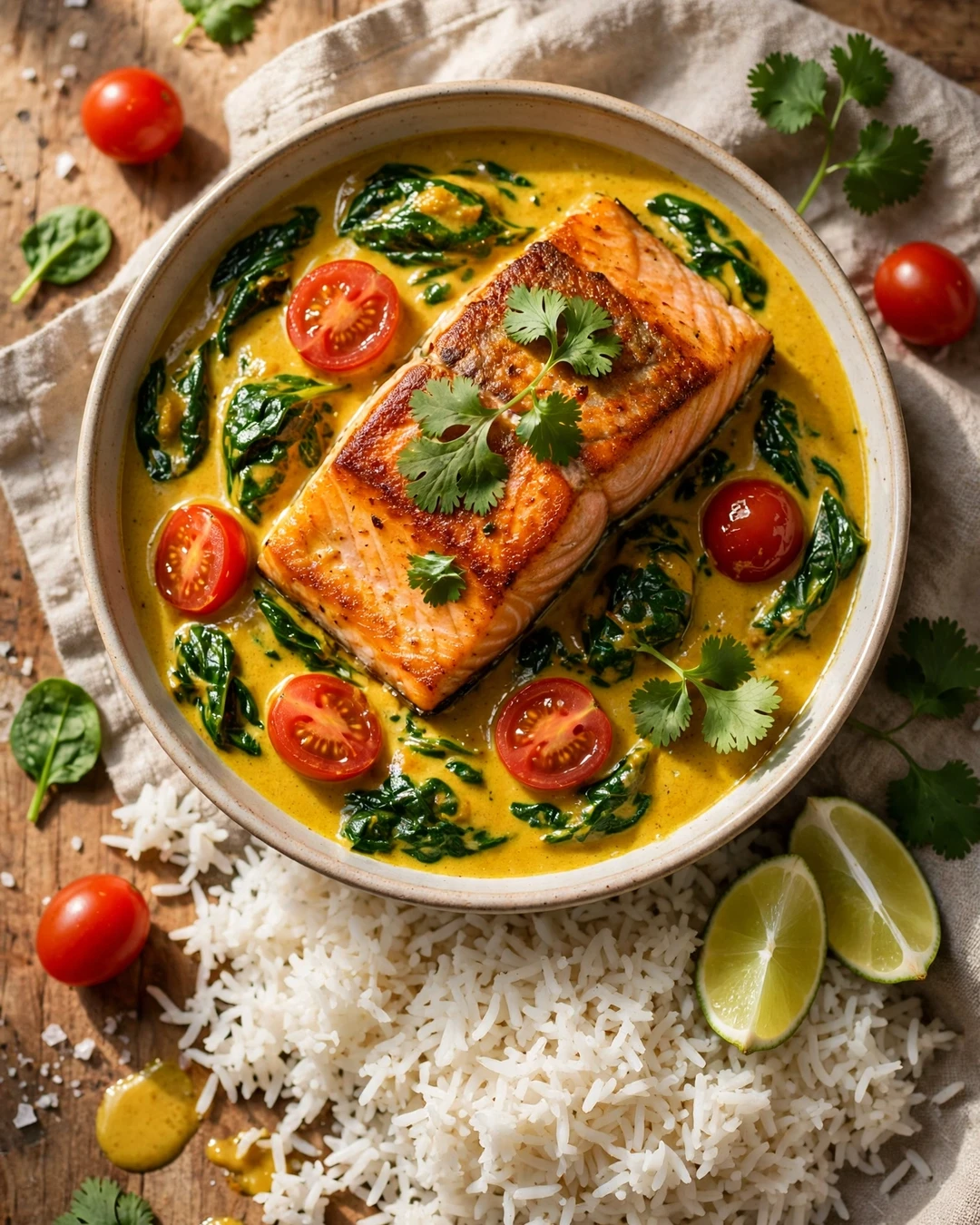
Salmon brings a rich, buttery flavor to coconut curry, and the fish stays moist when it simmers gently in the sauce. This is a slightly more elegant curry, the kind you make when you want a weeknight dinner to feel like a treat. Cherry tomatoes burst into the sauce and add little pops of sweetness against the warm spices.
Sear the salmon skin side down first for crisp skin, then set it aside while the sauce comes together. Simmer coconut milk with curry paste, ginger and tomatoes, then slide the salmon back in and cook gently until just done. Spinach wilts in at the end, and the salmon should flake easily but still look glossy in the center. 15 pistachio cheesecakes would be a lovely sweet finish after this rich fish dinner.
Coconut Curry Dos and Do Nots
Do taste and adjust salt and lime at the end. Do add tender greens and herbs last so they stay bright. Do not boil coconut milk hard. Do not add all the paste at once if you are unsure of the heat, since you can always add more.
Pro Tips
Do not boil the sauce once the salmon goes back in, or the fish will dry out. Use a wide pan so the fillets sit in one layer. Let the salmon rest in the sauce for a few minutes off the heat to finish cooking gently.
- Sear salmon skin side down first
- Simmer gently once fish returns to the pan
- Use a wide pan for one even layer
- Rest the fish in the sauce off the heat
Serving Suggestions
Serve with jasmine or basmati rice and a scattering of cilantro and lime. Steamed broccoli or green beans add a fresh, green contrast to the rich sauce.
Easy variation: use cod or halibut instead of salmon for a lighter fish version, or add a can of chickpeas to stretch the dish further. A spoonful of red curry paste gives a Thai twist, while garam masala leans Indian. Serve leftovers cold over a grain salad for a next day lunch that tastes surprisingly good.
10. Vegetable Coconut Curry
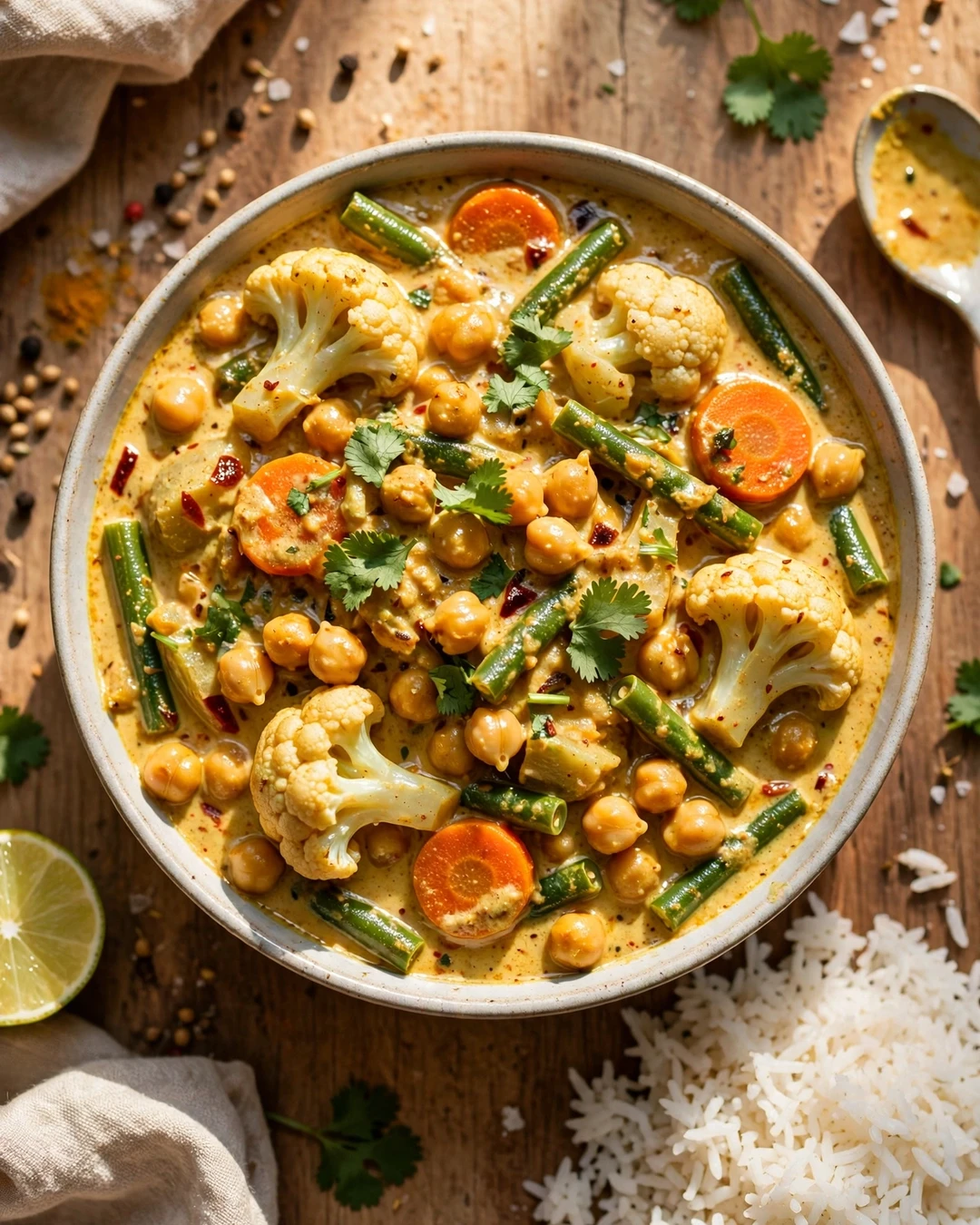
This is the clean out the fridge curry, where every vegetable you have becomes part of a creamy, spiced pot. Cauliflower, carrots, green beans and peppers all cook in one sauce, and the coconut milk ties their flavors together beautifully. It is colorful, filling and flexible, and it works for almost any eater at the table.
Start the harder vegetables first, like carrots and cauliflower, then add quicker ones like beans and peppers so nothing turns mushy. The sauce is coconut milk simmered with curry powder, garlic, ginger and tomato paste. Chickpeas add protein and make the pot hearty enough to serve as a main dish without meat.
Pro Tips
Add vegetables in stages by cooking time, not all at once. Cut everything to a similar size so it cooks evenly. Taste the sauce before serving, since different curry powders vary in salt and heat, and adjust with lime and salt.
- Add hard vegetables first, soft ones later
- Cut vegetables to a similar size
- Taste and adjust salt and lime last
- Add chickpeas for staying power
Serving Suggestions
Serve over rice or with warm naan, topped with cilantro and toasted seeds for crunch. A squeeze of lime and a spoonful of yogurt on top finish the bowl nicely.
Building a Curry in Order
First bloom spices or fry paste in fat. Next add aromatics like onion, garlic and ginger. Then pour in coconut milk and your main ingredient. Finally finish with lime, herbs and salt to taste. Following this order gives a balanced sauce every time.
Easy variation: use whatever vegetables are in season, from zucchini in summer to squash in autumn, and the sauce will still work. Add a spoonful of peanut butter for a satay style richness, or stir in coconut cream for a thicker sauce. This pot also makes a great filling for wraps the next day with a little extra rice.
11. Sweet Potato Coconut Curry

Sweet potatoes turn meltingly tender in coconut milk, and their natural sweetness plays beautifully against warm spices and a little heat. This curry is autumn comfort in a bowl, hearty without meat and rich without cream. Peanuts on top add crunch, and spinach keeps the color bright and fresh.
Simmer sweet potato cubes in spiced coconut milk until they are tender but still hold their shape, then stir in spinach and a spoonful of peanut butter if you like. The sauce thickens as the potatoes release starch, so you may not need to reduce it at all. Finish with lime and cilantro, and check the salt, since sweet potatoes need a generous hand with seasoning.
Pro Tips
Cut the sweet potato into generous chunks so it does not dissolve into the sauce. Check tenderness with a fork rather than by time, since cube size changes cooking time a lot. Add spinach last so it stays green and fresh.
- Cut sweet potato into generous chunks
- Check tenderness with a fork
- Add spinach at the very end
- Season generously for sweet potatoes
Serving Suggestions
Serve over rice with chopped peanuts, cilantro and lime wedges. A crunchy slaw or a simple green salad adds a fresh contrast to the sweet, rich pot.
Easy variation: add black beans for extra protein, or swap half the sweet potato for butternut squash for a deeper autumn flavor. A spoonful of chili crisp adds welcome heat, and a drizzle of coconut cream at serving makes it feel extra special. This curry reheats well and tastes even better on day two.
12. Butternut Squash Coconut Curry

Butternut squash melts into coconut milk to make a curry that is naturally thick, sweet and golden. It tastes like fall in a bowl, with ginger and turmeric warming the squash and a little chili keeping it from feeling too sweet. This is a wonderful make ahead curry, since the flavors deepen overnight in the fridge.
Roast the squash first if you have time, since roasting concentrates its sweetness and adds a caramel edge. Then simmer it in coconut milk with onion, garlic, ginger and spices until it is soft enough to mash slightly into the sauce. A blender can smooth half the pot if you want a silkier texture, leaving the rest chunky.
Pro Tips
Roasting the squash first adds a depth that boiling alone cannot match. If you skip roasting, cut the cubes small so they cook faster. Blend only part of the pot, so the curry keeps some texture instead of turning into soup. 28 Reuben casseroles are a fun savory project for another night, but this squash pot is the cozy one to make first.
- Roast squash first for deeper sweetness
- Cut cubes small if you skip roasting
- Blend only part of the pot for texture
- Mash slightly into the sauce, not fully smooth
Serving Suggestions
Serve with rice or flatbread and a dollop of yogurt, plus a squeeze of lime and a scattering of toasted pumpkin seeds for crunch.
Easy variation: use pumpkin puree in a pinch for a faster version, or add red lentils to make the pot even thicker and more filling. Stir in a handful of kale instead of spinach for a sturdier green, and top with chili oil for heat. Leftovers make a wonderful soup base thinned with a little stock.
13. Coconut Cauliflower Curry

Cauliflower soaks up coconut curry sauce like a sponge, turning golden and tender with slightly crisp edges if you roast it first. This is the curry that wins over people who think they do not like cauliflower, because the vegetable becomes a vehicle for warm spices and creamy sauce. Chickpeas make it filling enough for dinner on its own.
Roast the florets with oil and salt until golden at the edges, then fold them into a simmering coconut sauce with chickpeas, garlic, ginger and turmeric. Simmer just long enough for the flavors to blend, so the cauliflower keeps some bite. A squeeze of lemon and a handful of cilantro finish the dish with brightness.
Pro Tips
Roast the cauliflower until truly golden, not just pale, since the browning adds flavor. Do not simmer it long in the sauce, or it will go soft. Keep the sauce thick so it coats the florets instead of pooling.
- Roast cauliflower until golden at the edges
- Simmer briefly in sauce to keep some bite
- Keep the sauce thick for coating
- Finish with lemon and cilantro
Serving Suggestions
Serve over basmati rice with toasted almonds and extra cilantro. Warm naan for scooping and a cucumber raita on the side round out the meal nicely.
Easy variation: add a can of diced tomatoes for a tangier sauce, or swap chickpeas for white beans for a creamier texture. A spoonful of harissa adds heat and color, and a scattering of raisins brings a sweet contrast that works surprisingly well. Roast extra cauliflower for grain bowls the next day.
14. Thai Coconut Noodle Soup

This soup sits halfway between a curry and a noodle bowl, with a brothy coconut base that is lighter than a thick curry sauce. Rice noodles soak up the fragrant broth, and chicken, mushrooms and greens make it a complete meal in one bowl. It is fast, slurpy and deeply comforting, especially on a cold or rainy night.
Simmer coconut milk with stock, curry paste, ginger and lime leaf to make the broth, then add chicken and mushrooms and cook until done. Cook the noodles separately so they do not turn the broth starchy, then divide them into bowls and ladle the hot soup over the top. Finish with lime, cilantro and sliced chilies.
Pro Tips
Cook noodles separately to keep the broth clear and light. Do not boil the broth hard once the coconut milk is in. Taste the broth before serving, since it should be salty, sour and a little sweet all at once.
- Cook noodles separately from the broth
- Simmer broth gently, never hard boil
- Balance salty, sour and sweet in the broth
- Finish with fresh lime and herbs
Serving Suggestions
Serve in deep bowls with lime wedges, chili oil and extra herbs on the table so everyone can adjust their own bowl. A plate of crunchy bean sprouts and shredded carrots adds texture on top.
Easy variation: use shrimp instead of chicken for an even faster soup, or make it with tofu and vegetable stock for a plant based bowl. Add a soft boiled egg for extra richness, and stir in a spoonful of chili jam for a sweet heat twist. The broth also works beautifully over udon noodles if rice noodles are not on hand.
15. Slow Cooker Coconut Chicken Curry

The slow cooker turns coconut chicken curry into a set it and forget it dinner, with the sauce developing a deep, mellow flavor over hours. Chicken thighs stay moist through the long cook, and the house fills with a warm, spiced aroma by dinnertime. This is the curry to make on a day when you will be out and want dinner ready when you walk in.
Combine coconut milk, paste, chicken, peppers and onion in the slow cooker and cook on low for four to five hours or on high for about two and a half. The sauce will look thin at first but thickens as it stands, and you can stir in spinach and lime in the last few minutes. Shred the chicken lightly into the sauce before serving, so every bite gets coated. 21 chicken poblano soups are another cozy chicken dinner worth trying, but this slow cooker version needs almost no attention at all.
Pro Tips
Use chicken thighs, not breasts, since breasts dry out over a long cook. Do not lift the lid often, since each peek adds cooking time. Thicken a thin sauce by simmering it uncovered on the stove for a few minutes after cooking.
- Use thighs, not breasts, for slow cooking
- Keep the lid on during cooking
- Stir spinach in at the very end
- Thicken thin sauce on the stove if needed
Serving Suggestions
Serve over rice with cilantro, lime and a crunchy topping like toasted coconut or peanuts. A simple salad of shredded carrot and cucumber adds freshness to the rich, slow cooked sauce.
Coconut Milk That Will Not Split
Use full fat canned coconut milk and simmer it gently, never at a rolling boil. Light coconut milk is thinner and more likely to split, and a hard boil can turn a silky sauce grainy. If a sauce does split, whisk in a splash of cold coconut milk off the heat and it often comes back together.
Easy variation: add sweet potato cubes at the start for a heartier pot, or swap the chicken for beef chunks and cook an hour longer. A spoonful of peanut butter stirred in at the end adds richness, and a can of chickpeas stretches the dish for a crowd. Freeze leftovers in portions for easy future dinners.
16. Instant Pot Coconut Curry

The Instant Pot makes coconut curry a true weeknight option, building deep flavor in about twenty minutes under pressure. Potatoes and carrots cook right in the sauce, and the sealed pot keeps everything moist and fragrant. It is the fastest route to a curry that tastes like it simmered for hours.
Saute onion, garlic and ginger in the pot, add paste and coconut milk, then chicken, potatoes and carrots. Pressure cook for about eight minutes, let the pressure release naturally for five, then stir in spinach and lime. If the sauce is thin, simmer it on saute mode for a few minutes to reduce.
Pro Tips
Do not overfill the pot past the max line, since coconut milk can foam. Let the pressure release naturally for a few minutes before opening, so the chicken stays tender. Reduce thin sauce on saute mode rather than adding flour.
- Saute aromatics before pressure cooking
- Do not overfill past the max line
- Natural release for five minutes
- Reduce thin sauce on saute mode
Serving Suggestions
Serve over rice with fresh cilantro and lime wedges. A quick cucumber salad or a plate of steamed green beans balances the rich, creamy sauce.
Easy variation: use chickpeas and sweet potato for a plant based pressure cooker pot, or add a can of pineapple chunks for a sweet twist. Stir in a spoonful of red curry paste for more heat, and double the sauce if you plan to serve it over noodles the next day. Leftovers reheat well straight from the fridge.
17. Coconut Eggplant Curry
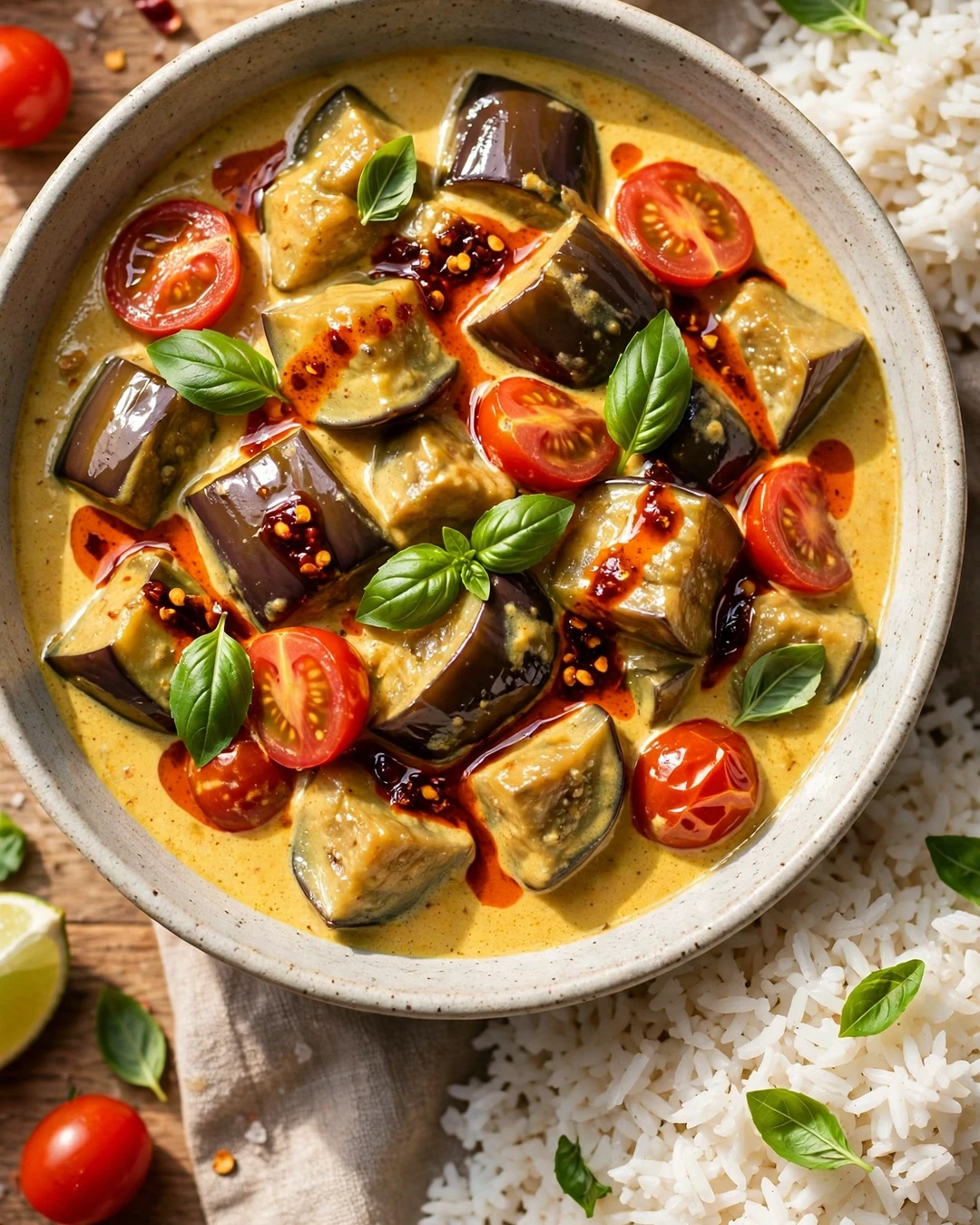
Eggplant turns silky and luxurious in coconut milk, soaking up spices until it practically melts. This curry is a wonderful choice for eggplant lovers, and a good way to win over skeptics, since the vegetable loses its spongy texture and becomes creamy. Tomatoes add brightness, and basil finishes the dish with a fresh, sweet note.
Salt the eggplant cubes and let them sit for twenty minutes, then pat dry and roast or fry until golden. Simmer them in coconut milk with tomato, garlic, ginger and spices until tender and creamy. The eggplant should be soft enough to squash with a spoon but still hold a rough shape in the sauce.
Pro Tips
Salting the eggplant first draws out moisture and helps it brown instead of steaming. Do not crowd the pan when browning, or the cubes will steam. Add the eggplant to the sauce only after it is browned, so it keeps some structure.
- Salt eggplant and rest for twenty minutes
- Brown in batches, never crowded
- Add browned eggplant to sauce last
- Simmer until silky but not dissolved
Serving Suggestions
Serve over rice or with flatbread, topped with torn basil and a drizzle of chili oil. A crisp salad of tomato and onion adds a fresh contrast to the rich, soft curry.
Easy variation: use Japanese eggplant, which is sweeter and less seedy, or add chickpeas for extra protein and texture. A spoonful of miso stirred into the sauce adds savory depth, and a scattering of toasted sesame seeds gives crunch. This curry also makes a great filling for stuffed flatbreads the next day.
18. Coconut Mushroom Curry

Mushrooms bring a deep, savory flavor to coconut curry that makes the dish taste meaty without any meat. Mixed varieties give the best result, with cremini for body, shiitake for depth and oyster mushrooms for a delicate texture. The sauce turns rich and earthy, and spinach adds a fresh green finish.
Sear the mushrooms in batches in a hot pan until well browned, then set them aside while the sauce comes together. Simmer coconut milk with curry paste, garlic and ginger, return the mushrooms to the pan, and cook briefly so they soak up the sauce without going soggy. Spinach wilts in at the end, and a squeeze of lime brightens the earthy flavors. 18 caramel apple cinnamon rolls would be a sweet treat after this savory mushroom pot, but the curry itself is rich enough to end the meal on its own.
Pro Tips
Sear mushrooms in a hot, uncrowded pan for real browning. Do not salt them until they have browned, since salt draws out water early. Return them to the sauce only briefly, so they stay meaty instead of soggy.
Which Curry Paste to Buy
Green paste is fresh and herbal with medium heat. Red paste is warm and rounded with a slow burn. Yellow paste is mild, golden and kid friendly. Panang paste is thick, sweet and nutty. Start with red if you are buying just one jar.
- Sear mushrooms hot and uncrowded
- Salt only after browning
- Return to sauce briefly
- Finish with lime to brighten earthiness
Serving Suggestions
Serve over rice or noodles with cilantro and a scattering of sliced green onion. A side of steamed broccoli or a crunchy slaw adds freshness and contrast.
Easy variation: add a splash of soy sauce for extra savory depth, or stir in a spoonful of miso for a richer, more complex sauce. Use a single mushroom variety if that is what you have, and add tofu puffs to soak up extra sauce. Leftovers make a wonderful topping for toast or grain bowls the next day.
19. Sri Lankan Coconut Chicken Curry
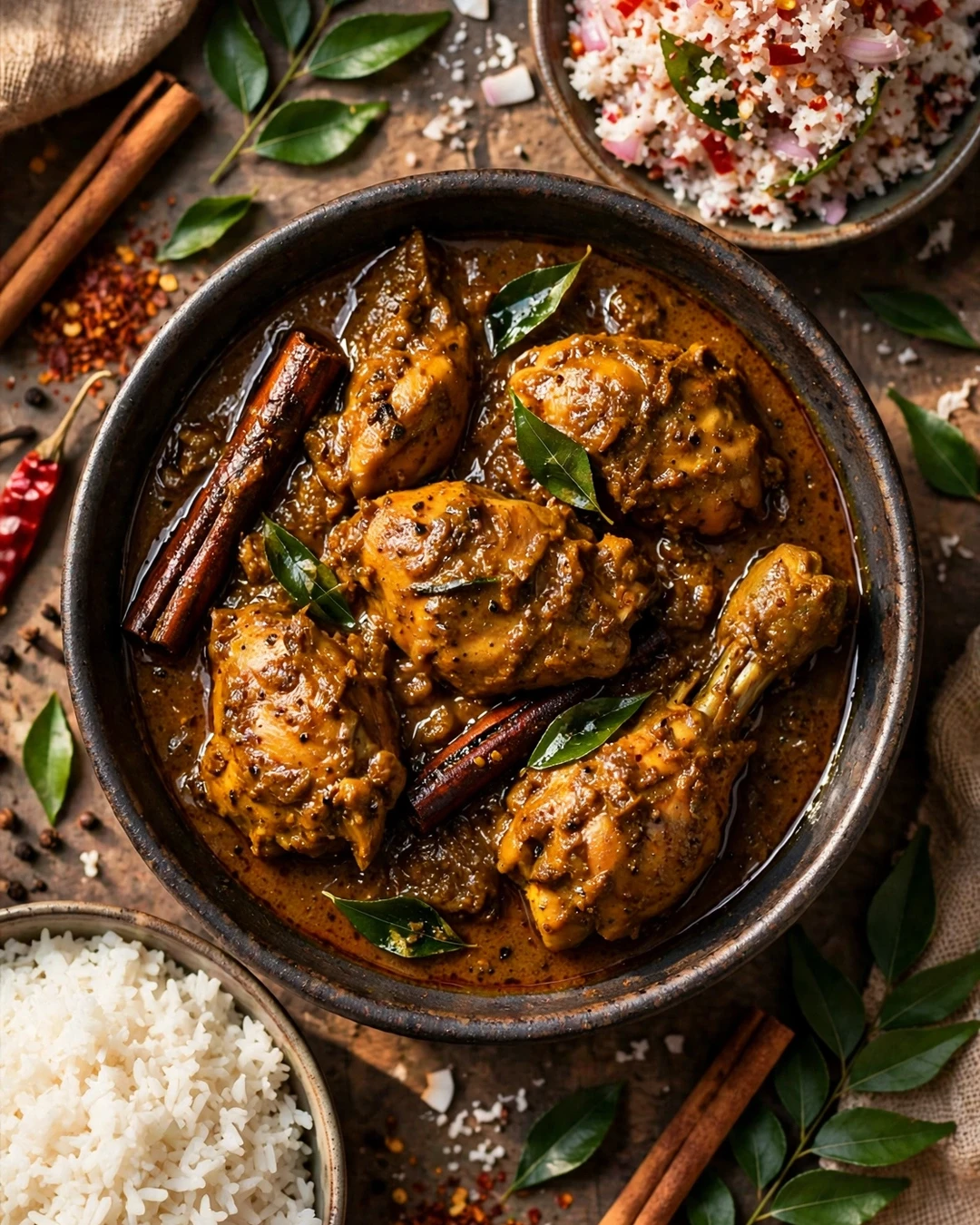
Sri Lankan curry is darker and more deeply spiced than Thai versions, built on roasted curry powder, cinnamon and pandan or curry leaves. The sauce is thinner and more intensely flavored, clinging to the chicken in a dark, fragrant coat. It is a wonderful introduction to Sri Lankan cooking, and it pairs beautifully with rice and coconut sambol.
Toast the spices until fragrant, then cook onion, garlic, ginger and curry leaves in oil before adding chicken and coconut milk. Simmer until the chicken is tender and the sauce has reduced to a rich, dark gravy. A cinnamon stick and a splash of vinegar or lime at the end give the dish its signature warm, tangy edge.
Pro Tips
Toast spices gently and watch them closely, since they burn fast. Use bone in chicken if you can, since it adds body to the sauce. Let the sauce reduce until it coats the chicken, rather than serving it soupy.
- Toast spices gently and watch closely
- Use bone in chicken for a richer sauce
- Reduce until sauce coats the chicken
- Finish with cinnamon and a tangy note
Serving Suggestions
Serve with steamed rice, coconut sambol and a plate of pickled vegetables. A simple salad of onion, tomato and lime cuts the richness and adds crunch.
Easy variation: use the same spice blend with fish and a shorter simmer, or make it with jackfruit for a plant based version that shreds like meat. Add a handful of cashews for richness, and serve any extra sauce over roasted vegetables. This curry tastes even better the next day after the spices have settled.
20. Goan Coconut Fish Curry

Goan fish curry is tangy, bright and coastal, with tamarind giving the coconut sauce a sour edge that makes the fish taste incredibly fresh. White fish simmers gently in the sauce for just a few minutes, staying flaky and moist. This is a lighter coconut curry, perfect for warm weather and for anyone who loves seafood with a little tang.
Blend coconut, chilies, turmeric and tamarind into a smooth paste, then simmer it gently with water until fragrant. Slide the fish in and cook just until it flakes, then finish with cilantro and a drizzle of oil. The sauce should be thin enough to spoon over rice, with a clear balance of sour, salty and spicy.
Pro Tips
Do not boil the sauce hard once the fish is in, or it will break apart. Use firm white fish that holds its shape, like cod or halibut. Add the tamarind gradually and taste, since its strength varies a lot between brands.
- Use firm white fish that holds shape
- Simmer gently once fish is added
- Add tamarind gradually and taste
- Finish with cilantro and good oil
Serving Suggestions
Serve over steamed rice with a wedge of lime and a simple salad of onion and tomato. A side of fried okra or steamed greens makes a fresh, light accompaniment.
Easy variation: use shrimp instead of fish for a quicker version, or add okra to the sauce for a classic Goan touch. A pinch of jaggery balances the tamarind if the sauce tastes too sharp, and a few curry leaves fried in oil make a fragrant garnish. Leftovers reheat gently and taste wonderful over rice.
21. Coconut Curry Meatballs
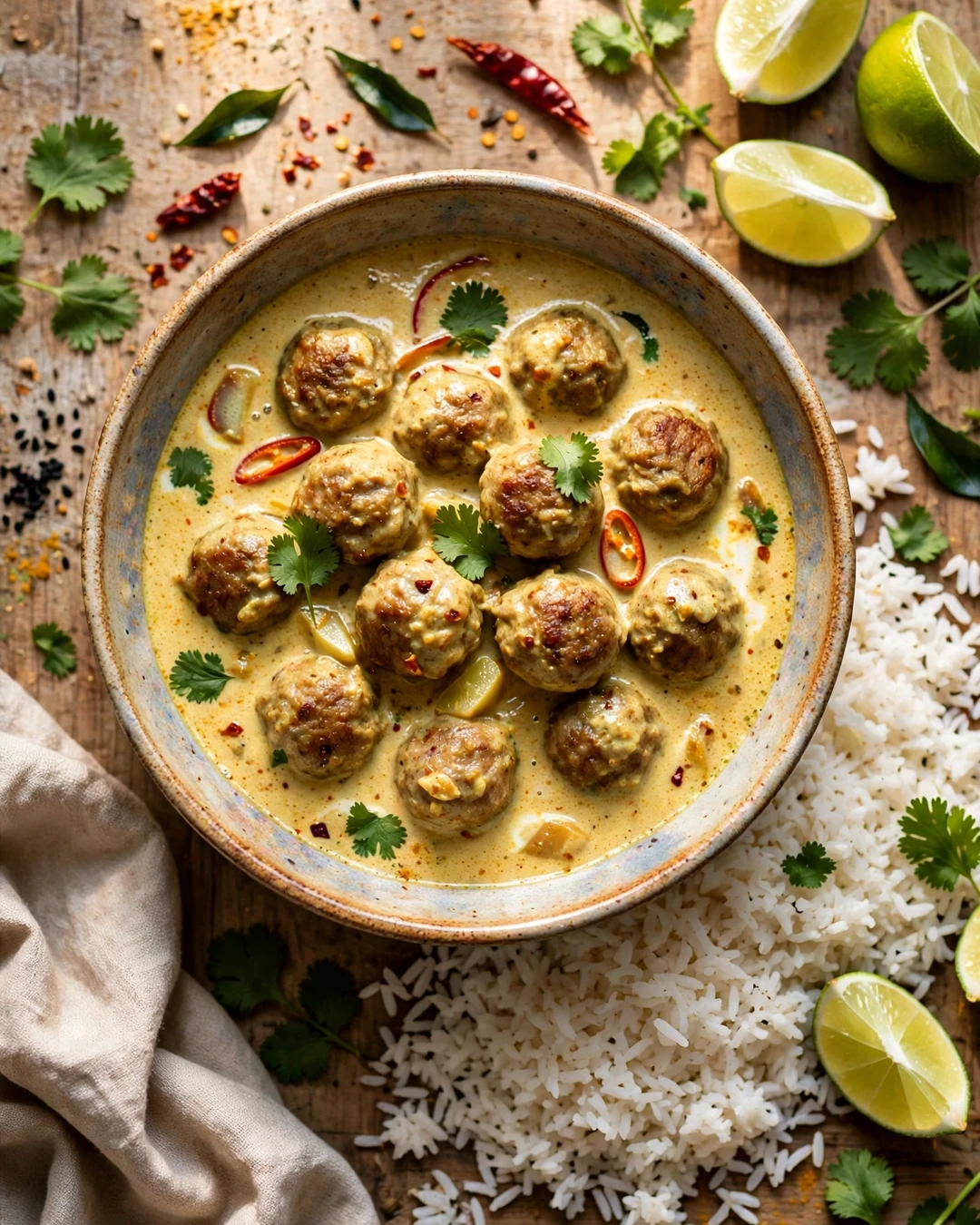
Meatballs simmered in coconut curry sauce are a fun twist on the usual curry, with each bite giving you savory meat and creamy, spiced sauce together. The meatballs stay tender because they finish cooking in the sauce rather than drying out in the oven. This is a great family dinner, since kids love meatballs and adults love the curry.
Mix ground meat with breadcrumbs, egg, garlic and spices, roll into small balls and brown them lightly in a pan. Simmer them in coconut milk with curry paste and a little tomato paste until cooked through and the sauce has thickened around them. Finish with cilantro and lime, and check the seasoning, since the meatballs soak up salt from the sauce. 29 peach butter swim biscuits are a sweet Southern side worth trying another night, but tonight the meatballs are the star of the table.
The One Rule of Curry Paste
Fry the paste in oil or thick coconut cream before adding liquid. This one step wakes up the spices and gives the sauce a depth that simply stirring paste into milk can never match. Two minutes of frying makes the difference between a flat curry and a fragrant one.
Pro Tips
Brown the meatballs lightly without cooking them through, since they finish in the sauce. Keep them small so they cook evenly and soak up more sauce. Simmer gently, because a hard boil can break tender meatballs apart.
- Brown lightly, finish in the sauce
- Keep meatballs small for even cooking
- Simmer gently to avoid breaking them
- Check seasoning after meatballs soak up salt
Serving Suggestions
Serve over rice or noodles with extra sauce spooned on top and fresh cilantro. Steamed green beans or a crunchy cucumber salad add freshness to the rich plate.
Easy variation: use ground turkey or chicken for a lighter version, or make plant based meatballs from lentils and oats for a meat free pot. Add a spoonful of peanut butter to the sauce for a nutty twist, and serve any extra meatballs in flatbread wraps for lunch. This dish also freezes well in its sauce.
22. Coconut Curry Dumpling Soup

Dumplings floating in coconut curry broth are pure comfort, combining two favorites in one bowl. The broth is fragrant and golden, the dumplings stay plump and juicy, and bok choy adds a fresh, green crunch. It is a wonderful weekend lunch or a cozy dinner when you want something a little different from a standard curry.
Simmer coconut milk with stock, curry paste, ginger and garlic to make a fragrant broth, then add the dumplings and cook until they float and feel plump. Bok choy goes in for the last two minutes so it stays bright and crisp. Finish with chili oil, lime and cilantro, and serve immediately so the dumplings do not soak up too much broth.
Pro Tips
Do not overcrowd the pot with dumplings, since they need room to float and cook evenly. Stir gently so they do not stick to the bottom. Serve right away, because dumplings keep absorbing broth as they sit.
- Give dumplings room to float
- Stir gently to prevent sticking
- Add bok choy in the last two minutes
- Serve immediately before dumplings soak
Serving Suggestions
Serve in deep bowls with chili oil, lime wedges and extra cilantro on the table. A plate of crunchy pickled vegetables adds a bright contrast to the rich broth.
Easy variation: use frozen potstickers for a fast version, or fill your own dumplings with shrimp and chives for a fresher result. Add mushrooms or corn for extra texture, and stir in a spoonful of chili crisp for heat. The broth alone, without dumplings, makes a wonderful noodle soup base too.
23. Coconut Lamb Curry
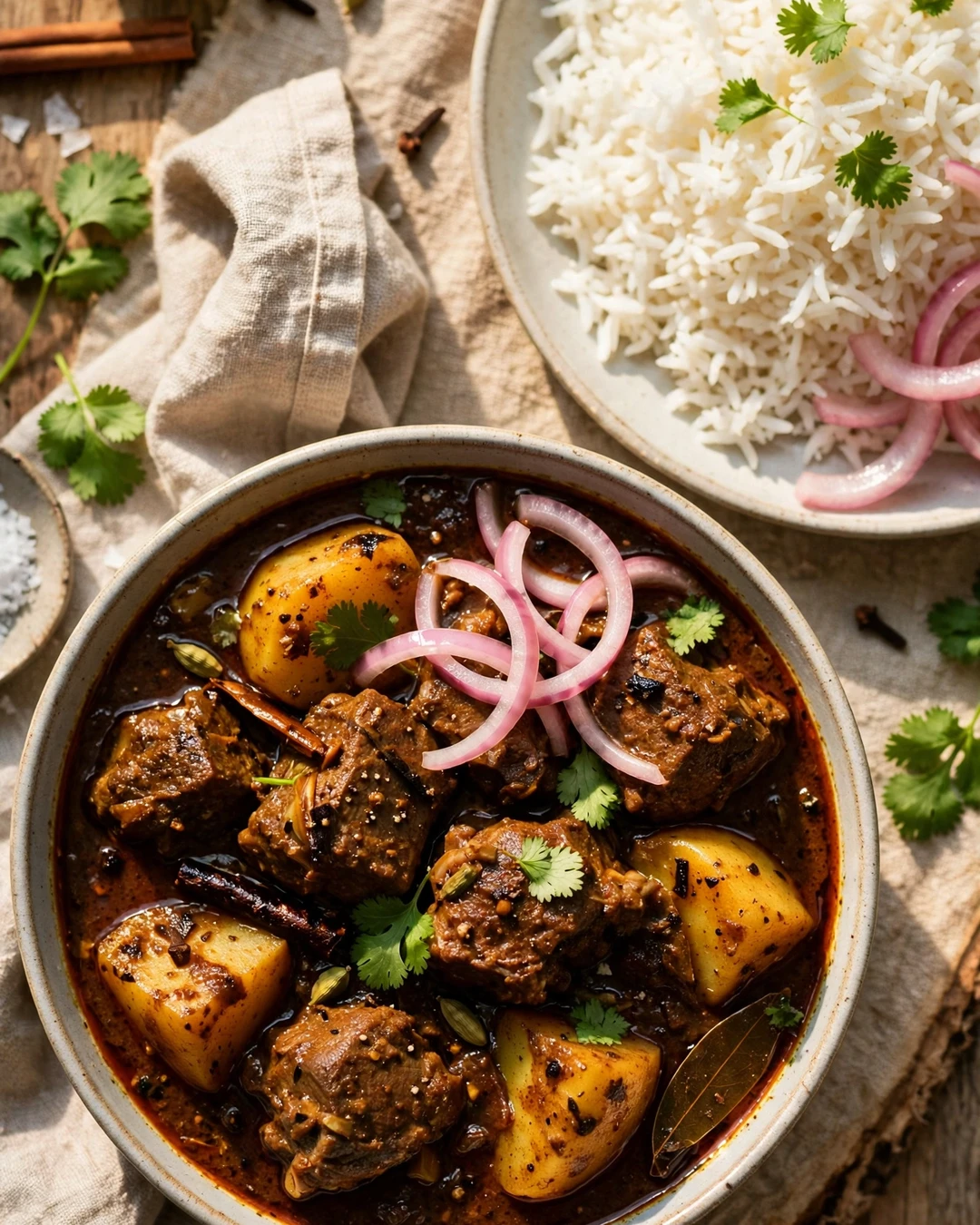
Lamb and coconut milk make a deeply rich curry, with the meat turning fork tender after a long, slow simmer. Warm spices like cinnamon, cardamom and cloves perfume the sauce, and potatoes soak up the gravy beautifully. This is a special occasion curry, the kind you make when you have time and want the house to smell wonderful all afternoon.
Brown lamb chunks well, then simmer them low and slow in coconut milk with onion, spices and tomato until the meat is tender. Potatoes go in during the last half hour so they cook through without dissolving. Skim excess oil from the top if you like, and finish with cilantro and a squeeze of lime to brighten the rich sauce.
Pro Tips
Brown the lamb well for a deeper sauce flavor. Simmer low and slow, since lamb needs time to turn tender. Add potatoes late so they hold their shape, and skim oil if the sauce feels too rich.
Leftovers Taste Better Tomorrow
Coconut curries often taste better on day two, once the spices have settled into the sauce. Store the curry and the rice separately, and reheat gently over low heat with a splash of water or coconut milk to loosen the sauce.
- Brown lamb well before simmering
- Simmer low and slow until tender
- Add potatoes in the last half hour
- Skim oil if sauce feels too rich
Serving Suggestions
Serve with basmati rice or warm flatbread, plus a scattering of cilantro and a side of pickled onion. A cucumber raita cools the palate between rich, spiced bites.
Easy variation: use lamb shoulder for the most tender result, or swap in beef chuck for a similar slow cooked pot. Add a handful of dried apricots for a sweet contrast, and stir in spinach at the end for color. Leftovers taste even better the next day, so make a double batch when you have time.
24. Coconut Curry Ramen
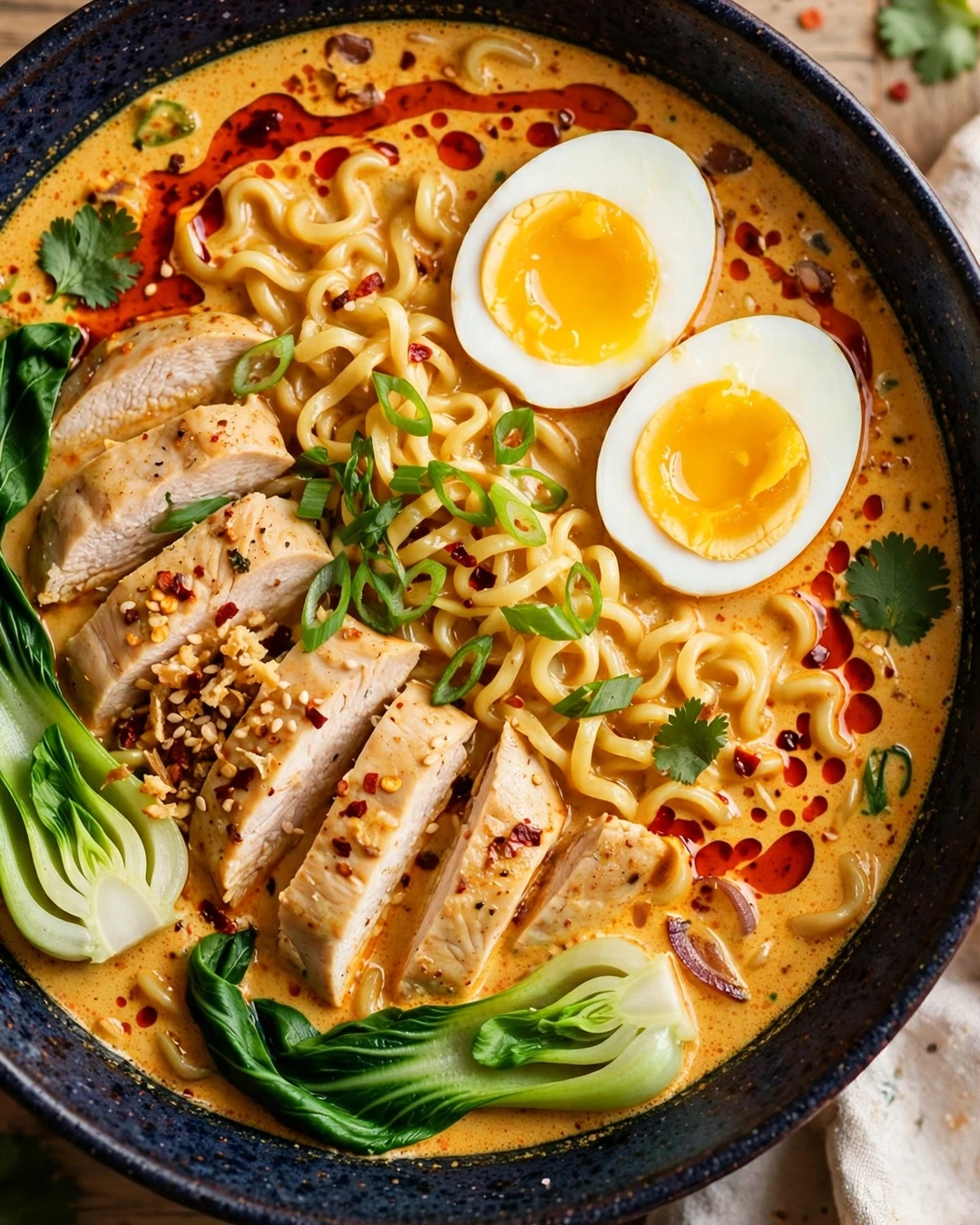
Coconut curry ramen brings together the comfort of ramen and the fragrance of curry in one slurpable bowl. The broth is creamy, spicy and deeply savory, and the toppings make it a complete meal. A soft boiled egg with a jammy yolk is the finishing touch that makes the bowl feel like it came from a noodle shop.
Simmer coconut milk with stock, curry paste, ginger, garlic and soy sauce to make the broth, then cook the noodles separately. Assemble bowls with noodles, sliced chicken or tofu, greens and a halved soft egg, then ladle the hot broth over the top. Finish with chili oil, green onion and a squeeze of lime.
Pro Tips
Cook noodles separately so the broth stays clear and rich. Soft boil eggs for six and a half minutes for a jammy yolk. Taste the broth before assembling, since it should be bold enough to season the noodles.
Shrimp Timing Checklist
Shrimp cook in three to four minutes in hot sauce, and they keep cooking off the heat. Pull the pan off the burner as soon as they curl into a C shape. A tight O shape means they have gone too far, so watch the pot closely in the last minute.
- Cook noodles separately from broth
- Soft boil eggs six and a half minutes
- Taste broth before assembling bowls
- Finish with chili oil and lime
Serving Suggestions
Serve in deep bowls with extra chili oil, lime wedges and sliced green onion on the table. A side of pickled vegetables or a crunchy seaweed salad adds texture and brightness.
Easy variation: use instant ramen noodles without the seasoning packet for a fast base, or swap chicken for mushrooms and tofu for a plant based bowl. Stir in a spoonful of peanut butter for a richer broth. 22 fried apple dishes would be a sweet finish to this noodle night.
Coconut Curry FAQs
Can I use light coconut milk for curry?
You can, but full fat canned coconut milk gives a much richer sauce and is less likely to split. If you use light milk, simmer it very gently and expect a thinner sauce that may need a little reducing.
How do I stop coconut milk from splitting?
Keep the heat at a gentle simmer once the milk is in, and avoid a hard rolling boil. If the sauce does split, whisk in a splash of cold coconut milk off the heat, which often brings it back together.
What is the difference between green, red and yellow curry paste?
Green paste is fresh and herbal with medium heat, red paste is warm and rounded, and yellow paste is mild and golden with turmeric. Panang paste is thicker, sweeter and nuttier than red, while massaman paste is dark and warmly spiced.
Can I make coconut curry ahead of time?
Yes, and most coconut curries taste even better the next day. Store the curry and rice separately in the fridge for up to three days, and reheat gently with a splash of water or coconut milk to loosen the sauce.
How can I make a coconut curry vegan?
Use tofu, chickpeas, lentils or vegetables as the main ingredient, and swap fish sauce for soy sauce or tamari. Check that your curry paste is free of shrimp paste, since some Thai pastes contain it.
What should I serve with coconut curry?
Jasmine or basmati rice is the classic partner, and warm flatbread is great for scooping thicker sauces. Add a fresh side like cucumber salad, pickled vegetables or steamed greens to balance the richness.
Final Thought
From a quick Thai shrimp curry to a slow simmered massaman, these coconut curry recipes prove that one humble can of coconut milk can carry a whole world of flavor. Save your favorites, keep a few cans in the pantry, and let this list be the starting point for many cozy, fragrant dinners to come.