
27 Chicken Lo Mein Recipes
Few takeout orders disappear faster than a carton of noodles, and these 27 chicken lo mein recipes bring that glossy, savory restaurant flavor straight to your own wok. Tender velveted chicken, springy egg noodles, and a sauce that coats every strand: it is all here, in versions that range from the classic takeout style to spicy, nutty, and weeknight easy.
The base technique never changes: velvet the chicken, stir fry hot and fast, and toss the noodles through the sauce until they shine. From there, each recipe bends the formula with a different sauce, protein, or cooking method, so you can match the bowl to your mood, your pantry, and the time you actually have.
Why You’ll Love These Chicken Lo Mein Recipes
- Faster than delivery: most versions hit the table in 30 minutes or less
- One pan dinners: protein, vegetables, and noodles in a single wok
- Sauce your way: sweet, spicy, nutty, or garlicky versions for every mood
- Budget friendly: stretches a few chicken breasts into a full family dinner
- Meal prep approved: leftovers reheat beautifully for lunches all week
1. Classic Takeout Style Chicken Lo Mein
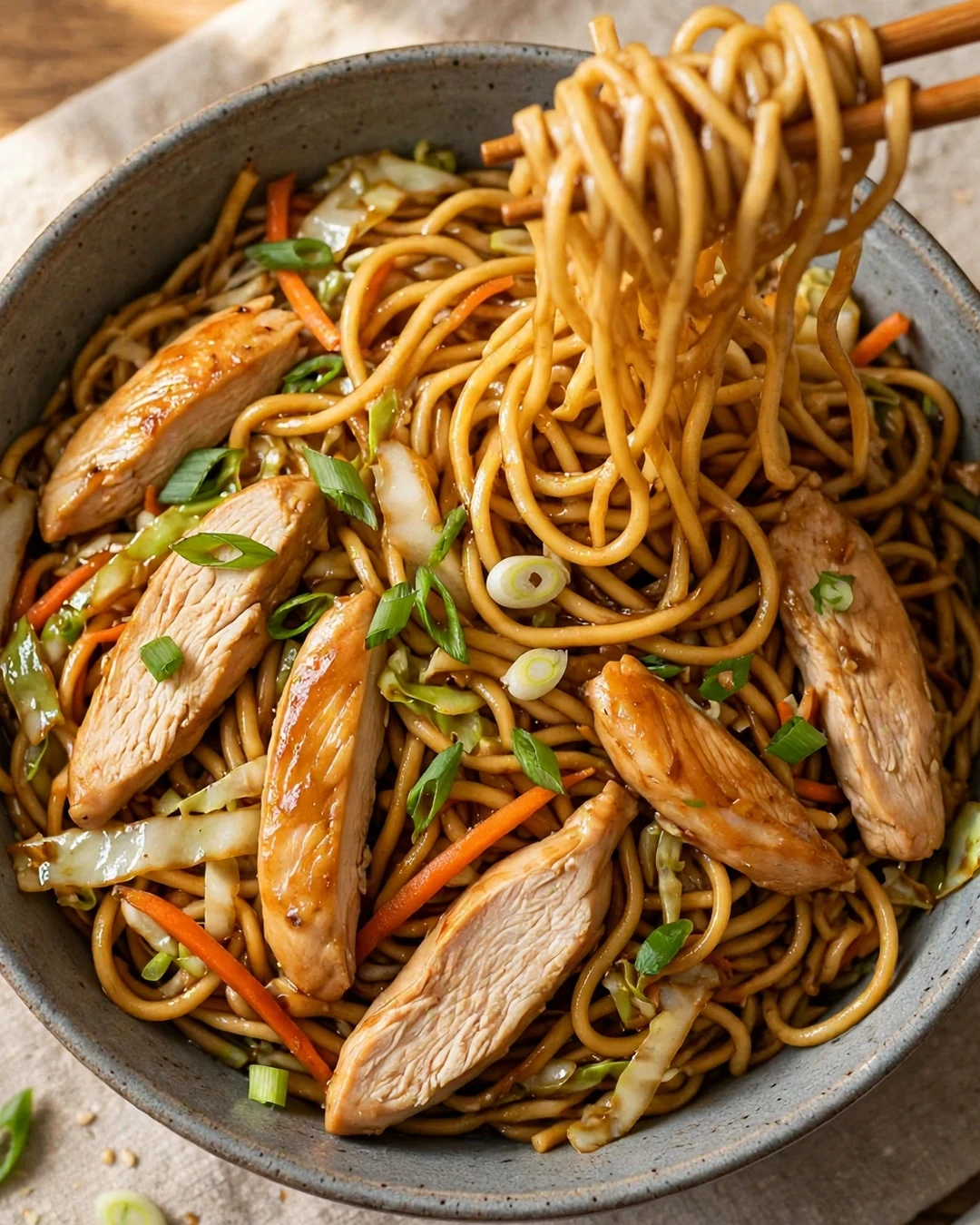
This is the lo mein you picture when the craving hits: glossy egg noodles tangled with tender chicken strips, crunchy cabbage, and sweet carrots, all coated in a savory brown sauce. It tastes like your favorite takeout spot, minus the wait and the delivery fee.
The method mirrors the restaurants. Velvet the chicken in cornstarch and soy sauce so it stays silky, sear it hot and fast, then stir fry the vegetables until just tender crisp. Cook the noodles until barely done, toss everything with the sauce, and let the noodles drink it up for one final minute in the wok.
Pro Tips
A screaming hot wok and dry noodles are the two pillars of great lo mein. Shake off as much water as possible after draining, because wet noodles steam instead of fry and dilute the sauce. Cook in batches if your pan is small so every strand gets a little char.
- Velvet the chicken 15 minutes before cooking
- Drain noodles well; wet noodles steam and turn gummy
- Keep the wok hot and work in batches if needed
- Taste the sauce before tossing; adjust soy and sugar
Serving Suggestions
Serve it straight from the wok in warm bowls with extra scallions on top. Egg rolls and a cucumber salad round out the takeout at home menu, and if rice is more your mood tonight, these fried rice recipes deliver the same cozy satisfaction.
Leftovers keep well for three days in the fridge, and a quick toss in a hot skillet with a splash of water brings the noodles right back to life. This classic version is the one to master first, because once the basic sauce and timing feel easy, every other variation in this list opens up to you.
2. Spicy Chicken Lo Mein

For the nights when regular takeout tastes too tame. Chili garlic sauce and a pinch of Sichuan pepper bring a slow, building heat that clings to every noodle, while the chicken and vegetables keep things hearty and balanced.
Build the heat in layers: chili crisp in the sauce, fresh jalapeno or Thai chiles with the vegetables, and a final drizzle of chili oil at the table for anyone who wants more. The base sauce stays the same as the classic, so the heat never bulldozes the savory depth underneath.
Pro Tips
Balance is everything with a spicy noodle dish. A teaspoon of sugar and a squeeze of lime at the end keep the heat bright instead of harsh. If the sauce gets too fiery, a splash of chicken broth and a spoonful of peanut butter smooth it out fast.
- Start with 1 tablespoon chili garlic sauce; add more later
- Sugar and lime keep the heat bright, not harsh
- Chili oil at the table lets everyone set their level
- Have all ingredients prepped before the wok heats up
Serving Suggestions
Something cool on the side helps: a smashed cucumber salad or simple steamed edamame. Keep cold drinks close, and offer extra chili oil and fresh cilantro at the table so heat lovers can push it further.
This is the version that converts mild food friends one noodle pull at a time, because the heat sneaks in after the savory flavor lands. Make a double batch of the spicy sauce and keep it in the fridge; it wakes up fried rice, dumplings, and plain ramen nights with almost no effort at all.
3. Garlic Chicken Lo Mein

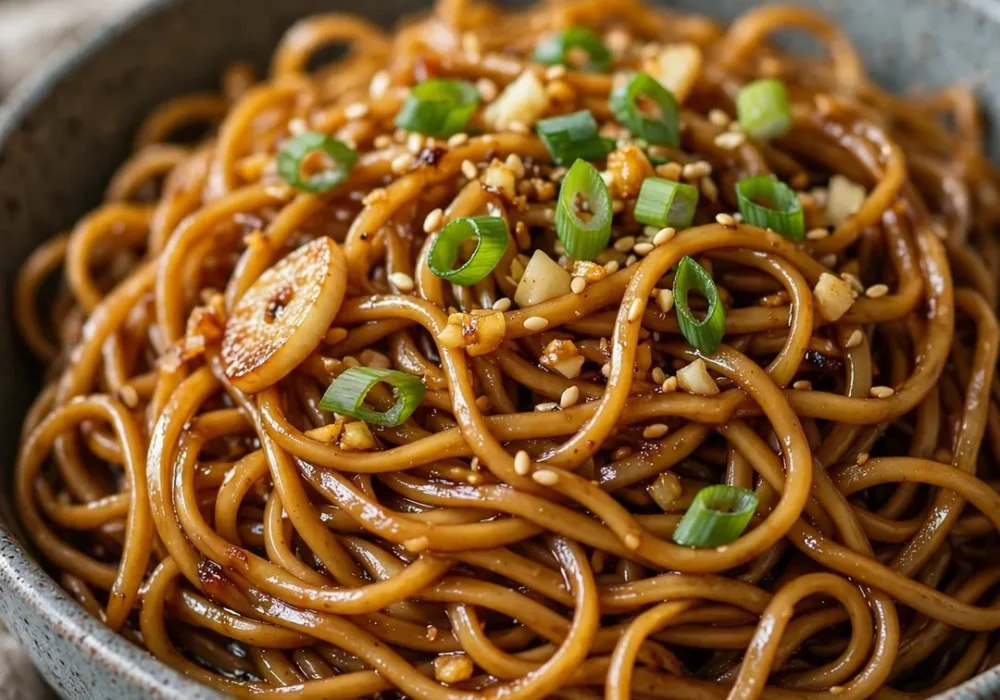
Garlic lovers, this is your bowl. A full head of garlic, half minced into the sauce and half fried into golden chips for the top, gives this lo mein a deep, sweet, unmistakably garlicky punch in every single bite.
Fry the sliced garlic first in the wok oil until pale gold, then scoop it out so it stays crisp. That same oil now carries garlic flavor into the chicken and vegetables. Stir the minced garlic in during the last minute so it stays fragrant instead of bitter.
Pro Tips
Garlic burns fast in a hot wok, so keep it moving and never let it go past golden. Fresh garlic only here; the jarred kind tastes flat and slightly sour in a dish where garlic is the star. A knob of butter at the end adds a rich finish.
- Fry garlic chips first and reserve that flavored oil
- Add minced garlic late so it never burns bitter
- Fresh garlic only; jarred tastes flat in this dish
- Finish with butter for a rich, glossy sauce
Serving Suggestions
Garlic bread feels redundant, so go green instead: steamed broccoli or a simple sesame cucumber salad. A bowl of hot and sour soup on the side turns it into a full takeout style feast.
If your household measures garlic in heads rather than cloves, feel free to push it further with roasted garlic stirred into the sauce for extra sweetness. The garlic chips keep for a few days in a sealed jar and are wonderful scattered over fried rice, eggs, and any noodle bowl you make next.
4. Ginger Sesame Chicken Lo Mein

Fresh ginger and toasted sesame oil give this version a warm, nutty aroma that feels a little lighter than the classic. It is the bowl to make when you want takeout flavor with a fresher, brighter edge.
Grate the ginger fine so it melts into the sauce, and add half at the start and half at the finish to get both cooked warmth and raw zing. The sesame oil goes in off the heat, because its delicate aroma disappears if it boils.
Pro Tips
Peel ginger with the edge of a spoon to waste none of the flesh. Toast your own sesame seeds in a dry pan for two minutes; the flavor difference over pre toasted is real. A few drops of rice vinegar in the sauce sharpen the whole dish.
- Add ginger in two stages for warmth and zing
- Sesame oil goes in off the heat to protect its aroma
- Toast sesame seeds fresh for the best flavor
- Prep everything before the wok gets hot
Serving Suggestions
This lighter style pairs beautifully with steamed dumplings or a simple miso soup. Scatter extra sesame seeds and sliced scallions over each bowl, and serve with lime wedges for anyone who likes a citrus lift.
Ginger sesame is also the kindest version for sensitive stomachs, since the heat is gentle and the flavors stay clean. Try it with ground chicken or turkey when you want a change of pace; the sauce flatters both, and the cooking order stays exactly the same from start to finish every single time.
5. Vegetable Loaded Chicken Lo Mein

Half chicken stir fry, half garden party. This version doubles the vegetables: broccoli, bell peppers, snow peas, mushrooms, carrots, and cabbage all share the wok, so every forkful is as much crunch and color as noodle.
The trick is sequencing. Dense vegetables like broccoli and carrots go in first with a splash of water to steam fry, while delicate snow peas and greens join for the final minute. Keep the chicken portion modest and let the produce run the show.
Pro Tips
Cut vegetables into similar sizes so they finish together. A bag of coleslaw mix is a legitimate shortcut for the cabbage and carrots. Do not drown the pan; if the vegetables release too much water, scoop some out so the noodles still fry.
- Start dense vegetables first, delicate ones last
- Coleslaw mix is a smart cabbage shortcut
- Keep pieces bite size and evenly cut
- Add a splash of water to steam fry broccoli
Serving Suggestions
This one is practically a meal in a bowl, so sides can stay simple: pickled radishes or a light seaweed salad. It is also a great clean out the fridge dinner before grocery day.
Think of this recipe as a template rather than a rulebook, because nearly any sturdy vegetable works here: zucchini in summer, Brussels sprouts in fall, asparagus in spring. As long as you respect the cooking order and keep the wok hot, the result stays crisp, colorful, and deeply satisfying for everyone at the table.
6. Shrimp and Chicken Lo Mein

Why choose? Plump shrimp and tender chicken share the noodles in this surf and turf takeout classic. The shrimp bring sweetness, the chicken brings substance, and the sauce ties them together beautifully.
Cook the proteins separately for perfect timing: chicken first until just done, then shrimp for barely two minutes until pink and curled. Everything reunites in the wok at the end with the noodles and sauce, so nothing overcooks while you juggle the stir fry.
Pro Tips
Pat shrimp very dry before they hit the wok or they will steam and turn rubbery. Medium shrimp are the sweet spot for lo mein; tiny salad shrimp vanish among the noodles. A pinch of white pepper in the sauce is the quiet seasoning restaurants use.
- Cook chicken and shrimp separately, combine at the end
- Dry shrimp well for a proper sear
- Shrimp need only 2 minutes in the hot wok
- White pepper adds quiet restaurant style warmth
Serving Suggestions
Serve with hot and sour soup or simple steamed greens. Seafood fans can find more weeknight inspiration in these shrimp recipes, which pair naturally with noodle night.
This is the order to make when you are feeding both seafood lovers and loyal chicken fans at the same table, because nobody has to compromise. Keep a bag of frozen shrimp in the freezer and this slightly fancy dinner stays firmly in weeknight territory all year long for your family.
7. Beef and Chicken Lo Mein

The combination plate, noodle edition. Strips of flank steak and chicken cook together in one generous wok of noodles, giving you two proteins, double the savory depth, and a dinner that satisfies the whole table.
Slice the beef thin against the grain and give it the same velveting treatment as the chicken. Sear the beef first for the deepest crust, then the chicken, then combine everything at the end. A little extra sauce is smart here because two proteins drink up more of it.
Pro Tips
Partially freezing the flank steak for 30 minutes makes paper thin slices easy. Dark soy sauce adds the deep mahogany color takeout noodles are famous for. Rest the seared beef while you cook the chicken so its juices stay in the meat.
- Freeze beef 30 minutes for easy thin slicing
- Velvet both proteins the same way
- Dark soy sauce gives takeout style color
- Make a little extra sauce for two proteins
Serving Suggestions
This hearty bowl needs little more than a crisp cucumber salad or steamed bok choy. Slicing tips and marinades in these chicken breast recipes carry over perfectly to the chicken half of this dish.
Combination lo mein is the smartest way to use up the last chicken breast and a small piece of steak lingering in the fridge. Nothing goes to waste, everyone gets a bit of both, and the wok does all the work in one fast, satisfying round of cooking tonight.
8. Teriyaki Chicken Lo Mein

Sweet, glossy, and kid approved. Homemade teriyaki sauce coats the noodles and chicken in a shiny glaze that tastes like the mall food court favorite, only fresher and far less sticky sweet.
Reheating Without Sad Noodles
Sprinkle a teaspoon of water over the noodles before microwaving and cover the container loosely. The steam wakes the sauce and loosens the strands without drying the chicken. Ninety seconds, a good toss, then thirty seconds more is the sweet spot for a full container.
Teriyaki is just soy sauce, mirin, and sugar simmered until syrupy, with ginger and garlic for depth. Toss the hot noodles in the pan and let the sauce reduce right on them, which is how you get that signature lacquered finish on every strand.
Pro Tips
Reduce the sauce in the pan with the noodles rather than just pouring it over; that is the difference between coated and glazed. Watch closely once the sugar starts bubbling, because teriyaki goes from glossy to scorched in seconds. Broccoli and carrots are natural partners here.
- Simmer soy, mirin and sugar until syrupy
- Glaze the noodles directly in the pan
- Watch the sugar; it scorches fast
- Fresh ginger beats powdered every time
Serving Suggestions
A side of steamed edamame and pickled ginger keeps the Japanese steakhouse theme going. The same homemade sauce is wonderful on fish, as these salmon dinner recipes prove beautifully.
Because teriyaki leans sweet, it is often the first lo mein that picky eaters accept, which makes it a quiet hero for family dinners. Stir a spoonful of the sauce into mayonnaise and you have an instant drizzle for rice bowls, burgers, and roasted vegetables later in the week too.
9. Hoisin Chicken Lo Mein

Hoisin brings a sweet, fermented depth that soy sauce alone cannot match. This version tastes a little richer and darker, with a gentle five spice warmth humming underneath the noodles.
Hoisin is thick, so loosen it with a splash of chicken broth and balance it with rice vinegar and a pinch of sugar. Mushrooms and bean sprouts are the classic partners; the sprouts go in at the very end so they stay crisp.
Pro Tips
Hoisin brands vary in sweetness, so taste the sauce before it hits the wok and adjust. A little hoisin also makes a fantastic glaze brushed on the chicken as it sears. Keep the bean sprouts out of the pan until the final toss.
- Loosen thick hoisin with a splash of broth
- Balance sweetness with rice vinegar
- Brush hoisin on chicken while it sears
- Bean sprouts go in last to stay crisp
Serving Suggestions
Serve with quick pickled carrots and a sprinkle of crushed peanuts. A cold jasmine iced tea cuts the richness nicely, and steamed greens on the side keep the plate balanced.
Once a jar of hoisin lives in your fridge door, it starts appearing everywhere: brushed on ribs, swirled into dipping sauces, spread in wraps. This noodle bowl is simply its best introduction, dark and glossy and just sweet enough to keep everyone reaching back into the wok for one more serving.
10. Peanut Sauce Chicken Lo Mein

Creamy, nutty, and just a little spicy, peanut sauce turns lo mein into something that tastes part Thai, part takeout, and entirely addictive. The sauce clings to the noodles like a warm blanket.
Whisk peanut butter with soy sauce, lime juice, honey, chili garlic sauce, and warm water until it pours like heavy cream. Warm water is the secret: cold water makes peanut butter seize into a stubborn paste. Toss with hot noodles and the sauce loosens into a glossy coat.
Pro Tips
Natural peanut butter gives the purest peanut flavor; if using sweetened, cut the honey. Reserve a mug of hot noodle water for thinning the sauce to the perfect pour. Shredded cabbage and carrots add the crunch this creamy bowl needs.
- Whisk the sauce with warm water, never cold
- Save noodle water for thinning to a glossy pour
- Crunchy vegetables balance the creamy sauce
- Crushed peanuts and lime on top are essential
Serving Suggestions
Serve with lime wedges and extra crushed peanuts, plus a Thai style cucumber salad. This is the richest bowl on the list, so small portions with big salads on the side work well.
Peanut sauce keeps for a week in the fridge and doubles as a dip for spring rolls, a dressing for slaw, and a drizzle over grilled chicken. Make extra on purpose, because once your family tastes these noodles, requests for peanut sauce night tend to arrive on a very regular schedule.
11. Thai Style Chicken Lo Mein

A detour through Bangkok: fish sauce, lime, Thai basil, and a touch of palm sugar give these noodles a sweet, sour, salty balance that tastes like your favorite Thai street stall.
The seasoning shifts rather than the technique. Fish sauce replaces part of the soy, lime juice goes in at the end, and a handful of Thai basil wilts into the hot noodles. Bean sprouts and crushed peanuts on top finish the street food picture.
Pro Tips
Fish sauce is potent; start with a tablespoon and build. Thai basil has a peppery, anise note that sweet basil cannot copy, though sweet basil still works. Palm sugar dissolves best when grated or warmed in the sauce.
- Fish sauce in small steps; it is potent
- Lime juice goes in at the very end
- Thai basil wilts into the hot noodles
- Balance sweet, sour, salty before serving
Serving Suggestions
Serve with extra lime, peanuts, and chili flakes at the table so everyone can fine tune their bowl. A green papaya or cucumber salad on the side keeps everything bright and fresh.
Thai night at home becomes a habit once you stock fish sauce, lime, and basil, because the same trio seasons soups, salads, and stir fries too. This lo mein is the friendliest place to start: familiar noodles, exciting flavors, and a balance you can adjust bite by bite until it sings.
12. Mongolian Chicken Lo Mein

Inspired by the famous beef dish, this chicken version leans into a glossy, sweet brown sauce loaded with green onions. It is sticky, savory, and dangerously easy to eat straight from the pan.
Brown sugar and soy sauce simmer into a syrup that coats the chicken in a shiny glaze. The green onions go in by the cupful, half cooked into the sauce and half scattered raw on top, which gives the dish its signature look and gentle onion bite.
The Lo Mein Cooking Order
Great lo mein happens fast, in this order: sear the chicken and set it aside, stir fry the hardest vegetables first, add quick cooking greens last, then return the chicken with the drained noodles and sauce. Total wok time is about six minutes, so everything must be chopped and within reach before you start.
Pro Tips
Let the chicken sear undisturbed for the first minute to build the crust the sauce clings to. Dark brown sugar gives deeper caramel flavor than light. If the glaze gets too thick, a splash of water brings back the shine.
- Dark brown sugar for deeper caramel flavor
- Sear undisturbed for a sauce ready crust
- Green onions in two waves, cooked and raw
- Thin a tight glaze with a splash of water
Serving Suggestions
Steamed jasmine rice or simple garlic green beans stand up well to the sweet richness. A sprinkle of sesame seeds finishes the restaurant look, and chili flakes help anyone who wants contrast.
Mongolian style is the crowd pleaser to cook for guests who claim they do not like spicy or complicated food, because the flavors are familiar and the sauce is pure comfort. It also scales gracefully for a crowd: double the sauce, cook in batches, and combine everything in your biggest bowl.
13. Honey Garlic Chicken Lo Mein

Sticky, sweet, and garlicky in the best way. Honey garlic sauce is the one kids ask for by name, and on noodles it becomes a glossy, finger licking dinner that vanishes fast.
Honey burns quicker than sugar, so add the sauce near the end and keep the noodles moving. The garlic goes in early enough to mellow but not so early that it scorches. A spoonful of butter whisked in at the finish gives the sauce a restaurant shine.
Pro Tips
Use real honey for the best flavor; the squeeze bottle kind is fine. A tiny pinch of red pepper flakes keeps the sweetness in check without making it spicy. Cornstarch in the sauce helps it cling to every noodle instead of pooling.
- Add honey sauce late; honey burns quickly
- A pinch of chili flakes balances the sweet
- Butter at the end for restaurant shine
- Cornstarch helps the glaze cling to noodles
Serving Suggestions
Steamed snap peas and carrots add color and crunch, or serve the noodles alongside simple roasted broccoli. This is a natural partner for egg rolls and potstickers on a family takeout night.
Honey garlic is also a brilliant gateway sauce for getting hesitant eaters to try new vegetables, since everything tastes friendly under that glossy coat. Sneak in zucchini, peas, or shredded cabbage and watch them disappear without a single negotiation at the dinner table tonight or any busy weeknight after.
14. Black Pepper Chicken Lo Mein

Bold, peppery, and a little bit fiery. Freshly cracked black pepper is the headline here, toasted in the wok until fragrant, giving the noodles the same punch as the famous black pepper chicken from takeout menus.
Crack the pepper coarse, not fine, and toast it in the hot oil for 30 seconds before anything else goes in. Onions and bell peppers are the classic partners, cooked until their edges char slightly and their sweetness answers the pepper heat.
Pro Tips
A mix of black and white pepper adds complexity if you have both. The sauce needs a touch more sugar than usual to stand up to the pepper. Keep the vegetables in big pieces so they char rather than steam.
- Crack pepper coarse and toast it in hot oil
- Fresh cracked only; old ground pepper tastes dusty
- Extra sugar balances the pepper bite
- Big vegetable pieces char instead of steaming
Serving Suggestions
A cooling side helps: simple steamed rice cakes or a cucumber salad. Cold iced tea at the table suits this bowl well, because it brings a pleasant, lingering warmth.
Black pepper lo mein is the fastest way to make a familiar dinner feel brand new, because the flavor is bold without adding a long ingredient list. Keep a dedicated pepper mill by the stove and you will find yourself cracking it over eggs, soups, and roasted potatoes all week long too.
15. Kung Pao Chicken Lo Mein

All the tingle and crunch of kung pao chicken, tossed through noodles. Dried red chiles, roasted peanuts, and Sichuan peppercorns bring the famous ma la buzz, while a glossy sweet sour sauce keeps every bite balanced.
Toast the peppercorns and chiles in oil first so their flavor perfumes the whole dish, but watch them closely; dried chiles go from fragrant to burnt in seconds. The sauce leans on black vinegar and sugar for that signature sweet tang under the heat.
Pro Tips
Grind half the toasted peppercorns and leave half whole for layers of tingle. Chinese black vinegar is the authentic choice; balsamic is an acceptable stand in. Add the peanuts at the end so they stay crunchy against the soft noodles.
- Toast chiles and peppercorns first, watch closely
- Black vinegar brings the signature tang
- Peanuts go in last to stay crunchy
- Sugar balances the ma la heat
Serving Suggestions
Serve with simple steamed greens to reset the palate between bites. Keep extra peanuts and chile oil at the table, and warn sensitive eaters that the tingle builds slowly.
Kung pao night teaches you the joy of a well stocked spice shelf, because peppercorns and dried chiles keep for months and transform plain chicken on demand. Once this noodle version lands in your rotation, the original rice version may start feeling like it is missing something important: the noodles themselves.
16. Low Carb Zucchini Noodle Chicken Lo Mein

All the sauce and sizzle, a fraction of the carbs. Spiralized zucchini stands in for egg noodles in this lighter bowl that still eats like a proper lo mein, thanks to the same glossy sauce and hot wok technique.
Zucchini releases water, so the method changes slightly: salt the zoodles and let them drain for 15 minutes, then sear them in a ripping hot, dry wok for just one minute. Cook the chicken and sauce first, then fold the zoodles in off the heat to keep their bite.
Pro Tips
Never boil zoodles; they go from crisp to soup in seconds. A very hot, uncrowded pan is your best defense against a watery bowl. Two medium zucchini per person sounds like a lot, but they shrink dramatically in the wok.
- Salt and drain zoodles 15 minutes first
- Sear zoodles 1 minute in a dry, hot wok
- Fold zoodles in off the heat to keep their bite
- Cook sauce and chicken before the zoodles
Serving Suggestions
Serve immediately in shallow bowls, because zoodles keep releasing liquid as they sit. A sprinkle of sesame seeds and scallions finishes it, and a side of steamed edamame rounds out the protein.
This lighter bowl proves the sauce is the real star of lo mein, since it flatters zucchini just as happily as egg noodles. Swap in summer squash or a mix of both when the garden is generous, and keep the timing exactly the same for a crisp, never soggy result every time.
17. Gluten Free Chicken Lo Mein

Nobody at the table should miss noodle night. With tamari in the sauce and the right noodle swap, gluten free lo mein tastes every bit as glossy and savory as the classic, no compromises and no separate dinner.
Rice noodles are the easiest swap: soak them in hot water until pliable instead of boiling, because they finish cooking in the sauce. Tamari replaces soy sauce one to one, and a certified gluten free oyster sauce keeps the body of the original.
Pro Tips
Check every sauce label; wheat hides in more products than you expect. Rice noodles break easily, so toss gently with tongs instead of stirring hard. Undercook the noodles slightly since they keep absorbing sauce off the heat.
- Tamari swaps for soy sauce one to one
- Soak rice noodles; never boil them hard
- Toss gently so noodles do not break
- Read sauce labels for hidden wheat
Serving Suggestions
Serve exactly like the classic, with sesame seeds and scallions. For another pantry friendly noodle night, these spaghetti recipes include plenty of adaptable ideas for every eater.
Cooking gluten free for family or friends stops feeling like a chore once the pantry holds tamari and rice noodles as staples. This bowl disappears at the same speed as the original, which is the only review that really matters when everyone is eating together at one happy table tonight.
18. Instant Pot Chicken Lo Mein

A dump, press, and done noodle dinner. The pressure cooker cooks the noodles right in the sauce, so they absorb flavor as they soften, and you walk away while dinner handles itself.
Layering matters in the pot: broth and sauce first, noodles fanned on top so they do not clump, then vegetables and raw chicken strips. Four minutes at high pressure with a quick release gives tender noodles; stir everything well and the sauce thickens as it stands.
Pro Tips
Fan the noodles in a crisscross pattern so they cook evenly and do not glue together. Spaghetti or linguine stand in fine if egg noodles are unavailable; both handle pressure well. Add delicate greens after cooking and let the residual heat wilt them.
- Layer sauce first, noodles fanned on top
- 4 minutes high pressure, quick release
- Stir well after opening; sauce thickens as it stands
- Wilt greens in the residual heat
Serving Suggestions
Serve straight from the pot with sesame seeds and scallions. If you love set and forget chicken dinners, these crock pot chicken recipes belong on your list too.
Noodle Swap Guide
| Noodle | Best For | Cook Note |
|---|---|---|
| Fresh egg noodles | Classic lo mein | Boil 2 minutes, rinse cool |
| Dried egg noodles | Pantry nights | Cook 1 minute shy of package time |
| Spaghetti | Easy substitute | Salt the water well, cook just tender |
| Rice noodles | Gluten free bowls | Soak in hot water, do not boil |
The Instant Pot version will not give you wok char, and it does not pretend to; what it gives is a reliable, hands off dinner on the nights when standing at the stove is not happening. Flavorful, filling, and ready with almost no washing up afterward for anyone cooking tonight.
19. Slow Cooker Chicken Lo Mein

For the days when dinner needs to cook itself. The slow cooker handles the chicken and sauce low and slow, and the noodles join at the end, so you get tender, sauce soaked chicken with almost no active cooking.
Chicken thighs are the right cut here because they stay juicy for hours. Cook the chicken in the sauce on low for 4 hours, shred or slice it, then stir in the cooked noodles and quick vegetables for the last 20 minutes so nothing turns mushy.
Pro Tips
Never add raw noodles at the start; four hours turns them to paste. Cook them separately and add at the end. A cornstarch slurry in the last half hour gives the sauce the glossy body that slow cookers tend to thin out.
- Chicken thighs stay juicy for hours
- Noodles always go in at the end, cooked
- Cornstarch slurry restores glossy body
- Quick vegetables join with the noodles
Serving Suggestions
Ladle into bowls and finish with sesame oil and scallions right before serving. Crispy sides from these air fryer chicken recipes make a fun contrast to the soft, saucy noodles.
Slow cooker lo mein is built for the busiest evenings of the year: practice nights, late meetings, and holiday crunch weeks. The sauce waits patiently, the chicken only gets more tender, and the final assembly takes less time than ordering delivery and waiting for it to arrive at your door.
20. Meal Prep Chicken Lo Mein
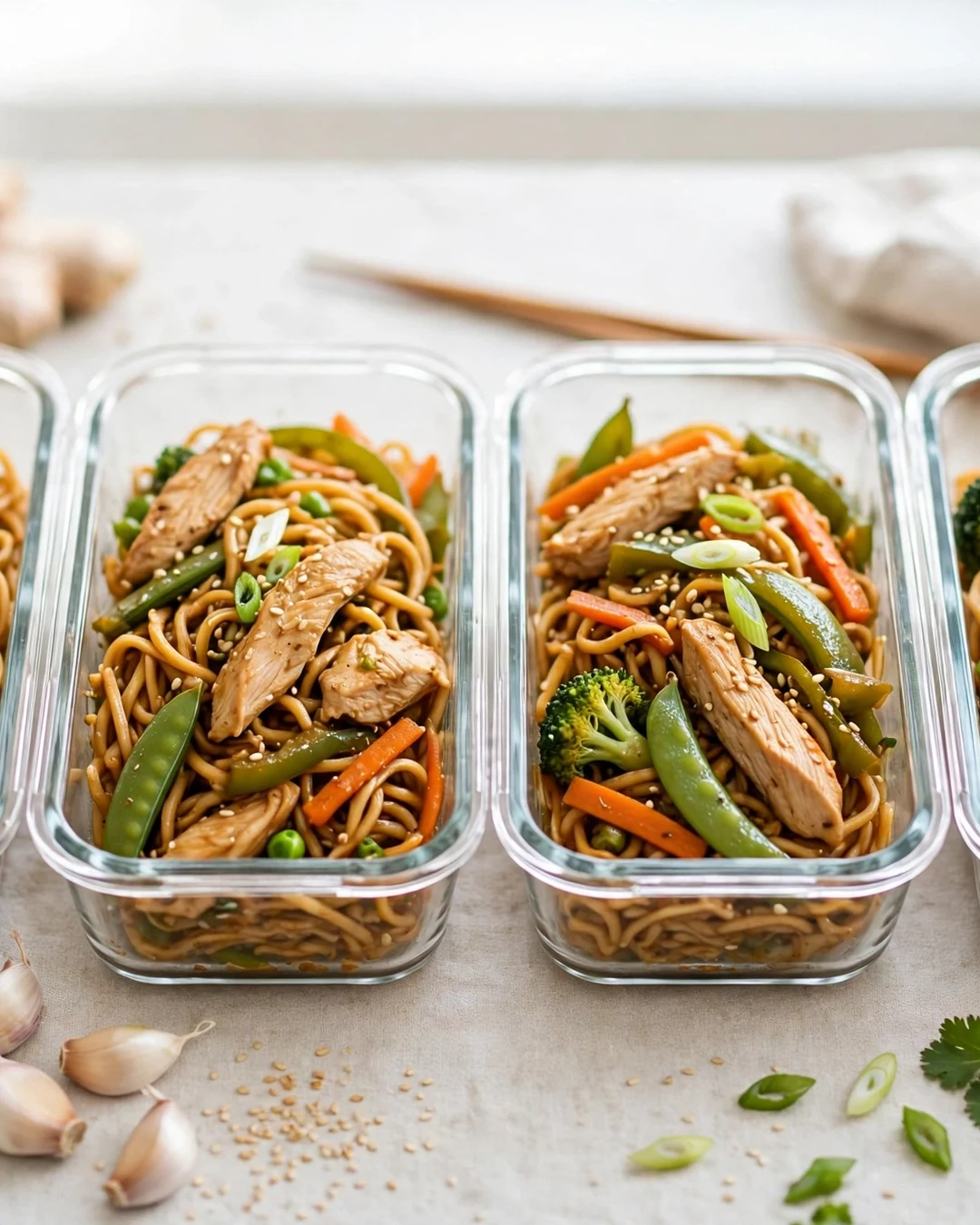
Sunday you cooks once, weekday you eats like a takeout regular. This version is engineered for containers: sturdy vegetables, sauce that keeps its body, and noodles that stay springy after reheating.
Slightly undercook the noodles and cool them fast so they do not keep softening in the container. Keep the sauce a touch thicker than usual because vegetables release liquid as they sit. Portion with the sauce pooled at the bottom so reheating redistributes it evenly.
Pro Tips
Choose sturdy vegetables like carrots, cabbage, and green beans that reheat without going limp. Store scallions and sesame seeds separately and add them fresh after reheating for a just cooked feel. Glass containers reheat most evenly.
- Undercook noodles slightly; cool them fast
- Make the sauce thicker than usual
- Sturdy vegetables only for reheating well
- Fresh toppings go on after reheating
Serving Suggestions
Pack with a fork and a small container of chili crisp for desk lunch excitement. Four containers of this plus a simple soup rotation covers the work week with zero morning effort.
Meal prep lo mein pays for its half hour of Sunday effort all week long, in saved money, saved time, and lunches you actually look forward to eating. Rotate the sauce each week, spicy one week and peanut the next, and the same base recipe never feels repetitive or boring again.
21. Frozen Veggie Shortcut Chicken Lo Mein
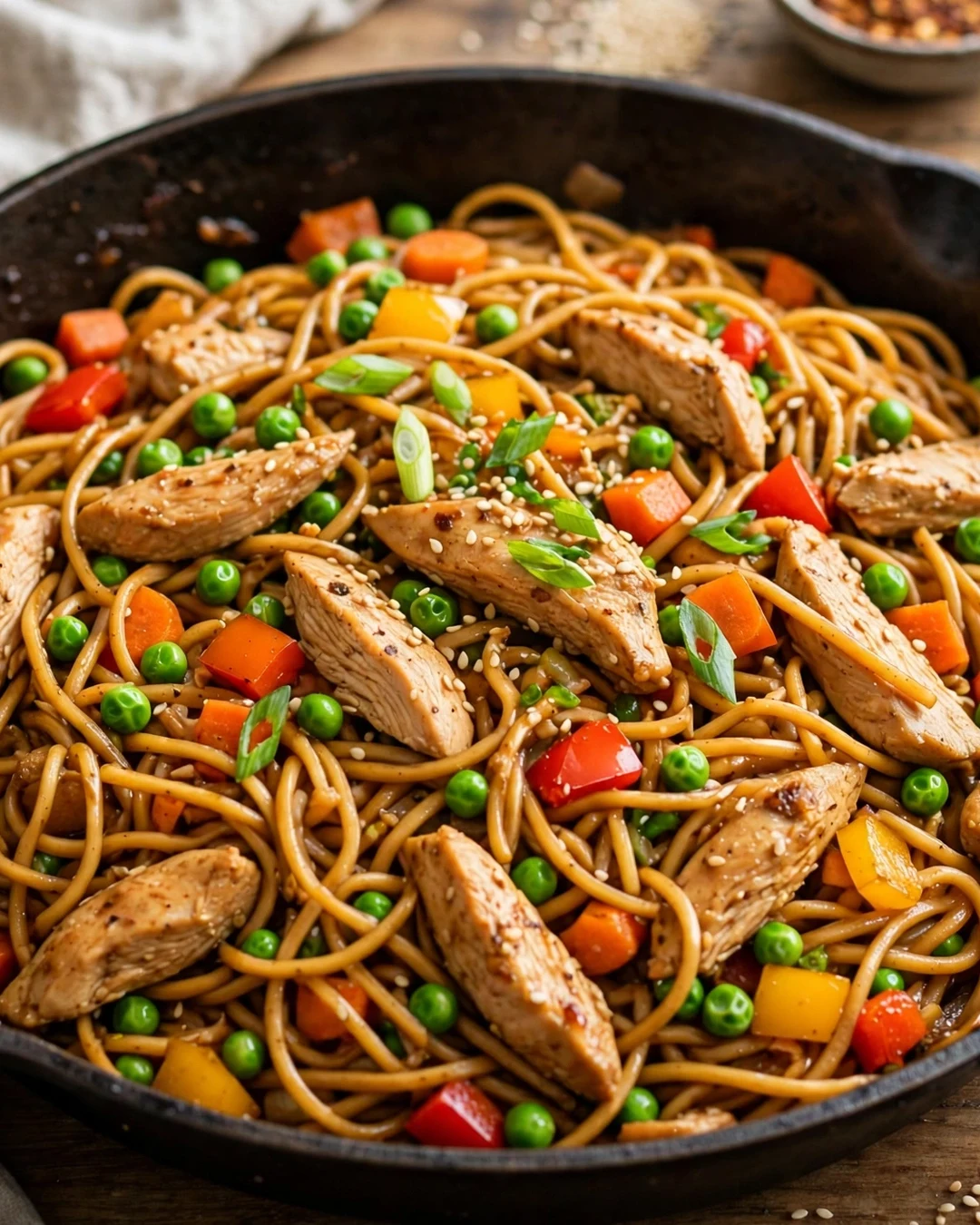
The emergency dinner that still tastes like real cooking. A bag of frozen stir fry vegetables, pantry sauce, and noodles from the cupboard turn into lo mein in about fifteen minutes flat.
Frozen vegetables carry extra water, so cook them in the hot wok a minute longer and let the moisture evaporate before the noodles go in. Choose a blend with peppers, peas, and carrots, and keep a bag in the freezer as your standing backup plan.
Pro Tips
Do not thaw the vegetables first; straight from frozen into a hot wok keeps them crisper. A pinch of sugar in the sauce compensates for the slightly muted flavor of frozen produce. Rotisserie chicken makes this even faster on truly chaotic nights.
- Frozen vegetables go in straight from the bag
- Let extra moisture cook off before adding noodles
- A pinch of sugar lifts frozen vegetable flavor
- Rotisserie chicken cuts the time even further
Serving Suggestions
Serve with whatever is around: a fried egg on top is excellent. For more rescue dinners, these one-pot pasta recipes follow the same fast and forgiving philosophy.
Every household needs three or four dinners that can happen with no fresh groceries in the house, and this lo mein earns its place on that list. It has saved more weeknights than any recipe in this collection, quietly, cheaply, and with absolutely no complaints from anyone at the table.
22. Broccoli Chicken Lo Mein

The takeout menu staple, done right at home. Bright green broccoli florets catch the glossy sauce in every little branch, and their slight bitterness is exactly what a rich noodle sauce wants beside it.
Blanch the broccoli for one minute or steam fry it in the wok with a splash of water so it stays vivid and crisp tender. Burnt or olive drab broccoli is the only way to ruin this dish, so guard the color like it matters, because it does.
Lo Mein Sauce Pantry Checklist
Keep these on hand and any lo mein is 20 minutes away: regular and dark soy sauce for color, oyster sauce for body, Shaoxing wine or dry sherry, toasted sesame oil, cornstarch for velveting, white pepper, and a little sugar to balance the salt. Everything else is fresh produce and protein.
Pro Tips
Cut florets small so they tumble evenly through the noodles. The stems are delicious peeled and sliced thin; do not throw them away. A little extra garlic in the sauce is traditional here and worth it.
- Blanch or steam fry broccoli to keep it bright
- Small florets tumble best through noodles
- Peel and slice the stems; they are delicious
- Extra garlic suits this version perfectly
Serving Suggestions
A bowl of egg drop soup alongside makes the classic takeout pairing. Serve the noodles family style in your biggest bowl and let everyone dig for their favorite broccoli pieces.
Broccoli lo mein is the dish that taught many home cooks that vegetables can be the best part of noodle night rather than an obligation. Once you trust the blanching step, the florets stay green and snappy every time, and the whole bowl looks as good as it tastes tonight.
Pepper Mistakes to Skip
Do not use pre ground pepper that has sat in the pantry for a year; it tastes dusty, not fiery. Do toast the cracked pepper briefly in hot oil to wake it up. Do not add the pepper only at the table; it needs the wok heat to bloom. Do crack it coarse so every bite gets a little crunch of heat.
23. Mushroom Chicken Lo Mein

Deep, earthy, and quietly luxurious. A mix of mushrooms brings the savory depth that makes this version taste like it simmered for hours, even though the wok work is measured in minutes.
Sear the mushrooms in a single layer and leave them alone until they brown; crowded mushrooms steam and squeak instead of crisping. Shiitake bring the deepest flavor, cremini bring body, and a few oyster mushrooms add delicate texture on top.
Pro Tips
Never wash mushrooms under running water; wipe them clean so they do not soak up liquid. Cook them before the chicken and set aside so they keep their browned edges. A splash of dark soy deepens their color beautifully.
- Sear mushrooms in a single layer, undisturbed
- Wipe mushrooms clean; never soak them
- Mix mushroom varieties for layered flavor
- Cook mushrooms first and hold them aside
Serving Suggestions
This earthy bowl loves a simple side of steamed greens or a clear broth soup. A few drops of truffle oil at the table are optional but make mushroom fans very happy.
Mushroom lo mein is the version to serve mushroom skeptics, because proper browning turns the texture meaty and the flavor rich rather than spongy and bland. Buy more mushrooms than the recipe asks for; they shrink dramatically, and nobody has ever complained about too many in their noodle bowl, ever.
24. Curry Chicken Lo Mein

Warm spices meet noodle night. A spoonful of curry powder and a splash of coconut milk turn the standard sauce golden and fragrant, somewhere between Singapore noodles and your favorite lo mein.
Bloom the curry powder in the hot oil with the aromatics so its flavor turns sweet and deep rather than raw and dusty. Coconut milk softens the sauce and gives it a gentle richness; add it a little at a time until the color turns sunset gold.
Pro Tips
Madras curry powder brings pleasant heat; Japanese curry powder is milder and sweeter. Peas and onions are the classic vegetables here and need almost no prep. A squeeze of lime at the end keeps the coconut richness lively.
- Bloom curry powder in hot oil first
- Coconut milk in small additions until golden
- Peas and onions are the classic partners
- Lime at the end keeps it lively
Serving Suggestions
Serve with cucumber raita or a simple yogurt drizzle to cool the warmth. Naan on the side is not traditional, but nobody has ever complained when it shows up for sauce duty.
Curry lo mein is fusion cooking at its most natural, because noodle dishes have borrowed spices across Asia for centuries. Keep the curry powder you like best on hand and this golden bowl becomes a fifteen minute habit that carries you happily through the coldest and busiest weeks of the year.
25. Sweet Chili Chicken Lo Mein

Glossy, tangy, and sweet with a gentle kick. Bottled sweet chili sauce does the heavy lifting in this shortcut sauce, and the result tastes like a dish that took far more effort than it did.
Sweet chili sauce plus soy and a splash of rice vinegar makes a three ingredient sauce with real balance. Bell peppers and a handful of pineapple chunks lean into the sweet and sour theme, and the sauce reduces into a shiny glaze in the final toss.
Velveting: The Takeout Secret
Toss sliced chicken with 1 teaspoon cornstarch, 1 teaspoon soy sauce, and 1 teaspoon oil, then rest it for 15 minutes. This thin coating protects the meat from the fierce heat of the wok and gives it the silky, tender texture that makes takeout chicken taste different from a plain stir fry.
Pro Tips
Sweet chili sauces vary in heat, so taste yours before deciding on extra chili flakes. The pineapple is optional but its caramelized edges are wonderful; dry the chunks well so they sear instead of steaming. Fresh lime over the top sharpens everything.
- Three ingredient sauce: sweet chili, soy, vinegar
- Taste your sauce brand before adding heat
- Dry pineapple well so it caramelizes
- Lime juice over the top sharpens the sweet
Serving Suggestions
Serve with steamed jasmine rice or simple cucumber salad. This sweet bowl is a great partner for salty, crispy appetizers like spring rolls or potstickers.
Sweet chili lo mein is the friendliest recipe in this list for brand new cooks, because the sauce is practically made before you start. Success here builds the confidence to try the spicier and fancier bowls, and the wok skills you practice carry straight into every other version waiting for you.
26. Bok Choy and Snap Pea Chicken Lo Mein

The freshest bowl on the list. Baby bok choy and sugar snap peas keep their crunch and color, and a slightly lighter sauce lets the vegetables taste like themselves.
Split the bok choy stems from the leaves: stems go in with the chicken because they need an extra minute, leaves wilt in during the final toss. Snap peas need barely sixty seconds in the hot wok to turn bright and sweet while staying snappy.
Pro Tips
Wash bok choy well; grit hides at the base of the stems. Keep the sauce a shade lighter here, with a little less dark soy, so the greens stay vivid. A grating of lemon zest at the end is a small, lovely surprise.
- Stems in early, leaves in at the end
- Snap peas need only 60 seconds
- Lighter sauce keeps the greens vivid
- Rinse bok choy bases well to remove grit
Serving Suggestions
Serve in wide shallow bowls so the greens stay on display. A light miso or clear ginger soup alongside keeps the meal feeling fresh from first bite to last.
This is the lo mein for spring markets and garden gluts, when the vegetables deserve top billing and the lightest possible touch. It reminds everyone at the table that fast food can still taste fresh, green, and alive, especially when the wok is hot and the cooking is mercifully brief tonight.
27. Smoky Wok Chicken Lo Mein

For the cook chasing that elusive restaurant smokiness called wok hei. This final version is all about extreme heat, dry noodles, and a little patience, rewarding you with charred edges and a whisper of smoke in every bite.
Work in small batches in the heaviest wok or cast iron you own, preheated until it just begins to smoke. Let the noodles sit undisturbed for 30 seconds against the hot metal before tossing, because that contact is where the char and flavor are born.
Pro Tips
A home burner will never match a restaurant jet burner, but cast iron holds heat like a champion and gets you close. Keep the exhaust fan on and the ingredients moving once the char forms. A tiny pinch of sugar helps the edges caramelize.
- Heaviest wok or cast iron, fully preheated
- Small batches so noodles char, not steam
- Let noodles sit 30 seconds before tossing
- A pinch of sugar speeds caramelization
Serving Suggestions
Serve immediately, straight from the wok, with nothing fancier than scallions and sesame seeds. This is the bowl best eaten standing at the stove, with the next batch sizzling away beside you, charring happily.
Why Pressure Cooked Noodles Work
Cooking the noodles directly in the sauce means every strand absorbs flavor instead of just wearing it. The starch the noodles release also thickens the sauce naturally, so the finished bowl comes out glossy without any extra cornstarch at all.
Mastering the smoky version is a small rite of passage for home wok cooks, and even a partial success tastes more exciting than a timid stir fry. Practice on this forgiving noodle dish, enjoy the char where you find it, and let each batch teach your hands the timing instinctively over time.
Chicken Lo Mein FAQs
What noodles are best for chicken lo mein?
Fresh Chinese egg noodles are the classic choice, with dried egg noodles a close second. In a pinch, spaghetti or linguine cooked just tender makes a convincing substitute, because the sauce and technique matter more than the exact noodle.
What is the difference between lo mein and chow mein?
Lo mein noodles are boiled, then tossed with sauce and stir fried ingredients so they stay soft and glossy. Chow mein noodles are fried until crisp, at least in part, and the stir fry is served over or mixed through them. Lo mein is the saucier, softer dish.
How do I keep the chicken tender and silky?
Velvet it: toss the sliced chicken with cornstarch, soy sauce, and a little oil, then rest it for 15 minutes before cooking. Sear it hot and fast, and pull it from the wok while it is just cooked through so it finishes in the sauce at the end.
Can I make chicken lo mein ahead of time?
Yes. It keeps well for up to 3 days in the fridge and reheats beautifully in a hot skillet with a splash of water, or in the microwave covered so the steam loosens the noodles. The flavor often deepens overnight as the noodles sit in the sauce.
How can I make lo mein gluten free?
Swap soy sauce for tamari and check your oyster sauce label for a gluten free version. Rice noodles are the easiest noodle substitute; soak them in hot water until pliable and finish them in the sauce. Gluten free spaghetti also works surprisingly well.
Can I freeze chicken lo mein?
You can, for up to 2 months, though the noodles soften a little after thawing. Freeze in single portions, thaw overnight in the fridge, and reheat in a skillet with a spoonful of water and a drizzle of sesame oil to refresh the sauce.
Final Thought
From five alarm spicy to honey sweet, that is a whole month of noodle nights without repeating yourself. Keep the sauce basics in your pantry, and these chicken lo mein recipes will rescue more busy evenings than any delivery app ever could.