
30 Sauteed Vegetable Recipes
When dinner needs to be fast, fresh, and full of flavor, these sauteed vegetable recipes are the answer, with one hot pan turning everyday produce into golden, garlicky, buttery sides in minutes. From crisp green beans to caramelized mushrooms and sweet glazed carrots, this collection covers the vegetables you actually buy, cooked the way that makes people ask for seconds.
The secret to a great saute is simple: a hot pan, dry vegetables, and enough space for browning instead of steaming. Every dish below follows that method, with clear timing, seasoning notes, and serving ideas, so you can cook with confidence even on the busiest weeknights.
Why You Will Love These Sauteed Veggie Dishes
- Fast cooking: most dishes are ready in 30 minutes or less with one pan
- Everyday ingredients: no specialty shopping, just produce, oil, garlic, and herbs
- Flexible sides: pair with chicken, fish, pasta, rice, or grain bowls
- Real technique: learn the searing and seasoning habits that fix soggy vegetables
- Season friendly: swap vegetables with the seasons and the method still works
1. Garlic Butter Green Beans
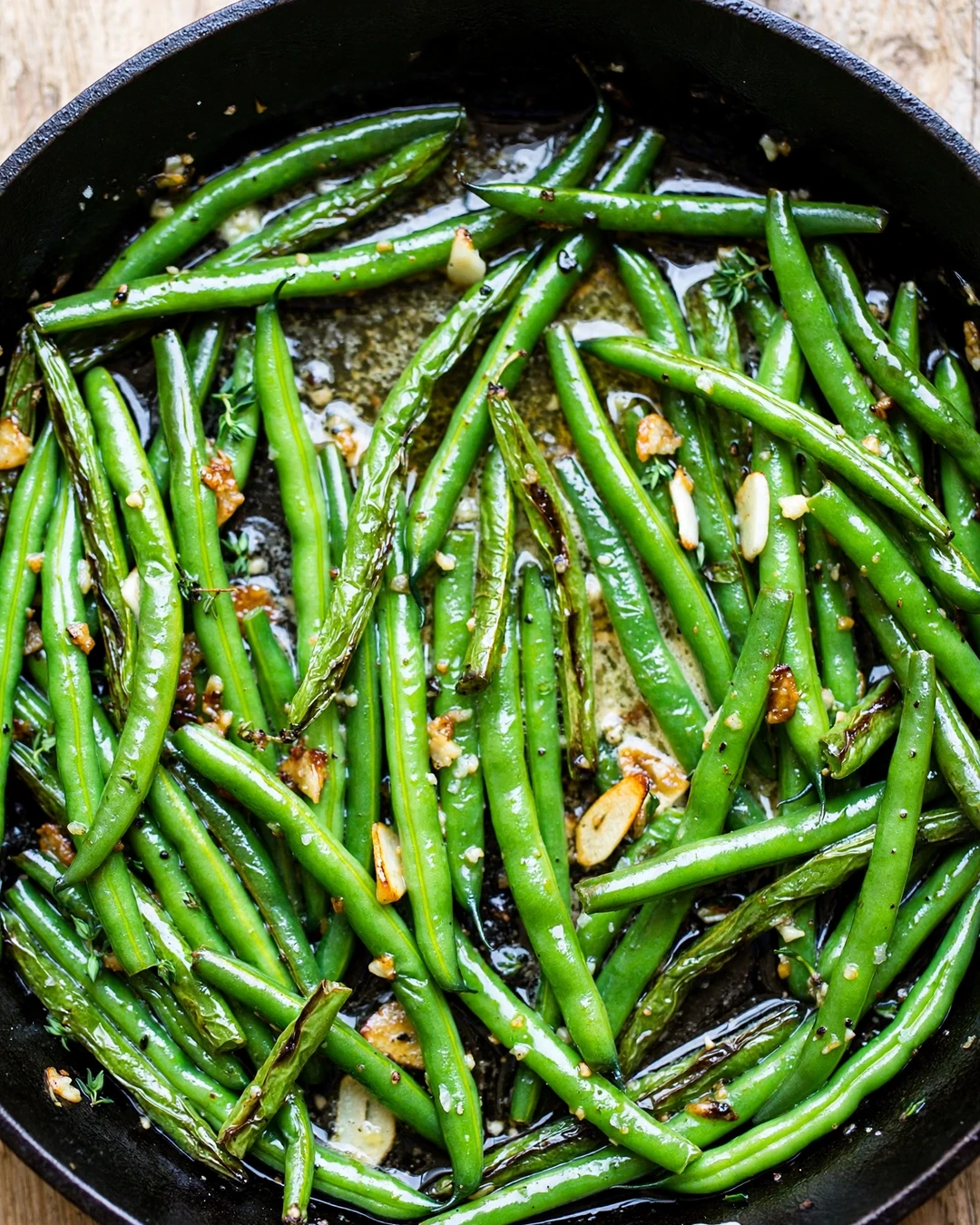
Crisp green beans meet melted butter and golden garlic in this fast side dish that tastes far fancier than the effort it takes. The beans stay snappy while the garlic turns sweet and nutty, and a squeeze of lemon at the end keeps everything bright. It is the side dish that disappears first at family dinners, and it pairs with almost any main course you can name.
Start with dry beans, because water is the enemy of a good sear. Heat the butter until it foams, add sliced garlic, and cook just until fragrant before the beans go in. Toss often so every bean gets coated, and pull the pan off the heat while the beans are still vivid green. A pinch of flaky salt and cracked pepper is all the seasoning this dish needs.
Pro Tips
Use a wide skillet so the beans sit in a single layer instead of steaming in a pile. If your pan is small, cook in two batches and combine at the end. Toasted sliced almonds scattered on top add crunch and make the dish look dinner party ready with zero extra work.
- Trim the beans and pat them completely dry before cooking
- Cook garlic only until golden, never dark brown or bitter
- Keep the heat at medium high for a fast, even sear
- Finish with lemon juice off the heat for brightness
Serving Suggestions
Serve beside roast chicken, grilled steak, or baked salmon for a complete plate. It also works cold the next day, tossed into a grain bowl. For a sweet finish after a savory dinner, these cinnamon roll waffles round out the meal nicely.
Variation worth trying: swap the butter for olive oil and add a spoonful of Dijon mustard with the lemon for a sharper, tangier version. Toasted hazelnuts work in place of almonds, and a pinch of red pepper flakes gives the whole pan a gentle warmth without stealing the show.
High Heat Is Your Friend
Most sauteed vegetables fail because the pan is too cool or too crowded. Preheat the pan until oil shimmers, cook in a single layer, and let the vegetables sit undisturbed until they color. That patience is what builds the golden edges and deep flavor that make a simple saute taste special.
2. Sauteed Zucchini with Parmesan
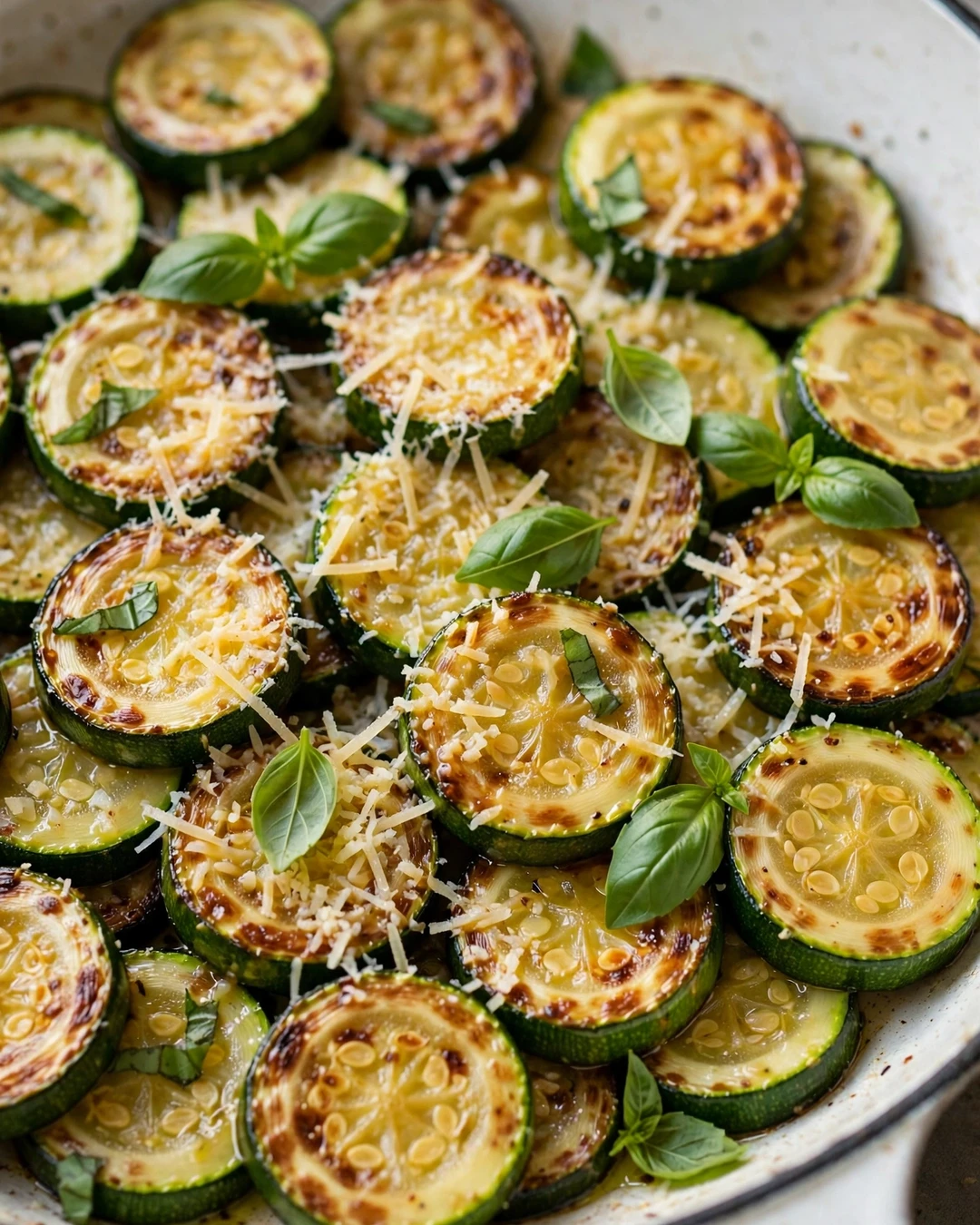
Zucchini is at its best when it gets real heat and a short cook time, turning golden at the edges while staying tender inside. A snowfall of parmesan melts into the warm rounds, and fresh basil adds a herbal lift that makes the whole pan taste like summer. This is the recipe to make when zucchini is piling up on the counter.
Slice the zucchini evenly, about a quarter inch thick, so every piece cooks at the same pace. Salt the slices and rest them ten minutes, then blot dry, because dry zucchini browns instead of steaming. Cook in a single layer and resist stirring for the first two minutes so a golden crust can form.
Pro Tips
Do not crowd the pan, or the zucchini will release water and go soft. If you are doubling the recipe, use two pans or cook in batches. Grate the parmesan fresh, since pre grated cheese melts less smoothly and can taste gritty.
- Slice zucchini evenly, about a quarter inch thick
- Salt and blot the slices dry before they hit the pan
- Sear undisturbed for two minutes to build a golden crust
- Add parmesan off the heat so it melts gently
Serving Suggestions
Serve as a side for pasta, grilled chicken, or fish, or pile it onto crusty bread for a quick lunch. It also folds beautifully into warm grain bowls. Planning a bigger spread? These friendsgiving recipes ideas help you feed a crowd with ease.
Pairing idea: toss the finished zucchini with cooked pasta, extra parmesan, and a splash of pasta water for an instant weeknight pasta. A handful of toasted pine nuts adds richness, and lemon zest stirred in at the end keeps the flavors fresh and lively.
3. Sauteed Mushrooms with Thyme

Mushrooms reward patience like no other vegetable, turning from pale and spongy to deeply browned and meaty with enough heat and time. Butter, garlic, and fresh thyme build a savory base that tastes like it simmered for hours, even though the whole pan is done in twenty minutes. Spoon them over toast, steak, or pasta and watch them steal the meal.
Wipe mushrooms clean instead of soaking them, and slice them thick so they keep a meaty bite. Start them in a hot, dry pan for a few minutes before adding butter, which drives off moisture fast and kick starts browning. Season with salt only after they color, since early salt draws out water and slows the sear.
Pro Tips
Different mushrooms bring different character, so mix cremini with shiitake or oyster mushrooms when you can. A splash of soy sauce near the end deepens the savory flavor without making the dish taste Asian. Finish with fresh thyme, not dried, for the cleanest herbal note.
- Wipe mushrooms clean; never soak them in water
- Start in a hot dry pan before adding butter
- Salt only after browning to keep the sear strong
- Slice thick so the mushrooms stay meaty
Serving Suggestions
Serve over grilled steak, creamy polenta, or buttered toast for a simple, satisfying dinner. They also top burgers and grain bowls beautifully.
Pro tip for leftovers: chop cold leftover mushrooms and fold them into scrambled eggs or an omelet the next morning. They also freeze well in small portions, ready to stir into soups, sauces, or pasta whenever a savory boost is needed.
4. Honey Glazed Carrots
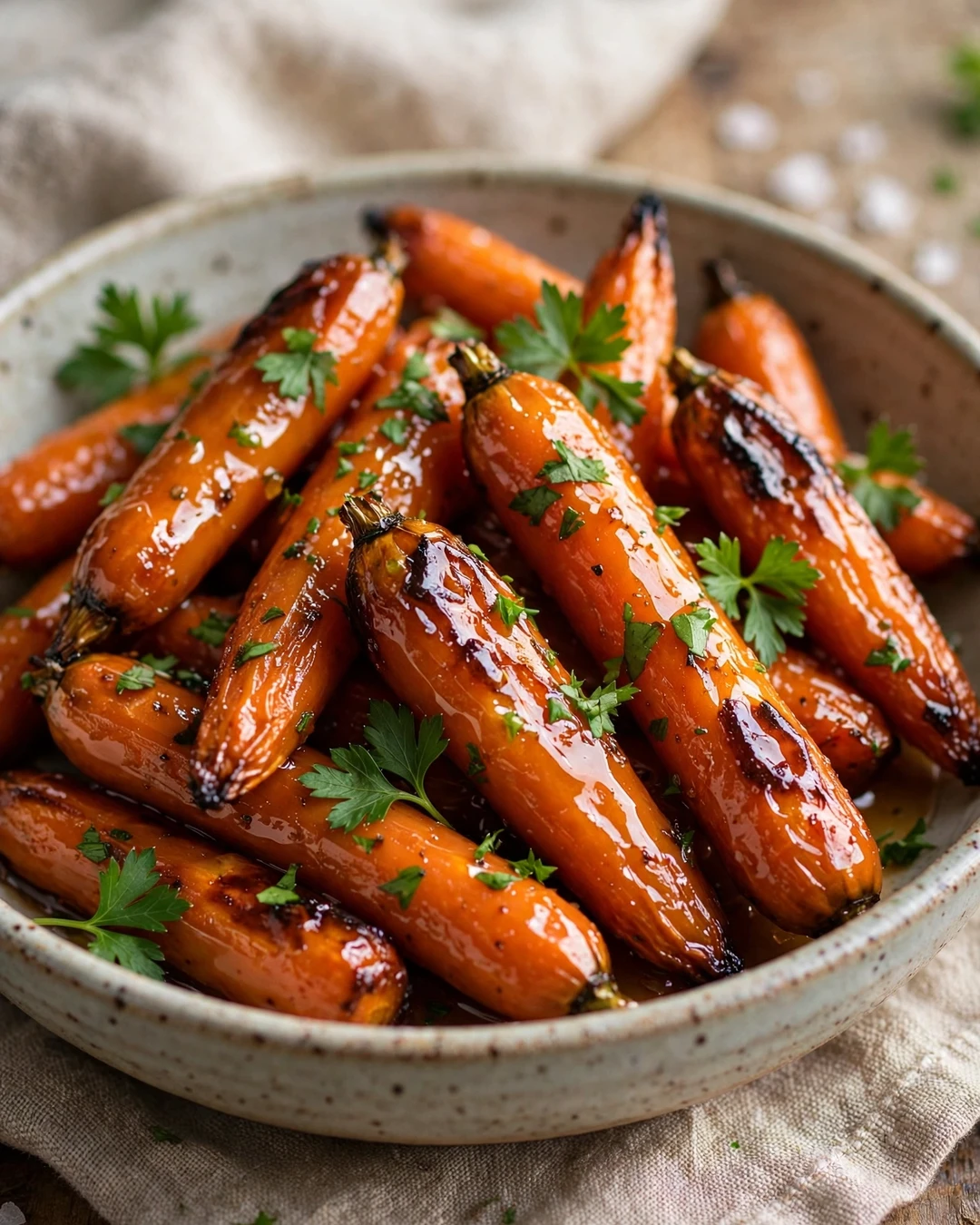
Honey glazed carrots turn an everyday root into something worth celebrating, with caramelized edges and a shiny, sweet savory coating. The honey deepens in the pan while butter and a touch of vinegar keep the sweetness in check. Kids and adults both reach for seconds, which is rare praise for a carrot dish.
Cut the carrots into even sticks or coins so they cook through at the same time. Saute in butter until they start to color, then add honey and a splash of water and cover briefly to finish cooking through. Uncover at the end and let the glaze reduce until it clings to every piece.
Pro Tips
Baby carrots work fine here, but full sized carrots cut on the bias look prettier and cook more evenly. A pinch of cumin or smoked paprika adds warmth without changing the character of the dish. Taste before serving and add a squeeze of lemon if the glaze feels too sweet.
- Cut carrots evenly so they cook at the same rate
- Cover briefly to cook through, then uncover to glaze
- Balance honey with vinegar or lemon juice
- Reduce the glaze until it clings to the carrots
Serving Suggestions
Serve beside roast pork, baked chicken, or a holiday ham, or add them to a weeknight sheet pan dinner. They reheat well for lunches. For dessert after a cozy dinner, these pistachio cheesecake recipes are a crowd favorite.
Serving twist: scatter toasted pecans and crumbled feta over the finished carrots for a sweet salty crunch that turns this side into a salad worthy centerpiece. Fresh dill works beautifully in place of parsley when you want a slightly different herbal note.
5. Garlic Spinach with Lemon

Garlic spinach with lemon is the fastest green side dish in any cook’s arsenal, wilting from a mountain of leaves into a silky, garlicky pile in about three minutes. The lemon wakes up the iron rich flavor of the spinach, and a drizzle of good olive oil at the end gives it a restaurant finish. It belongs beside everything from fish to pasta to roast chicken.
Use a very large pan or cook the spinach in two batches, because a full bag wilts down to almost nothing. Heat olive oil, soften sliced garlic until pale gold, then add spinach by the handful, tossing as each addition wilts. Season at the end and squeeze lemon over the pan off the heat so the juice stays bright.
Pro Tips
Baby spinach wilts fastest and needs no stemming, while mature spinach gives a heartier texture. If the pan looks watery, raise the heat for a minute and let the liquid cook off before serving. A pinch of nutmeg is a classic addition that deepens the flavor quietly.
- Add spinach by the handful so it wilts evenly
- Cook garlic only to pale gold to avoid bitterness
- Squeeze lemon off the heat to keep it bright
- Cook off excess water over high heat before serving
Serving Suggestions
Serve with grilled fish, roast chicken, or folded into pasta with parmesan. It also makes a great base for a fried egg at breakfast. reuben casserole recipes fans will love this as a lighter side for a rich main course.
Make it a meal: pile the spinach over toasted bread, top with a poached egg and shaved parmesan, and you have a fast brunch. Stirring in white beans turns it into a protein packed lunch that holds up well in a lunchbox.
6. Sauteed Broccoli with Garlic and Chili
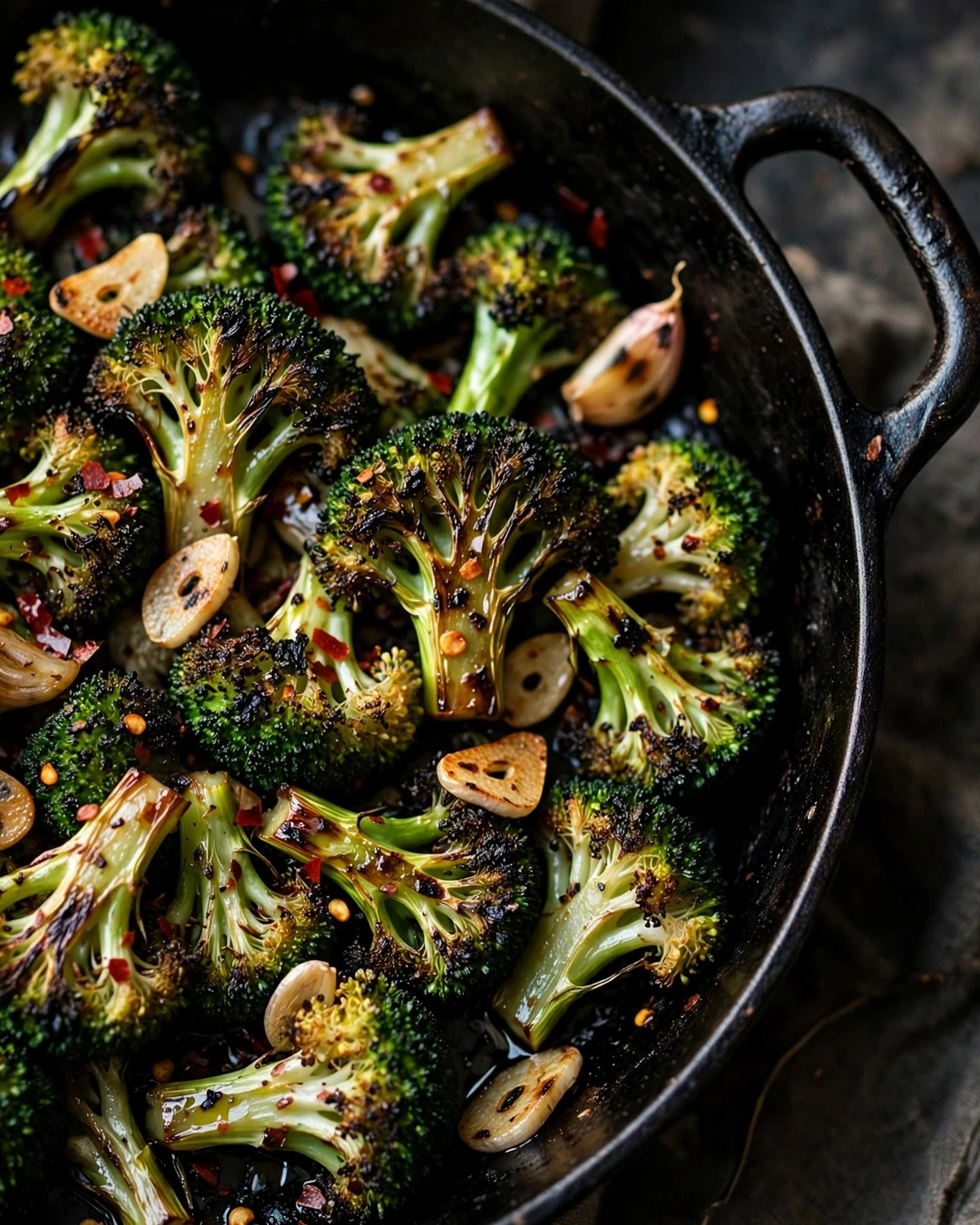
Broccoli in a hot skillet is a different vegetable from steamed broccoli, with charred edges, a nutty depth, and a satisfying bite. Garlic and chili flakes give it a bold, punchy seasoning that stands up to rich mains. Once you try this version, plain steamed broccoli will feel like a missed opportunity.
Cut florets small and flat on one side so more surface touches the pan. Start them cut side down in hot oil and leave them alone until deeply colored, then toss with garlic and chili flakes for the last minute only. Garlic burns fast over high heat, so it always goes in late in this recipe.
Pro Tips
A splash of water and a quick lid on the pan finishes cooking the stems without losing the char. Finish with lemon zest or a spoonful of grated parmesan. For extra crunch, toasted breadcrumbs scattered on top are a simple, excellent addition.
- Cut florets flat on one side for maximum pan contact
- Sear cut side down before tossing or stirring
- Add garlic and chili only in the last minute
- Steam briefly with a splash of water to finish the stems
Serving Suggestions
Serve with stir fry noodles, grilled chicken, or a simple rice bowl. It also works as a pizza topping. For a warming bowl on a cool night, chicken poblano soup is a natural partner to this bold side.
Variation: swap chili flakes for a spoonful of chili crisp or a drizzle of hot honey for a sweet heat version. Adding toasted sesame seeds and a splash of soy sauce at the end leans the dish toward an Asian inspired table without extra effort.
7. Sauteed Asparagus with Lemon Butter
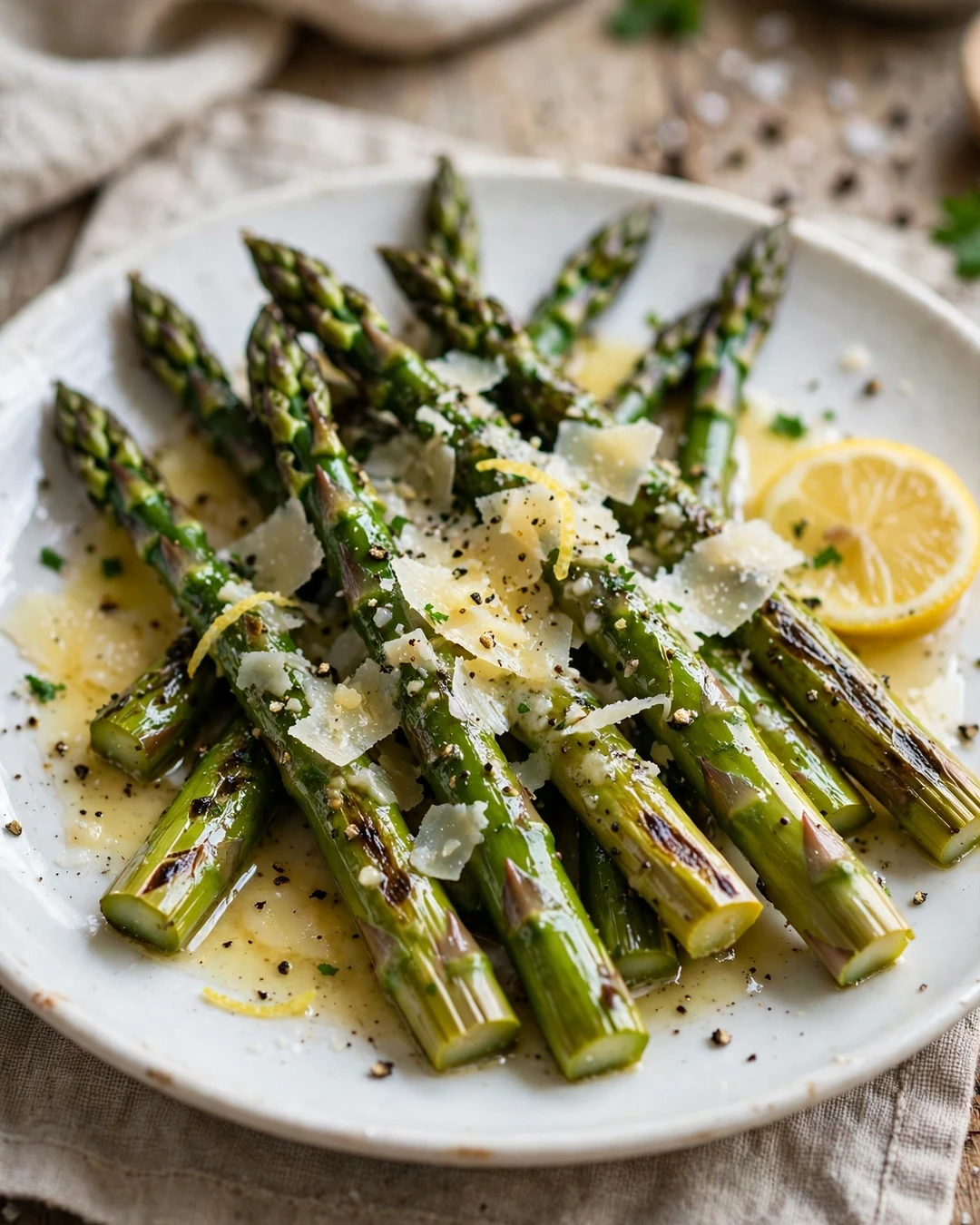
Asparagus and lemon butter are a classic pairing for a reason, with grassy, tender spears coated in a silky, citrus bright sauce. The spears cook in minutes and keep a pleasant snap, and the butter sauce pools just enough to beg for bread. This is spring on a plate, but frozen asparagus makes it possible all year.
Snap off the woody ends where they break naturally, and peel thick spears lightly for even cooking. Saute over medium high heat, rolling the spears so they color on all sides. Add butter, lemon juice, and zest at the very end, tossing until the sauce turns glossy.
Pro Tips
Thin spears cook in three minutes, while thick ones need five or six. A pinch of sugar in the butter balances the lemon without making the dish sweet. Shaved parmesan is optional but adds a salty depth that suits the lemon well.
- Snap woody ends where they break naturally
- Roll spears so they color evenly on all sides
- Add butter and lemon only at the end
- Adjust time by spear thickness, not by the clock alone
Serving Suggestions
Serve beside salmon, roast chicken, or a spring pasta, or chop leftovers into a frittata. It also shines on a brunch table.
Pro tip: blanch and chill asparagus ahead for party platters, then give it a quick saute just before serving. The fast reheat keeps the color bright and the texture crisp, which is exactly what you want when guests are watching.
8. Cabbage and Carrot Saute
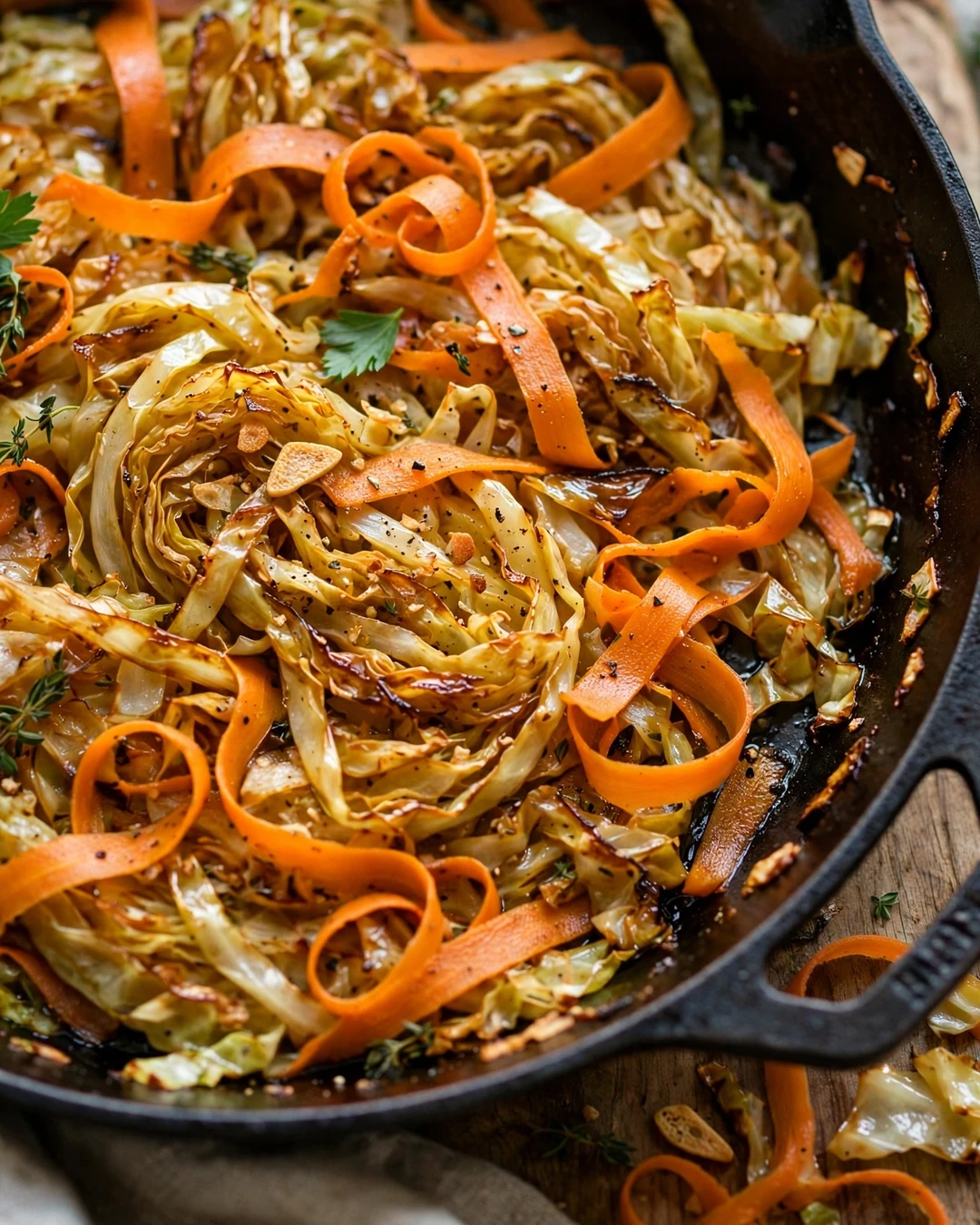
Cabbage and carrot saute is humble cooking at its finest, turning two cheap pantry staples into a sweet, golden, buttery side dish. Slow sauteing coaxes out the natural sugars in both vegetables, and a little vinegar at the end keeps the sweetness lively. It is the kind of dish that makes people ask for the recipe, surprised it is so simple.
Slice the cabbage thin and the carrots into matchsticks so everything softens at a similar pace. Start the carrots first, since they need a head start, then add cabbage and cook until wilted and lightly golden. Stir in butter near the end for richness and a splash of apple cider vinegar to brighten the pan.
Pro Tips
Caraway seeds are optional but give the dish a gentle rye bread note that suits pork and sausages. For a softer, sweeter result, cover the pan for the last five minutes. A handful of fresh dill at the end gives it a fresh, spring like finish.
- Slice cabbage thin and carrots into matchsticks
- Start carrots first; they need a head start
- Add butter near the end for the richest flavor
- Finish with vinegar to balance the sweetness
Serving Suggestions
Serve with sausages, pork chops, or corned beef, or pile it into a toasted bun as a warm slaw. It also pairs with grain bowls. For a rich main to match, peach butter swim biscuits brings serious comfort to the table.
Make ahead note: this saute reheats beautifully and even improves overnight as the flavors settle. Pack it for lunches with leftover roast meat, or stir a fried egg through it for a fast, savory breakfast hash. The cabbage stays tender without turning mushy, and the carrots keep their gentle sweetness even after a second warming.
9. Sauteed Eggplant with Garlic Sauce
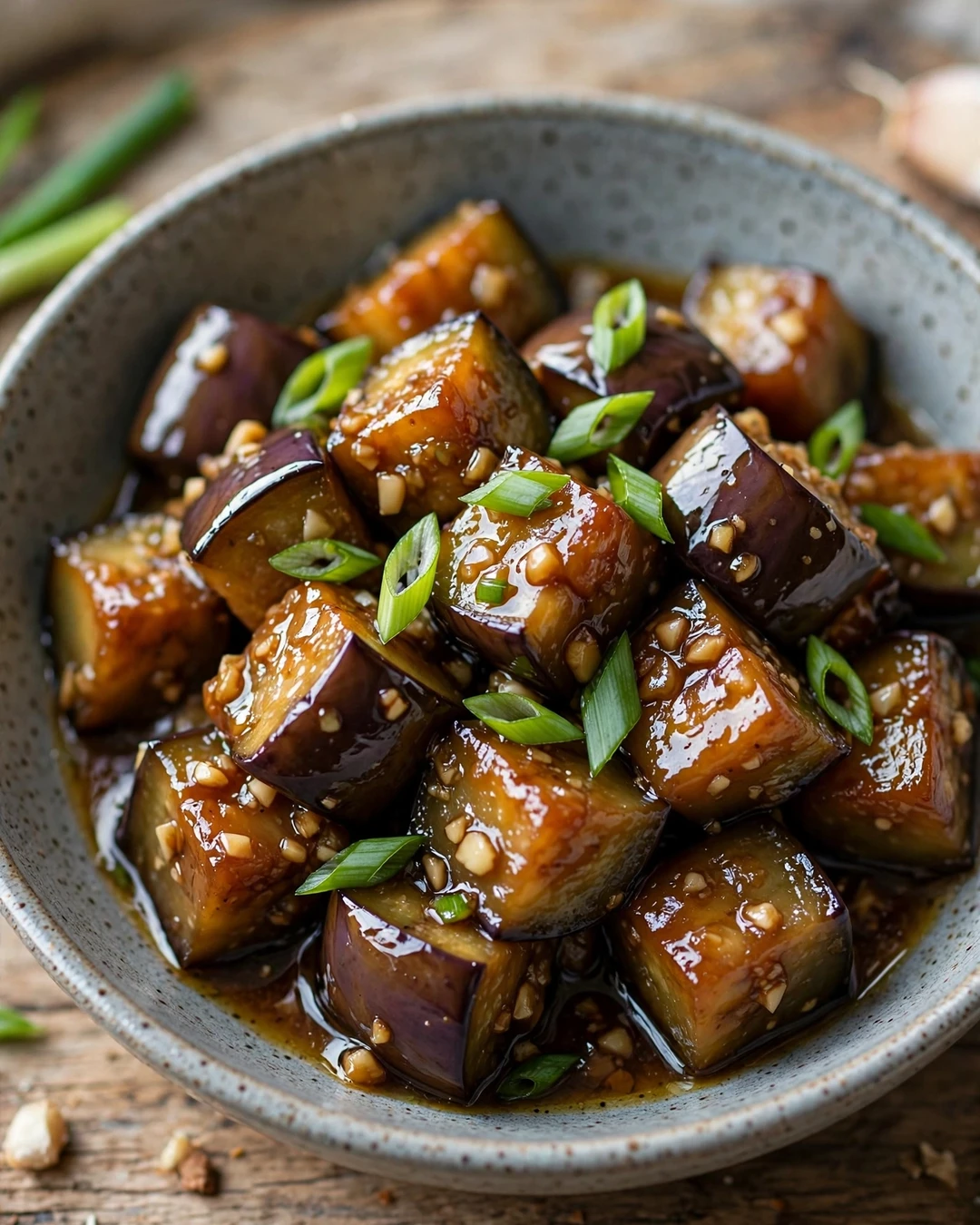
Eggplant turns silky and rich in a hot skillet, soaking up garlic sauce until each cube is glossy and deeply savory. The key is enough heat and enough oil at the start, then a sauce that clings rather than pools. Served over rice, this is a restaurant style dish made easily at home.
Cut eggplant into even cubes and salt them for twenty minutes, then blot dry. This step pulls out moisture and keeps the cubes from turning greasy. Sear in hot oil without stirring too much, then pour in a sauce of garlic, soy, vinegar, and a touch of sugar and toss until glazed.
Pro Tips
Chinese or Japanese eggplant works best here, with thinner skin and fewer seeds. If you only have globe eggplant, peel it in stripes for a better texture. Add the garlic to the sauce rather than the hot oil, so it perfumes the dish without burning.
- Salt eggplant cubes 20 minutes, then blot dry
- Sear without stirring too much for good color
- Build the sauce separately so garlic never burns
- Toss until the sauce glazes, not pools
Serving Suggestions
Serve over steamed rice with scallions and sesame seeds, or alongside grilled tofu. It also fills lettuce wraps nicely. french dip sandwich recipes lovers will enjoy this as a lighter, plant based main next to a hearty sandwich spread.
Leftover idea: chill the eggplant and serve it at room temperature over noodles with extra scallions and chili oil. The flavors deepen overnight, and the silky texture works cold just as well as it does hot. A sprinkle of toasted sesame seeds adds crunch, and pickled cucumber on the side cuts the richness nicely.
10. Sweet Corn and Zucchini Saute
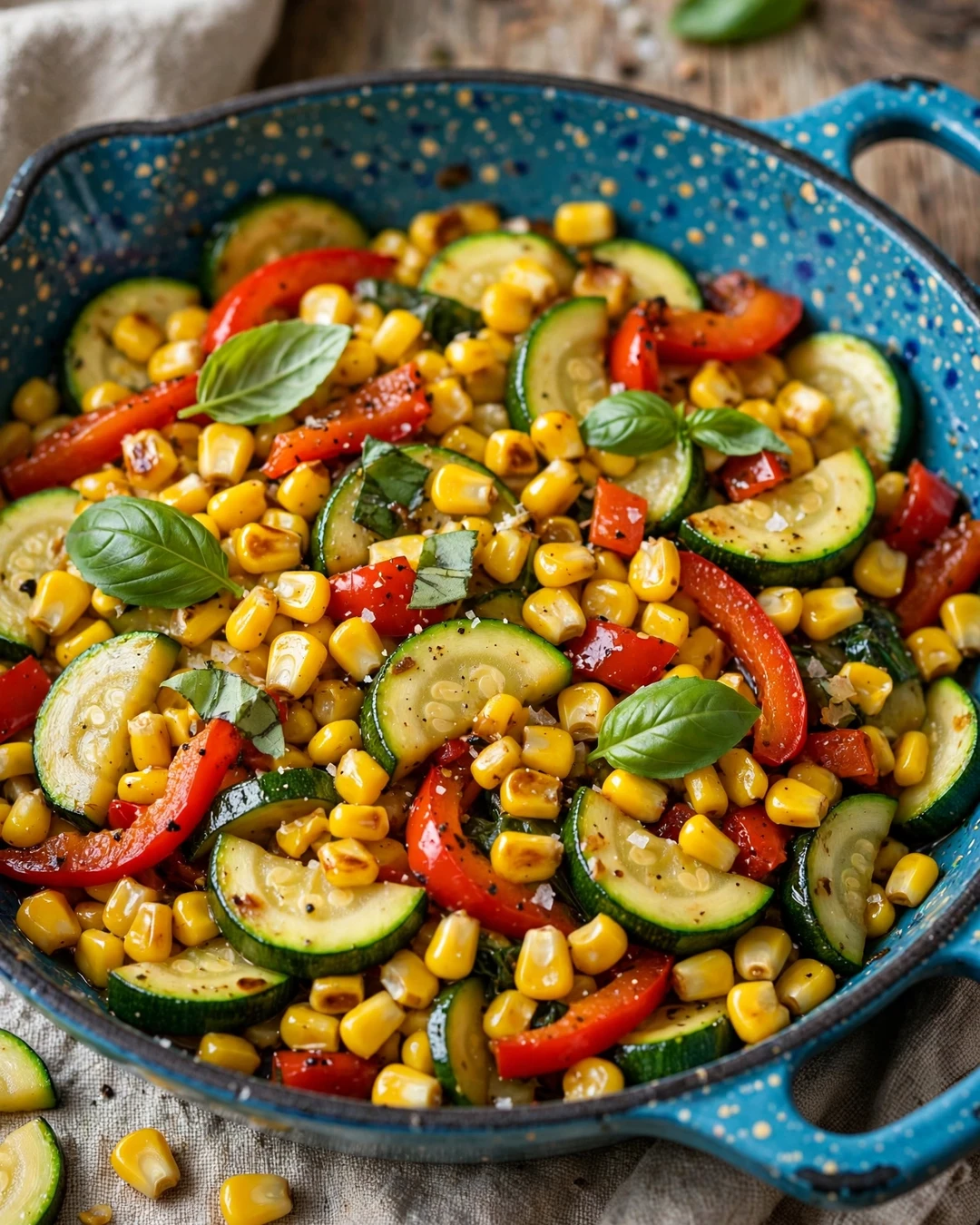
Sweet corn and zucchini saute tastes like the best part of late summer, with juicy kernels, tender squash, and pops of red pepper in every bite. The corn caramelizes lightly in the pan, adding sweetness that needs almost no seasoning beyond salt and basil. It is fast, colorful, and endlessly useful as a side or a filling.
Cut corn straight from the cob when you can, since fresh kernels caramelize better than frozen. Saute zucchini first until lightly golden, then add corn and pepper so the corn keeps its pop. Fresh basil goes in off the heat to stay fragrant and green.
Pro Tips
A knob of butter plus a drizzle of olive oil gives the best flavor and the best browning. If using frozen corn, thaw and pat it dry first so it sears instead of steaming. A squeeze of lime at the end lifts the sweetness of the corn beautifully.
- Use fresh corn when possible for better caramelization
- Saute zucchini first, then add corn to keep its pop
- Pat frozen corn dry before it hits the pan
- Add basil off the heat to keep it fragrant
Serving Suggestions
Serve with grilled chicken, tacos, or as a topping for rice bowls. It also makes a great quesadilla filling. For a sweet ending, fried apples recipes adds a fruity note to a summer dinner.
Batch tip: double the recipe and freeze half in flat bags for winter. The frozen saute reheats in minutes and brings summer flavor to soups, tacos, and grain bowls long after corn season has ended. This dish also works well for meal prep, holding its flavor for days in a sealed container in the fridge.
Saute Checklist
Dry vegetables before cooking. Preheat the pan fully. Cook in a single layer. Season at the right moment, salt early for greens, late for mushrooms. Finish with acid, lemon or vinegar, to brighten the whole pan. Five habits, and every saute improves at once.
11. Sauteed Brussels Sprouts with Balsamic
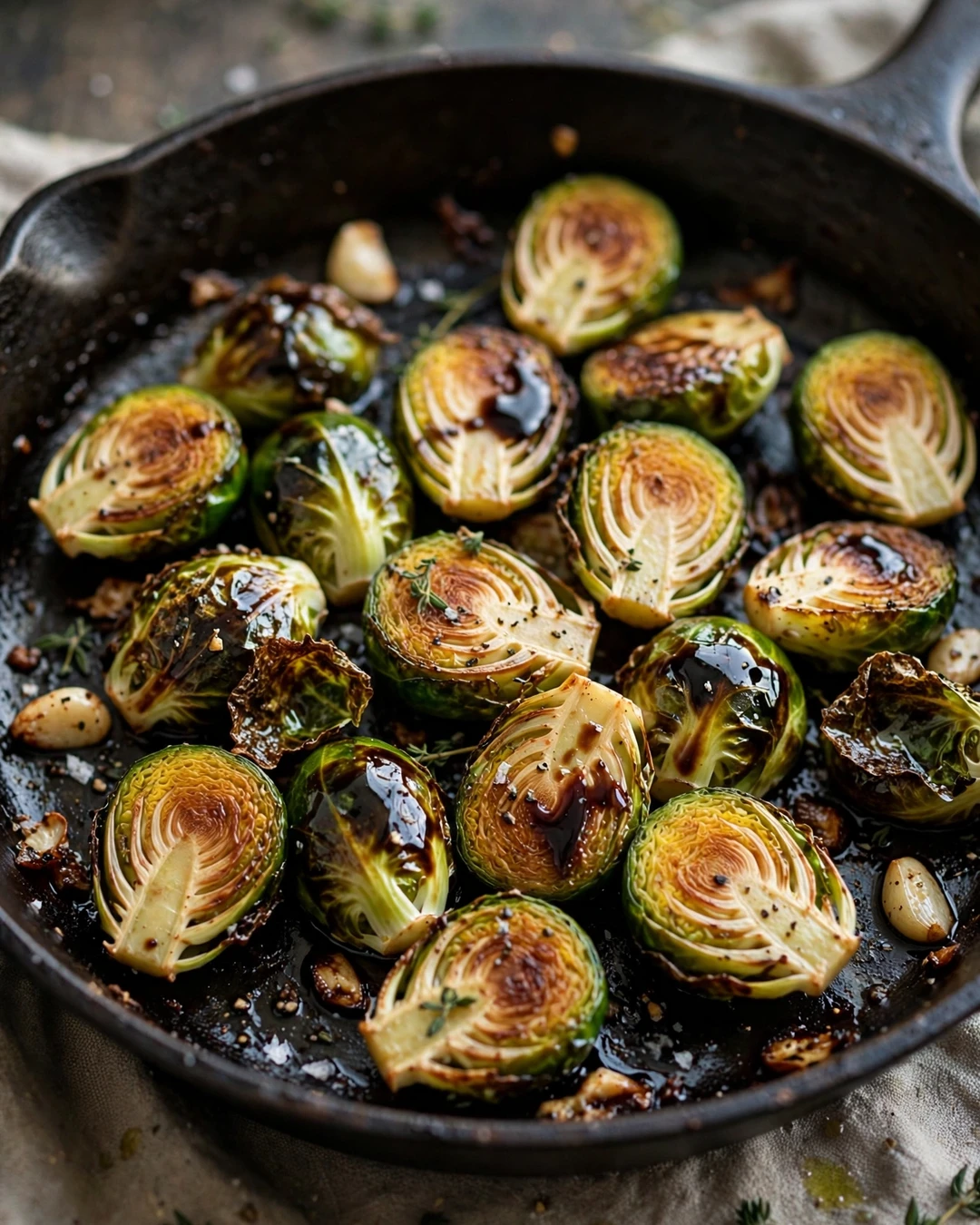
Halved brussels sprouts seared cut side down turn crispy and caramelized, nothing like the boiled sprouts of old school dinners. A balsamic glaze adds sweet tang that clings to the crispy leaves, and the whole pan is done in about fifteen minutes. Even sprout skeptics tend to come back for a second helping of this version.
Trim the sprouts and halve them through the core so the leaves stay attached. Place them cut side down in a hot oiled pan and do not move them for four minutes, which builds a deep brown crust. Toss, cook two minutes more, then drizzle with balsamic and a touch of honey.
Pro Tips
Shredded sprouts cook even faster and get crispier, so shred any loose leaves and add them near the end. A handful of dried cranberries or toasted walnuts adds festive color and crunch. Keep the balsamic amount modest, since too much will make the sprouts soggy.
- Halve sprouts through the core so leaves stay attached
- Sear cut side down, undisturbed, for four minutes
- Add loose shredded leaves near the end for crispness
- Glaze lightly; too much balsamic causes sogginess
Serving Suggestions
Serve with roast turkey, pork tenderloin, or a holiday spread. They also top grain bowls and salads.
Holiday trick: sear the sprouts ahead and finish with the glaze just before serving, so they stay crisp while you juggle other dishes. A sprinkle of crumbled bacon or pancetta turns this side into something even richer for special occasions.
12. Sauteed Cauliflower with Turmeric
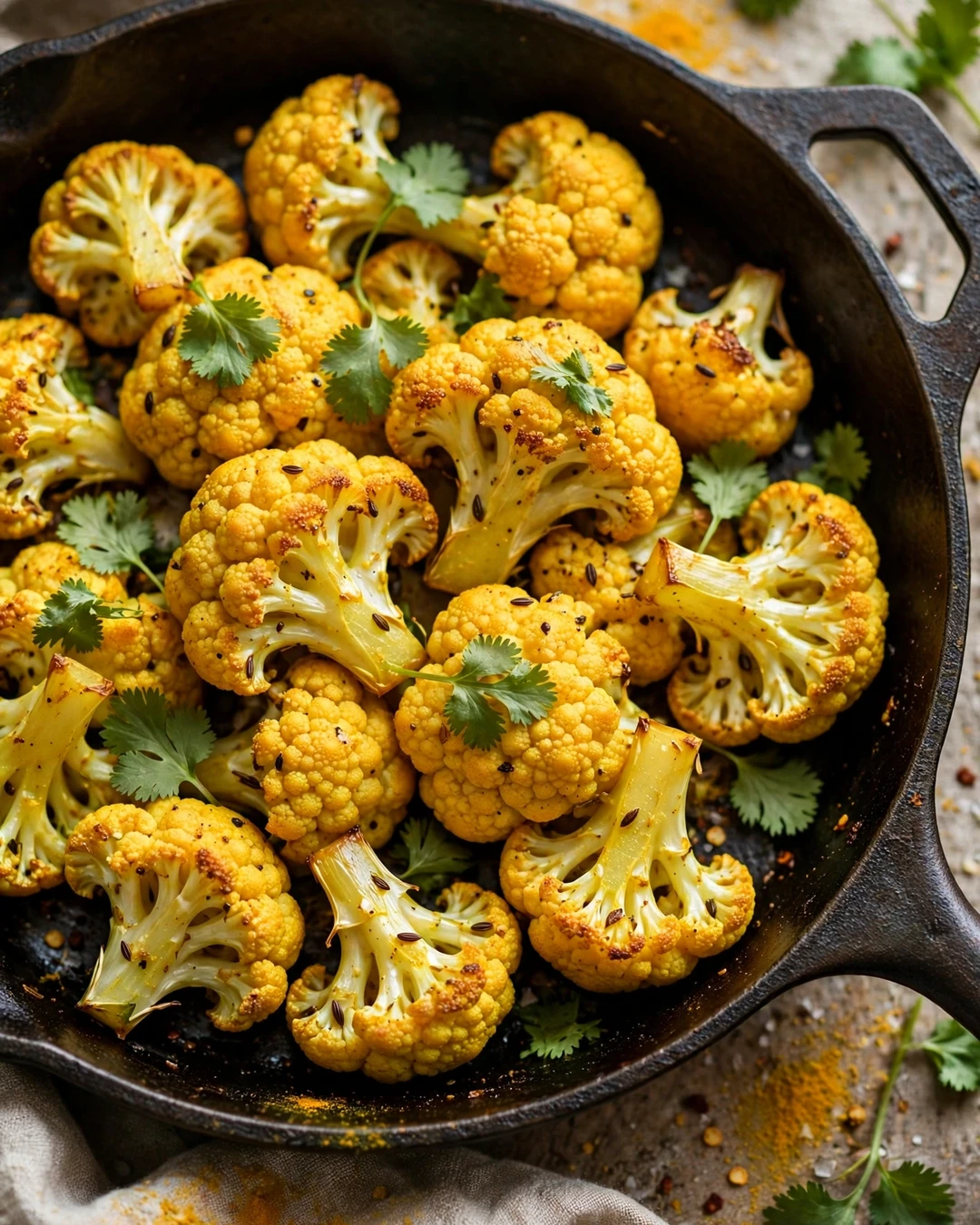
Turmeric gives sauteed cauliflower a golden color and a warm, earthy flavor that feels both comforting and fresh. The florets crisp at the edges while staying tender inside, and a squeeze of lemon keeps the earthiness bright. It is a simple way to make cauliflower the most interesting thing on the plate.
Cut florets into small, even pieces and dry them well. Bloom turmeric and cumin in hot oil for thirty seconds before the cauliflower goes in, which wakes up the spices and colors the oil evenly. Saute over medium high heat, tossing occasionally, until the edges turn golden.
Pro Tips
Fresh ginger grated into the pan adds warmth that suits the turmeric. Finish with cilantro and lemon, or swap in parsley if cilantro is not your favorite. A dollop of yogurt on the side cools the spices and adds creaminess.
- Cut small, even florets and dry them well
- Bloom turmeric in hot oil before adding cauliflower
- Toss occasionally for even golden edges
- Finish with lemon and fresh herbs
Serving Suggestions
Serve with curries, grilled chicken, or rice bowls, or wrap in flatbread with yogurt sauce. It also works as a taco filling.
Meal prep win: this saute keeps four days in the fridge and reheats crisply in a hot skillet. Toss cold leftovers into salads for a golden, spiced crunch that beats plain raw cauliflower. Pair it with a simple protein and crusty bread, and you have a complete dinner with very little extra work.
13. Green Beans Almondine
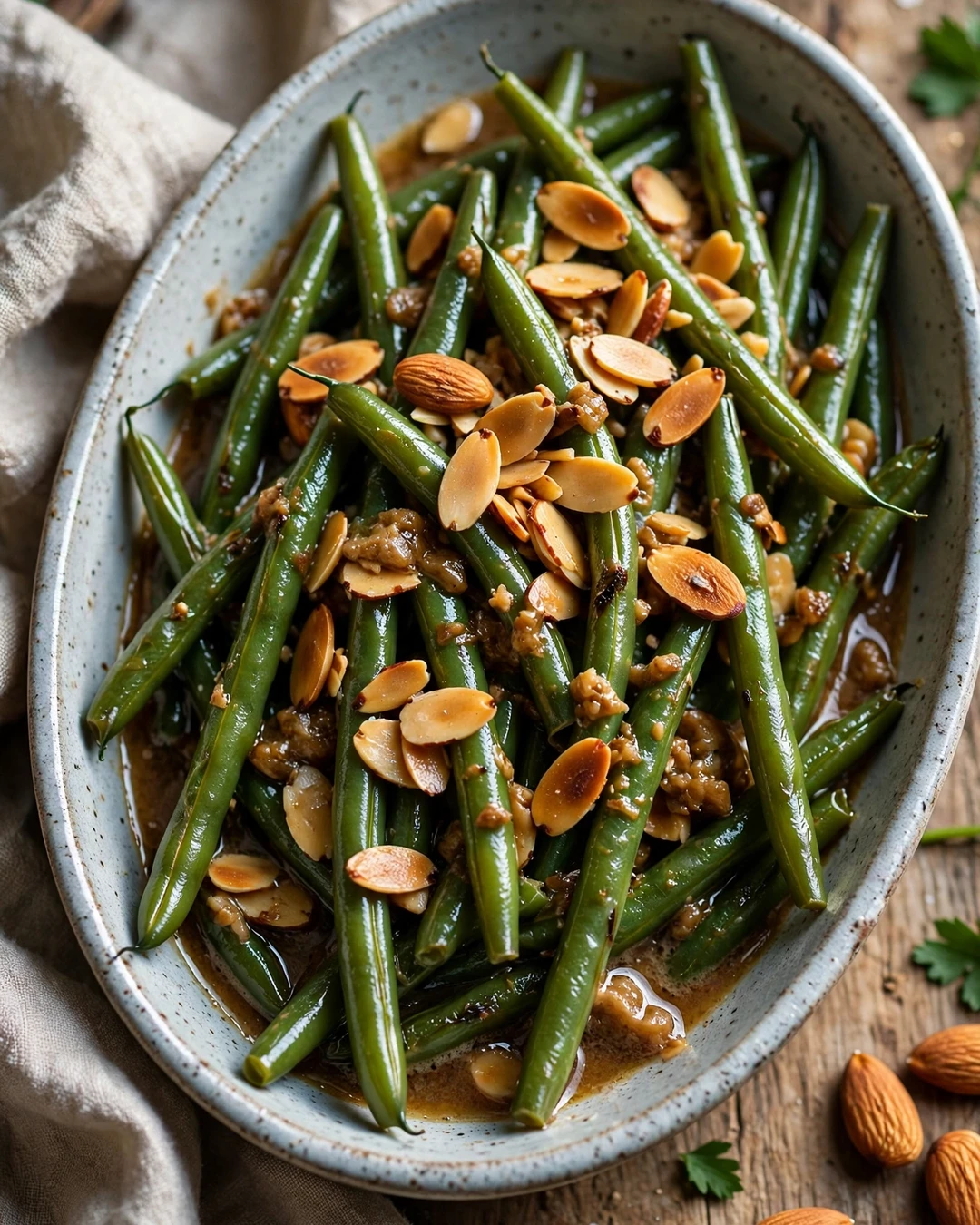
Green beans almondine is a French classic for a reason, pairing snappy beans with nutty brown butter and toasted almonds. The brown butter adds a toasty depth that plain melted butter cannot match, and the almonds give every bite a delicate crunch. It looks elegant enough for a holiday table but cooks in under twenty minutes.
Blanch the beans for two minutes, then shock in ice water to lock in the green color. Toast almonds in a dry pan until fragrant, then set aside. Brown butter gently until it smells nutty and the milk solids turn amber, then toss with the beans and almonds.
Pro Tips
Watch brown butter closely, since it goes from perfect to burnt in seconds. If the butter darkens too fast, pull the pan off the heat and keep swirling. Lemon juice is traditional and keeps the richness from feeling heavy.
- Blanch beans two minutes, then shock in ice water
- Toast almonds separately in a dry pan
- Brown butter until nutty and amber, watching closely
- Toss everything together just before serving
Serving Suggestions
Serve with roast chicken, fish, or a holiday roast, or as part of a French inspired dinner. It pairs beautifully with simple mashed potatoes.
Make ahead move: blanch the beans and toast the almonds a day early, then finish with brown butter in five minutes before dinner. This split timing keeps the beans bright and the almonds crisp, even on the busiest cooking days.
14. Sauteed Sweet Potatoes with Rosemary
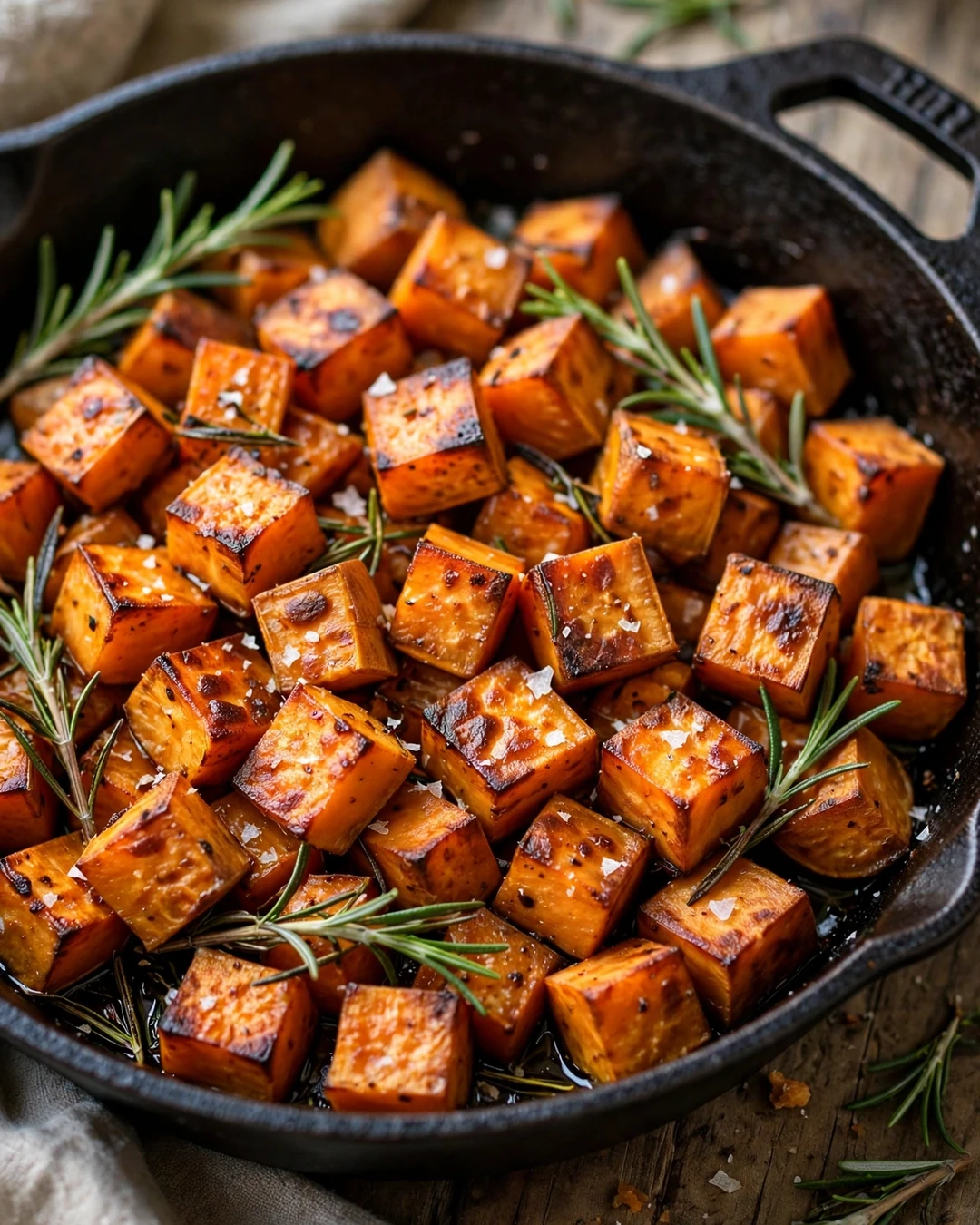
Sweet potatoes sauteed with rosemary turn caramelized at the edges and creamy inside, with an herbal, pine like fragrance that suits fall and winter tables. The natural sweetness deepens in the pan, and a little patience while they crisp is the only real work. They work as a side, a hash base, or a salad topping.
Dice sweet potatoes into half inch cubes for the fastest, most even cooking. Parboil for three minutes if you are short on time, then drain and dry well. Saute in a single layer with rosemary sprigs, turning only when the undersides turn golden.
Pro Tips
Do not stir constantly, or the cubes will break apart before they crisp. A cast iron skillet holds heat best for this dish. Finish with flaky salt and a drizzle of maple syrup only if you want extra sweetness.
- Dice into half inch cubes for even cooking
- Parboil three minutes to speed things up
- Cook in a single layer and turn only when golden
- Use cast iron for the best heat retention
Serving Suggestions
Serve with roast pork, fried eggs, or grain bowls, or toss into a kale salad while warm. They also fill breakfast burritos nicely.
Brunch upgrade: fold the finished sweet potatoes into a hash with onions and peppers, top with fried eggs, and serve with hot sauce. The rosemary perfumes the whole pan, and the crispy edges hold up beautifully under the eggs. A final squeeze of citrus or a handful of fresh herbs right before serving keeps the flavors bright and lively.
15. Zucchini Noodles with Garlic and Tomatoes
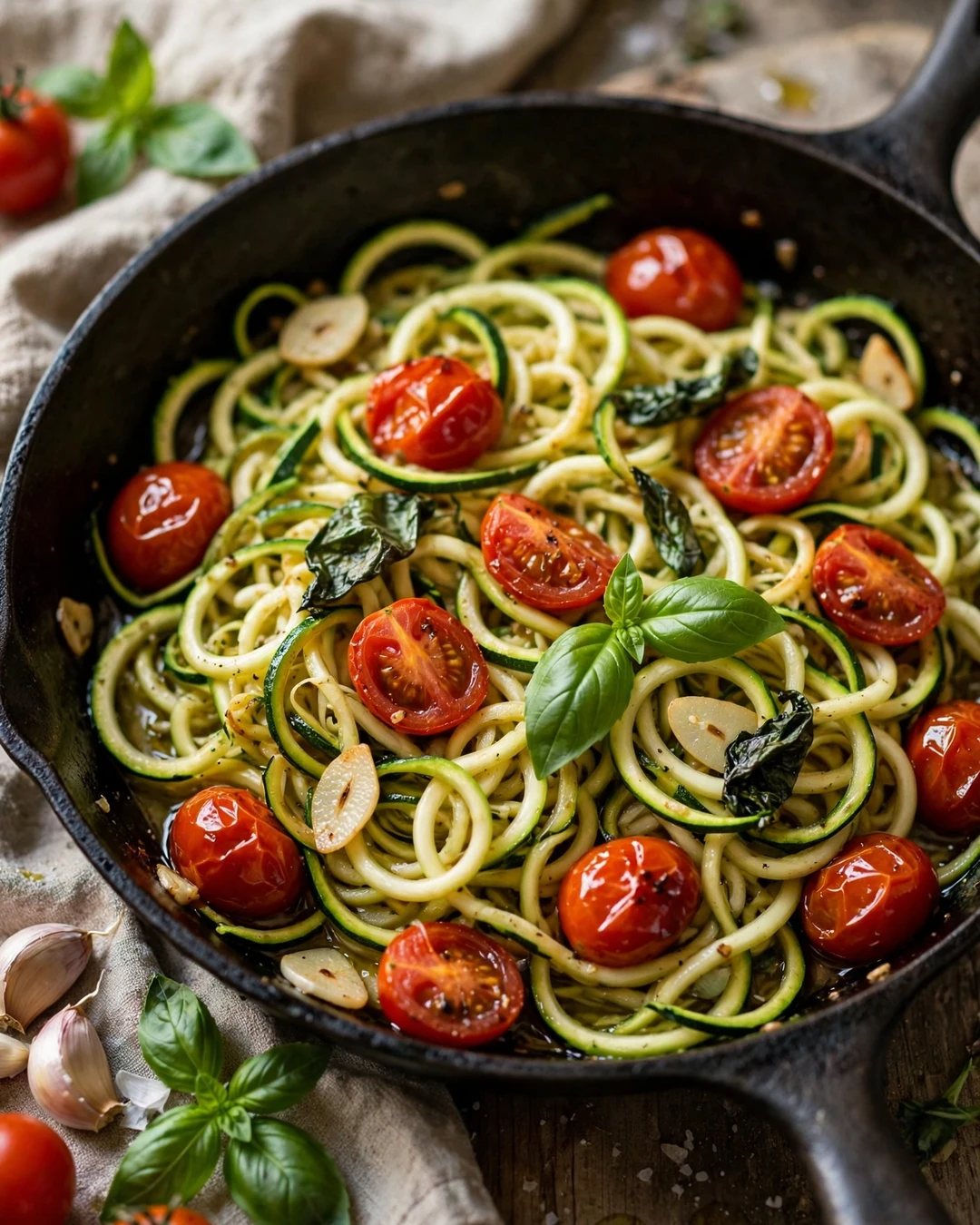
Zucchini noodles with garlic and tomatoes are a light, fresh take on pasta night, with jammy tomatoes and a garlicky sauce that clings to every strand. The noodles cook in just two minutes, so the whole dish comes together faster than boiling regular pasta. It is the recipe to reach for when dinner needs to be fast and still feel complete.
Spiralize zucchini and salt lightly, then rest ten minutes and squeeze out excess water in a towel. Saute garlic briefly, add halved cherry tomatoes, and cook until they slump and release their juices. Toss in the noodles for just two minutes, since longer cooking turns them watery.
Pro Tips
Use a wide pan so moisture evaporates fast. If the pan looks wet, raise the heat and toss for another minute before serving. Parmesan and red pepper flakes finish the dish, and a handful of basil keeps it tasting fresh.
- Salt and squeeze zucchini noodles dry before cooking
- Cook tomatoes until jammy before adding noodles
- Toss noodles only two minutes to avoid sogginess
- Use a wide pan so moisture evaporates fast
Serving Suggestions
Serve as a light main with grilled shrimp or chicken, or as a side for Italian dinners. It also packs well for next day lunches.
Pasta night swap: mix half regular spaghetti with half zucchini noodles for a dish that feels familiar but lighter. The tomato garlic sauce coats both evenly, and picky eaters rarely notice the swap when parmesan is involved. Serve it straight from the pan while the edges are still crisp, since that texture is half the appeal.
16. Sauteed Kale with Garlic and Chili Flakes

Kale sauteed with garlic and chili flakes is hearty, glossy, and deeply savory, a green that actually satisfies like a main course. Massaging the leaves is unnecessary here, since the hot pan and a splash of water do the softening work. A finish of lemon and parmesan makes it taste like something from a good Italian restaurant.
Strip leaves from tough stems and chop them into ribbons. Saute garlic in olive oil until pale gold, add kale by the handful with a splash of water, and cover for two minutes to steam. Uncover, raise the heat, and cook until the water evaporates and the leaves turn glossy.
Pro Tips
Lacinato kale, also called dinosaur kale, wilts more tenderly than curly kale. If your kale is very mature, add an extra minute of covered steaming. A pinch of sugar balances any bitterness in older leaves.
- Strip leaves from tough stems before chopping
- Steam covered two minutes, then uncover to finish
- Use lacinato kale for the most tender result
- Finish with lemon to balance any bitterness
Serving Suggestions
Serve with beans and sausage, grilled fish, or pasta with parmesan. It also makes a great pizza topping with mozzarella.
Next day idea: chop leftover kale and stir it into soup, beans, or a grain bowl. The garlic chili seasoning holds up overnight, and the wilted texture blends into hearty dishes better than fresh raw kale ever could. This dish also works well for meal prep, holding its flavor for days in a sealed container in the fridge.
17. Mixed Vegetable Medley with Herbs

A mixed vegetable medley with herbs is the ultimate clean out the fridge side dish, turning whatever vegetables you have into a colorful, fragrant pan. Fresh herbs tie the different flavors together, and a good sear on each vegetable keeps the dish from tasting like an afterthought. It is flexible, fast, and different every time you make it.
Cut harder vegetables like carrots smaller than soft ones like zucchini, so everything finishes together. Saute in stages, starting with the hardest vegetables and adding softer ones as you go. Toss with a big handful of mixed herbs only at the end, so they stay bright and fragrant.
Pro Tips
A mix of thyme, parsley, and basil covers most combinations well. If you have only one herb, use plenty of it rather than a timid sprinkle. A knob of butter stirred in at the end gives the medley a glossy, unified finish.
- Cut hard vegetables smaller than soft ones
- Saute in stages, hardest first and softest last
- Add fresh herbs only at the very end
- Finish with butter for a glossy coating
Serving Suggestions
Serve with any roast, grilled meat, or fish, or spoon over rice for a simple vegetarian dinner. It also fills omelets and wraps.
Fridge clean out rule: use this medley whenever you have three or more vegetables lingering in the crisper. The staged cooking method works with almost any combination, so nothing goes to waste and dinner still tastes intentional. Taste and adjust the salt once more before serving, since vegetables vary in sweetness from batch to batch.
18. Sauteed Snap Peas with Sesame

Snap peas sauteed with sesame are crisp, sweet, and gone in minutes, with a nutty sesame finish that makes them taste like a takeout side. The peas need barely two minutes in a hot pan, which keeps them snappy and vivid green. They are the fastest vegetable side dish that still feels special.
String the peas by snapping the stem end and pulling the string down the seam. Heat a wok or wide skillet until very hot, add oil, and toss the peas for ninety seconds. Add garlic, sesame oil, and a splash of soy, then toss once more and serve at once.
Pro Tips
Do not overcook, or the peas lose their snap and sweetness. Toasted sesame seeds go on at the end, since they burn fast in a hot wok. A little grated ginger adds warmth if you want a more complex flavor.
- String peas before cooking for the best texture
- Use a very hot wok and cook only ninety seconds
- Add sesame oil at the end, never at the start
- Serve at once to keep the snap
Serving Suggestions
Serve with stir fries, grilled salmon, or rice bowls, or as a crunchy snack straight from the pan. They also top noodle dishes nicely.
Party trick: serve these peas at room temperature on a platter with extra sesame seeds and scallions. They hold their crunch for an hour, which makes them a rare vegetable side that works as finger food. Pair it with a simple protein and crusty bread, and you have a complete dinner with very little extra work.
19. Butternut Squash Saute with Sage
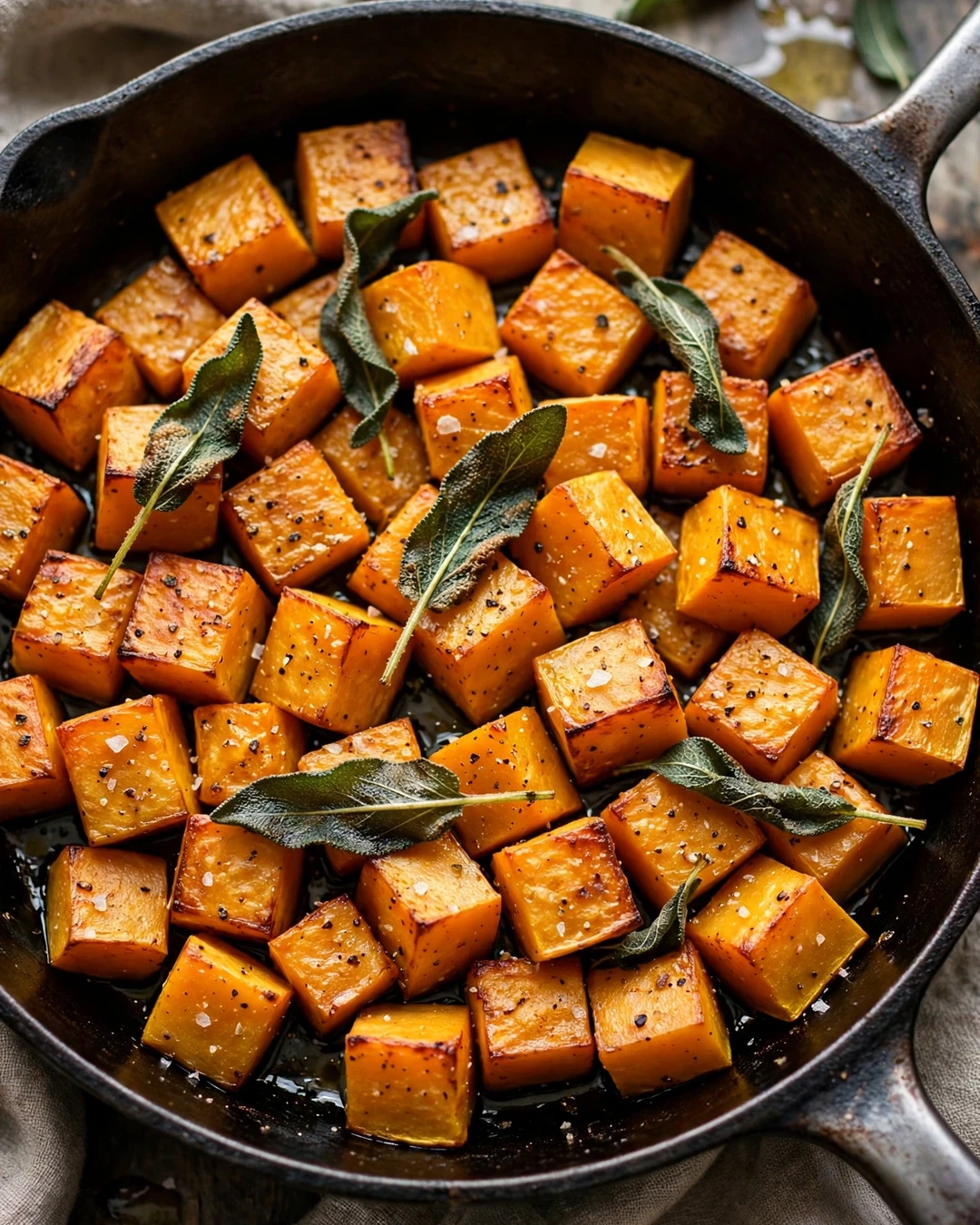
Butternut squash sauteed with sage is autumn comfort in a skillet, with caramelized cubes and crispy sage leaves that smell like a holiday kitchen. The squash turns creamy inside while the edges crisp, and brown butter ties the whole pan together. It is a side dish that earns compliments far beyond its simple ingredient list.
Peel and dice the squash into even three quarter inch cubes. Saute in butter over medium heat, turning occasionally, until golden and tender, about fifteen minutes. Fry sage leaves in the same butter until crisp, then crumble them over the finished squash.
Pro Tips
Pre cut squash from the store saves time and works perfectly here. If the cubes are browning too fast before softening, add a splash of water and cover for three minutes. A pinch of nutmeg deepens the autumn flavor without overpowering the sage.
- Dice squash into even three quarter inch cubes
- Fry sage leaves crisp in the same butter
- Cover briefly with water if cubes brown too fast
- Use pre cut squash to save prep time
Serving Suggestions
Serve with roast chicken, pork, or a Thanksgiving spread, or toss with pasta and parmesan. It also tops salads while warm.
Freezer friendly note: saute a double batch, cool it fully, and freeze half in portions. Reheat in a hot skillet straight from frozen, and the edges crisp up again, giving you an instant autumn side on busy nights. Keep this one in your weeknight rotation, since it scales easily and the leftovers make excellent lunches.
20. Sauteed Okra with Tomatoes
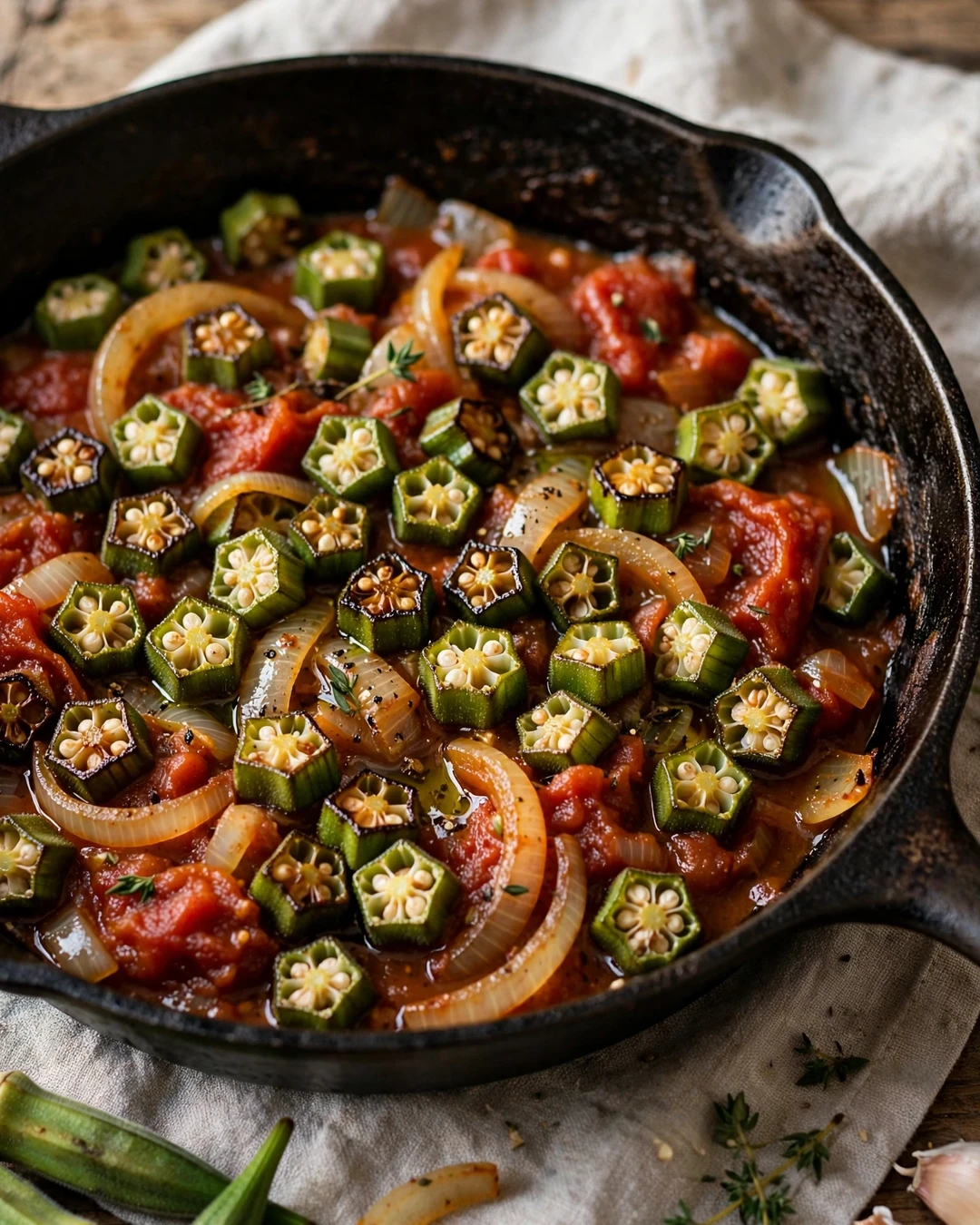
Okra sauteed with tomatoes is a Southern classic that converts skeptics, with tender okra, jammy tomatoes, and a savory onion base. High heat and a dry pan keep the okra from turning slimy, which is the trick that makes this dish work. Served over rice or with cornbread, it is comfort food with a fresh, garden taste.
Slice okra into half inch rounds and dry them well. Sear in a hot, lightly oiled pan without stirring for three minutes, then add onion and cook until soft. Add tomatoes and simmer until the sauce thickens and the okra turns tender.
Pro Tips
Acid from the tomatoes helps cut any sliminess, so do not skip them. If you like heat, a diced jalapeno added with the onion is traditional. Cook the okra until just tender, since overcooking brings back the texture you worked to avoid.
- Dry okra well and sear without stirring first
- Let tomato acid cut any sliminess naturally
- Add jalapeno with the onion for traditional heat
- Cook only until just tender, never beyond
Serving Suggestions
Serve over rice, with cornbread, or beside fried chicken. It also works as a topping for grits.
Southern table tip: make this dish in summer when okra and tomatoes are at their peak, and freeze extra portions for winter. The tomato sauce protects the texture during freezing, so reheated okra tastes nearly as good as fresh. A final squeeze of citrus or a handful of fresh herbs right before serving keeps the flavors bright and lively.
21. Ratatouille Style Sauteed Vegetables
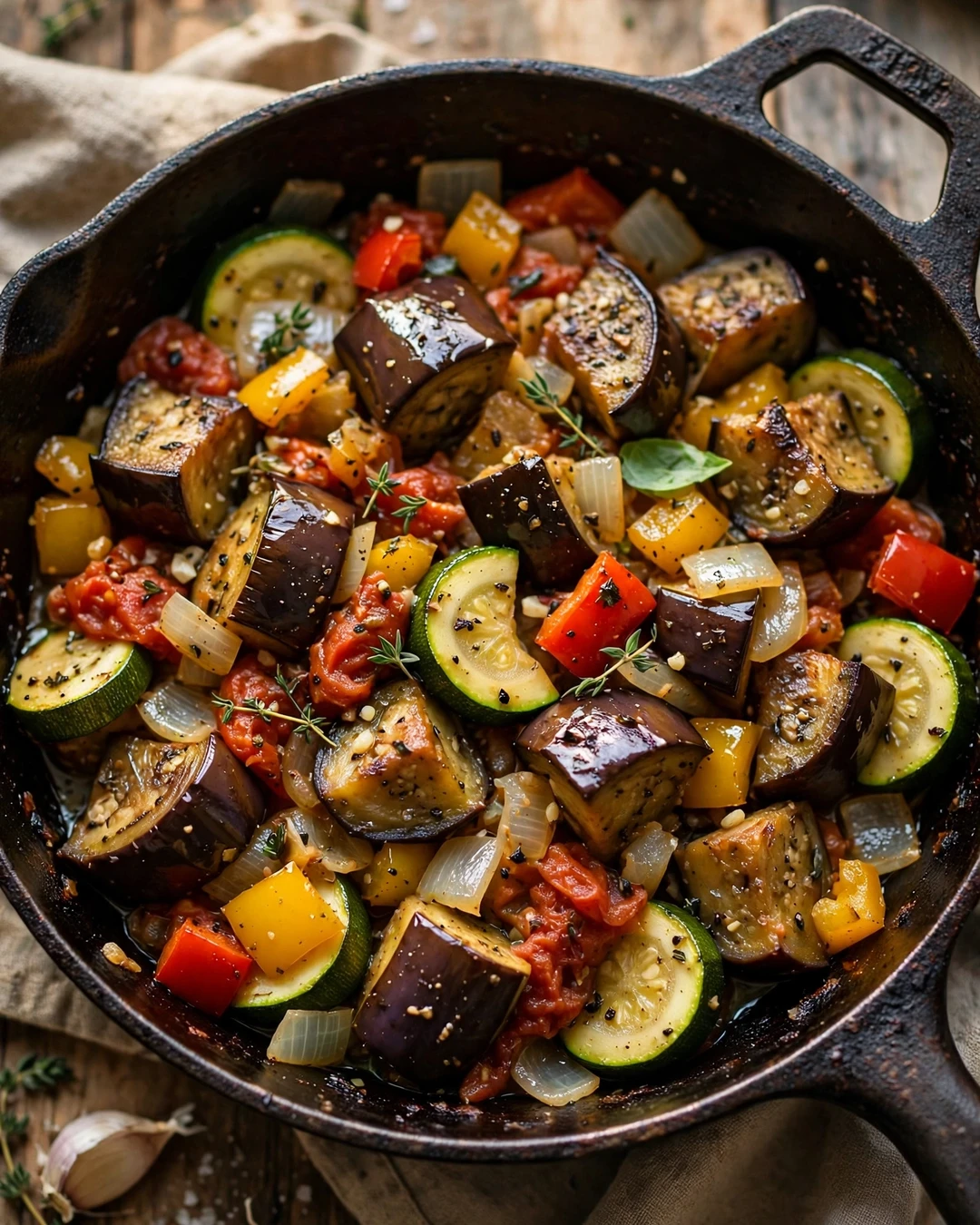
Ratatouille style vegetables sauteed together bring eggplant, zucchini, peppers, and tomatoes into one fragrant, Provençal pan. Each vegetable keeps its own character while the tomato sauce ties everything into a stew like harmony. Served warm or at room temperature, it is one of the most versatile dishes in French home cooking.
Saute each vegetable separately first, then combine them with tomatoes and herbs for a final simmer. This extra step keeps the eggplant silky and the zucchini from turning mushy. Simmer gently for fifteen minutes so the flavors marry without losing texture.
The 30 Minute Weeknight Win
Nearly every dish in this collection is ready in 30 minutes or less, with one pan and a short ingredient list. Keep a stocked pantry of oil, garlic, lemons, and dried spices, and a fresh vegetable side is always within reach, even on the busiest nights.
Pro Tips
Fresh basil and thyme are the classic herbs, added at the end for brightness. A drizzle of good olive oil before serving gives the dish a silky finish. It tastes even better the next day, so make it ahead whenever you can.
- Saute each vegetable separately before combining
- Simmer gently fifteen minutes to marry flavors
- Add fresh basil and thyme at the end
- Make ahead; it improves overnight
Serving Suggestions
Serve warm with crusty bread, over pasta, or beside grilled fish. At room temperature it makes a wonderful picnic dish.
Serving expansion: spoon leftover ratatouille over toasted bread with goat cheese for an instant bruschetta, or fold it into an omelet. The dish reinvents itself easily, which is why French cooks make large batches on purpose. Serve it straight from the pan while the edges are still crisp, since that texture is half the appeal.
22. Sauteed Broccolini with Lemon and Parmesan

Broccolini sauteed with lemon and parmesan is a modern restaurant favorite, with tender stems, lightly charred florets, and a bright, salty finish. It cooks faster than broccoli and looks elegant on the plate, with long stems that drape beautifully. A weeknight side that feels like a special occasion is always worth keeping in rotation.
Saute Do and Do Not
Do use a wide pan and high heat. Do cut pieces evenly. Do finish with fresh herbs. Do not crowd the pan. Do not stir constantly. Do not add garlic too early, or it burns and turns bitter. Follow these rules and soggy vegetables become a thing of the past.
Trim the ends and split thick stems lengthwise so they cook evenly. Saute over medium high heat, turning the stems so they color on all sides. Add garlic in the last minute, then finish with lemon zest, lemon juice, and parmesan shavings.
Pro Tips
A splash of water and a lid for two minutes helps thick stems cook through without burning the florets. If the stems are very long, cut them in half for easier serving. Red pepper flakes add a gentle warmth that suits the lemon well.
- Split thick stems lengthwise for even cooking
- Add garlic only in the last minute
- Steam briefly with water for thick stems
- Finish with zest, juice, and parmesan
Serving Suggestions
Serve with pasta, grilled shrimp, or roast chicken, or as part of an Italian inspired spread. It also tops flatbread with mozzarella.
Restaurant secret: blanch broccolini for one minute before sauteing when cooking for guests. The blanch sets the green color and guarantees tender stems, while the quick saute still delivers the char and flavor you want. This dish also works well for meal prep, holding its flavor for days in a sealed container in the fridge.
23. Carrot and Parsnip Saute with Honey
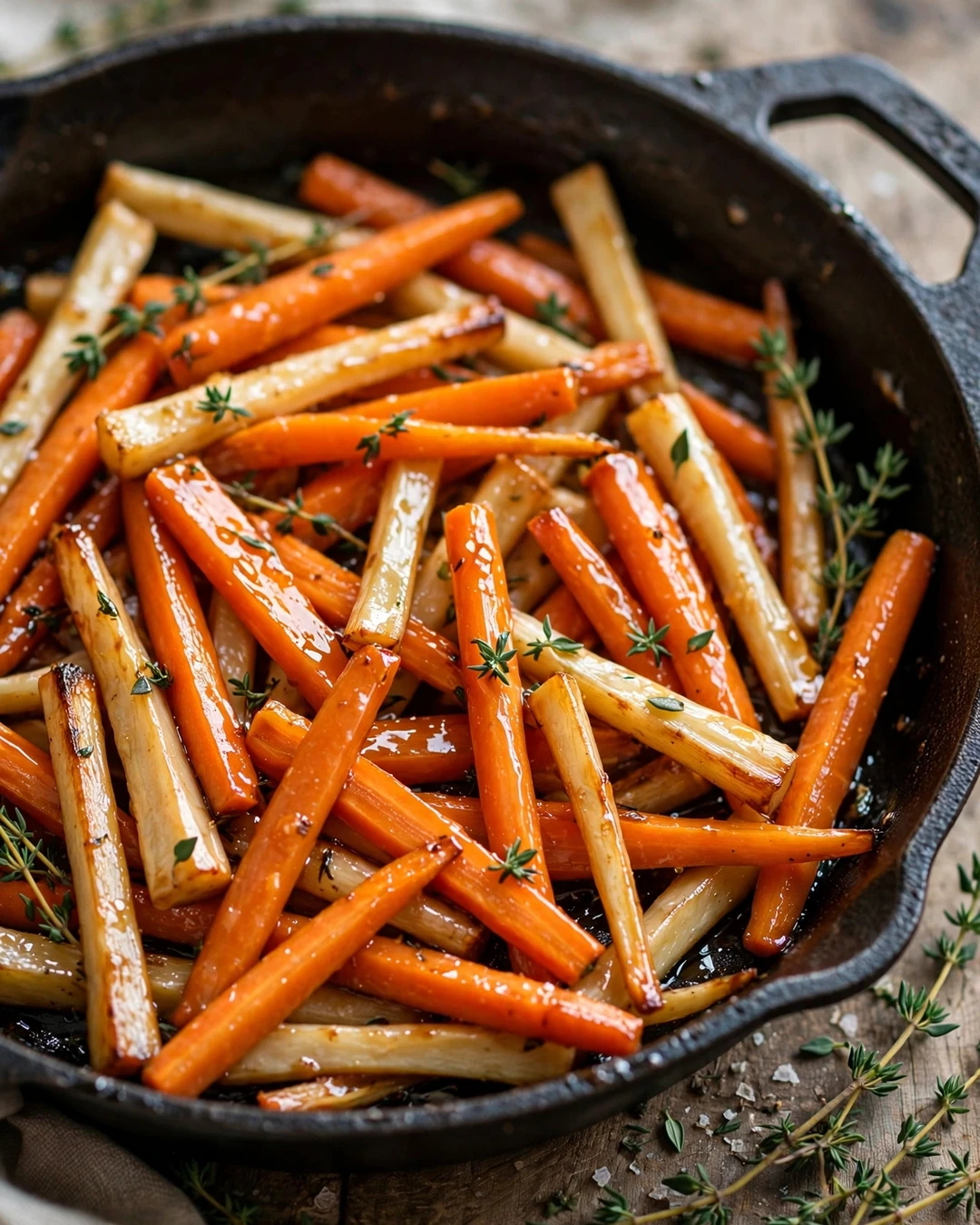
Carrots and parsnips sauteed with honey are sweet, earthy, and deeply golden, with the parsnips adding a peppery, almost spicy note that keeps the dish from tasting one dimensional. Thyme ties the roots together with an herbal warmth. This is a root vegetable side that suits roasts, holiday tables, and cold weather dinners alike.
Cut both roots into even sticks, with parsnips slightly smaller since they cook faster. Saute in butter until starting to color, then add honey, thyme, and a splash of water. Cover briefly to cook through, then uncover and glaze until shiny.
Pro Tips
Taste the parsnips before you buy if possible, since very large ones can be woody in the center. Trim out any woody core before slicing. A splash of cider vinegar at the end keeps the honey glaze balanced.
- Cut parsnips slightly smaller; they cook faster
- Trim any woody core from large parsnips
- Cover briefly, then uncover to glaze
- Balance honey with cider vinegar
Serving Suggestions
Serve with roast beef, pork, or a holiday ham, or beside a simple roast chicken. They also reheat well for lunches.
Root vegetable bonus: save the peels and tops for vegetable stock, and use any leftover saute in a hash with fried eggs. The honey glaze caramelizes again in a hot pan, giving leftovers a fresh, crispy edge. Taste and adjust the salt once more before serving, since vegetables vary in sweetness from batch to batch.
24. Sauteed Mushrooms and Spinach

Mushrooms and spinach sauteed together are a savory, earthy pairing that works as a side, a toast topping, or a pasta filling. The mushrooms brown first and build a meaty base, then the spinach wilts into the garlicky juices in the last two minutes. It is a fast, nutrient packed dish that never feels like health food.
Brown the mushrooms well before adding spinach, since the greens release water that stops browning. Once the mushrooms are deeply colored, add garlic and cook thirty seconds, then add spinach by the handful until wilted. Season boldly, since spinach needs assertive seasoning to shine.
Pro Tips
A splash of cream stirred in at the end turns this into a rich sauce for pasta or toast. For a lighter finish, lemon juice and parmesan are enough. Serve immediately, since spinach continues to wilt and release water as it sits.
- Brown mushrooms fully before adding spinach
- Add garlic after mushrooms, just before spinach
- Season boldly; spinach needs assertive seasoning
- Serve at once before spinach releases water
Serving Suggestions
Serve over toast, pasta, or polenta, or beside steak and chicken. It also fills crepes and omelets beautifully.
Pasta sauce shortcut: stir the finished mushrooms and spinach into hot pasta with cream and parmesan for a ten minute dinner. The mushroom juices become the sauce base, so nothing extra is needed beyond a splash of pasta water. Pair it with a simple protein and crusty bread, and you have a complete dinner with very little extra work.
25. Spicy Sauteed Cabbage with Soy

Spicy cabbage sauteed with soy is a bold, crunchy side that borrows its energy from Asian stir fry cooking, with charred edges and a savory, chili spiked sauce. The cabbage keeps a pleasant bite instead of turning soft, and the whole pan is ready in ten minutes. It is the side to make when plain cabbage feels too quiet.
Slice cabbage into wide ribbons and keep the core pieces separate, since they take longer. Sear over very high heat in a wok, tossing constantly, until the edges char. Add soy, chili garlic sauce, and a touch of sugar, then toss for one minute more.
Pro Tips
Do not salt the cabbage before cooking, since salt draws water and prevents charring. Rice vinegar at the end brightens the soy without watering down the pan. Toasted sesame oil goes in off the heat for the cleanest nutty flavor.
- Slice wide ribbons; keep core pieces separate
- Sear over very high heat, tossing constantly
- Do not salt before cooking or charring suffers
- Add sesame oil off the heat
Serving Suggestions
Serve with rice bowls, dumplings, or grilled meats, or as a crunchy taco topping. It also fills lettuce wraps well.
Takeout style upgrade: add shredded carrots and sliced scallions in the last minute for color and crunch. The dish then doubles as a warm slaw that tops rice, noodles, or sandwiches with equal success. Keep this one in your weeknight rotation, since it scales easily and the leftovers make excellent lunches.
26. Sauteed Corn with Lime and Cilantro
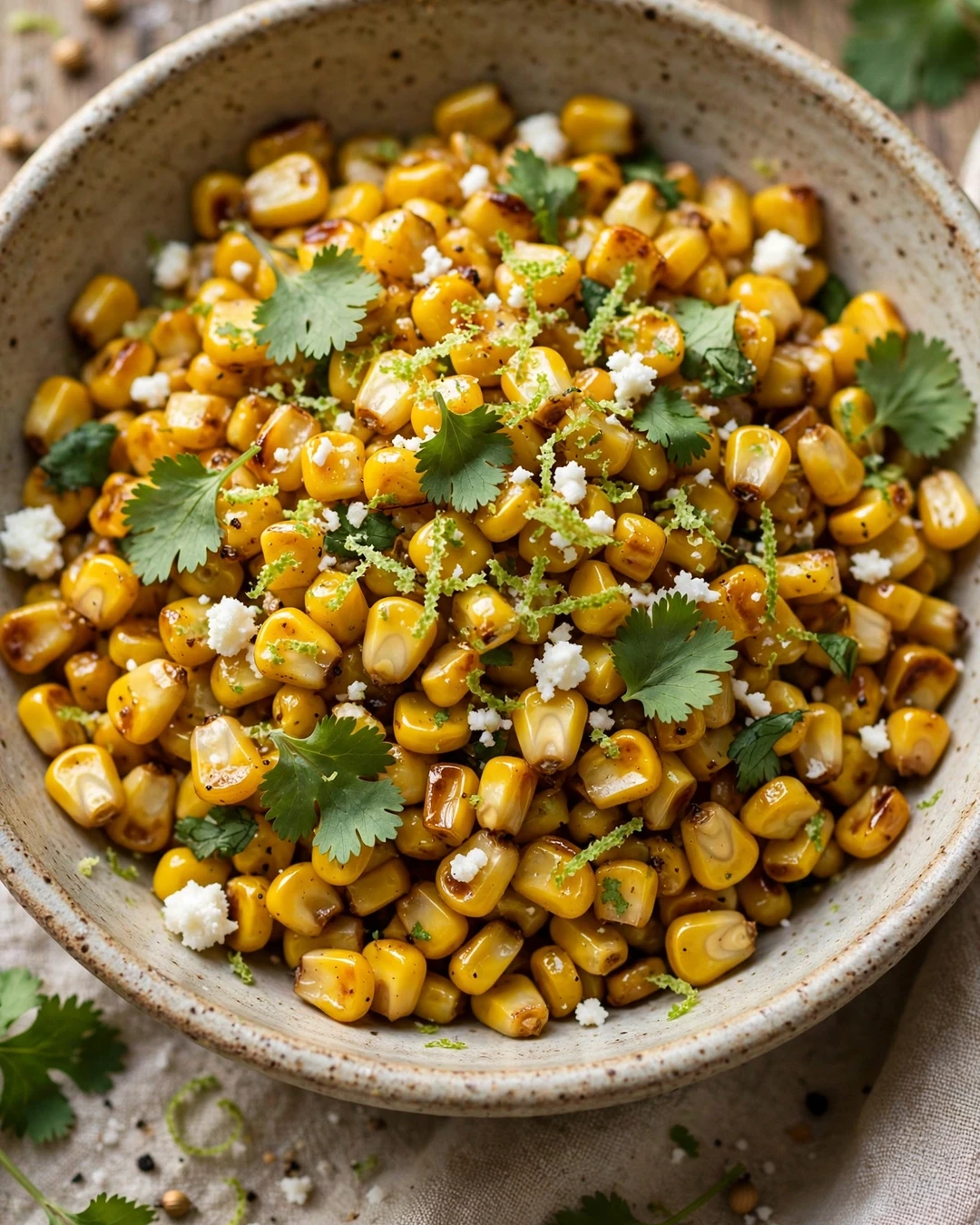
Corn sauteed with lime and cilantro tastes like street corn without the grill, with charred kernels, bright citrus, and a salty cheese finish. The corn caramelizes in a dry hot pan, which concentrates its sweetness and adds a toasty depth. It is a summer side that works just as well with frozen corn in winter.
Heat a dry cast iron pan until very hot, add corn in a single layer, and leave it alone until charred in spots. Toss once, char again briefly, then remove from heat and toss with lime zest, lime juice, cilantro, and crumbled cotija. Butter is optional but adds richness.
Perfect Saute in 5 Steps
One, dry and cut evenly. Two, preheat the pan until hot. Three, add oil, then vegetables in a single layer. Four, sear undisturbed until golden. Five, season, add aromatics late, and finish with acid and herbs. Master these steps and any vegetable becomes a great saute.
Pro Tips
A lid on the pan for one minute helps frozen corn cook through before charring. If the corn starts popping, lower the heat slightly and keep a lid handy. Taste before serving, since the lime and salt balance is what makes this dish sing.
- Char corn in a dry hot pan, undisturbed
- Use a lid briefly for frozen corn
- Add lime and cilantro off the heat
- Balance lime juice and salt before serving
Serving Suggestions
Serve with tacos, grilled chicken, or burgers, or as a dip with tortilla chips. It also tops salads and grain bowls.
Elote bowl idea: pile the finished corn over rice with black beans, avocado, and extra cotija for a complete street corn bowl. The charred kernels hold up to the other bold flavors, and the lime keeps the whole bowl bright.
27. Garlic Butter Mushrooms and Green Beans

Mushrooms and green beans sauteed in garlic butter combine two favorites into one pan, with earthy mushrooms and snappy beans coated in a savory butter sauce. The mushrooms release juices that become part of the sauce, and the beans keep their crunch for contrast. It is a side dish that covers two cravings at once.
Saute mushrooms first until deeply browned, then remove them and cook the beans in the same pan. This order keeps both vegetables at their best instead of compromising one for the other. Return the mushrooms, add garlic and butter, and toss for one minute to combine.
Pro Tips
Blanch the beans for one minute first if you prefer them very tender. A splash of white wine deglazes the pan and adds depth before the butter goes in. Finish with parsley and lemon zest for a fresh, clean note.
- Brown mushrooms first, then set aside
- Cook beans in the same pan for layered flavor
- Deglaze with white wine before adding butter
- Finish with parsley and lemon zest
Serving Suggestions
Serve with roast meats, pasta, or a holiday spread, or spoon over mashed potatoes. It also works as a warm salad base.
Holiday timing tip: cook the mushrooms ahead and refrigerate them, then saute the beans fresh and combine at serving time. This split approach saves stove space on busy days while keeping both vegetables at their peak texture. Serve it straight from the pan while the edges are still crisp, since that texture is half the appeal.
28. Sauteed Peppers, Zucchini and Corn

Peppers, zucchini, and corn sauteed together make a sweet, colorful pan that tastes like a farmers market in August. The peppers soften and sweeten, the zucchini turns golden, and the corn pops with sweetness in every bite. It is a flexible side that suits tacos, grain bowls, and grilled meats equally well.
Saute onions and peppers first until softened and lightly colored, then add zucchini and cook until golden. Corn goes in last, since it needs only two minutes to heat through and char lightly. Season with salt, cumin, and a squeeze of lime for a Southwestern lean.
Pro Tips
Cut all vegetables to a similar size so they cook evenly and look appealing. If the pan gets crowded, cook in two batches and combine. Fresh oregano or cilantro at the end gives the dish a finished, herbal note.
- Cook peppers and onions first until softened
- Add zucchini second, corn last
- Cut vegetables to similar sizes
- Season with cumin and lime for Southwestern flavor
Serving Suggestions
Serve in tacos, over rice, or beside grilled chicken and fish. It also makes a great fajita filling with warm tortillas.
Taco night shortcut: double this pan and use half as a side and half as a taco filling. The vegetables hold up overnight, so next day tacos taste just as good with a quick reheat and fresh tortillas. This dish also works well for meal prep, holding its flavor for days in a sealed container in the fridge.
29. Herbed Sauteed Root Vegetables

Herbed root vegetables sauteed together are earthy, sweet, and fragrant, with carrots, parsnips, and turnips caramelizing into a golden, rustic pan. Fresh herbs added at the end keep the earthiness bright, and a little butter gives the roots a glossy finish. This is cold weather cooking that feels both humble and generous.
Oil and Heat Guide
| Vegetable | Best Oil | Heat |
|---|---|---|
| Leafy greens | Olive oil | High |
| Mushrooms | Butter and oil | High |
| Root vegetables | Butter | Medium |
| Delicate squash | Olive oil | Medium high |
Dice all roots into even half inch pieces and start the hardest ones, like turnips, first. Add carrots and parsnips a few minutes later, and saute over medium heat until golden and tender, about twenty minutes. A splash of stock helps the roots cook through without burning.
Pro Tips
Turnips can taste sharp, so balance them with sweeter carrots and a pinch of sugar if needed. Thyme and rosemary are the classic herbs, but sage works beautifully too. Finish with parsley for a fresh green note against the golden roots.
- Dice roots evenly, about half inch pieces
- Start hardest roots first, softer ones later
- Add stock to cook through without burning
- Finish with fresh parsley for brightness
Serving Suggestions
Serve with roast meats, stews, or a simple roast chicken, or toss into a grain bowl. They also reheat well for lunches.
Winter storage wisdom: root vegetables keep for weeks in a cool spot, so this dish is a reliable standby all winter. Buy a large bag of mixed roots, store them properly, and you always have the base for a warm, herbed side on hand.
30. Sauteed Leeks with Butter and Thyme

Leeks sauteed in butter with thyme turn meltingly soft and sweet, with a gentle onion flavor that is milder and more elegant than regular onions. They cook down into silky ribbons that pair with everything from roast chicken to creamy pasta. This is a quiet, refined side dish that deserves far more attention than it gets.
Slice leeks into half inch rings and rinse well in a colander, since grit hides between the layers. Saute in butter over medium heat, stirring occasionally, until soft and lightly golden, about twelve minutes. A splash of white wine or stock helps them turn silky without browning too fast.
Pro Tips
Use only the white and light green parts for the sweetest, most tender result. If the leeks start to color too quickly, lower the heat and add a spoonful of water. Fresh thyme is best here, but a bay leaf added during cooking gives a similar herbal depth.
- Slice into half inch rings and rinse well
- Use white and light green parts only
- Cook over medium heat until silky, about twelve minutes
- Add wine or stock to keep them from browning too fast
Serving Suggestions
Serve beside roast chicken, fish, or pork, or spoon over mashed potatoes. They also top tarts and flatbreads beautifully.
Soup base bonus: double the leeks and save half for soup the next day. The buttery, thyme scented leeks become an instant base for potato leek soup, needing only stock, potatoes, and a quick simmer to finish. Pair it with a simple protein and crusty bread, and you have a complete dinner with very little extra work.
Sauteed Vegetable FAQs
What is the most important rule for sauteing vegetables?
Use a hot pan and do not crowd it. Dry vegetables in a single layer brown beautifully, while wet, crowded vegetables steam and turn soft. Cook in batches if your pan is small.
Which oil is best for sauteing vegetables?
Use an oil with a medium high smoke point, like olive oil or avocado oil, and add butter for flavor when you want richness. Butter alone burns fast, so pairing it with oil gives you flavor plus heat tolerance.
Why do my sauteed vegetables turn soggy?
Soggy vegetables usually mean a cool pan, wet produce, or too much stirring. Dry vegetables well, preheat the pan until the oil shimmers, and let pieces sear undisturbed until golden before tossing.
When should I add garlic when sauteing?
Add garlic late, usually in the last minute of cooking. Garlic burns quickly over high heat and turns bitter, so letting the vegetables brown first and adding garlic near the end keeps the flavor sweet and fragrant.
Can I saute frozen vegetables?
Yes, but thaw and pat them dry first, and use a very hot pan. Frozen vegetables release a lot of water, so a dry pan and a single layer help them brown instead of steam. Corn, peas, and green beans freeze especially well.
How do I store leftover sauteed vegetables?
Cool leftovers quickly and refrigerate in an airtight container for up to four days. Reheat in a hot skillet rather than the microwave to bring back some crispness, and add a squeeze of lemon to refresh the flavor.
Final Thought
From weeknight green beans to holiday worthy glazed roots, these sauteed vegetable recipes prove that vegetables never need to be boring. Pick a pan, heat it well, and let dinner come together in minutes tonight.