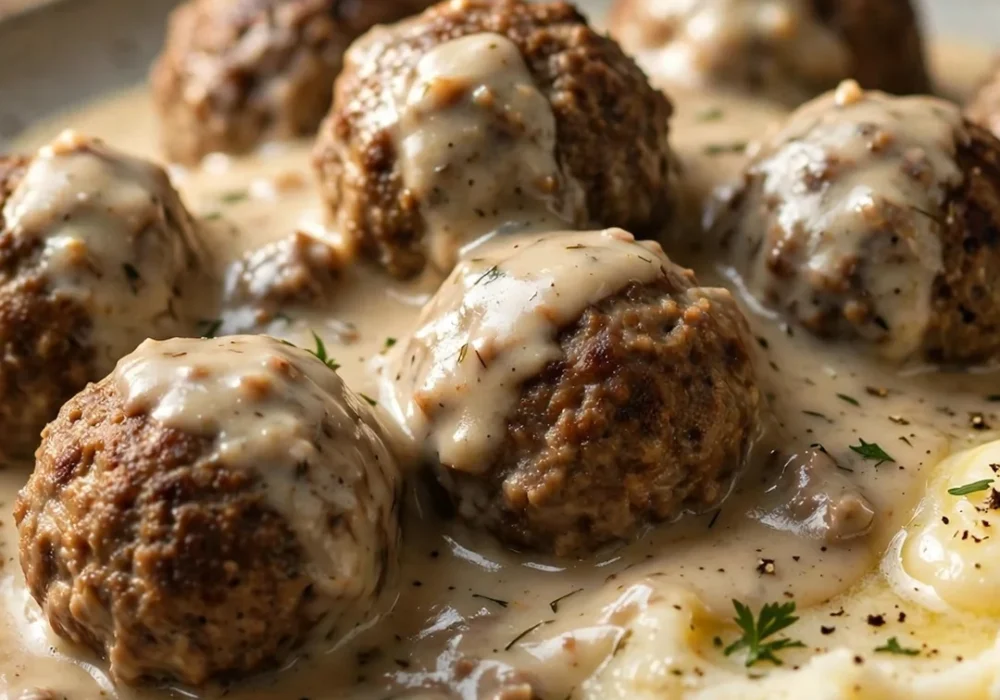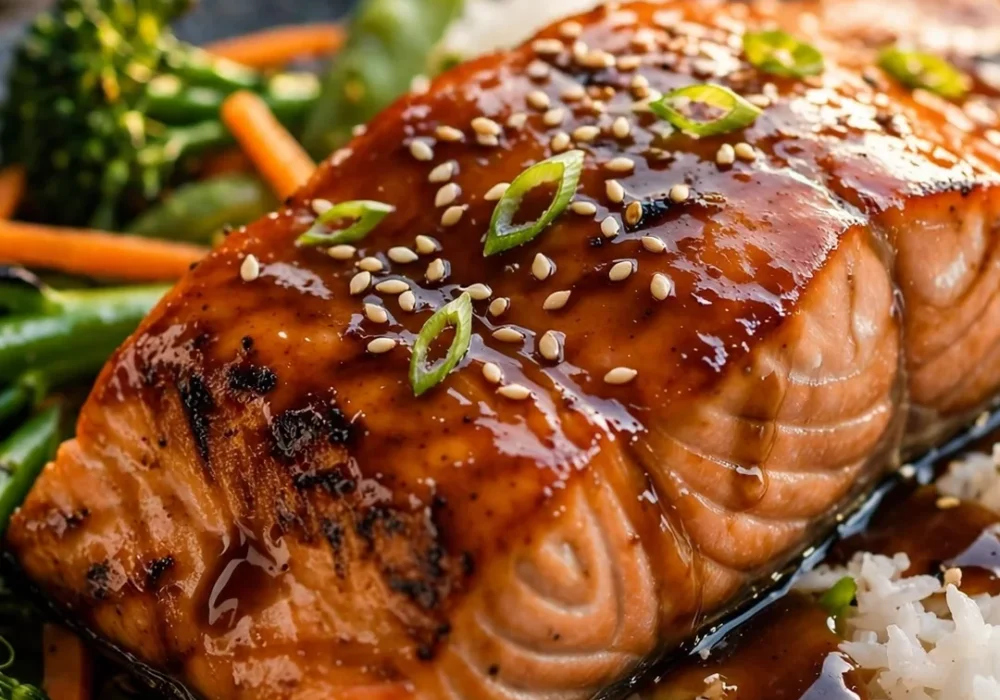

29 Pot Roast Recipes
A tough cut of beef, a heavy pot, and a few patient hours are all it takes to make dinner magic. These pot roast recipes prove it 29 ways, from the slow cooker classic your grandma swore by to Mississippi style, red wine braised, and Asian soy ginger versions that taste like a brand new dish.
Every version here follows the same simple promise: sear hard, braise low and slow, and let the meat rest before you shred or slice it. Pick your pot, grab a chuck roast, and settle in, because the hardest part of any pot roast is waiting for it to finish.
Why You’ll Love These Pot Roast Recipes
- One tough, affordable cut becomes meltingly tender every single time
- Slow cooker, Instant Pot, and Dutch oven methods for any schedule
- Built-in vegetables and gravy: a complete dinner from one pot
- Leftovers transform into sandwiches, soup, tacos, hash, and pot pie
- Feeds a crowd on a budget and tastes even better the next day
1. Classic Beef Chuck Pot Roast
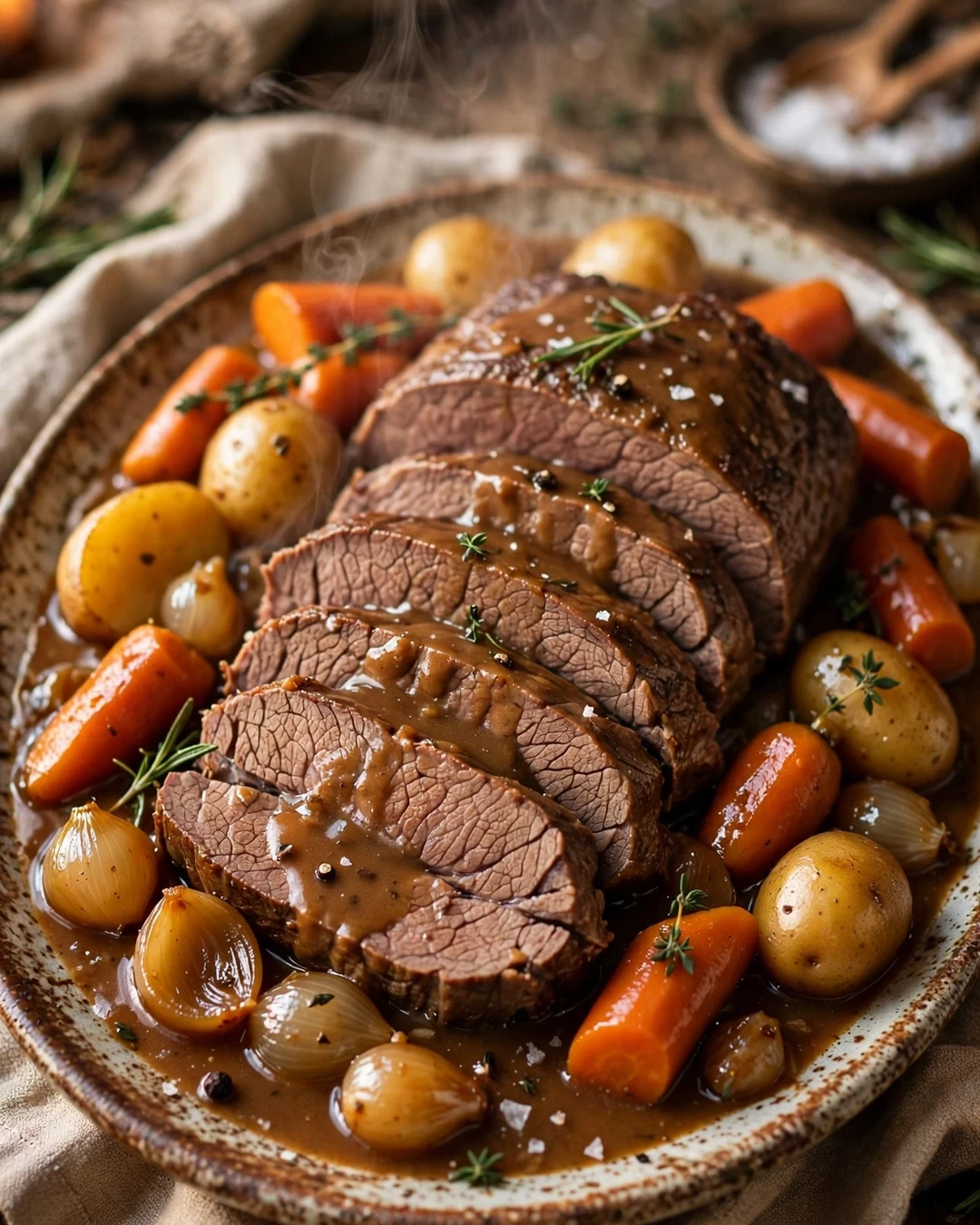
The blueprint every other pot roast is measured against. A well marbled chuck roast, seared until deeply browned, then braised with onions, carrots, and potatoes in beef broth until the meat pulls apart with a fork. This is Sunday dinner in its purest form.
Chuck is the cut that makes pot roast work. Its ribbons of fat and connective tissue melt during the long braise, basting the meat from the inside and turning the cooking liquid into a silky gravy. Season the roast a day ahead with salt and pepper if you can; the salt works its way in and flavors every slice.
Pro Tips
Brown the roast in a heavy Dutch oven over medium high heat, about 5 minutes per side, and resist the urge to shift it around. Deglaze the pot with a splash of broth and scrape up every browned bit, because that dark fond is where the gravy gets its color and depth.
- Choose a chuck roast with plenty of white marbling throughout
- Salt the meat at least 1 hour ahead, overnight is better
- Braise at 325 degrees for 3 to 3.5 hours until fork tender
- Add potatoes in the last hour so they hold their shape
Serving Suggestions
Slice or pull the beef into big chunks and spoon the vegetables and gravy over the top. It begs for something soft to catch the juices, and these mashed potato recipes are the classic partner. A basket of crusty bread for the table never hurts either.
Make ahead note: this roast is even better on day two, when the meat has rested overnight in its own braising liquid. Reheat it gently, covered, at 300 degrees until warmed through. The flavors deepen, the gravy thickens slightly, and leftovers slice cleanly for sandwiches the next day at lunch.
2. Slow Cooker Pot Roast

The set it and forget it version that still tastes like you stood over the stove all afternoon. Everything goes into the crock in the morning, and by dinner the beef is spoon tender, the potatoes are creamy, and the whole house smells like a holiday.
The slow cooker cannot brown anything, so the one step worth your time is a quick sear on the stovetop first. Ten minutes of browning builds the deep flavor base that the gentle crock heat then carries through the whole dish. Bloom a spoonful of tomato paste in the hot pan too, for extra richness.
Pro Tips
Keep the vegetables in large chunks so they survive the long cook without turning to mush. Lay the onions on the bottom of the crock as a bed for the roast; they melt into the broth and keep the meat from sitting directly on the heat. Cook on low, not high, for the most tender result.
- Sear the roast first for real depth of flavor
- Low for 8 to 10 hours beats high for 5 every time
- Keep the lid closed; each peek costs about 20 minutes
- Thicken the juices at the end with a cornstarch slurry
Serving Suggestions
Ladle everything straight from the crock into wide bowls, juices and all. Buttered egg noodles underneath turn it into an even heartier plate. A simple green salad with a sharp vinaigrette cuts through the richness nicely.
Busy weeknight trick: assemble everything in the crock insert the night before, refrigerate it, and set it in the base in the morning. Dinner cooks itself while you are gone, and all that is left is thickening the gravy and calling everyone to the table.
3. Instant Pot Pot Roast
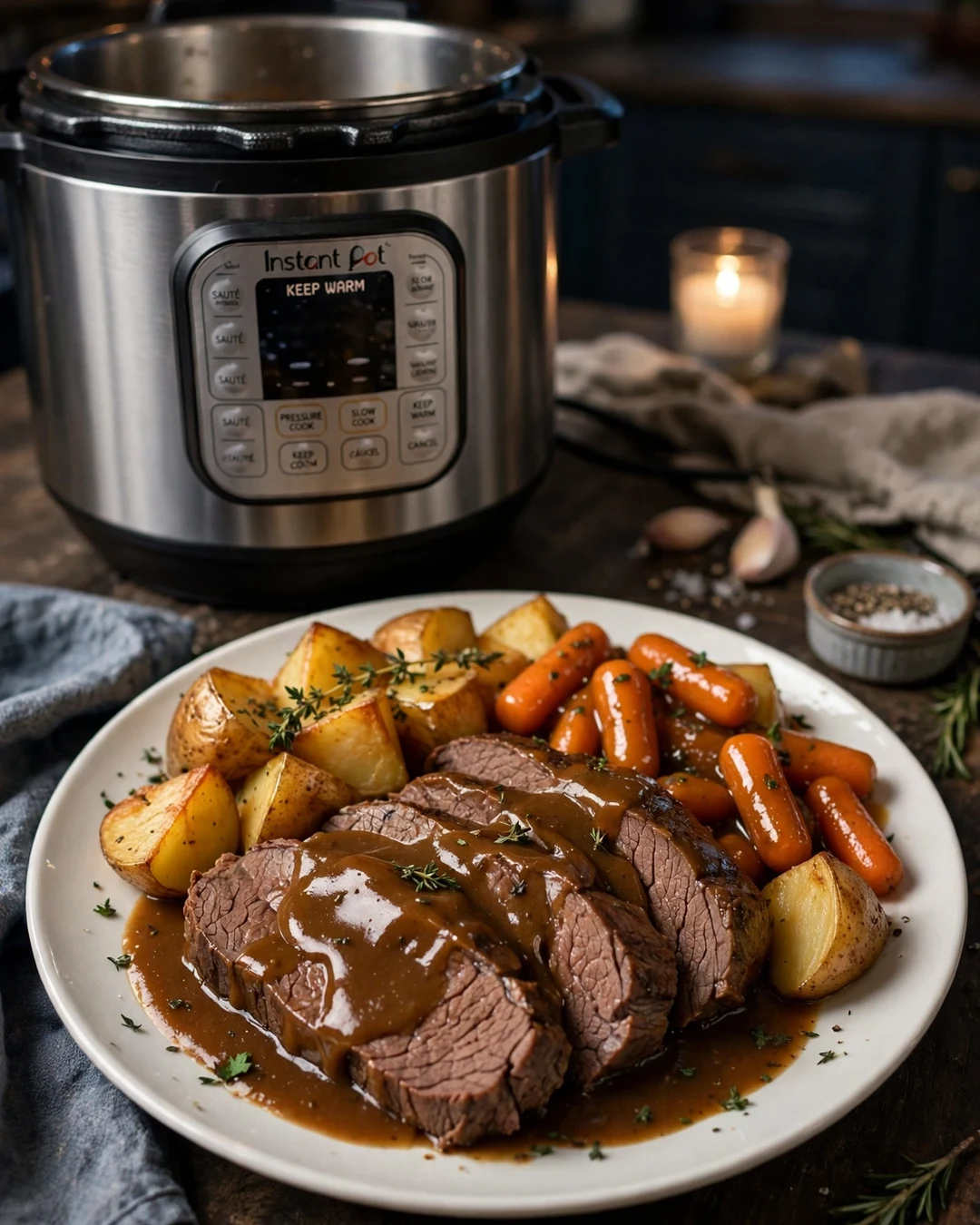
All the low and slow flavor in about a third of the time. Pressure cooking forces the seasoned broth deep into the chuck roast, breaking down the connective tissue until the meat shreds with barely any pressure from a fork. Pot roast on a weeknight is suddenly realistic.
The key is cooking in stages. The roast goes in first for the full pressure cook, then the vegetables get a short second cook so they stay firm and bright instead of collapsing. A natural release of at least 15 minutes keeps the meat juicy; a fast release can toughen it.
Pro Tips
Use the saute function to sear the roast right in the pot and deglaze well, because stuck bits trigger the burn warning. Cut the chuck into two or three large pieces for faster, more even cooking. Season the cooking liquid generously since pressure cooking mutes flavors a little.
- Sear on saute mode and deglaze to avoid the burn notice
- Pressure cook the roast 60 to 70 minutes for a 3 pound chuck
- Always allow a 15 minute natural release for tender meat
- Cook vegetables separately for 3 to 4 minutes at the end
Serving Suggestions
Shred the beef right in the pot juices and serve over buttered noodles or rice to catch every drop. The gravy you whisk from the cooking liquid is liquid gold, so make plenty and pass it at the table in a warm pitcher.
Flavor boost: stir a spoonful of Worcestershire sauce and a teaspoon of Dijon mustard into the cooking liquid before sealing the lid. Both disappear into the background but add a savory depth that makes people ask what your secret ingredient is.
4. Dutch Oven Pot Roast

The traditional stovetop to oven method, and still the gold standard. A heavy enameled Dutch oven holds heat evenly, browns beautifully, and goes from burner to oven without missing a beat. If you only ever learn one pot roast method, make it this one.
The rhythm is simple: sear, soften the aromatics, deglaze, then let the oven do the quiet work at a low temperature. The tight fitting lid traps moisture so the roast bastes itself. Check the liquid level once halfway; it should come about halfway up the meat, never covering it completely.
Pro Tips
Preheat the pot before adding oil so the meat releases cleanly once the crust forms. Keep the oven at 325 degrees; hotter ovens boil the liquid and tighten the meat fibers. The roast is done when a fork twists in it with almost no resistance, not when a timer says so.
- Keep braising liquid halfway up the roast, never submerged
- Rest the meat 15 minutes before slicing or shredding
- Slice against the grain for the tenderest bites
- Skim the fat from the surface before making gravy
Serving Suggestions
Bring the whole Dutch oven to the table and serve family style, letting everyone spoon gravy over their own plate. Buttermilk biscuits or dinner rolls are made for sopping up what is left. Leftovers reheat beautifully in their own juices the next day.
Temperature tip: if your roast ever comes out chewy, it is almost never overcooked; it is undercooked. Tough connective tissue needs time to melt, so put the lid back on, give it another 30 to 45 minutes, and check again. Patience fixes nearly every pot roast problem.
5. Mississippi Style Pot Roast

The internet famous roast with the ingredient list that sounds wrong and tastes absolutely right. A packet of ranch seasoning, a packet of au jus mix, a stick of butter, and a handful of pepperoncini peppers cook down into a tangy, rich, slightly spicy gravy like nothing else.
There is no added liquid, which surprises everyone the first time. The butter and the juices from the meat and peppers create plenty of braising liquid on their own. The pepperoncinis soften into the background, adding brightness and gentle heat rather than raw pepper flavor.
Pro Tips
Use the whole peppers plus a splash of their brine for the signature tang. If sodium is a concern, choose low sodium mixes, because both packets bring plenty of salt. A quick sear before the slow cooker is optional here; the bold seasoning carries the dish even without it.
- Five ingredients plus the roast; that is the whole list
- Whole pepperoncini melt into mild, tangy background heat
- No extra liquid needed; butter and meat juices do the job
- Shred directly in the crock and toss with the juices
Serving Suggestions
The classic plate is over mashed potatoes, where the tangy gravy soaks in perfectly. It also makes an outstanding sandwich filling on toasted rolls with provolone. Budget beef fans should also browse these ground beef recipes for more wallet friendly dinner ideas.
Heat control: the peppers are mild as written, but you can slice two or three of them open before cooking to let more heat into the gravy. For a spicier batch, swap half the pepperoncini for sliced jalapenos and add a pinch of red pepper flakes.
6. Garlic Herb Pot Roast
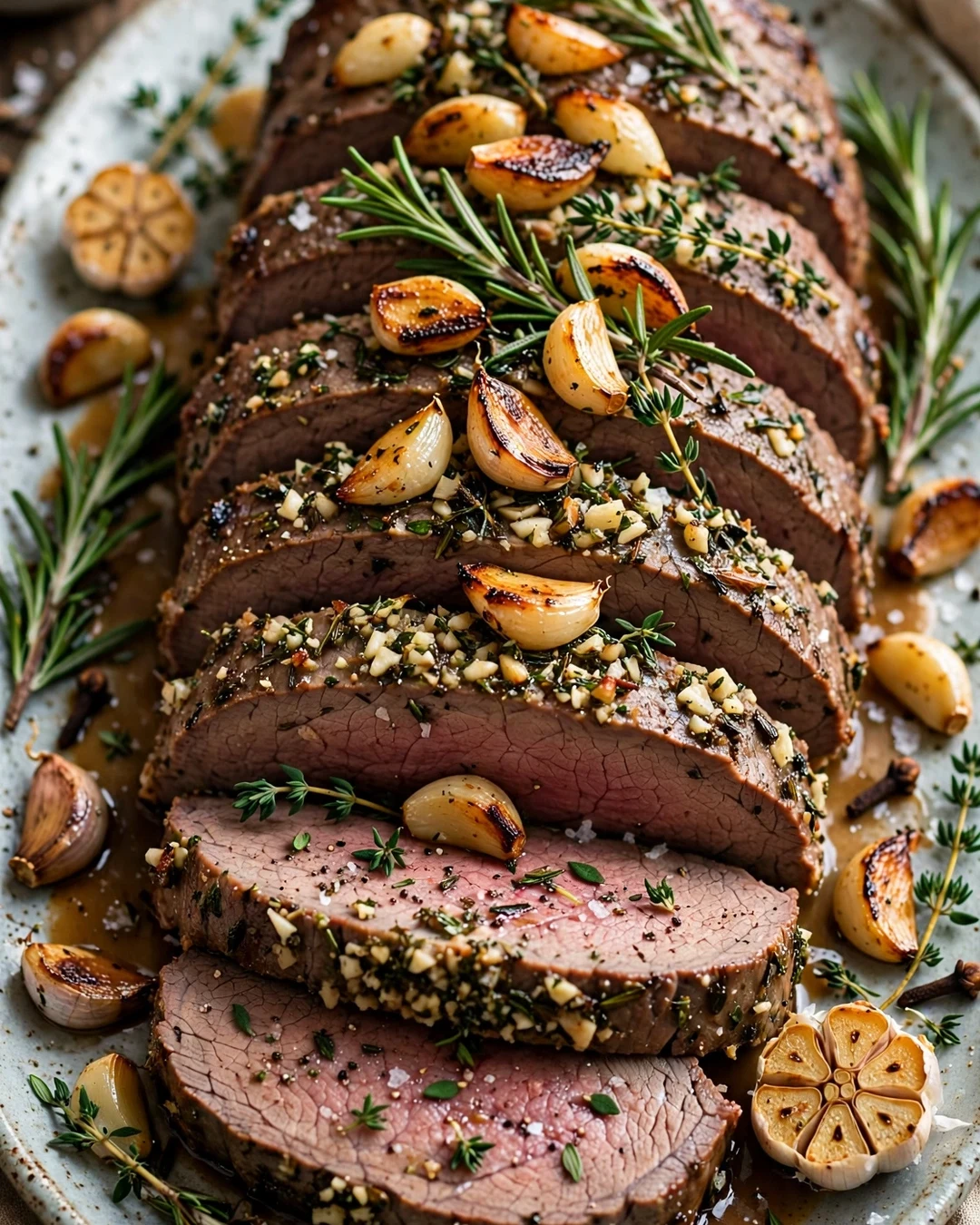
For everyone who believes more garlic is always the answer. A paste of minced garlic, rosemary, thyme, and olive oil gets rubbed over the roast before searing, so the herbs toast into the crust and perfume the entire braise from the outside in.
Whole garlic cloves tucked around the roast soften into sweet, spreadable nuggets by the end. The herb paste also seasons the gravy as it simmers, so every spoonful tastes like a herb garden in the best way. Fresh herbs matter here; dried ones lose their punch in the long cook.
Pro Tips
Chop the herbs finely so the paste sticks to the meat instead of falling off in the pan. Add delicate herbs like parsley only at serving time for color and freshness. If the garlic starts browning too fast during the sear, lower the heat slightly; burnt garlic turns bitter.
- Fresh rosemary, thyme, and plenty of garlic are non negotiable
- Herb paste goes on before searing so it toasts into the crust
- Whole garlic cloves braise into sweet, soft nuggets
- Finish with chopped parsley for a fresh contrast
Serving Suggestions
Serve over creamy polenta or garlic mashed potatoes to stay on theme. The soft braised garlic cloves are wonderful mashed into the potatoes or spread on warm bread. A peppery arugula salad on the side keeps the plate balanced.
Rub variation: swap the rosemary for sage and add a teaspoon of lemon zest to the paste for a brighter, almost Italian profile. It pairs especially well with white beans simmered in the braising liquid during the last 45 minutes of cooking time.
7. Onion Soup Mix Style Pot Roast

The retro shortcut that has fed families for decades, and honestly, it still works beautifully. A packet of onion soup mix brings concentrated onion flavor, salt, and savory depth to the braise with zero chopping and zero guesswork.
The mix dissolves into the cooking liquid and reduces into a dark, intensely savory gravy that tastes like it took all day. Real sliced onions added to the pot soften and sweeten as they braise, giving you the best of both worlds: shortcut flavor with homemade texture.
Pro Tips
Because the mix is salty, hold back on added salt until the end and taste the finished gravy first. A splash of red wine or a spoonful of tomato paste deepens the flavor and keeps the shortcut from tasting like one. Two big onions sliced into the pot are never too many.
- One packet of onion soup mix seasons the whole pot
- Add real onions too; they sweeten the braise
- Taste before salting the finished gravy
- A little tomato paste adds body and color
Serving Suggestions
Egg noodles are the traditional partner and they catch the oniony gravy in every fold. Buttered green beans or peas add the color this brown on brown plate needs. The leftovers make a superb base for French dip style sandwiches the next day.
From scratch swap: if you prefer to skip the packet, use two tablespoons of onion powder, a teaspoon each of garlic powder and paprika, a crumbled beef bouillon cube, and a tablespoon of dried onion flakes. The result lands remarkably close to the original classic.
8. Red Wine Braised Pot Roast
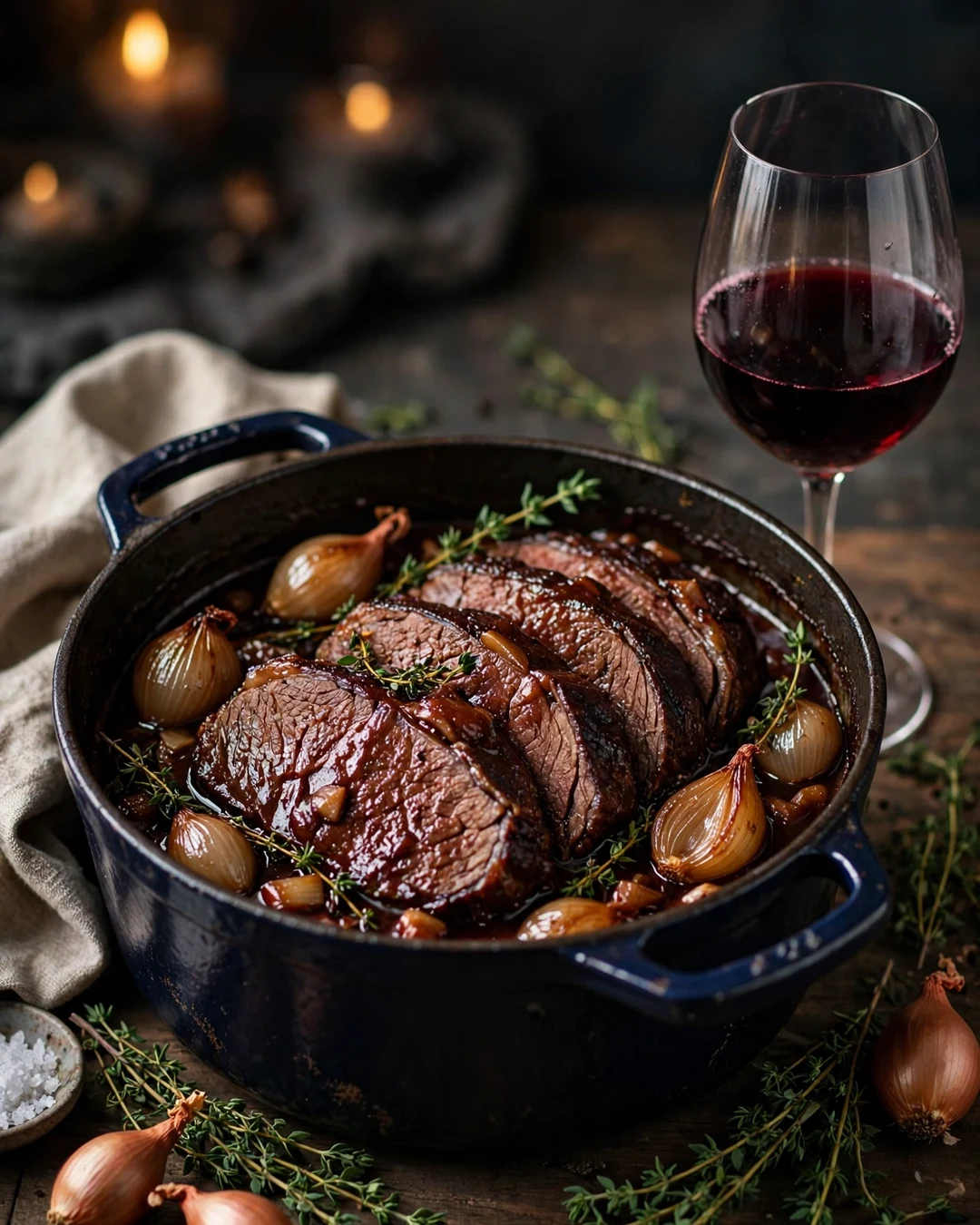
The dinner party version. A full cup of dry red wine in the braise gives the gravy a deep mahogany color and a gentle acidity that makes the beef taste richer and more complex. It feels fancy, but the method is the same forgiving braise as always.
Use a wine you would happily drink, something like a Cabernet Sauvignon or a Merlot, because its flavor concentrates as it reduces. Add it after searing and let it bubble for a few minutes to cook off the raw alcohol edge before the broth goes in. Shallots melt into the sauce and add quiet sweetness.
Pro Tips
Reduce the wine by about a third before adding broth for the most concentrated flavor. A small square of dark chocolate or a teaspoon of balsamic at the end deepens the sauce without tasting sweet. Pearl onions added in the final hour look elegant and braise into little flavor bombs.
- Dry red wine only; sweet wine makes sweet gravy
- Let the wine reduce before adding the broth
- Shallots add sweetness without onion chunks
- Finish with a knob of cold butter for a glossy sauce
Serving Suggestions
This roast deserves wide egg noodles, creamy mashed potatoes, or soft polenta underneath. Pour the same wine at the table and the pairing takes care of itself. A simple dressed green salad first keeps the meal feeling like a bistro dinner.
No wine swap: replace the wine with extra beef broth plus two tablespoons of red wine vinegar and a teaspoon of Worcestershire sauce. You lose a little depth but keep the acidity that makes this version special, and the gravy still comes out beautifully dark.
9. Italian Style Pot Roast

Pot roast, Italian grandmother style. The beef braises in crushed tomatoes with garlic, oregano, and a parmesan rind until the sauce turns brick red and the meat falls into strands. It is part Sunday roast, part slow simmered ragu, and completely irresistible.
The tomato acid gently tenderizes the meat while it cooks, so this version often finishes a touch sooner than broth based roasts. Stir a handful of torn basil in at the very end so it stays bright. The parmesan rind is the quiet secret; it melts into pure savory depth.
Pro Tips
San Marzano style tomatoes give the sweetest, least acidic sauce. If the sauce tastes sharp at the end, a pinch of sugar balances it without making it sweet. Shredding the meat back into the sauce, rather than slicing it, gives you the full ragu experience.
- A parmesan rind in the pot adds deep savory flavor
- Crushed tomatoes tenderize while they braise
- Fresh basil goes in at the very end, off the heat
- Shred the beef into the sauce for a ragu texture
Serving Suggestions
Toss the saucy shredded beef with pappardelle or rigatoni for a pasta night worth remembering. It is equally good spooned over creamy polenta with grated parmesan. Garlic bread for swiping the bowl is strongly encouraged.
Make it a feast: start with a chopped Italian salad and finish with something cold and creamy for dessert. The roast reheats in its sauce without drying out, so cooking it a day ahead of a gathering is not just fine, it is the smart move.
10. French Onion Style Pot Roast

Two comfort food legends in one pot. The roast braises in a deep onion broth, then gets crowned with a pile of sweet caramelized onions and Gruyere and slid under the broiler until the cheese bubbles and browns. Every bite tastes like the top of a bowl of French onion soup.
The onions do double duty here: some braise with the meat and melt into the gravy, while a separate batch caramelizes slowly on the stovetop for the topping. A splash of sherry or white wine in the braising liquid echoes the classic soup flavor. Gruyere is traditional, but Swiss or provolone work too.
Chicken Braise Checklist
Pat the bird dry and salt it inside and out. Truss the legs so it cooks evenly. Keep the liquid at leg height, never over the breast. Rest 15 minutes, then check that the thigh reads 165 degrees before carving.
Pro Tips
Caramelized onions cannot be rushed; give them 40 minutes over medium low heat, stirring now and then. Deglaze the onion pan with a little broth and pour every drop into the roast pot. Broil the finished roast just 2 to 3 minutes and watch it closely, because cheese goes from golden to burnt fast.
- Four large onions minimum; they cook down a lot
- A splash of sherry adds classic soup flavor
- Gruyere melts into the perfect golden cap
- Toast some crostini to serve in the gravy
Serving Suggestions
Serve slices of the roast with the cheesy onion cap intact and plenty of the oniony gravy spooned around. Toasted baguette slices for dipping turn it into a full French onion experience. A frilly green salad with Dijon vinaigrette is the classic side.
Soup lover shortcut: stir a can of condensed French onion soup into the braising liquid in place of half the broth. It concentrates the onion flavor beautifully and shaves a step off the prep on nights when patience is in short supply.
11. Balsamic Pot Roast

Sweet, tangy, and deeply glossy. Balsamic vinegar in the braise cooks down into a dark, syrupy gravy that clings to every slice of beef. A touch of honey rounds the edges, and the result tastes like something from a good Italian trattoria.
Balsamic mellows dramatically with heat, losing its sharp bite and turning almost raisiny. Add half at the start for depth and a final splash at the end to wake the flavor back up. This version pairs especially well with roasted shallots or red onions braised right alongside the meat.
Pro Tips
An everyday balsamic is fine for the braise; save the expensive aged bottle for the finishing drizzle. Watch the gravy near the end, because the natural sugars can reduce quickly once it starts to thicken. If it gets too sharp, a teaspoon of honey fixes the balance.
- Add balsamic in two stages for depth plus brightness
- Honey balances the tang without making it sweet
- Red onions or shallots braise beautifully alongside
- Reduce the gravy until it coats the back of a spoon
Serving Suggestions
Creamy mashed potatoes or soft polenta catch the glossy sauce perfectly. Roasted Brussels sprouts or green beans add a bitter green note that plays well against the sweet tang. Finish each plate with a few drops of your best balsamic.
Glaze trick: once the roast is resting, boil the braising liquid hard for 5 to 8 minutes until it turns syrupy, then spoon it over the sliced meat like a glaze. It concentrates the balsamic flavor into something you will want to bottle.
12. Mushroom Gravy Pot Roast
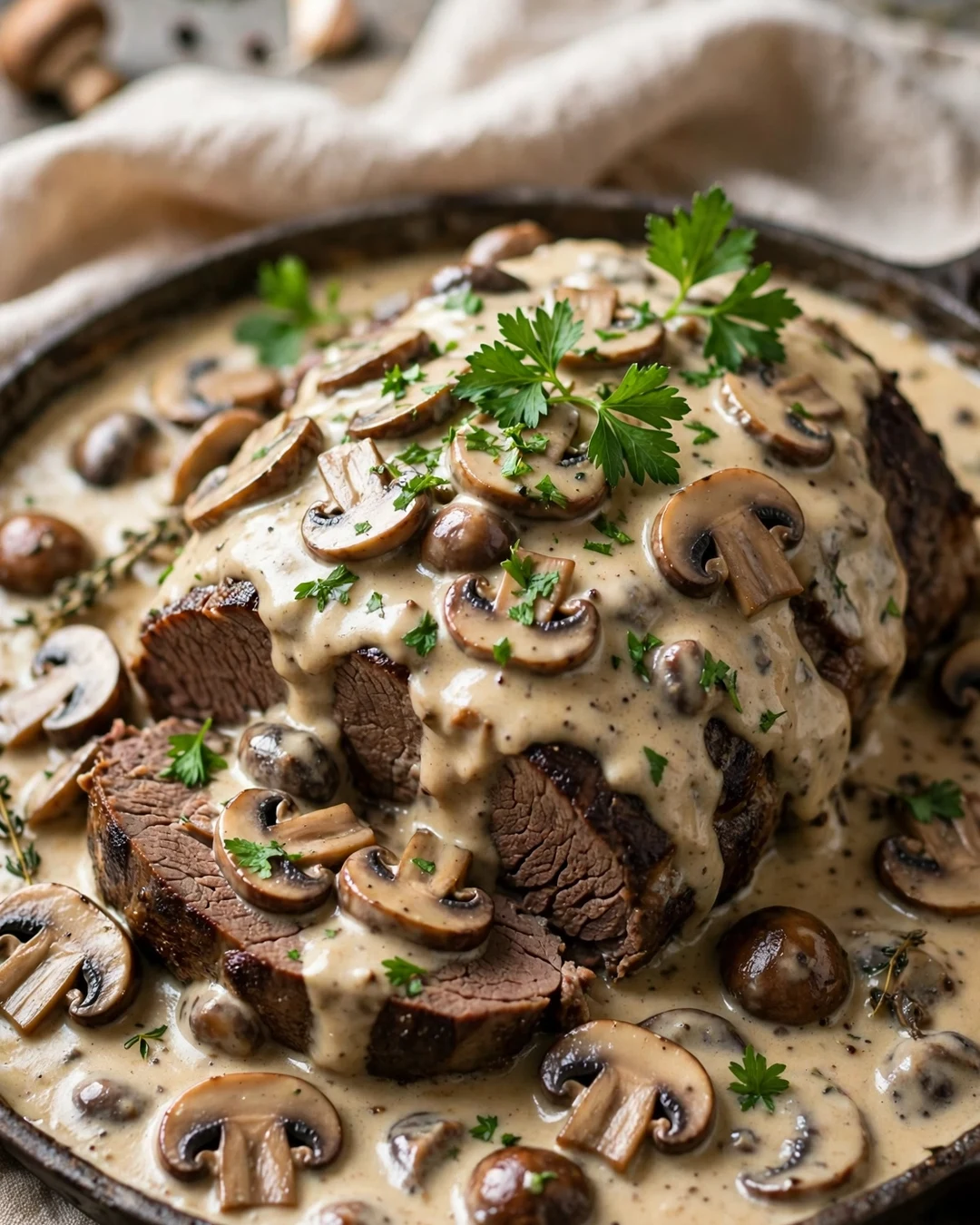
For the gravy lovers who judge a pot roast by what is spooned over it. A full pound of mushrooms cooks down into the braise, and the finished gravy is thick, earthy, and loaded with tender mushroom slices in every pour.
Sear Like You Mean It
Pat the roast completely dry before it hits the hot pan. Surface moisture is the enemy of browning, and browning is where pot roast gets its deep, beefy flavor. Give each side a full 5 minutes without moving the meat.
The mushrooms release their liquid as they cook, which deepens the broth with real umami. Browning them in batches before the braise gives you two layers of mushroom flavor: caramelized edges in the pot and silky slices in the gravy. A spoonful of sour cream stirred in at the end adds gentle tang and body.
Pro Tips
Cremini mushrooms hold up best through a long braise and taste meatier than white buttons. Thicken the gravy with a flour slurry at the end if you like it extra plush. Dried porcini, even just a small handful soaked and chopped, takes the mushroom flavor over the top.
- One pound of mushrooms, browned in batches
- Stir sour cream in off the heat for a smooth finish
- Thyme is the mushroom gravy herb of choice
- Save some mushroom slices to garnish each plate
Serving Suggestions
Buttered egg noodles were invented for this gravy. Rice and mashed potatoes run a close second. If you are a true gravy devotee, these gravy recipes will give you a sauce for every roast on your table.
Stroganoff twist: slice the leftover roast thin, warm it in the mushroom gravy with an extra spoonful of sour cream and a teaspoon of Dijon, and serve over noodles. It tastes like a brand new dinner, not a rerun of last night.
13. Ranch Style Pot Roast

All the herby, garlicky flavor of ranch dressing, in roast form. Ranch seasoning mixed with a little olive oil becomes a paste that crusts the beef as it sears, then melts into the braising liquid to season the potatoes and carrots from the inside out.
This is not the Mississippi roast; there are no pepperoncini and no au jus packet, just clean ranch herbs: dill, parsley, garlic, and onion. A homemade ranch blend lets you control the salt, and it takes about a minute to shake together from pantry spices.
Pro Tips
Rub the ranch paste under as well as over the roast if you are using a tied roast, so the flavor reaches the center slices. Buttermilk powder in the blend adds the signature ranch tang. Fresh dill scattered over the finished dish makes the ranch flavor pop.
- Homemade ranch blend: dill, parsley, garlic, onion, salt
- Paste the roast before searing for a herbed crust
- Buttermilk powder adds authentic ranch tang
- Finish with fresh dill and a squeeze of lemon
Serving Suggestions
Serve with the braised potatoes and carrots and a crisp wedge salad with ranch dressing to lean all the way in. If your family loves weeknight comfort classics like this one, these meatloaf recipes belong in the same dinner rotation.
Kid approved note: ranch is the flavor that gets picky eaters to the table, and this roast leans into it without a packet in sight. Let kids sprinkle their own extra fresh dill on top and they will eat the carrots without a single negotiation.
14. BBQ Style Pot Roast
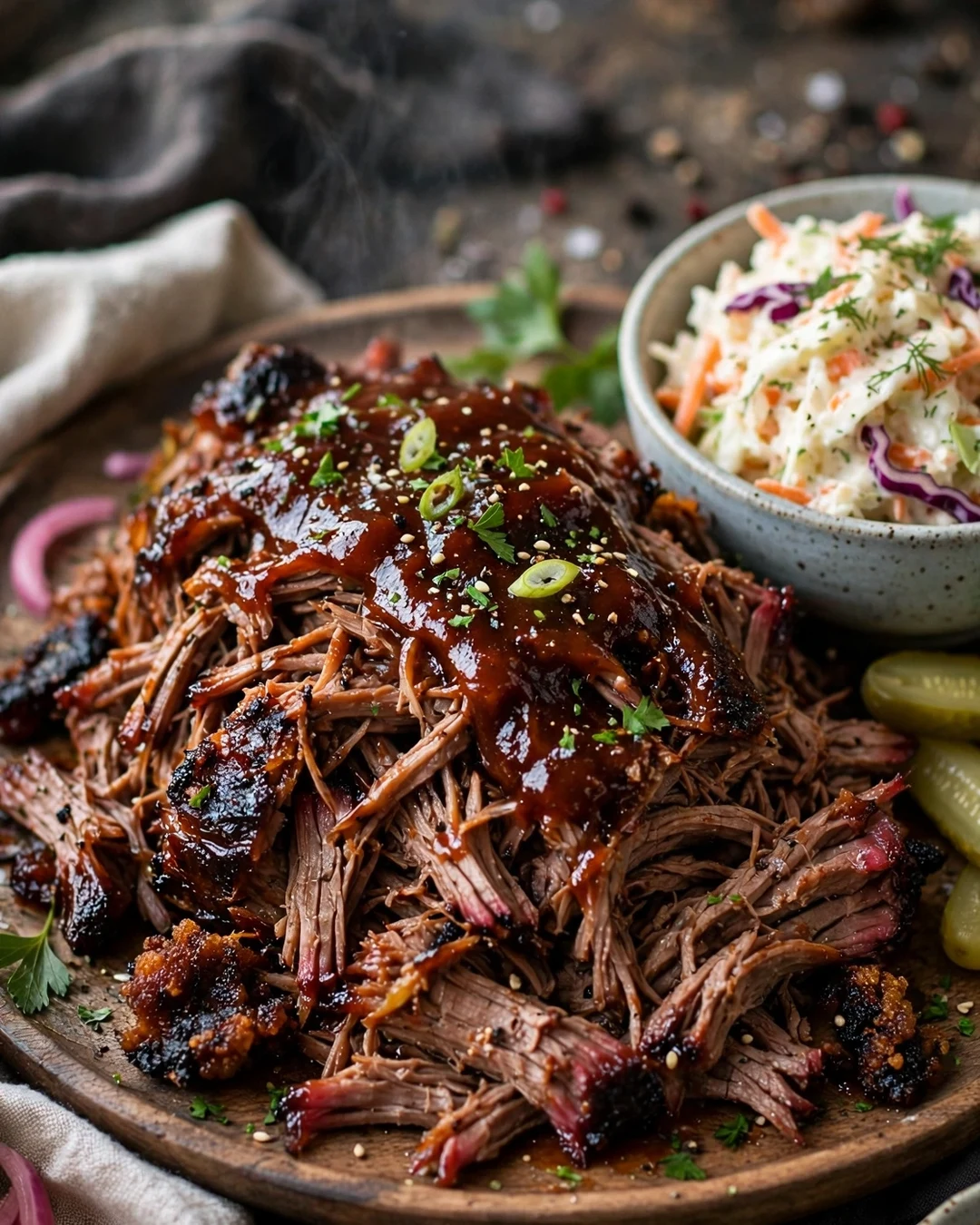
When you want barbecue flavor without firing up the smoker. The roast braises in a blend of barbecue sauce, broth, and a little apple cider vinegar until it shreds like pulled pork, then gets tossed in reduced sauce until the edges turn sticky and caramelized.
A teaspoon of smoked paprika and a drop of liquid smoke in the braise fake the smoke ring flavor convincingly. Choose a sauce style you love, sweet Kansas City or tangy Carolina, because it becomes the personality of the whole dish. Finish the shredded meat under the broiler for crispy edges.
Pro Tips
Hold back half the barbecue sauce until after shredding, then reduce it with the cooking juices for a glaze that actually clings. Broil the sauced meat on a sheet pan for 4 to 5 minutes to get those craveable crispy bits. A splash of vinegar at the end brightens the sweet sauce.
Italian Style Game Plan
Step 1: sear the salted roast on all sides. Step 2: soften onion and garlic in the drippings. Step 3: add tomatoes, broth, oregano, and the parmesan rind. Step 4: braise 3 hours until strand tender. Step 5: shred, return to the sauce, and finish with basil.
- Smoked paprika plus liquid smoke fakes the smoker
- Save half the sauce for the finishing glaze
- Broil after shredding for crispy, sticky edges
- Pickle slices on the side cut the sweetness
Serving Suggestions
Pile it on soft buns with coleslaw for sandwiches, or serve it straight with baked beans and mac and cheese. These cornbread recipes round out the barbecue plate, especially baked in a cast iron skillet with crisp edges.
Regional remix: go Carolina style with a mustard based sauce and extra vinegar, or lean Texas with a peppery, tomato light sauce and sliced raw onion on top. The braise method stays exactly the same; only the sauce personality changes.
15. Mexican Style Pot Roast
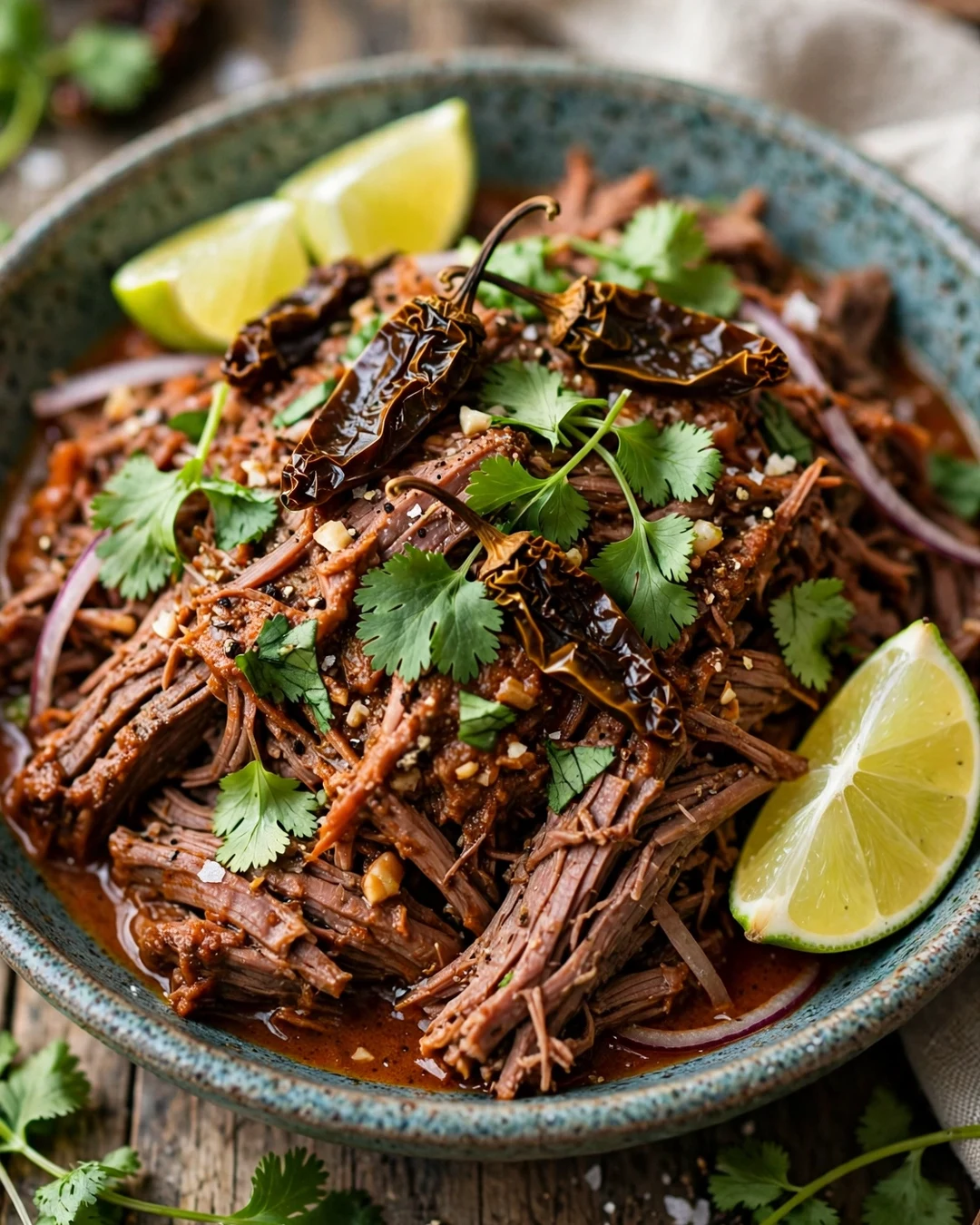
Chipotle, cumin, and oregano take pot roast in a bold new direction. The beef braises in a tomato and chipotle broth until it shreds into juicy strands that soak up the smoky, gently spicy sauce. It lands somewhere between pot roast and barbacoa, and it is wonderful.
Chipotles in adobo are the engine here; two peppers plus a spoonful of the sauce bring smoke and heat without blowing anyone’s head off. Fire roasted tomatoes add another layer of char. Finish with lime juice and cilantro to keep all that richness tasting bright.
Pro Tips
Mince the chipotles fine so the heat spreads evenly through the sauce. Bloom the cumin and oregano in the hot drippings before adding liquid, the way you would for chili. Black beans stirred in during the last 30 minutes make it a complete one pot meal.
- Two chipotles in adobo for smoke and moderate heat
- Bloom the spices in the drippings for deeper flavor
- Fire roasted tomatoes add charred sweetness
- Lime and cilantro finish every serving
Serving Suggestions
Serve the shredded beef over cilantro lime rice with the sauce spooned over, or wrap it in warm tortillas with diced onion and radish. Refried beans and a cabbage slaw with lime dressing make it a full Mexican style feast.
Birria inspired upgrade: blend the braising liquid smooth, skim it, and serve it as a dipping broth alongside tacos made from the shredded beef, with melted cheese in the tortillas. It is a weekend project that tastes like a celebration.
16. Asian Soy Ginger Pot Roast

Soy sauce, fresh ginger, garlic, and a touch of brown sugar braise the beef into something glossy, savory, and quietly sweet. The meat slices into tender ribbons that drink up the dark sauce, and the whole dish tastes like a cross between pot roast and a Japanese simmered beef bowl.
Soy based braises reward patience: the saltiness mellows as it cooks into the meat, while the ginger perfumes everything without heat. Star anise or a cinnamon stick in the pot adds a warm background note. Keep the braise at a bare simmer so the sauce reduces slowly and stays balanced.
Pro Tips
Use low sodium soy sauce so the reduced braise does not turn harsh, then salt to taste at the end. Peel and smash the ginger instead of mincing; big pieces flavor the sauce and are easy to fish out. A spoonful of honey in the last 15 minutes makes the slices shine.
- Low sodium soy sauce keeps the reduction balanced
- Big smashed ginger pieces are easy to remove later
- Star anise adds warm, subtle sweetness
- Finish with rice vinegar for brightness
Serving Suggestions
Serve over steamed jasmine rice with the sauce ladled generously, plus a tangle of sauteed bok choy or green beans. Scallions and sesame seeds over the top are not decoration; they add the fresh, nutty contrast this rich dish needs.
Next day noodles: slice leftover beef cold and lay it over a bowl of hot broth noodles with a soft egg and chili crisp. The soy ginger slices reheat in the broth in about a minute and taste like they were made for the bowl.
17. Stout Braised Pot Roast
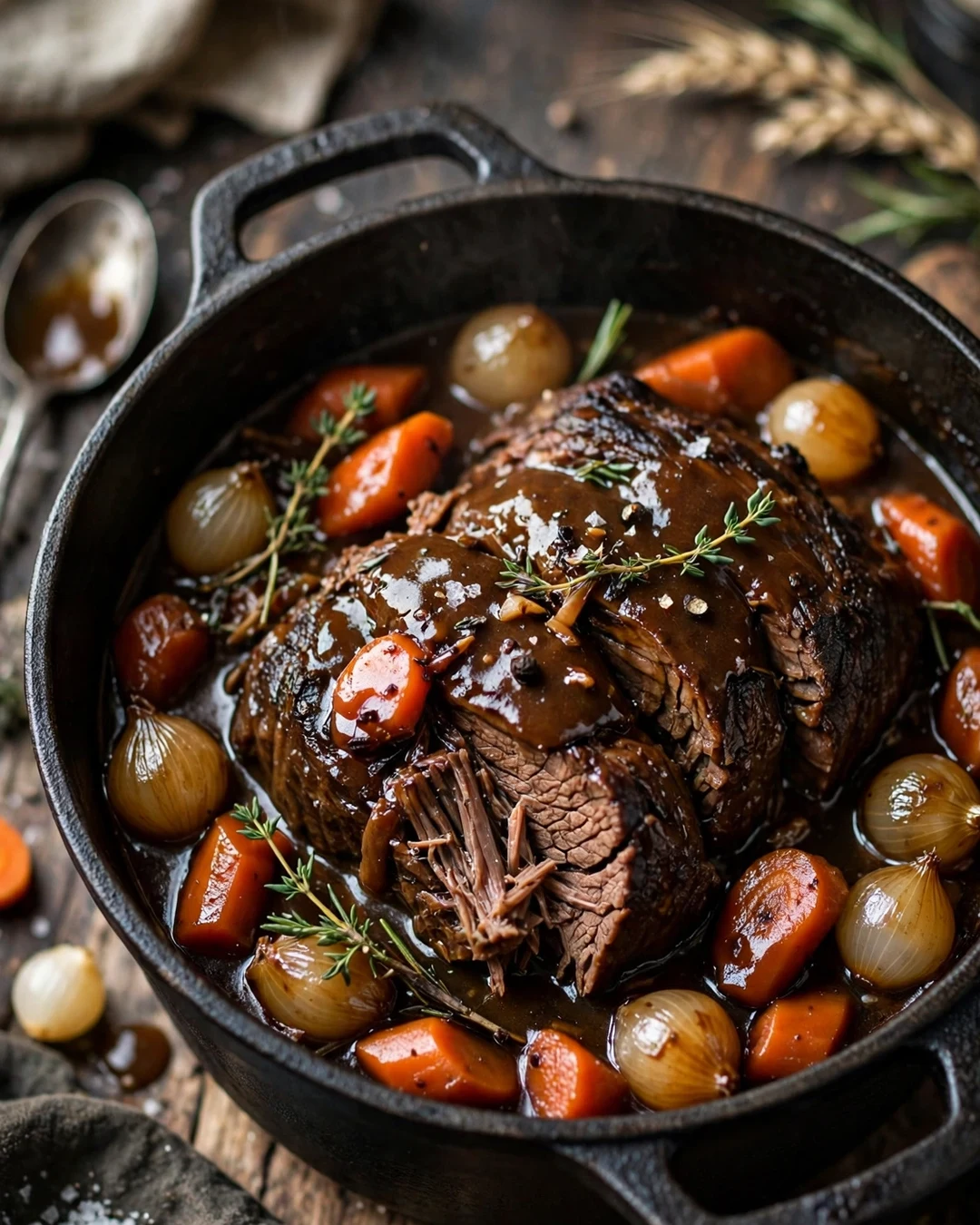
A bottle of dark stout beer in the braise builds the deepest, maltiest gravy on this whole list. The beer cooks down into something toasty and slightly bitter that loves beef, and the finished roast tastes like a pub dinner on a cold night.
Stout brings roasted malt flavors that echo the seared crust on the meat. Let the beer simmer a few minutes after adding it so the foam settles and the harsh notes cook off. A teaspoon of brown sugar or a grated carrot in the pot rounds out the bitterness.
Pro Tips
Choose a stout or porter you would drink; cooking concentrates its character. Avoid hoppy beers, because hops turn aggressively bitter over a long braise. Pearl onions and whole baby carrots braised in the stout come out sweet and glossy, almost candied.
- Dark stout or porter, never a hoppy IPA
- A little brown sugar balances the malt bitterness
- Whole small vegetables braise into sweet garnishes
- Reduce the gravy well for a pub style sauce
Serving Suggestions
Colcannon or plain mashed potatoes are the classic pub partners, along with buttered peas. Serve slices of roast with the dark gravy pooled around, not just over, so every forkful can be dragged through it. A pint of the same stout completes the picture.
Pub pie idea: chop the leftovers, fold them into the reduced stout gravy with peas, and bake under a mashed potato top until bubbling. It is essentially a shepherd’s pie built on pub flavors, and it disappears fast every single time.
18. Tomato Braised Pot Roast

Bright, rustic, and a little bit old world. Where the Italian style version shreds into a ragu, this one keeps the roast whole and slices it, serving the beef in a chunky tomato sauce with onions and peppers that stay distinct and sweet.
The tomatoes cook down into a sauce that is both the braising liquid and the serving sauce, which makes this an efficient one pot dinner. A pinch of red pepper flakes and a cinnamon stick, the Greek trick, add warmth you cannot quite identify. Good olive oil drizzled over each plate finishes it.
Pro Tips
Whole peeled tomatoes crushed by hand give the best texture, rustic but not watery. If the sauce is thin at the end, uncover the pot for the last 30 minutes to let it reduce. Salt the roast well; tomato sauces need confident seasoning to taste rich rather than sharp.
- Hand crushed whole tomatoes for a rustic sauce
- A cinnamon stick adds warm Greek style depth
- Uncover at the end if the sauce needs thickening
- Finish plates with good olive oil and basil
Serving Suggestions
Thick slices of crusty bread or a bed of orzo soak up the tomato sauce beautifully. A Greek style salad with cucumber, olives, and feta brings the bright, salty contrast. Grated kefalotyri or parmesan over the top is welcome at the table.
Sunday sauce bonus: double the tomatoes and cook a double batch of sauce, then freeze half on its own. That frozen tomato braise becomes an instant head start for pasta sauce, shakshuka, or a quick chicken braise later in the month.
19. Root Vegetable Pot Roast

The harvest version, where the vegetables are co-stars instead of side support. Parsnips, turnips, rutabaga, carrots, and sweet potatoes braise around the roast, soaking up beefy juices while their own sweetness deepens the gravy. It tastes like autumn in a pot.
Root vegetables need staggered timing: dense rutabaga and turnips go in earlier, while sweet potatoes join later so they stay in proud chunks. Cut everything big, at least two inch pieces, because the long braise shrinks them. A few sprigs of thyme and a bay leaf tie the earthy flavors together.
Pro Tips
Toss the vegetables in a little of the hot beef fat from the sear before they go in the pot, for extra flavor on their surfaces. Keep the mix colorful; the plate looks gorgeous with orange, cream, and purple roots together. Roast extra vegetables separately if your pot is crowded, then combine at serving.
Mushroom Gravy Rules
Do brown the mushrooms in batches so they sear instead of steam. Do use a mix of cremini and white mushrooms for depth. Do not add the sour cream while the gravy boils, or it can split. Do not skip the mushroom liquid; it is pure flavor.
- Two inch chunks hold up through the long braise
- Stagger dense and quick cooking roots
- Parsnip sweetness deepens the gravy naturally
- Thyme and bay leaf are the classic root partners
Serving Suggestions
Arrange the roast on a big platter ringed with the glossy roots and spoon gravy over everything. For a holiday worthy spread, these green bean casserole recipes add the green crunch this earthy plate wants beside it.
Vegetable swap guide: celeriac brings a gentle celery note, golden beets add sweetness without staining the gravy red, and whole shallots melt into soft, sweet pockets. Almost any firm winter vegetable works well if you respect the staggered timing and keep the pieces large.
20. Pot Roast Sandwiches

Arguably the best reason to make pot roast in the first place. Warm shredded beef piled onto crusty rolls with melted provolone, a swipe of horseradish sauce, and a little cup of the hot braising juices for dipping. It is a French dip by way of Sunday dinner.
The sandwich works with leftovers or a roast made just for the purpose. Warm the beef gently in its juices so it stays moist, and toast the rolls so they can stand up to the dip without falling apart. Caramelized onions and a few pepperoncini slices take it over the top.
Pro Tips
Strain and skim the braising liquid for a clean, rich au jus. Cheese goes on the hot beef under the broiler for 1 minute so it melts into every shred. Butter the rolls before toasting for a crisp, golden barrier against sogginess.
- Warm the beef in its own juices, never dry
- Toast sturdy rolls so they survive the dip
- Horseradish sauce adds the perfect sharp bite
- Provolone or Swiss melt best over shredded beef
Serving Suggestions
Serve with a pile of crispy fries or kettle chips and a crunchy slaw. Little cups of warm au jus at every place setting are mandatory. A bowl of pickles and pickled onions on the table cuts through the richness between bites.
Game day move: keep the shredded beef warm in a slow cooker of its juices and set out rolls, cheese, and toppings as a build your own sandwich bar. Guests graze all afternoon, and the cook gets to watch the game too.
21. Pot Roast Soup
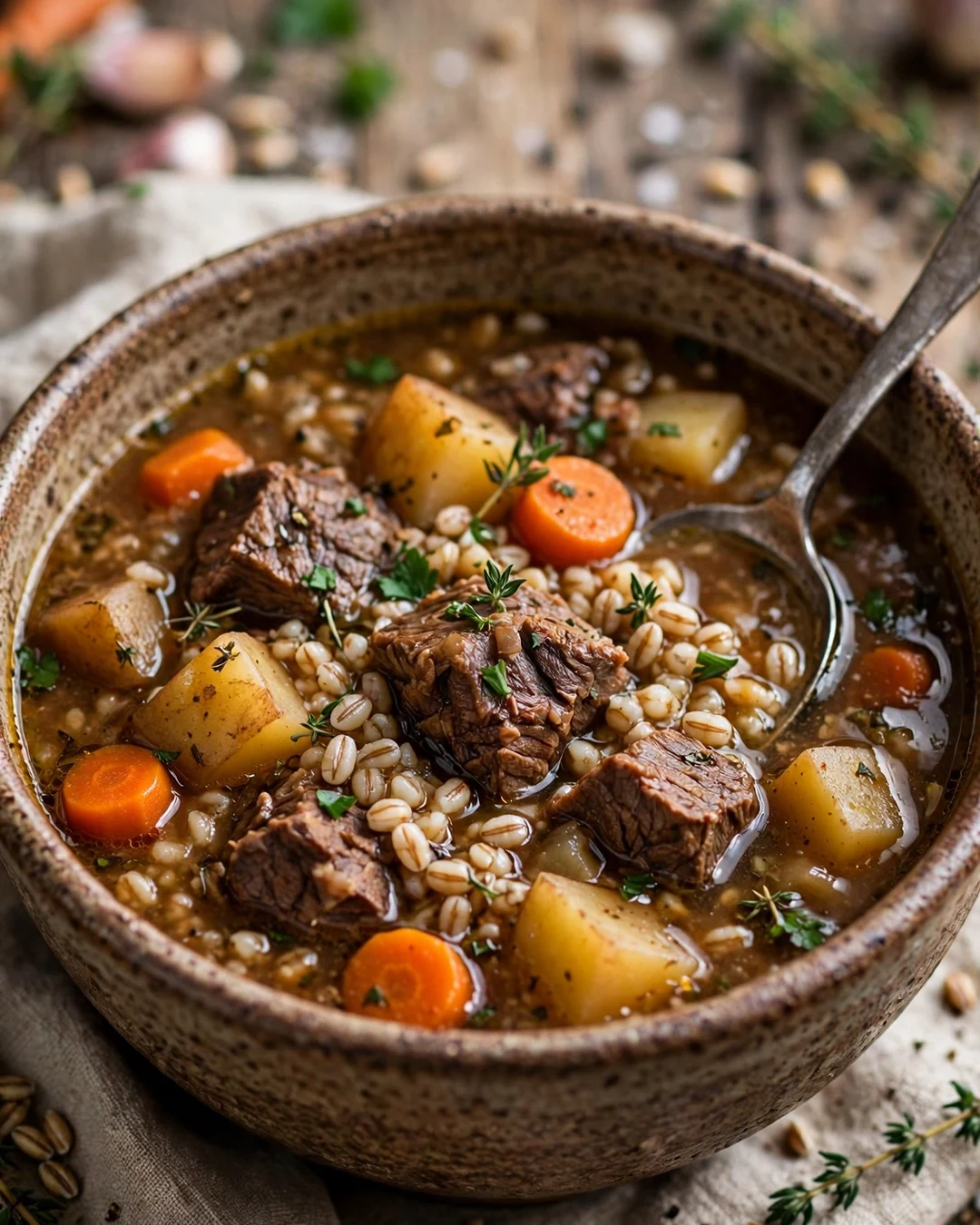
The leftovers transformation that might outshine the original dinner. Chunks of pot roast, its vegetables, and the rich braising liquid become the base of a hearty beef soup, stretched with broth, barley or small pasta, and a handful of greens at the end.
This is a formula more than a strict recipe: about 3 cups of chopped leftover roast, 2 cups of chopped braised or fresh vegetables, and the strained gravy topped up with broth to soup consistency. The gravy is the whole secret; it gives the soup a body that plain broth never reaches.
Pro Tips
If the gravy is very thick, whisk it into hot broth a little at a time so the soup stays smooth. Add delicate greens like spinach at the end so they stay green. A squeeze of lemon or splash of vinegar right before serving wakes up the deep, beefy flavors.
- The leftover gravy is the flavor base; never waste it
- Barley, small pasta, or rice stretch the soup further
- Fresh vegetables can join the braised ones
- Finish with acid to brighten the rich broth
Serving Suggestions
Serve with thick slices of buttered bread or a grilled cheese for dunking. Soup people building a freezer stash should also save these vegetable soup recipes for a meatless pot to rotate with this beefy one.
Freezer note: this soup freezes beautifully for up to 3 months, but leave out any pasta or potatoes if you plan to freeze it, since both go grainy. Add them fresh when you reheat and the soup tastes like you made it that day.
Garlic Herb Checklist
Six cloves minced for the paste, plus a whole head halved crosswise for the pot. Fresh rosemary and thyme only. Rub the paste on at least 30 minutes before searing. Save a spoonful of raw paste to stir into the finished gravy for a bright top note.
22. Shredded Pot Roast Tacos
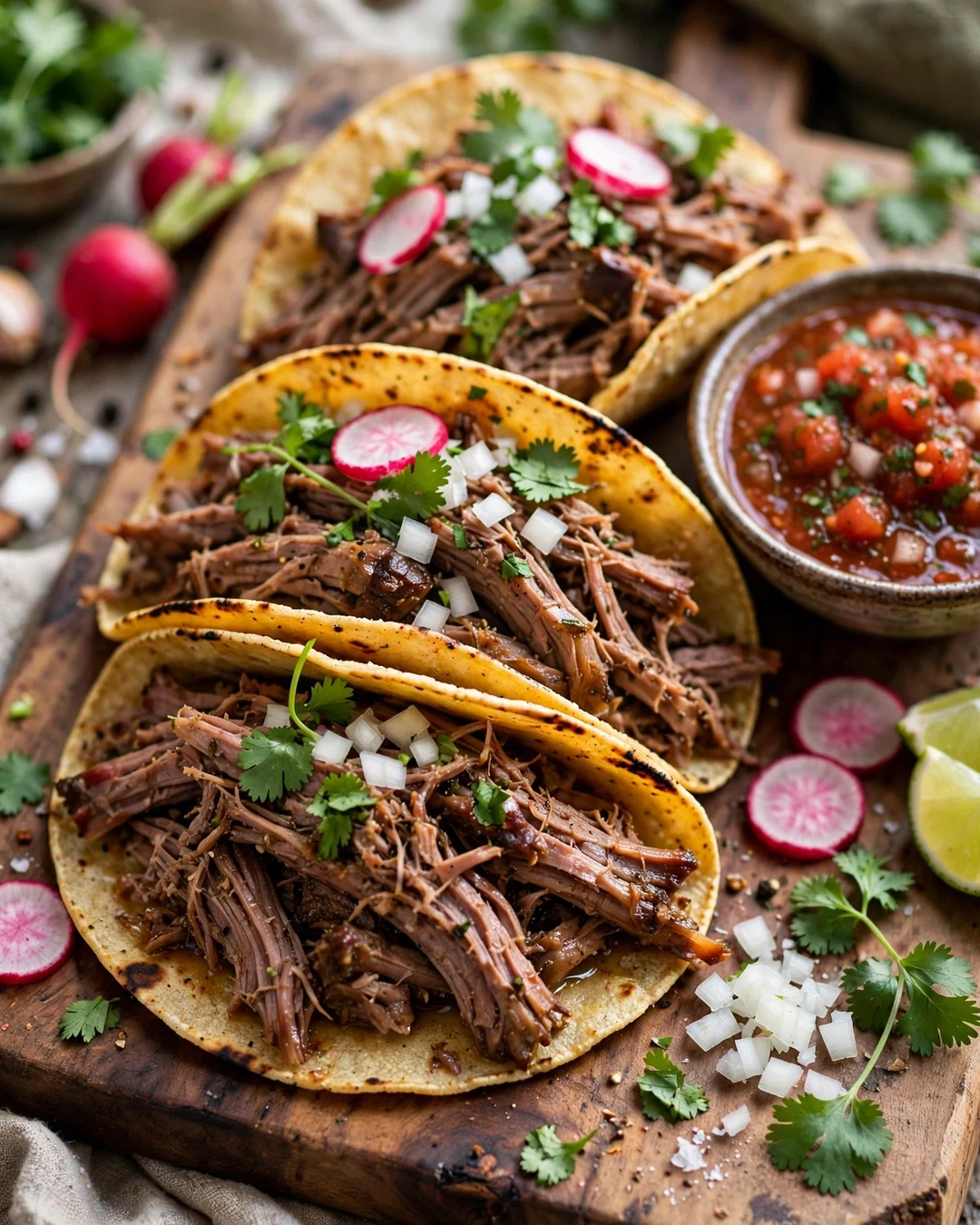
Taco night, pot roast edition. Leftover roast shreds into juicy strands that crisp beautifully in a hot skillet, especially with a spoonful of its own juices and a pinch of cumin and chili powder. Warm tortillas, sharp onion, and a squeeze of lime do the rest.
The crisping step is what makes these tacos special. Spread the shredded beef in a single layer in a cast iron skillet and leave it alone until the edges frizzle and brown, then toss once. Those crunchy bits against the tender shreds are the whole point.
Pro Tips
Skim the fat from the juices before moistening the beef, so it crisps instead of fries. Warm tortillas directly over a flame or in a dry skillet until they puff and spot. Keep toppings simple and fresh; the beef is rich and does the heavy lifting.
- Crisp the shreds in cast iron for frizzled edges
- A pinch of cumin and chili powder wakes up leftovers
- Char the tortillas for real taco shop flavor
- Lime, onion, and cilantro are the essential toppings
Serving Suggestions
Set the tacos out with two salsas, a mild red and a bright green, plus crumbled queso fresco. Mexican rice and refried beans make it a full taco plate. A simple cabbage slaw with lime adds crunch and keeps things fresh.
Breakfast taco sequel: the next morning, crisp the last of the beef in a skillet, scramble in a couple of eggs, and wrap it all in flour tortillas with cheese and hot sauce. Leftover pot roast has never had a better final act.
23. Pot Roast Pot Pie

The coziest possible ending for a pot roast. Chunks of beef and its braised vegetables get folded into the thickened gravy, tucked into a dish, and baked under a golden, flaky crust. It is two comfort food classics having their best day at once.
The filling needs to be thick before it goes under the crust, closer to a stew that holds a spoon upright than a soup. Chill the filling before topping it; cold filling under cold pastry gives you the flakiest crust and keeps the bottom from going soggy. A store bought puff pastry makes this a weeknight reality.
Pro Tips
Thicken the gravy until it coats the beef in a glossy layer before filling the dish. Cut a few steam vents in the crust and brush it with egg wash for a deep golden shine. Bake the pie on a sheet pan to catch any bubbling overflow.
- Thick, chilled filling prevents a soggy bottom
- Puff pastry or biscuit tops both work beautifully
- Egg wash gives the crust its bakery shine
- Rest the baked pie 10 minutes before cutting
Serving Suggestions
The pie is a complete meal, so a simple green salad or steamed green beans are all it needs beside it. Serve it in the baking dish at the table for maximum drama when the crust gets cracked open. A little extra warm gravy in a jug never goes unused.
Individual pies: divide the filling among ramekins and top each with its own pastry round. Everyone gets maximum crust, the pies bake a bit faster, and leftovers reheat one at a time for lunches that feel like a real treat rather than leftovers.
24. Small Pot Roast for Two

Pot roast does not have to feed a crowd. A 1.5 to 2 pound chuck roast braises in a small Dutch oven with baby potatoes and carrots for a proper Sunday style dinner scaled to two people, with just enough leftovers for one lucky lunch.
A smaller roast cooks faster, usually 2 to 2.5 hours, and needs less liquid since there is less evaporation in a snug pot. The rules stay the same: sear well, braise gently, rest before slicing. Choose a thick, compact piece of chuck so it cooks evenly.
Pro Tips
Use the smallest heavy pot you own so the braising liquid stays at the right depth. Baby vegetables need no peeling and look elegant. If your chuck piece is thin, tie it with kitchen twine into a compact shape so it braises instead of drying at the edges.
- A 1.5 to 2 pound chuck roast serves two generously
- Expect 2 to 2.5 hours of gentle braising
- A snug pot keeps the liquid level correct
- Halve the vegetables, keep the seasoning bold
Serving Suggestions
Serve the little roast sliced on a warm platter with its vegetables and gravy, plus a small green salad and good bread. It turns an ordinary evening into an occasion without a sink full of dishes or a week of leftovers.
Date night upgrade: stir a splash of cream and a spoonful of Dijon into the gravy, serve the roast over buttered noodles, and open a nice bottle of red. Small batch pot roast dressed up like this beats most restaurant dinners.
25. Pork Pot Roast

Everything the method does for beef, it also does for a pork shoulder. Pork butt is marbled, forgiving, and usually cheaper than chuck, and it braises into sliceable, juicy meat with the same low and slow treatment. Apples and onions in the pot are its classic partners.
Pork brings its own gentle sweetness, so the braise loves a little acid: apple cider, a splash of cider vinegar, or a cup of hard cider keeps it balanced. Sage, fennel seed, and garlic are the seasonings that make pork taste most like itself. The finished gravy is lighter than beef gravy and lovely with the fruit.
Pro Tips
Score the fat cap lightly so the seasoning reaches the meat and the fat renders evenly. Pork shoulder is done at the same fork tender stage as beef, usually 3 to 3.5 hours. Slice it thicker than beef; pork slices hold together best at about half an inch.
- Pork shoulder or butt, 3 to 4 pounds, well marbled
- Apple cider in the braise balances the richness
- Sage and fennel seed are pork’s best friends
- Apples go in for the final hour so they keep shape
Serving Suggestions
Serve with mashed potatoes or buttered cabbage and plenty of the cider gravy. Warm applesauce on the side is a classic for a reason. The leftovers shred into excellent pulled pork style sandwiches with a mustard slaw.
German style twist: swap the apples for a cup of drained sauerkraut added in the last hour and stir a spoonful of grainy mustard into the gravy. The kraut mellows into the braise and gives the pork a gentle tang that loves dark bread.
26. Chicken Pot Roast Style

The pot roast method works for a whole chicken too, and the result is something between a roast chicken and a braised one: burnished skin, meat that stays juicy in its own broth, and vegetables that cook in chicken drippings. It is Sunday dinner with a lighter touch.
The chicken braises partly covered so the breast stays above the liquid line and the skin keeps some color, while the legs poach tender in the broth below. A lemon half and herbs inside the cavity perfume the whole pot. Total time is about 1 hour 15 minutes, far quicker than beef.
Pro Tips
Brown the chicken first in the Dutch oven for color; the skin will soften in the braise but the flavor stays. Finish the rested bird with a few minutes under a hot broiler if you want the skin crisper. Save every drop of the broth; it is liquid gold for soups and rice.
- Whole chicken, 3.5 to 4 pounds, trussed
- Braise about 1 hour 15 minutes until thighs hit 165
- Keep the breast above the liquid line
- Broil briefly at the end for crispier skin
Serving Suggestions
Carve at the table and spoon the broth vegetables around the pieces. Buttered noodles, rice, or crusty bread catch the chicken juices. The carcass and leftover broth become a head start on soup later in the week, so nothing goes to waste.
Herb swap: tarragon and a splash of white wine in the broth give the chicken a French accent, while smoked paprika and garlic push it toward Spain. The method does not change at all; the aromatics alone decide the accent every single time.
27. Freezer Friendly Pot Roast

Pot roast might be the best freezer meal there is. The meat freezes in its own braising liquid, which protects it from drying out, and it reheats tasting like you made it that day. This version is built from the start with the freezer in mind.
The one adjustment: keep potatoes out of the frozen batch, because they turn grainy and sad after freezing. Carrots, onions, and the beef freeze beautifully. Cook a big roast on a quiet Sunday, eat one dinner fresh, and bank two or three more in the freezer for the weeks when cooking is not happening.
Pro Tips
Cool the roast completely in its liquid before portioning; cold liquid is easier to divide fairly. Freeze in flat bags or containers with the meat fully covered by liquid, and label with the date. Thaw overnight in the fridge and reheat gently on the stove, never at a hard boil.
Dutch Oven Braising Times at 325 Degrees
| Roast Size | Total Time | Add Vegetables |
|---|---|---|
| 2 pounds | 2 to 2.5 hours | Last 45 minutes |
| 3 pounds | 3 to 3.5 hours | Last 60 minutes |
| 4 pounds | 3.5 to 4 hours | Last 60 minutes |
| 5 pounds | 4 to 4.5 hours | Last 75 minutes |
- Freeze the meat covered in its braising liquid
- Leave potatoes out; add fresh ones when reheating
- Portion into single meal sizes for easy thawing
- Use within 3 months for the best texture
Serving Suggestions
Reheat the thawed roast in a covered pot at a gentle simmer while fresh potatoes or noodles cook alongside. It lands on the table tasting like a Sunday dinner that took 20 minutes. Fresh herbs or a squeeze of lemon over the top make it taste brand new.
Freezer inventory tip: keep a simple list on the freezer door with what went in and when. Future you, standing hungry in front of an open freezer at 6 pm, will be very grateful for a pot roast with a date on it.
28. Leftover Pot Roast Hash
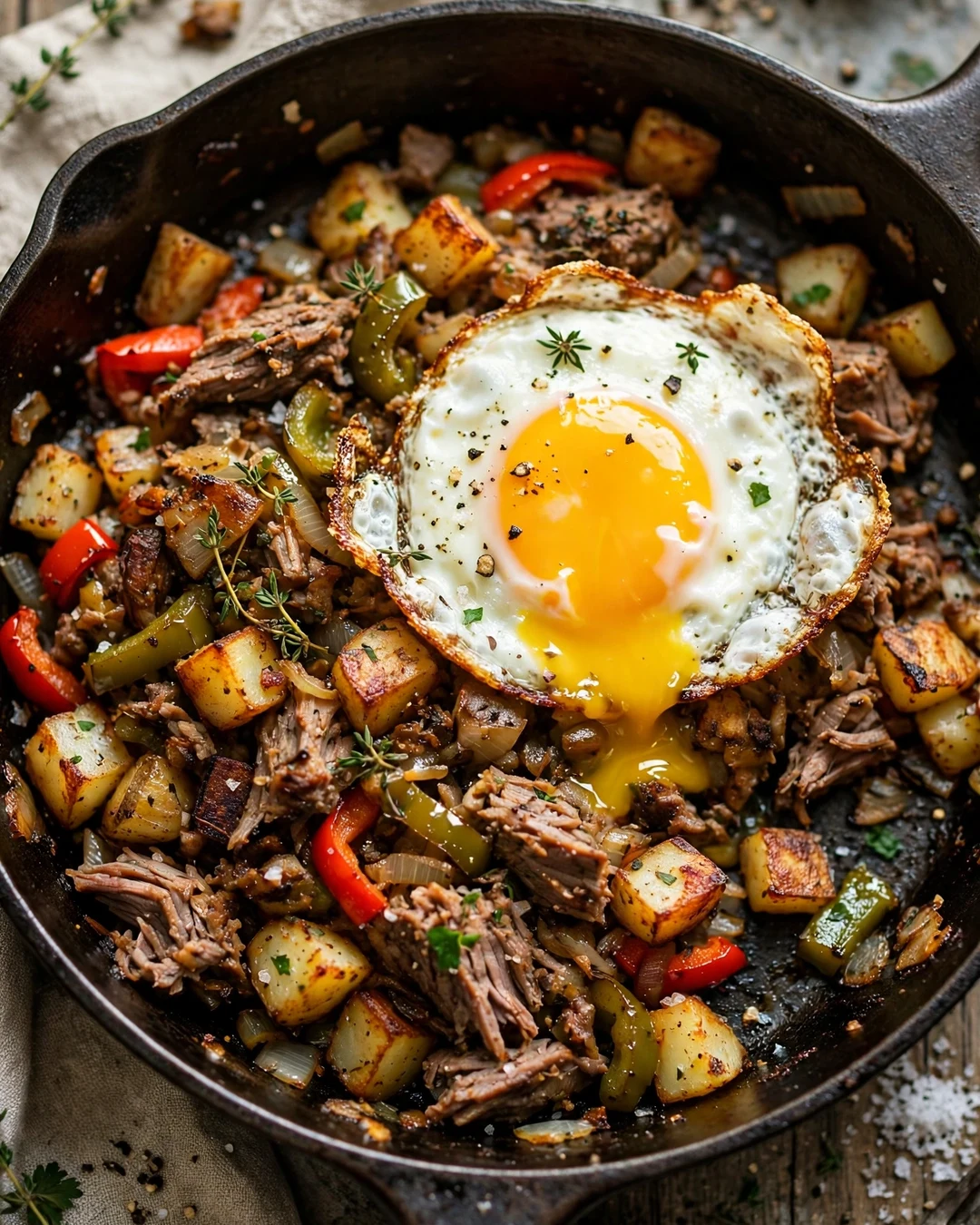
The morning after move that brunch places charge real money for. Chopped pot roast and its leftover potatoes get crisped in a cast iron skillet with peppers and onions, then crowned with a fried egg whose yolk becomes the sauce. Nothing about it tastes like leftovers.
The secret to great hash is patience: press the mixture into the hot, well oiled skillet and leave it alone until a deep brown crust forms on the bottom. Scrape, turn, and press again. Dry ingredients crisp best, so drain the meat and vegetables of gravy first, then add a little back at the end.
Pro Tips
Cut everything to a similar half inch dice so it crisps evenly. A cast iron skillet and patience give you the crust that makes hash famous. Add the egg at the very end, either fried separately or cracked into wells in the hash under a lid.
- Uniform half inch dice crisps evenly
- Press and leave it alone to build the crust
- Drain gravy off first; add a spoonful back at the end
- A runny yolk is the built in sauce
Serving Suggestions
Serve straight from the skillet with hot sauce and ketchup at the table, plus toast for the yolk. It is a full brunch on its own, but a simple fruit salad beside it makes the plate feel complete and a little less indulgent.
Dinner hash: skip the egg and serve the crisped hash over a handful of dressed greens with a splash of the warm braising liquid as a sauce. It eats like a warm beef salad, hearty and fresh at the same time.
29. Holiday Style Pot Roast
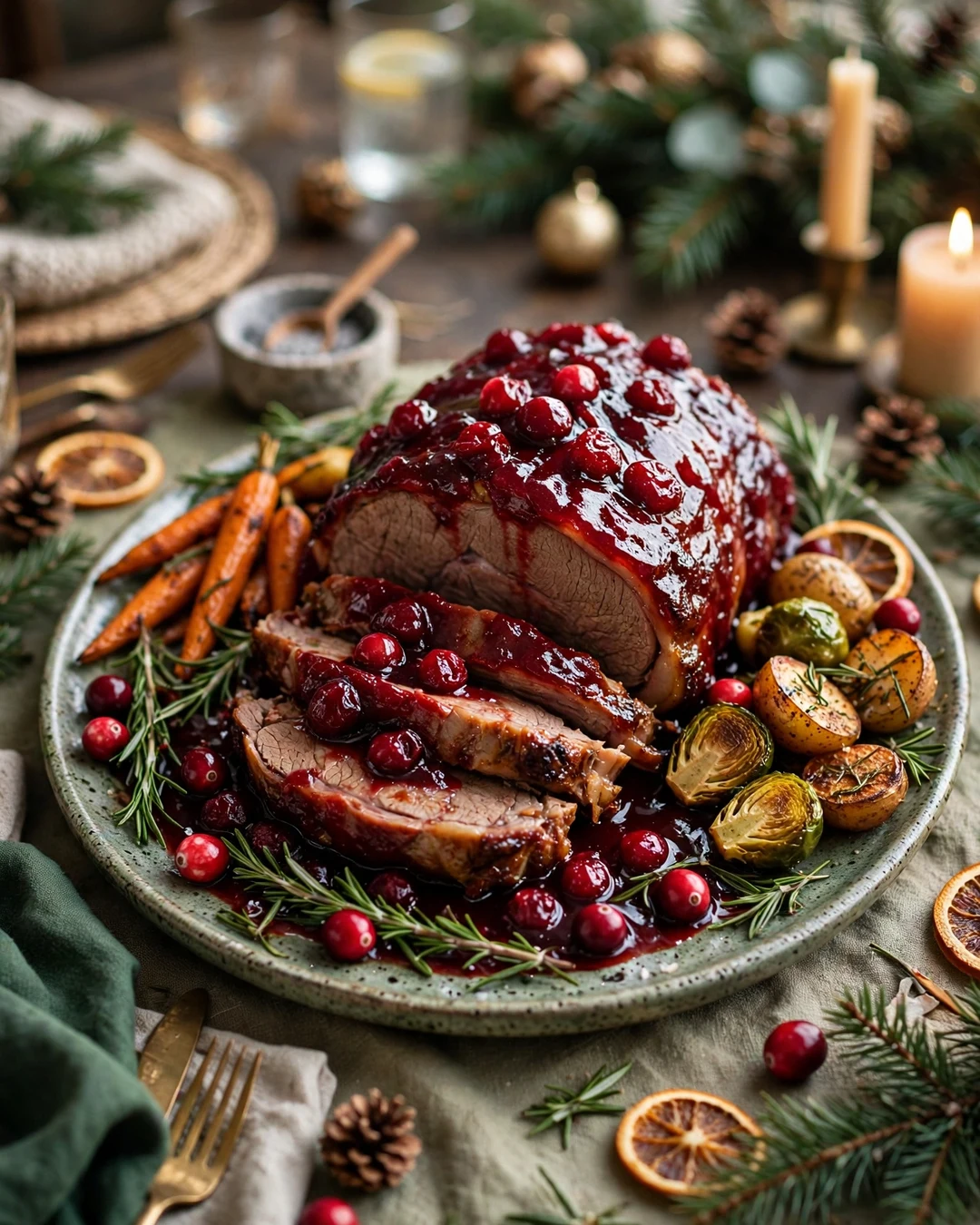
The celebration roast for people who would rather braise than babysit a prime rib. A big chuck roast gets a glossy cranberry and red wine glaze, a ring of roasted vegetables, and a garnish of rosemary and orange zest. It looks like a centerpiece and forgives like a weeknight dinner.
Because pot roast actually improves when made ahead, this is the smartest holiday main there is: braise it the day before, chill it in its liquid, then slice and reheat it in the gravy while you finish the sides. The cranberry glaze goes on at serving, bright and jewel red against the dark beef.
Pro Tips
Reduce a cup of the braising liquid with cranberry sauce and a splash of balsamic until glossy, then brush it over the sliced roast. Slice the meat cold for clean cuts, then warm the slices fanned in the gravy. Orange zest and fresh rosemary over the platter make it look instantly festive.
- Make it a day ahead; the flavor improves overnight
- Cranberry balsamic glaze goes on at serving time
- Slice cold, reheat the slices in the gravy
- Garnish with rosemary, orange zest, and pomegranate seeds
Serving Suggestions
Build the full holiday plate with mashed potatoes, glazed carrots, and something green and crisp. These stuffing recipes belong beside a celebration roast like this one, ready to soak up the extra gravy on the plate.
The 5 Flavor Rule
Great soy braises balance five notes: salty from soy sauce, sweet from brown sugar, warm from ginger, aromatic from star anise, and bright from a final splash of rice vinegar. Taste the sauce at the end and adjust until all five are present.
Stress free timeline: braise on the 23rd, slice and pan the meat in gravy on the morning of the 25th, and reheat covered at 325 degrees for 40 minutes before guests sit down. Your oven stays free for sides and your afternoon stays calm.
Soup From Leftovers Formula
For every 3 cups of chopped leftover pot roast, add 6 cups of liquid (gravy plus broth), 2 cups of vegetables, and 1/2 cup of barley or small pasta. Simmer 25 minutes, add greens for the final 5, and finish with a splash of vinegar to brighten it.
Pot Roast FAQs
What is the best cut of beef for pot roast?
Chuck roast is the classic choice because its marbling and connective tissue melt during a long braise, giving tender meat and a rich gravy. Bottom round and brisket also work; round is leaner and slices neatly, while brisket shreds beautifully. Avoid lean, quick cooking cuts, which dry out in a braise.
How long does pot roast take to cook?
In a 325 degree oven, a 3 pound chuck roast needs about 3 to 3.5 hours. In a slow cooker, plan on 8 to 10 hours on low. In an Instant Pot, 60 to 70 minutes at high pressure plus a natural release does it. The real test is tenderness: a fork should twist in the meat with almost no resistance.
Why is my pot roast tough?
It is almost always undercooked, not overcooked. The collagen in chuck needs time at temperature to melt into gelatin; pull the roast too early and it stays chewy. Put the lid back on and give it another 30 to 45 minutes. Cooking at too high a temperature, which boils the liquid and tightens the fibers, is the other common cause.
Should I sear the roast before braising?
Yes, whenever you can. Searing builds the browned crust that gives the meat and the gravy their deep, beefy flavor, and it only takes about 10 minutes. A slow cooker roast made without searing still tastes good, but a seared roast tastes noticeably richer. Pat the meat dry first so it browns instead of steaming.
When should I add the vegetables?
Add firm vegetables like carrots and potatoes in the last 45 to 60 minutes of braising so they cook through without falling apart. Onions can go in from the start because they are meant to melt into the sauce. In a slow cooker, add vegetables at the beginning in large chunks, or halfway through if you like them firmer.
How do I store and reheat leftover pot roast?
Store the meat in its braising liquid in the fridge for up to 4 days; the liquid keeps it moist and the flavor improves overnight. Freeze it, still covered in liquid, for up to 3 months. Reheat gently in a covered pot on the stove or in a low oven until just warmed through, avoiding a hard boil.
Final Thought
Whether it braises all afternoon in a Dutch oven or quietly cooks itself in the slow cooker while you are out, a great pot roast asks for very little and gives back a lot. Keep these pot roast recipes close, buy the chuck roast when it goes on sale, and let the pot do the heavy lifting.