
Healthy sautéed vegetables can turn soft and watery fast, even when you start with fresh produce. The trouble often comes from wet vegetables, uneven cuts, or adding everything to the skillet at the same time. This method fixes those common problems without adding heavy sauces or lots of oil.
You will use a mix of broccoli, carrots, bell pepper, zucchini, and red onion. The firm vegetables go into the pan first, while the softer ones join later. This gives each vegetable enough time to cook without turning the whole skillet to mush. A small amount of olive oil helps the edges brown, while garlic, herbs, and lemon add plenty of flavor.
The full recipe takes about 25 minutes and makes 4 side-dish servings. You need one large skillet, a cutting board, and a sharp knife. A wide skillet works best because it gives the vegetables room to touch the hot surface.
By the end, you will have tender vegetables with bright color, lightly browned edges, and a fresh finish. Serve them with chicken, fish, rice, pasta, eggs, or your favorite grain bowl.
What You Need
Ingredients
- 2 cups broccoli florets
- 1 medium carrot
- 1 red bell pepper
- 1 medium zucchini
- 1/2 medium red onion
- 2 tablespoons olive oil
- 2 cloves garlic
- 1/2 teaspoon kosher salt
- 1/4 teaspoon black pepper
- 1/2 teaspoon dried Italian herbs
- 1 tablespoon fresh lemon juice
Tools
- Large 12-inch skillet
- Sharp chef’s knife
- Cutting board
- Large colander
- Clean kitchen towel or paper towels
- Wooden spoon or silicone spatula
- Measuring spoons
- Large bowl or sheet pan
At a Glance
- Gather the vegetables and seasonings.
- Wash the vegetables thoroughly.
- Dry the vegetables completely.
- Cut the vegetables into even pieces.
- Heat the skillet before adding oil.
- Coat the hot skillet with oil.
- Sauté the firm vegetables first.
- Add the quick-cooking vegetables.
- Season the healthy sautéed vegetables.
- Finish the vegetables with fresh lemon.
- Serve the vegetables while hot.
Gather the vegetables and seasonings
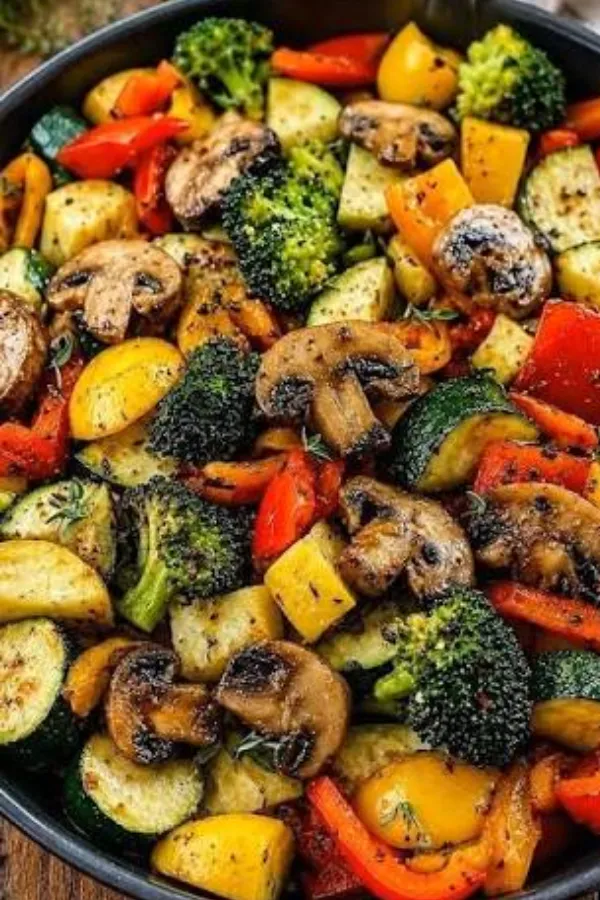
Place every ingredient on the counter before you begin. You need 2 cups broccoli florets, 1 carrot, 1 bell pepper, 1 zucchini, 1/2 red onion, and 2 garlic cloves. Set out the oil, salt, pepper, dried herbs, and lemon too.
Having everything nearby keeps you from leaving the hot skillet unattended later. A sheet pan or large bowl gives you one spot to hold the prepared vegetables.
Wash the vegetables thoroughly
Rinse the broccoli, carrot, bell pepper, zucchini, and red onion under cool running water. Rub the firm vegetables with your fingers to loosen any dirt. Turn the broccoli florets so water reaches between the stems.
Do not soak the vegetables in a full sink. Standing water can spread dirt from one item to another. Place the rinsed vegetables in a clean colander and let the extra water drain for 2 minutes.
Dry the vegetables completely
Water left on the surface turns to steam in the skillet. That steam softens the vegetables before their edges have time to brown.
Spread the vegetables over a clean kitchen towel in one layer. Pat the tops and sides until no beads of water remain. Pay close attention to the broccoli florets, since water can hide between the branches. Paper towels work well if you do not have a clean cloth ready. Allow about 3 minutes for this step.
Cut the vegetables into even pieces
Aim for pieces that cook at about the same speed: cut the broccoli into 1-inch florets, slice the carrot into 1/4-inch coins, chop the bell pepper into 1-inch pieces, halve the zucchini lengthwise and cut it into 1/2-inch slices, then slice the red onion into 1/2-inch wedges.
Keep each type in its own small pile. You will add them to the skillet at different times. Mince the garlic and set it apart so it does not go in too early.
Heat the skillet before adding oil
Set a dry 12-inch skillet over medium-high heat for 2 minutes. Preheating gives the vegetables a hot surface to brown against instead of letting them sit in slowly warming oil.
Hold your hand about 4 inches above the pan. You should feel steady heat, but the skillet should not smoke. If smoke appears, remove it from the burner for 30 seconds and lower the heat slightly. A cast-iron skillet may need 3 minutes, while a thin stainless-steel pan may heat sooner.
Coat the hot skillet with oil
Pour in 2 tablespoons olive oil, then tilt the pan until the bottom has a thin, even coat. Let the oil heat for 20 to 30 seconds.
It should look loose and slightly glossy. If it smokes, the pan is too hot. Take it off the heat briefly before adding any vegetables.
Sauté the firm vegetables first
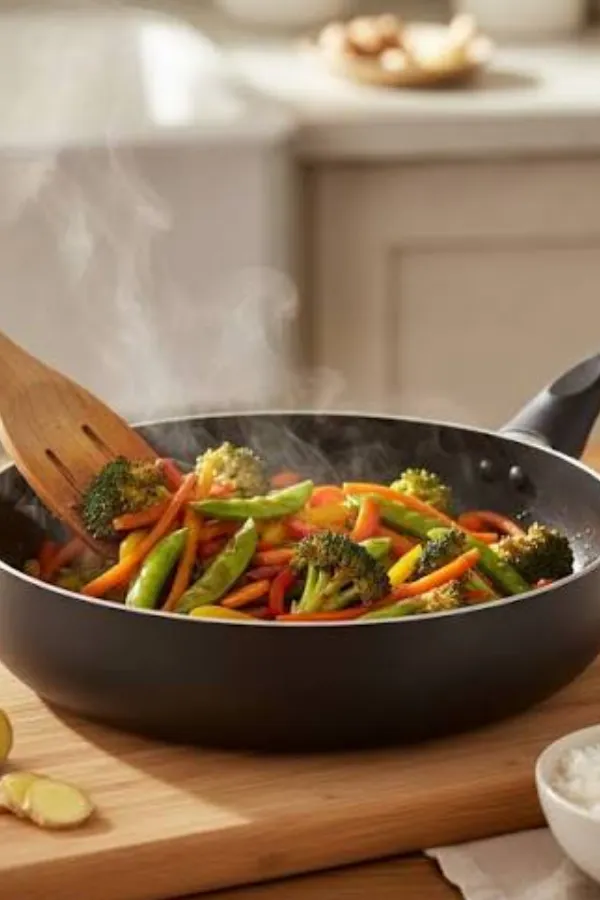
Add the carrots and broccoli to the hot skillet. Spread them into one layer, then leave them undisturbed for 2 minutes so the bottom edges can brown. Stir and cook for another 3 minutes.
The carrots should begin to soften, but they will still feel firm in the center. The broccoli will turn brighter green with a few browned spots. If the vegetables start scorching, lower the heat to medium.
Add the quick-cooking vegetables
Slide the bell pepper, zucchini, and red onion into the skillet. Cook for 4 to 5 minutes, stirring every 45 to 60 seconds.
Watch the zucchini as your main doneness guide. It should become tender around the edges while keeping its shape. The bell pepper should still have a slight bite, and the onion should look glossy with a few browned tips. Stop cooking before the zucchini becomes limp or releases a pool of water.
Season the healthy sautéed vegetables
Sprinkle in 1/2 teaspoon kosher salt, 1/4 teaspoon black pepper, and 1/2 teaspoon dried Italian herbs. Add the minced garlic and stir for 30 to 45 seconds.
The garlic should smell fragrant but remain pale. Garlic added earlier can burn before the vegetables finish cooking, which gives the whole dish a bitter taste. Taste one piece and add another small pinch of salt only if needed.
Finish the vegetables with fresh lemon
Remove the skillet from the heat before adding 1 tablespoon fresh lemon juice. Toss for 15 seconds to coat the vegetables without cooking away the fresh flavor.
Taste one piece of broccoli or zucchini. Add a small pinch of salt, pepper, or dried herbs if the flavor seems flat. Keep the lemon light at first; too much can cover the browned taste you worked to build.
Serve the vegetables while hot
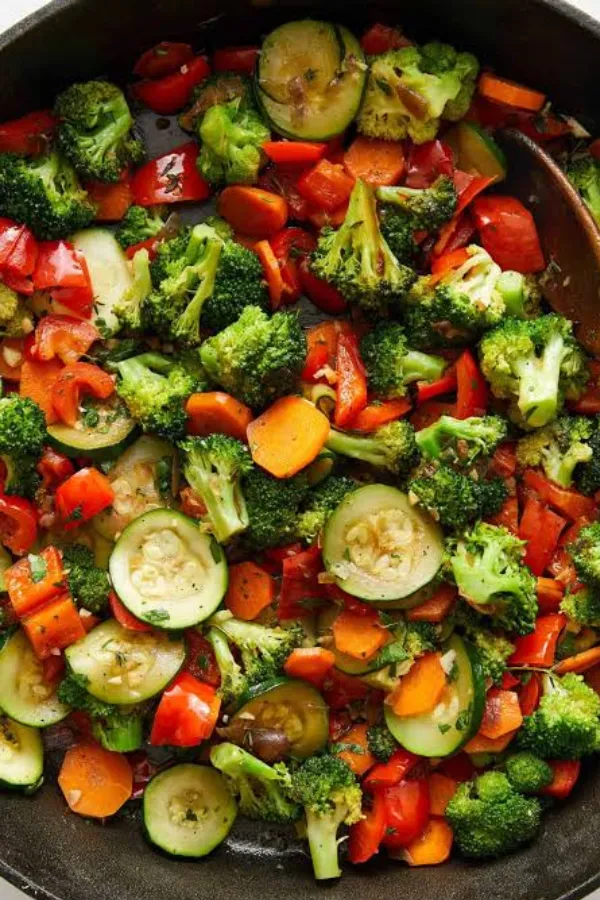
Transfer the vegetables to a shallow serving bowl right away. Leaving them in the hot skillet keeps them cooking and can make the zucchini soft.
Serve within 5 minutes with chicken, fish, tofu, eggs, rice, pasta, or quinoa. For a richer finish, add 1 tablespoon grated Parmesan or a spoonful of toasted nuts. Store leftovers in a sealed container in the refrigerator for up to 4 days.
Common Mistakes to Avoid
Cooking wet vegetables
Water turns to steam as soon as it hits the pan. Dry every piece well so the edges can brown instead of becoming soft and pale.
Cutting uneven pieces
Large pieces stay hard while thin pieces overcook. Keep each vegetable close to the size listed in the recipe.
Crowding the skillet
A packed pan traps moisture. Use a wide 12-inch skillet, or cook the vegetables in two batches.
Stirring without a pause
Constant stirring keeps the vegetables from touching the hot pan long enough to brown. Leave them still for short periods between stirs.
Adding garlic too soon
Garlic can burn before the firm vegetables are tender. Add it near the end and cook it for only 30 to 45 seconds.
Healthy Sautéed Vegetables FAQ
Can I use different vegetables?
Yes. Try mushrooms, asparagus, green beans, snap peas, cauliflower, or yellow squash. Add firm vegetables first and soft vegetables later.
Can I use frozen vegetables?
You can, but they may be softer and release more water. Cook them from frozen in a wide pan, and do not cover the skillet.
Which oil works best?
Olive oil adds mild flavor. Avocado oil has a neutral taste. Use 2 tablespoons of either one for this recipe.
How do I keep the vegetables from getting soggy?
Dry them well, preheat the skillet, avoid crowding the pan, and serve them soon after cooking. Do not place a lid over the skillet.
How should I reheat leftovers?
Warm them in a skillet over medium heat for 3 to 4 minutes. A microwave works too, but the vegetables may lose some of their firm texture.
Healthy Sautéed Vegetables Quick Reference
Makes 4 side-dish servings in 25 minutes
What You Need
- 2 cups broccoli florets
- 1 medium carrot
- 1 red bell pepper
- 1 medium zucchini
- 1/2 medium red onion
- 2 garlic cloves
- 2 tablespoons olive oil
- 1/2 teaspoon kosher salt
- 1/4 teaspoon black pepper
- 1/2 teaspoon dried Italian herbs
- 1 tablespoon lemon juice
Steps
- Gather all ingredients and tools.
- Wash the vegetables under cool water.
- Dry every piece well.
- Cut the vegetables into even pieces.
- Heat a dry skillet for 2 minutes.
- Add and heat the oil for 20 to 30 seconds.
- Cook the carrots and broccoli for 5 minutes.
- Cook the softer vegetables for 4 to 5 minutes.
- Add the seasonings and garlic.
- Cook the garlic for 30 to 45 seconds.
- Remove from the heat and add lemon juice.
Enjoy Healthy Sautéed Vegetables
You now have a pan of healthy sautéed vegetables with bright color, browned edges, and a light garlic-lemon flavor. The firm vegetables stay tender, while the zucchini and bell pepper keep their shape.
Serve them with your main meal, fold leftovers into eggs, or add them to a rice bowl the next day. Save this recipe to Pinterest so the cooking order and timing are close by when you need a fast vegetable side.
Healthy Sautéed Vegetables
Ingredients
Equipment
Method
- Place all the vegetables, seasonings, oil, and lemon within reach. Keep a large bowl or sheet pan nearby to hold the vegetables after they are prepared.
- Rinse the broccoli, carrot, bell pepper, zucchini, and red onion under cool running water. Rub away any visible dirt, then place the vegetables in a colander to drain for 2 minutes.
- Spread the vegetables over a clean kitchen towel or several paper towels. Pat them until no visible water remains, paying close attention to the spaces between the broccoli florets.Wet vegetables release steam in the skillet, which can keep their edges from browning.
- Prepare each vegetable according to the ingredient list:Keep the broccoli and carrots separate from the softer vegetables. Mince the garlic and place it in a small bowl.Cut the broccoli into 1-inch florets.Slice the carrot into 1/4-inch coins.Cut the bell pepper into 1-inch pieces.Slice the zucchini into 1/2-inch half-moons.Cut the red onion into 1/2-inch wedges.
- Place a dry 12-inch skillet over medium-high heat. Let it preheat for 2 minutes.The skillet should feel hot when you hold your hand about 4 inches above it, but it should not smoke.
- Pour 2 tablespoons olive oil into the skillet. Tilt the pan to coat the bottom, then heat the oil for 20 to 30 seconds.The oil should look thin and glossy. Remove the pan from the burner for a few seconds if the oil begins to smoke.
- Add the broccoli and carrots. Spread them into one layer and leave them undisturbed for 2 minutes.Stir and continue cooking for 3 minutes. The broccoli should become bright green with a few browned spots, while the carrots should begin to soften.
- Add the bell pepper, zucchini, and red onion. Cook for 4 to 5 minutes, stirring every 45 to 60 seconds.Stop cooking when the zucchini is tender around the edges but still holds its shape. The bell pepper should retain a slight bite, and the onion should look glossy.
- Sprinkle in the kosher salt, black pepper, and dried Italian herbs. Add the minced garlic.Stir and cook for 30 to 45 seconds, until the garlic smells fragrant but has not turned dark brown.
- Remove the skillet from the heat. Pour 1 tablespoon fresh lemon juice over the vegetables and toss for 15 seconds.Taste one vegetable and add a small pinch of salt or pepper if needed.
- Transfer the vegetables to a shallow serving bowl. Serve within 5 minutes for the best color and texture.
Notes
- Avoid crowding the pan: A packed skillet traps steam. Cook the vegetables in two batches when using a skillet smaller than 12 inches.
- Keep the skillet uncovered: A lid traps moisture and can make the vegetables soft.
- Do not stir constantly: Let the vegetables touch the hot skillet long enough to develop browned edges.
- Add garlic near the end: Garlic can burn before the vegetables finish cooking when added too early.
- Cut similar pieces: Even cuts help the vegetables finish cooking at the same time.