
29 Roast Turkey Recipes
A great roast turkey is the one part of the holiday meal nobody wants to gamble on, and these roast turkey recipes take the guesswork off your shoulders. Whether this is your first bird or your twentieth, you will find a method here that fits your schedule, your oven, and your crowd, from an overnight dry brine to a flat, fast spatchcocked bird.
Every method below puts the same three promises first: juicy meat, well seasoned skin, and a thermometer reading you can trust. Some birds brine, some wear glazes, and some keep it beautifully plain. Read through, pick your favorite, and know that each one has been written to land on the table golden, tender, and ready for carving.
Roasting Times by Weight
| Turkey Weight | Unstuffed at 325°F | Stuffed at 325°F |
|---|---|---|
| 8 to 12 lb | 2¾ to 3 hours | 3 to 3½ hours |
| 12 to 14 lb | 3 to 3¾ hours | 3½ to 4 hours |
| 14 to 18 lb | 3¾ to 4¼ hours | 4 to 4¼ hours |
| 18 to 20 lb | 4¼ to 4½ hours | 4¼ to 4¾ hours |
| 20 to 24 lb | 4½ to 5 hours | 4¾ to 5¼ hours |
Times are a guide; the thermometer is the truth. Pull the bird at 165°F in the thigh.
Why You’ll Love These Roast Turkey Recipes
- Every method covered: brined, glazed, spatchcocked, stuffed, and slow cooker styles
- Juicy results promised: each recipe is built around a 165 degree thermometer finish
- Any crowd size: whole birds, crowns, breasts, and a small turkey for two
- Make ahead friendly: brines and rubs do their work while you sleep
- Leftovers planned for: sandwiches, hashes, soups, and stock from every bird
1. Classic Herb Butter Roast Turkey

This is the turkey that anchors the holiday table: a whole bird rubbed with soft herb butter, roasted until the skin turns deep golden and crisp, and carved into juicy slices that taste like every good Thanksgiving memory. If you only ever master one method, make it this one, because it never lets you down.
Pat the turkey dry, season it inside and out with salt and pepper, and work softened butter mixed with chopped rosemary, thyme, and sage over and under the skin. Roast at 325 degrees F, basting once or twice with the pan juices, until a thermometer in the thickest part of the thigh reads 165 degrees F. Rest at least 30 minutes before carving so the juices settle back into the meat.
Pro Tips
A compound butter is your flavor delivery system, so make it a day ahead and let the herbs perfume the butter overnight. Truss the legs loosely so the bird roasts evenly, and tent with foil if the breast browns too fast. Always roast on a rack so hot air circulates under the bird.
- Season inside the cavity as well as outside
- Thermometer in the thigh, never touching bone
- Rest 30 to 45 minutes before carving
- Save the drippings for gravy, always
Serving Suggestions
Carve at the table or in the kitchen and arrange the slices on a warm platter with a little pan juice spooned over. This classic bird belongs next to the full spread of Thanksgiving side dishes like mashed potatoes, stuffing, and green beans.
Leftover tip: slice the remaining meat, lay it in a shallow dish, and spoon warm broth or pan juices over the top before refrigerating. The meat reheats tender instead of dry, and it makes the finest turkey sandwiches of the year with a swipe of cranberry sauce and a little mayo on good bread.
2. Dry Brined Roast Turkey
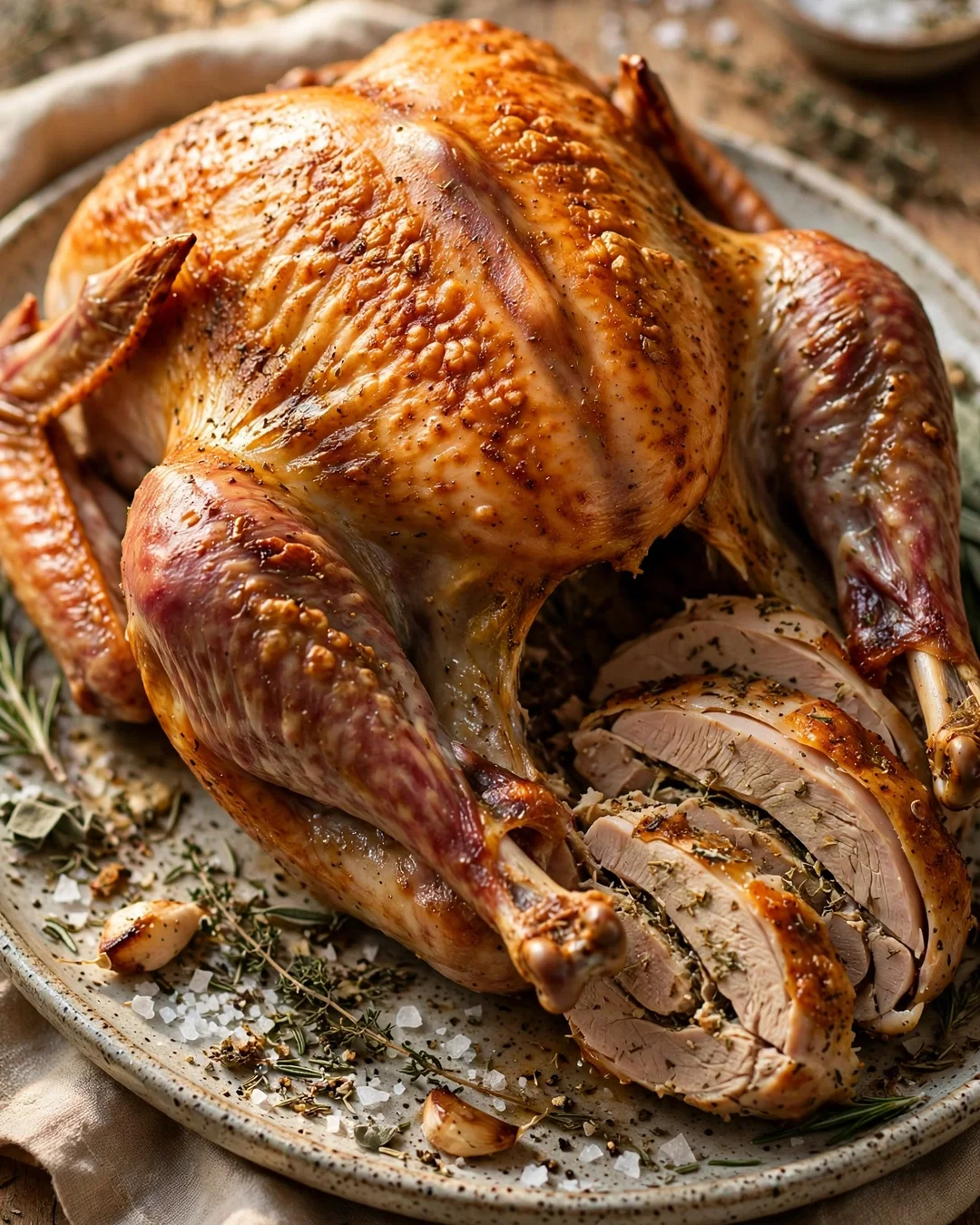
Dry brining is the low effort, high reward method that seasoned cooks swear by. Salt and a little sugar rubbed over the bird and left uncovered in the fridge for one to three days season the meat deeply, dry the skin for maximum crispness, and free you from wrestling a giant pot of brine.
Use one tablespoon of kosher salt per five pounds of turkey, plus a teaspoon of sugar and your favorite dried herbs. Rub it everywhere, including inside the cavity, then set the bird on a rack over a tray, uncovered, in the fridge. On roast day, brush off any excess salt, add butter or oil, and roast as usual with no extra salt.
Pro Tips
Keep the bird uncovered the whole time; the cold dry fridge air is what tightens and dries the skin. If your fridge space is tight, the turkey can sit in a roasting pan on the lowest shelf. Do not rinse the brine off or you will undo the drying you waited for.
- Start 1 to 3 days before roasting day
- Keep the bird uncovered in the fridge
- No extra salt on roast day
- A rack over a tray catches the drips
Serving Suggestions
Dry brined meat has a firmer, more satisfying bite that pairs beautifully with soft, buttery sides. Spoon a generous helping of stuffing next to each slice and let the pan juices tie the whole plate together.
Flavor variation: stir a teaspoon of smoked paprika and a little lemon zest into the salt rub for a bird with gentle color and brightness. The zest goes on only for the final day so it stays fresh tasting, and the paprika gives the skin a deep mahogany finish that photographs beautifully.
3. Wet Brined Roast Turkey

The classic wet brine is the insurance policy for a juicy bird. Soaking the turkey overnight in salted, lightly sweetened water seasons it through and helps the meat hold onto moisture while it roasts, which is exactly what lean breast meat needs. This is the method to choose when you are feeding a crowd and cannot afford a dry slice.
Dissolve one cup of kosher salt and half a cup of brown sugar in a gallon of hot water with peppercorns, bay leaves, and allspice. Cool it completely, add another gallon of cold water, and submerge the turkey for 12 to 18 hours in the fridge or a cooler packed with ice. Rinse, pat very dry, and roast without adding more salt.
Pro Tips
The brine must be cold before the turkey goes in, both for food safety and because warm brine starts cooking the surface. A brining bag inside a stockpot keeps everything contained in the fridge. Dry the skin thoroughly and let the bird sit uncovered in the fridge for a few hours before roasting for better browning.
- Cool the brine fully before adding the turkey
- Brine 12 to 18 hours, no longer than 24
- Rinse and pat the skin very dry
- Skip extra salt at seasoning time
Serving Suggestions
Because the meat is so moist, it can stand up to rich, silky sides. Pour a generous ladle of gravy over each serving, and remember that brined drippings run salty, so taste the gravy before adding any salt of your own.
Make ahead note: the brine itself can be mixed two days early and kept chilled, which spreads the work out nicely. Add a halved orange and a handful of fresh thyme to the pot for a brighter, more aromatic bird that still tastes like a classic holiday turkey at heart.
4. Spatchcocked Roast Turkey

Spatchcocking, or butterflying, is the fastest road to an evenly roasted turkey. Removing the backbone and pressing the bird flat means the thighs and breast finish at the same time, the skin crisps edge to edge, and a whole turkey roasts in about half the usual time. It looks dramatic on the pan and carves like a dream.
Cut along both sides of the backbone with sturdy kitchen shears, remove it, and save it for stock or gravy. Flip the bird breast side up and press down firmly on the breastbone until it cracks and the turkey lies flat. Season generously, tuck the wing tips under, and roast at 425 degrees F until the thigh reads 165 degrees F, usually 70 to 90 minutes for a 12 pound bird.
Pro Tips
Strong shears make this job easy; a sharp knife works if you go slowly and carefully. Dry brining the flattened bird overnight gives the very best skin. Because the turkey is flat, it fits on a large rimmed sheet pan with room for vegetables underneath if you like.
- Save the backbone for stock and gravy
- Press firmly until the breastbone cracks flat
- High heat at 425 degrees F for crisp skin
- Rest flat for 20 minutes before carving
Serving Suggestions
Carving is wonderfully simple: the legs pull away cleanly and the breast slices in even medallions. Serve it family style right off the pan with roasted root vegetables cooked underneath, which soak up the drippings as they roast.
Weekend bonus: this method works just as well for a weeknight chicken sized bird any time of year. The same flat roasting logic gives you crisp skin and juicy meat in under an hour, and the leftovers slice neatly for salads, soups, and sandwiches all week long at home.
5. Roast Turkey Breast Only

For smaller gatherings, or households where everyone fights over the white meat, a bone-in turkey breast is the smart buy. It cooks faster than a whole bird, carves neatly, and still gives you that impressive golden centerpiece. A four to seven pound breast feeds six to eight people comfortably with far less fuss.
Season the breast under and over the skin with butter, salt, pepper, and herbs, then roast it breast side up at 325 degrees F. Plan on about 20 minutes per pound, and start checking the temperature early; the breast is done at 165 degrees F and dries out quickly past that point. Rest it 20 minutes before slicing.
Pro Tips
Bone-in breasts stay juicier than boneless because the bone insulates the meat and adds flavor. If you use a boneless breast, tie it with kitchen twine into an even shape so it cooks uniformly. A light dry brine the night before makes a noticeable difference in both seasoning and moisture.
- Bone-in breast for the juiciest result
- About 20 minutes per pound at 325 degrees F
- Start temp checks early; breast dries fast
- Twine a boneless breast into an even roll
Serving Suggestions
Slice it thick and serve with any classic holiday sides, or keep dinner simple with buttered green beans and a pan of roasted potatoes. The smaller size also means leftovers stay manageable, which weeknight cooks appreciate.
Sandwich plan: chill the leftover breast whole, then slice it thin the next day for deli style turkey sandwiches. Cold sliced breast, a little cranberry sauce, and sharp cheddar on sourdough tastes like the best part of the holiday all over again, with zero cooking required on day two.
Doneness Checklist
Thigh reads 165°F away from the bone. Breast reads 165°F at its thickest point. Juices run clear when the thigh is pierced. The leg moves easily in its socket. Skin is deep golden all over. When all five agree, the turkey is done.
6. Slow Cooker Turkey Breast

When the oven is spoken for, the slow cooker quietly produces the most tender turkey breast imaginable. Gentle, moist heat over several hours gives meat that slices cleanly and stays juicy, and the cooking liquid becomes a ready made base for gravy. It is the set and forget answer for small holidays and busy cooks.
Rub a boneless or bone-in breast with butter, garlic powder, paprika, salt, and pepper. Lay it over thick sliced onions in the slow cooker, pour in a cup of chicken broth, and cook on low for 5 to 7 hours depending on size, until the thickest part reads 165 degrees F. For crisp skin, a quick pass under the broiler at the end works wonders.
Pro Tips
Resist lifting the lid; every peek lets out the moist heat that makes this method work. A leave-in probe thermometer takes the guesswork out completely. Save every drop of the cooking liquid, because it is concentrated turkey flavor that turns into excellent gravy or soup starter.
- Cook on low, never high, for tenderness
- Onions underneath keep the meat moist
- Broil at the end if you want crisp skin
- Save the cooking liquid for gravy
Serving Suggestions
Serve the slices with a spoonful of the warm cooking juices over the top and simple sides like buttered noodles or steamed vegetables. It is also a brilliant make ahead option: cook, slice, and reheat gently in its own juices.
Meal prep angle: cook a breast on Sunday and you have protein for the whole week. The slices go into wraps, grain bowls, and salads, and the cubes stir into soups and casseroles. Few cooking sessions pay you back as generously as this one quiet afternoon in the slow cooker.
7. Garlic Herb Roast Turkey
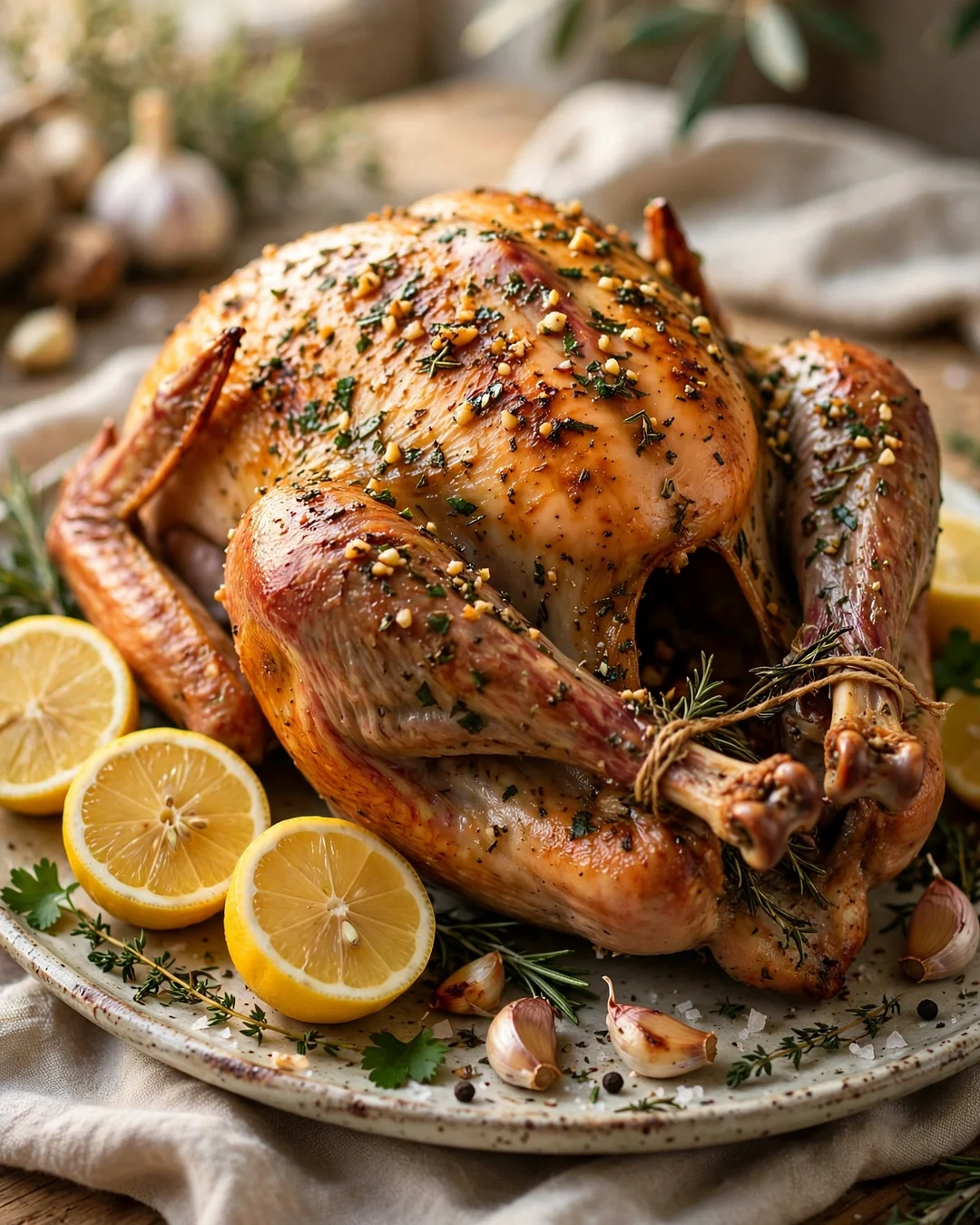
For garlic lovers, this is the bird. A generous paste of minced garlic, soft butter, and woodsy herbs goes under and over the skin, perfuming the meat as it roasts and mellowing into a sweet, savory crust. The whole house smells incredible by the time it comes out of the oven.
Mash six to eight cloves of garlic with softened butter, chopped rosemary, thyme, sage, salt, and pepper. Loosen the skin over the breast and thighs and spread two thirds of the mixture underneath, then rub the rest over the outside. Roast at 325 degrees F, basting once midway, until the thigh reaches 165 degrees F.
Pro Tips
Fresh garlic under the skin flavors the meat itself rather than just the surface. Keep the pieces fine; big chunks can taste sharp and raw in pockets. A squeeze of lemon over the carved meat brightens the richness without covering the garlic.
- Mince garlic fine for even flavor
- Most of the butter goes under the skin
- Baste once; too much opening cools the oven
- Lemon at serving lifts the richness
Serving Suggestions
This turkey loves Mediterranean leaning sides: garlicky green beans, roasted potatoes with lemon, or a simple tomato and cucumber salad. A pan of focaccia for sopping up the juices never hurts either.
Herb swap idea: trade the rosemary for fresh oregano and add a teaspoon of lemon zest to the butter for a brighter, Greek leaning bird. The method stays exactly the same, and the carved meat pairs beautifully with a squeeze of lemon and a drizzle of good olive oil at the table.
8. Maple Glazed Roast Turkey

A maple glaze gives roast turkey a shiny amber finish and a gentle sweetness that feels made for autumn. Brushed on during the last stretch of roasting, pure maple syrup cooks into a lacquer that complements the savory meat without turning the bird into dessert. The skin looks like it came off a magazine cover.
Roast your seasoned turkey as usual for the first two thirds of the time. Meanwhile simmer half a cup of pure maple syrup with two tablespoons of butter and a pinch of salt until slightly thickened. Brush it over the bird every 15 minutes during the final 45 minutes, watching closely, because the sugars brown quickly at the end.
Pro Tips
Use real maple syrup, never pancake syrup, which is mostly flavored corn syrup and burns bitter. Glaze late; brushed on from the start, the sugar would scorch long before the meat cooks. Darker, robust syrup gives the deepest flavor and color.
- Real maple syrup only, robust grade if possible
- Glaze only in the final 45 minutes
- Brush every 15 minutes for layers of shine
- Watch closely; sugar browns fast
Serving Suggestions
The sweet glaze begs for a tart partner on the plate, and a spoonful of cranberry sauce is exactly that. Roasted sweet potatoes and Brussels sprouts keep the autumn theme going from centerpiece to side dish.
Brunch twist: leftover maple glazed turkey is wonderful diced into a hash with sweet potatoes and a fried egg on top. The glaze caramelizes again in a hot skillet, and the sweet and savory mix makes the morning after the feast taste like a brand new meal instead of a repeat.
9. Cajun Spiced Roast Turkey
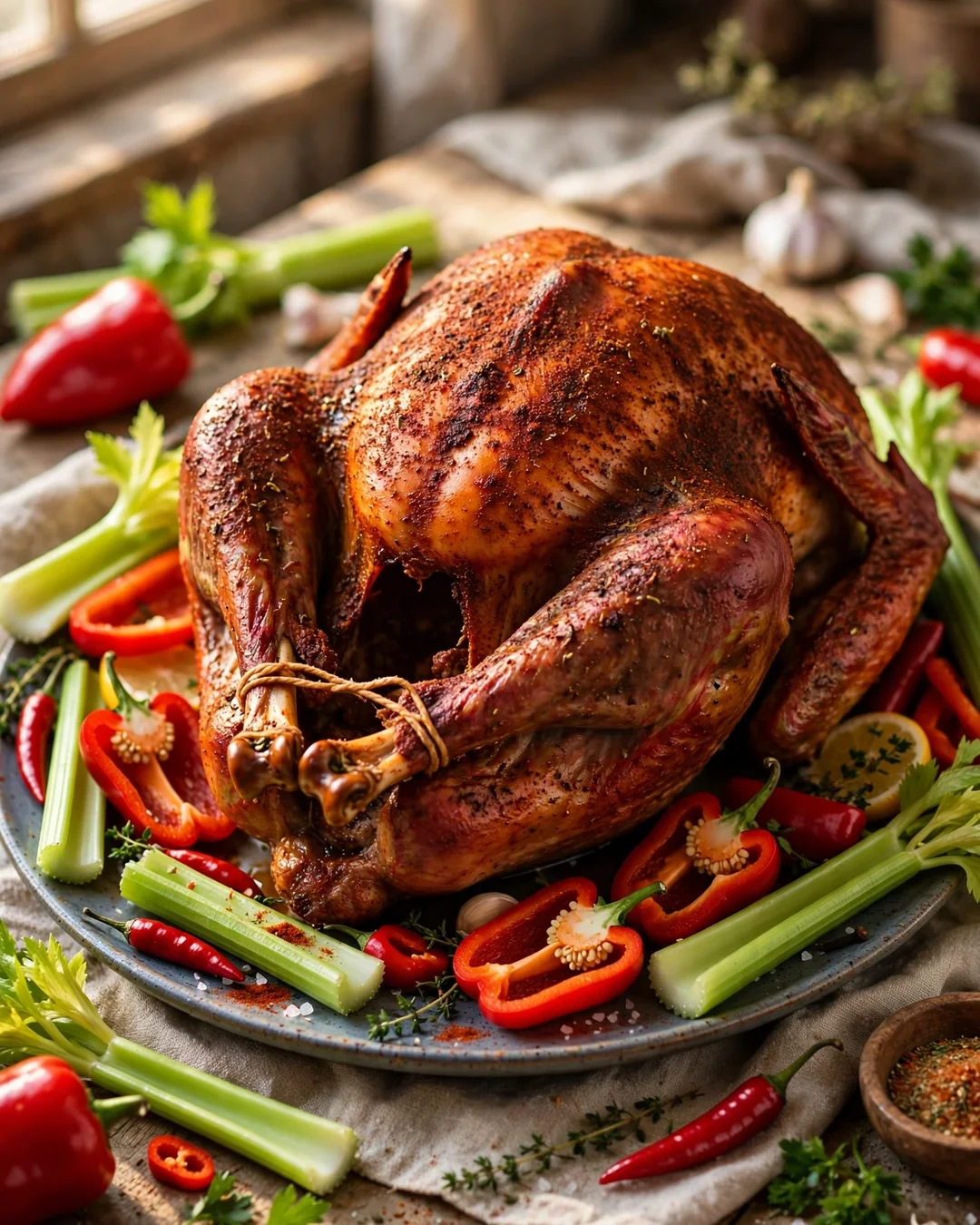
This Louisiana leaning bird brings warmth and swagger to the table. A bold rub of paprika, cayenne, garlic, onion, thyme, and oregano seasons a butter or oil base, and the skin roasts to a deep reddish brown with a gentle kick in every bite. It is the turkey for people who think the classic bird needs more personality.
Blend two tablespoons of paprika with garlic powder, onion powder, dried thyme, oregano, black pepper, salt, and cayenne to taste. Rub it over buttered skin, inside the cavity, and under the breast skin. Roast at 325 degrees F until done, tenting with foil if the spices darken too much before the meat finishes.
Pro Tips
Cajun seasoning burns more readily than plain salt and herbs, so keep the oven moderate and your eyes open during the last hour. A little brown sugar in the rub helps the crust set and balances the heat. Injecting or brining is optional; the rub alone delivers plenty of flavor.
- Moderate oven heat protects the spice crust
- Tent with foil if the rub darkens early
- A little sugar balances the cayenne
- Rub under the skin for seasoned meat
Serving Suggestions
Serve it with dirty rice, smothered green beans, or a pot of greens for a full Louisiana spread. Cooling sides like coleslaw are welcome next to the heat, and cornbread soaks up the spiced pan juices beautifully.
Heat control note: cayenne is the dial, so set it for your crowd. A quarter teaspoon gives warmth without real fire, while a full teaspoon makes spice lovers grin. You can always pass hot sauce at the table for the brave, which keeps everyone at the table happy.
10. Citrus Herb Roast Turkey

Citrus brightens roast turkey in a way that keeps every bite tasting fresh. Halved oranges, lemons, and a bundle of herbs steam inside the cavity as the bird roasts, filling the kitchen with a sunny aroma and gently perfuming the meat from within. The result is classic in spirit but lighter on the palate.
Fill the cavity with halved citrus, onion wedges, and sprigs of thyme, rosemary, and sage. Stir finely grated orange and lemon zest into your butter before rubbing it over and under the skin. Roast at 325 degrees F as usual, and squeeze a little fresh citrus juice over the carved meat just before serving.
Pro Tips
Zest carries the pure citrus oils without the bitterness of pith, so grate only the colored outer layer. Warm the citrus halves briefly in the microwave before stuffing and they will release more juice and aroma in the oven. Save the roasted cavity citrus for squeezing over leftovers.
- Zest in the butter, halves in the cavity
- Grate only the colored peel, never the pith
- Warm citrus before stuffing for more aroma
- Fresh juice over carved meat at serving
Serving Suggestions
This bright bird pairs well with richer sides, since the citrus cuts through cream and butter. Think scalloped potatoes, creamed spinach, or a buttery casserole, and let the turkey keep the whole plate from feeling heavy.
Pan sauce idea: simmer the drippings with a splash of orange juice and a knob of butter for a quick sauce that echoes the bird. Spooned over sliced breast meat, it keeps leftovers tasting freshly roasted, and it takes all of five minutes at the stove while the sides reheat.
11. Smoked Style Roast Turkey (Oven Method)

No smoker, no problem. This oven method builds smoky flavor with a rub of smoked paprika, a touch of chipotle, brown sugar, and salt, roasted low and slow so the skin turns a deep mahogany. You get the spirit of a smoked bird, the kind with queues at barbecue joints, straight from a regular kitchen oven.
Combine smoked paprika, brown sugar, kosher salt, garlic powder, black pepper, and a pinch of chipotle powder. Rub it over oiled skin and under the breast skin, then let the bird rest uncovered in the fridge overnight so the rub sets. Roast low at 300 degrees F until the thigh hits 165 degrees F, then rest well before carving.
Pro Tips
Smoked paprika is the engine here, so buy a fresh tin; old paprika tastes dusty. A teaspoon of liquid smoke whisked into melted butter and brushed on halfway through deepens the effect without any special equipment. Keep the heat low so the sugar in the rub caramelizes instead of scorching.
- Fresh smoked paprika makes the dish
- Overnight rest sets the rub and dries skin
- Low oven at 300 degrees F, patience required
- Liquid smoke in butter boosts the effect
Serving Suggestions
Serve it barbecue style with pickles, slaw, and soft rolls, or keep it holiday classic with the usual sides; the smoky meat plays well with both. Slices also make outstanding sandwiches with a little barbecue sauce.
Leftover plan: smoky turkey makes the best pot of beans or greens of the season. Simmer the carcass or leftover dark meat with white beans, onion, and broth for a bowl that tastes like it cooked all day at a smokehouse, even though your oven did all the work.
12. Bacon Wrapped Roast Turkey

Wrapping the breast in a woven bacon blanket is both insurance and indulgence. The bacon bastes the lean white meat as it roasts, keeping it juicy, and crisps into a salty, smoky layer that guests will fight over. Underneath, the skin stays pale, but nobody misses it once they taste the meat.
Weave thin sliced bacon into a lattice on parchment, season the turkey, then drape the lattice over the breast and tuck the edges under. Roast at 325 degrees F as usual. The bacon protects the breast during the long roast; if it darkens too much, tent loosely with foil. Crisp the bacon fully before serving so it shatters pleasantly.
Pro Tips
Thin bacon weaves and crisps better than thick cut, which can stay flabby. Lay the lattice on while the bird is cold from the fridge so it holds its shape, and secure loose corners with toothpicks you remove before serving. Save the bacon drippings for roasting vegetables.
The Mayo Secret
Mayonnaise is egg plus oil, so it clings to the skin, carries seasoning evenly, and promotes deep, uniform browning. It completely disappears as a flavor. Skeptical guests never guess, and the cook never tells unless they feel generous.
- Thin sliced bacon crisps best
- Weave on parchment, then drape and tuck
- Tent if the bacon browns too early
- Bacon drippings are gold for vegetables
Serving Suggestions
Chop any extra crisped bacon over the carved platter like a garnish. Rich sides are welcome here, but add something fresh and crunchy, like a shaved Brussels sprout salad, to balance the plate.
Breakfast bonus: leftover bacon wrapped turkey, diced and crisped in a skillet with potatoes and onions, makes a hash that justifies the whole holiday. Top it with a fried egg and hot sauce, and the leftovers disappear faster than the original dinner ever did at your table.
13. Mayonnaise Rubbed Roast Turkey

It sounds odd until you try it, and then it becomes your secret. A thin coating of mayonnaise over the skin helps the bird brown evenly, keeps the surface seasoned, and bastes the meat as it roasts. The finished turkey tastes like turkey, not mayo, only juicier and more evenly golden than almost any other method.
Stir salt, pepper, garlic powder, and dried herbs into half a cup of mayonnaise. Rub a thin, even layer over the whole bird, including under the breast skin if you like, and roast at 325 degrees F until the thigh reads 165 degrees F. The coating melts into the skin early, so what you see at the end is pure crisp, burnished skin.
Pro Tips
Mayo is mostly egg and oil, which is why it behaves like a perfect roasting fat that clings instead of running off. Apply it thinly; a thick coat can pool and steam the skin. This method is especially kind to cooks who struggle with patchy browning.
- Thin, even coat is the whole trick
- Season the mayo, not just the bird
- Great fix for patchy browning problems
- Works over dry brined birds too
Serving Suggestions
Because the flavor stays neutral and classic, this turkey goes with every side you love. It is a great choice when picky eaters are coming, since nothing about the taste announces the method behind it.
Flavor add ins: a spoonful of Dijon mustard or hot sauce whisked into the mayo adds a gentle tang that cooks away to almost nothing but leaves the meat tasting seasoned all the way through. Start with a little, taste the carved meat, and adjust next time.
14. Butter Under the Skin Roast Turkey

Sliding seasoned butter under the skin is the single most reliable trick for juicy breast meat. The butter melts directly onto the meat as it roasts, basting from above the whole time, while the skin crisps on the outside. Every slice of white meat comes out seasoned and moist instead of plain and dry.
Spice Rub Rules
Do apply the rub over fat so it clings and bastes the skin. Do let it sit at least an hour, or overnight for deeper flavor. Do not roast a spice rubbed bird at high heat for hours, or the paprika turns bitter. Do not skip the rest; spicy juices need time to settle too.
Gently loosen the skin over the breast and the top of the thighs with your fingers, keeping it attached at the edges. Push softened herb butter underneath and massage it from the outside to spread it in an even layer. Rub a little more butter or oil over the skin, season well, and roast at 325 degrees F to 165 degrees F in the thigh.
Pro Tips
Work slowly so the skin does not tear; if it does, a toothpick or a small patch of foil repairs it. Cold butter is easier to portion into pats that you slide under the skin one at a time. Season the butter itself generously, since it is seasoning the meat directly.
- Loosen skin slowly to avoid tears
- Massage butter flat from outside the skin
- Season the butter generously
- Butter the top of the thighs too
Serving Suggestions
Those buttery pan juices are made for one thing above all: spooning over a mound of mashed potatoes next to the carved slices. Add a green vegetable and you have the plate everyone pictures when they think of the holiday.
Make it ahead: the herb butter keeps for a week in the fridge or a month in the freezer, rolled in plastic into a log. Slice off coins as needed for turkey, chicken, or even steaks, and weeknight dinners get a holiday level upgrade with almost no extra effort at all.
15. Apple Cider Brined Roast Turkey

Apple cider in the brine gives turkey a gentle orchard sweetness and a hint of warm spice that feels like the best of fall. The bird roasts up juicy and faintly golden, and the kitchen smells like a cider mill while it cooks. This is a lovely choice when you want something traditional yet a little different.
Build the brine with apple cider instead of part of the water: simmer a quart of cider with kosher salt, brown sugar, allspice berries, cloves, and bay leaves until dissolved. Add cold water and ice to make a gallon, chill fully, then brine the turkey 12 to 18 hours. Rinse, dry well, and roast as usual without extra salt.
Pro Tips
Use fresh pressed cider if you can find it; it has more apple character than clear juice. The sugar in the cider helps the skin brown, so keep an eye on color during the last hour and tent if needed. A few apple wedges and a cinnamon stick in the cavity echo the brine nicely.
- Fresh cider beats clear apple juice
- Brine 12 to 18 hours, chilled throughout
- Watch browning; cider sugars color fast
- Apple wedges in the cavity echo the brine
Serving Suggestions
Serve with sides that welcome a hint of sweetness: roasted carrots, cornbread dressing, or a wild rice pilaf with dried cranberries. The pan drippings make a gravy with a subtle apple note that guests notice and love.
Cider gravy tip: whisk a splash of fresh cider into the finished gravy and simmer one minute. It brightens the whole pan and ties the sauce to the bird. Taste before salting, since brined drippings bring their own seasoning, and finish with a small knob of cold butter.
16. Buttermilk Brined Roast Turkey

Buttermilk brine, borrowed from the fried chicken world, works quiet magic on turkey. The gentle acidity tenderizes the meat while the salt seasons it, producing slices that are noticeably silky and flavorful. If your family loves fried chicken, this bird will taste like a holiday version of a favorite.
Whisk two quarts of buttermilk with a quarter cup of kosher salt, a tablespoon of sugar, and cracked pepper until the salt dissolves. Submerge the turkey in a brining bag and refrigerate 24 to 48 hours, turning once. Lift it out, let the excess drip off, pat dry, and roast at 325 degrees F without rinsing or extra salt.
Pro Tips
Do not rinse off the buttermilk; the thin coating left behind helps the skin brown and adds a faint tang. Because the brine is thick, a sturdy bag inside a roasting pan is the easiest container. Keep the bird cold the whole time and discard the used brine.
- Full fat buttermilk gives the best result
- Brine 24 to 48 hours, turning once
- Never rinse; just drip and pat dry
- Discard used brine for safety
Serving Suggestions
Tangy, tender slices pair well with sweet sides: glazed carrots, candied yams, or cornbread with honey butter. A crisp green salad alongside keeps the richness in check.
Smaller scale note: this brine is perfect for a turkey breast or even chicken pieces when a whole bird is too much. The same ratios work, with 24 hours being plenty for parts. It is an easy way to test the method before committing a holiday turkey to the idea.
17. Garlic Rosemary Roast Turkey

Rosemary and garlic were made for roasted meats, and this turkey leans all the way in. Fresh rosemary sprigs go inside the cavity and into the butter, while whole garlic cloves roast alongside and turn sweet and spreadable. The flavor is woodsy, savory, and deeply comforting.
Stuff the cavity with rosemary sprigs, a halved head of garlic, and a lemon half. Mix chopped fresh rosemary and minced garlic into softened butter and spread it under and over the skin. Scatter extra garlic cloves and rosemary around the bird in the pan, then roast at 325 degrees F to temperature.
Pro Tips
Fresh rosemary matters here; dried can taste medicinal in large amounts. Strip the leaves and chop them fine so they distribute through the butter instead of poking out in woody bits. Save a few pretty sprigs for the serving platter.
- Fresh rosemary, chopped fine for butter
- Whole garlic roasts sweet in the pan
- Butter under and over the skin
- Reserve sprigs for garnish
Serving Suggestions
Serve with roasted potatoes cooked in the same pan juices and a simple pan of green beans. Squeeze the soft roasted garlic out of its skins onto warm bread for a cook’s treat while you carve.
Oil alternative: if butter is not your thing, blend the rosemary and garlic into olive oil with lemon zest and use it the same way. The bird will brown a shade deeper and the flavor stays bright, and the method suits anyone at the table who avoids dairy altogether.
18. Honey Glazed Roast Turkey
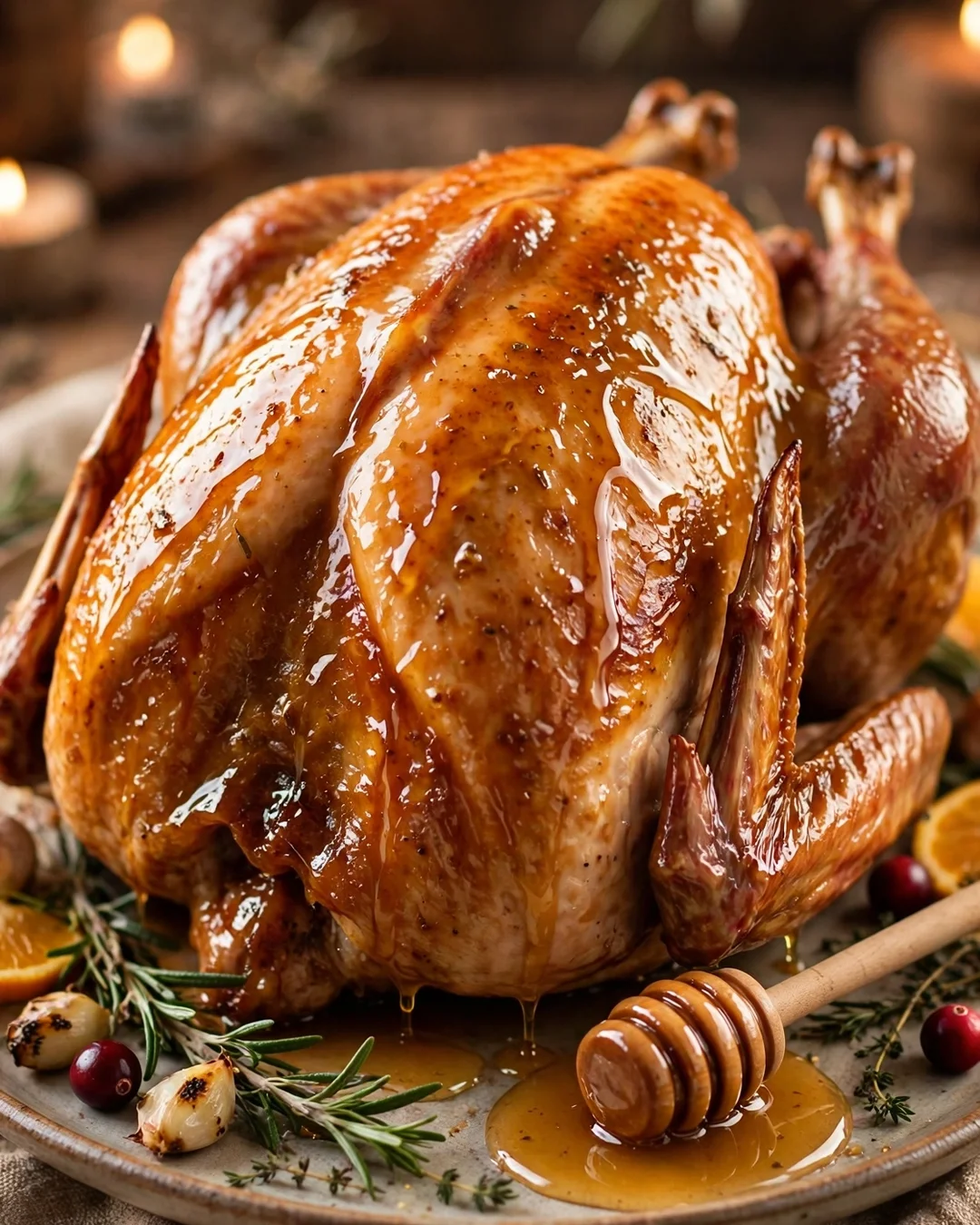
A honey glaze brushed on near the end gives roast turkey a glossy, amber finish and a floral sweetness that pairs beautifully with savory herbs. It is a little less expected than maple and feels special enough for the centerpiece of the table. The carved slices shine on the platter.
Roast the seasoned bird for the first two thirds of its time. Simmer half a cup of honey with two tablespoons of butter, a teaspoon of Dijon mustard, and a pinch of salt, then brush it over the turkey every 10 to 15 minutes during the last 30 to 40 minutes. Honey browns faster than maple, so stay close at the end.
Pro Tips
Warm honey flows and brushes evenly; cold honey clumps and drags the skin. The mustard is a background note that keeps the sweetness from tasting flat. If the glaze darkens too fast, tent the breast with foil and finish the legs uncovered.
- Glaze only in the last 30 to 40 minutes
- Warm the honey so it brushes smoothly
- Dijon keeps the sweetness in balance
- Tent early if color runs ahead
Serving Suggestions
Honey loves spice and salt beside it: serve with a sharp slaw, pickled vegetables, or a peppery arugula salad. The sweet slices also make wonderful sandwiches with grainy mustard and Swiss cheese.
Spiced variation: stir a pinch of cinnamon and a few grinds of black pepper into the glaze for a warmer finish. The pepper sounds surprising but works, giving the sweet shine a gentle backbone that keeps guests reaching back for one more slice of breast meat.
19. Italian Herb Roast Turkey

This bird takes a trip to Italy with oregano, basil, fennel seed, and a little grated Parmesan worked into the seasoning. The flavors are sunny and familiar, the skin crisps with savory herb flecks, and the leftovers slide naturally into pasta dishes and Italian sandwiches all week.
Mix softened butter with minced garlic, dried oregano, chopped fresh basil, crushed fennel seed, lemon zest, salt, and pepper. Spread it under and over the skin. Roast at 325 degrees F as usual, and shower the carved platter with extra torn basil and a squeeze of lemon just before serving.
Pro Tips
Fennel seed is the signature note; crush it lightly so it perfumes without overwhelming. Parmesan added to the pan drippings when you make gravy gives the sauce a savory depth that surprises everyone in the best way. Go easy on salt if your Parmesan is salty.
- Crush fennel seed lightly before using
- Lemon zest keeps the herbs bright
- Butter under the skin seasons the meat
- Fresh basil goes on at serving
Serving Suggestions
Serve it with garlic roasted potatoes, a tomato and white bean salad, or buttered pasta instead of the usual sides. Thick slices on ciabatta with provolone and roasted peppers make a sandwich worth writing home about.
Porchetta style twist: add a teaspoon of crushed red pepper and extra fennel to the butter, and roll any leftover sliced turkey into warmed focaccia with arugula. The bird leans into its Italian inspiration, and day two dinner feels planned rather than improvised in the very best way.
20. Classic Stuffed Roast Turkey

For traditionalists, the stuffing belongs inside the bird, where it soaks up roasting juices and comes out rich, savory, and deeply flavored. Done safely and well, a stuffed turkey is the centerpiece many families refuse to give up, and the stuffing that emerges is unlike anything baked in a dish.
Loosely fill the neck and body cavities with stuffing that is moist but not wet, allowing room for it to expand. Roast at 325 degrees F, and plan on extra time compared with an unstuffed bird. The center of the stuffing must reach 165 degrees F on a thermometer, just like the thigh, before the turkey comes out of the oven.
Pro Tips
Loose packing is the safety and texture rule; packed stuffing cooks slowly and stays soggy. Stuff the bird just before roasting, never the night before, and remove all the stuffing to a serving dish afterward. Bake any extra stuffing in a buttered dish alongside for the crispy edged portion.
- Pack stuffing loosely so it cooks through
- Stuffing center must hit 165 degrees F
- Stuff just before roasting, never ahead
- Extra stuffing bakes separately for crisp edges
Serving Suggestions
Serve the in-bird stuffing right beside the carved slices, where it can mingle with gravy. It pairs naturally with green bean casserole and the rest of the classic lineup, and it is usually the first serving dish to empty.
Texture rescue: if the in-bird stuffing comes out softer than you like, spread it in a skillet and crisp it over medium heat for a few minutes before serving. You keep all the roasted flavor the cavity gave it, plus the golden edges that everyone at the table loves most.
21. Unstuffed Turkey with Dressing on the Side

Roasting the bird unstuffed and baking the dressing in its own dish is the modern classic for good reason. The turkey cooks faster and more evenly, the breast stays juicy, and the dressing gets those crisp, golden edges that everyone picks at. Fill the cavity with aromatics instead of bread and you lose nothing in flavor.
Season the cavity with salt and fill it with onion quarters, celery, fresh herbs, and a lemon half. Roast the turkey at 325 degrees F to temperature. Meanwhile bake your dressing in a buttered casserole at 350 degrees F for 35 to 45 minutes, moistened with turkey or chicken stock, until the top is deeply golden.
Pro Tips
Because the bird is empty, hot air and heat move more evenly, often shaving 30 to 45 minutes off the roast. The aromatics inside perfume the meat and the drippings, so your gravy still tastes like the whole feast. Drizzle a little pan juice over the baked dressing to tie the two together.
- Aromatics, not bread, fill the cavity
- Faster, more even roasting when unstuffed
- Dressing bakes at 350 degrees F till golden
- Pan juice over the dressing ties it together
Serving Suggestions
This is the setup for cooks who value both juicy meat and crisp dressing, which is to say most of us. Carry both to the table and let everyone take their favorite ratio of turkey to dressing.
Timing gift: because the unstuffed bird finishes earlier, your oven frees up for pies and sides at exactly the busy moment. Plan the dressing to bake while the turkey rests, and everything arrives at the table hot without a scheduling headache or a cold centerpiece this year.
22. Small Turkey for Two
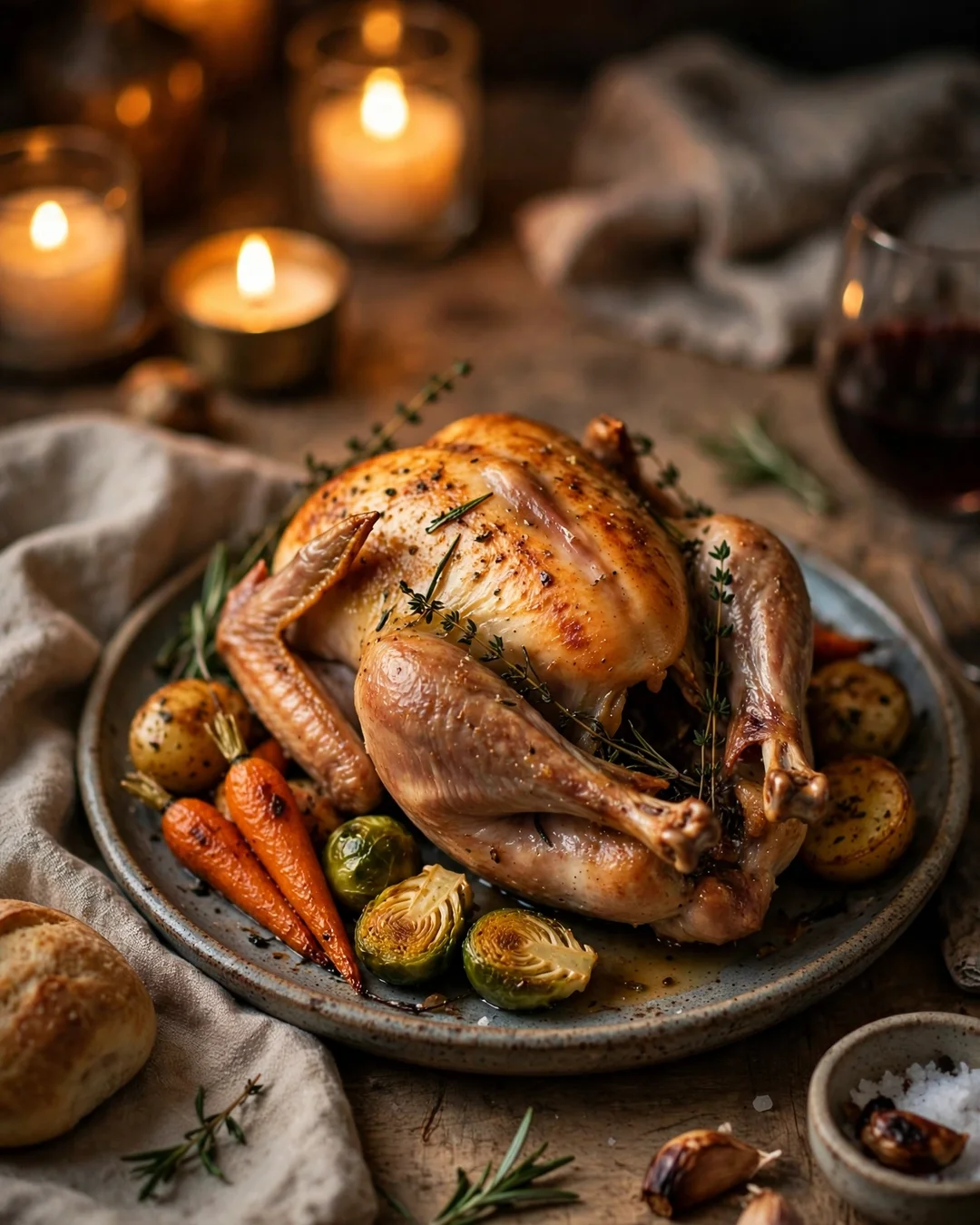
A small holiday still deserves a whole bird. A young turkey of six to eight pounds roasts in about two hours, feeds two generously with leftovers for a day or two, and fits easily in a small oven and a small fridge. It is the full roast turkey experience, scaled to real life.
Treat it exactly like a big bird, just faster: dry brine overnight if you can, butter under the skin, aromatics in the cavity, and roast at 325 degrees F until the thigh reads 165 degrees F. Start checking early, because small birds move from almost done to done quickly. Rest 20 minutes and carve as usual.
Pro Tips
Small turkeys are often sold frozen year round near the chicken, so ask the butcher if you do not see one. The drippings yield less gravy, so stretch them with good stock. Everything you love about the big feast works here, just with quantities that make sense for two.
- Six to eight pound bird is the sweet spot
- Start temperature checks early
- Stretch drippings with stock for gravy
- Same method as a big bird, less time
Serving Suggestions
Serve it with half batches of your favorite sides: a small pan of dressing, a few roasted potatoes, and a simple salad. Light candles anyway. A small table with a whole golden turkey on it feels every bit as festive.
Leftover wisdom: with a small bird, leftovers are a feature, not a burden. Plan one sandwich lunch and one soup or pot pie dinner, and the turkey is gone before anyone tires of it. It is the most relaxed way to enjoy the full holiday arc of meals.
23. Turkey Crown Roast

A turkey crown is the breast still on the bone with the legs and wings removed, and it is a clever cut for white meat lovers. It cooks faster than a whole bird, carves like a roast, and looks elegant on the table. Many butchers sell crowns ready to go during the holiday season.
Season and butter the crown as you would a whole turkey, keeping the flavors under and over the skin. Roast at 325 degrees F, planning roughly 20 minutes per pound, and check the temperature at the thickest part of the breast without touching bone. Rest well, then slice straight down along the breastbone in neat, even pieces.
Pro Tips
Because there are no legs, there is no thigh temperature to juggle; the whole cut finishes together, which makes this the most predictable roast on the list. The removed legs are not wasted if you buy a whole bird and crown it yourself; roast them separately for the dark meat fans.
- All white meat, one even cooking time
- About 20 minutes per pound
- Slice along the breastbone for neat pieces
- Roast removed legs separately if crowning at home
Serving Suggestions
A crown looks beautiful surrounded by roasted vegetables and herbs, and it suits a buffet where guests help themselves to slices. It is also the easiest route to a sandwiches ready fridge the next day.
Butcher tip: order a crown ahead during busy weeks, and ask the butcher to save the legs and backbone for you. The legs become a small batch of confit or a separate roast, and the backbone makes stock, so one bird still gives you every part of the feast.
24. Sheet Pan Turkey Dinner

The whole dinner on one pan: turkey breast or thighs roast together with potatoes, carrots, and Brussels sprouts, all caramelizing in the same savory juices. It is the holiday plate without the holiday workload, and it scales from a weeknight treat to a small celebration with almost no extra effort.
Use a bone-in breast half or several thighs, seasoned well and rubbed with herb butter. Surround the turkey with chunky vegetables tossed in oil, salt, and pepper, keeping pieces in a single layer. Roast at 400 degrees F until the turkey reads 165 degrees F and the vegetables are browned at the edges, about 45 to 60 minutes depending on the cut.
Pro Tips
Cut the vegetables to sizes that finish with the turkey: potatoes small, carrots in thick coins, sprouts halved. Give everything space; an overcrowded pan steams instead of roasts. Turn the vegetables once for even browning, and rest the turkey on the pan while you set the table.
- Single layer vegetables for real browning
- Match vegetable size to turkey cook time
- Hot oven at 400 degrees F for crisp edges
- Rest the turkey right on the pan
Serving Suggestions
Carry the whole pan to the table and serve family style, with a quick starter from these Thanksgiving appetizer recipes while the pan finishes. Cleanup is one pan, which might be the most festive part of all.
Weeknight upgrade: swap the sprouts for sweet potato wedges and add a drizzle of hot honey over the finished pan. The meal tilts sweet and spicy, and the turkey tastes like a brand new recipe even though your method never changed from the first time you made it.
25. Turkey Roulade

A roulade is a boneless turkey breast butterflied, spread with a savory filling, rolled, and tied, then roasted and sliced into beautiful spirals. It looks like something from a restaurant kitchen, cooks evenly every time, and gives every slice both meat and stuffing in one bite. Guests always ask how you did it.
Why Flat Wins
A whole round bird roasts unevenly because the breast sits higher than the thighs. Flattened, every part sits at the same height and the same distance from the heat, so the breast stays juicy while the legs cook through. It is simple physics, and it tastes great.
Butterfly a boneless breast and pound it to an even thickness. Spread it with a filling of sauteed spinach, garlic, breadcrumbs, herbs, and a little cheese or sausage. Roll it snugly, tie with twine every inch or so, season the outside, and roast at 325 degrees F until the center reads 165 degrees F.
Pro Tips
Even thickness is the whole game; pound gently from the center outward so the roll cooks uniformly. Chill the rolled, tied roulade for 30 minutes before roasting and it will hold its shape better. Slice with a sharp knife and remove the twine as you serve each spiral.
- Pound to even thickness before filling
- Tie every inch for a snug roll
- Chill the roll before roasting
- Center must read 165 degrees F
Serving Suggestions
The spirals look so pretty that simple sides are plenty: buttered green beans, a crisp salad, or glazed carrots. Arrange the slices overlapping on a platter with a spoonful of pan juices over the top.
Filling freedom: the method welcomes almost any filling that is not too wet. Sun dried tomatoes and provolone lean Italian, cranberry and sage lean holiday, and mushroom duxelles lean fancy. Cook damp fillings first so the roll stays juicy rather than soggy when you slice it.
Browning Butter, Step by Step
1. Melt butter over medium heat in a light pan so you can see the color. 2. Swirl as it foams; the solids sink and begin to toast. 3. When it smells nutty and looks amber, pull it off the heat at once. 4. Add sage leaves; they crisp in the residual heat in about 30 seconds.
26. Herb and Lemon Roast Turkey
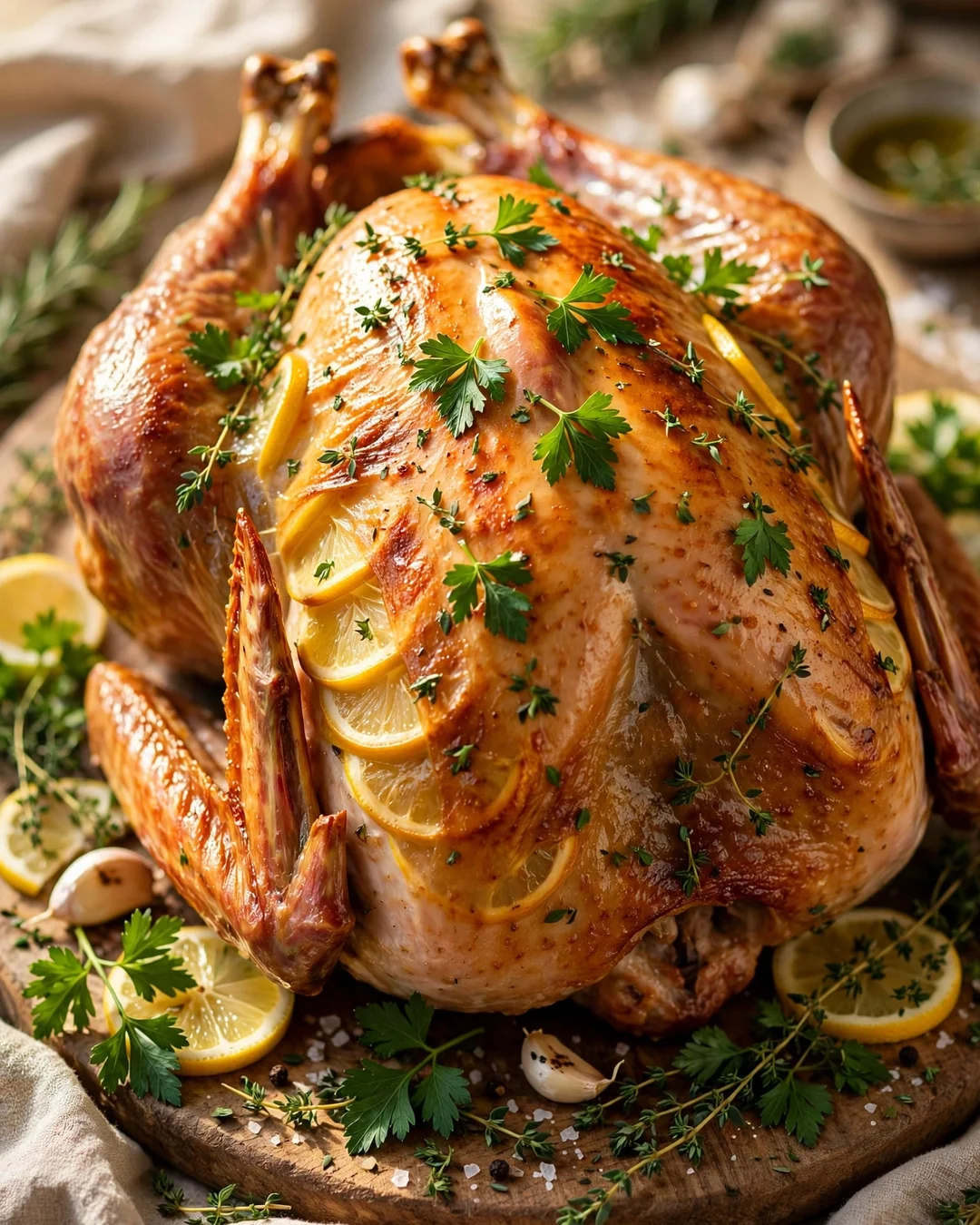
Bright, clean, and classic, this turkey seasons the meat with a garden of soft herbs and plenty of lemon. Lemon slices tucked under the skin perfume the breast as it roasts, and the finished slices taste fresh rather than heavy, which makes this a wonderful choice for a big table of rich sides.
Blend softened butter with chopped parsley, thyme, chives, lemon zest, salt, and pepper. Spread it under and over the skin, then slide very thin lemon slices under the breast skin in a single layer. Fill the cavity with lemon halves and herb stems, and roast at 325 degrees F to temperature.
Pro Tips
Slice the lemon paper thin so it lies flat and does not shield the skin from browning. Remove the under-skin slices before serving if you like; they have done their perfuming work. A final squeeze of fresh lemon over the carved meat wakes up every plate.
Glazing Without Burning
Honey and other sweet glazes burn because of their sugars, not the heat alone. Apply them late, brush in thin layers, and keep the oven at a moderate 325°F once the glaze goes on. Thin layers built up over several brushings give shine without scorch.
- Paper thin lemon slices under the skin
- Soft herbs: parsley, thyme, chives
- Zest in the butter for pure lemon flavor
- Fresh squeeze over carved meat
Serving Suggestions
This lighter bird is the one to serve when the sides are at their richest: scalloped potatoes, creamed vegetables, and buttery rolls all find balance next to it. A simple green salad with a sharp dressing fits the theme.
Spring option: the same lemon and herb treatment turns a plain Sunday roast chicken or turkey breast into something that tastes like the season. Serve it with asparagus or peas when they are around, and the plate feels fresh enough for any month of the year at home.
27. Brown Butter Sage Roast Turkey

Brown butter and sage are a famous pair for a reason: the butter turns nutty and deep, and the sage fries crisp and fragrant in it. Brushed over a roasting turkey, they give the skin a toasty, almost savory caramel flavor that tastes unmistakably like autumn. It is a small step with an outsized payoff.
Cook butter in a light colored pan until the milk solids turn golden brown and smell nutty, then drop in fresh sage leaves for 30 seconds until crisp. Stir salt into the warm butter and brush it over and under the turkey skin. Roast at 325 degrees F, basting once with more brown butter midway if you made extra.
Pro Tips
Watch the pan closely; brown butter goes from perfect to burnt in seconds, so pull it off the heat the moment it smells like toasted hazelnuts. Save the crisped sage leaves to crumble over the carved platter. The nutty drippings make exceptional gravy.
Wet Brine in Four Steps
1. Dissolve salt, sugar, and spices in hot water. 2. Cool completely, then add cold water and the turkey. 3. Chill 12 to 18 hours, keeping the bird fully submerged. 4. Rinse, dry well, and roast without extra salt. That is the whole method, and it works every single time.
- Pull brown butter off at the nutty smell
- Crisp sage leaves for garnish
- Baste once with extra brown butter
- Drippings make outstanding gravy
Serving Suggestions
Lean into the autumn mood with sides like roasted squash, wild rice, or buttered egg noodles. A few extra fried sage leaves over each plate make the simplest sides look intentional.
Pasta night leftovers: toss shredded brown butter turkey with hot pasta, a splash of the cooking water, Parmesan, and any leftover crisped sage. The nutty flavors carry straight into the bowl, and a five minute pantry dinner tastes like something you planned all week long for the family.
28. Harissa Style Roast Turkey (Warm and Mild)
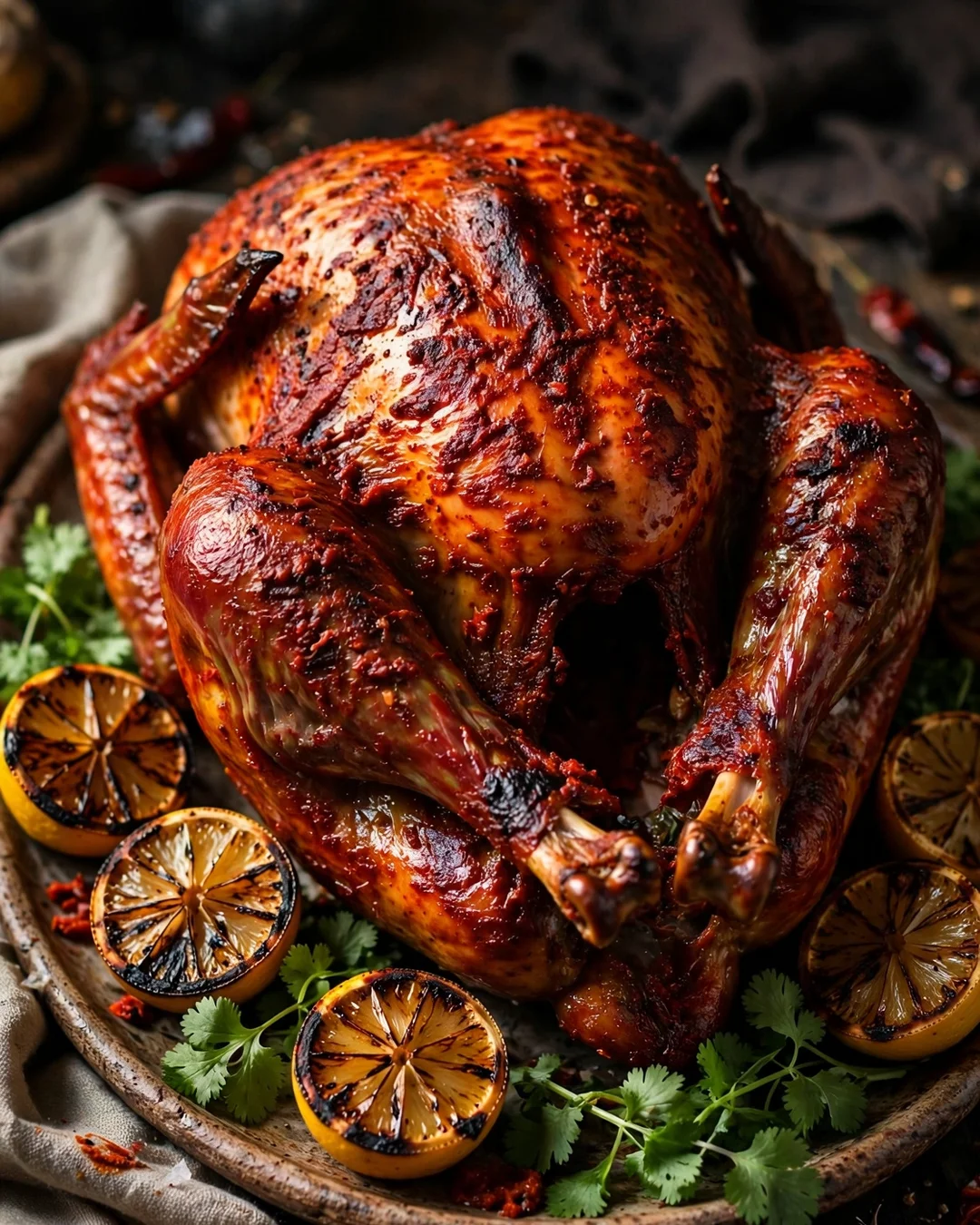
Harissa, the North African chile paste, brings warm spice, garlic, and a deep red color to roast turkey. Used as a marinade paste with olive oil and lemon, it gives a bird that tastes bold and interesting while staying gentle enough for a mixed crowd when you choose a mild harissa. The skin roasts to a gorgeous brick red.
Stir two to three tablespoons of mild harissa paste with olive oil, minced garlic, lemon zest, salt, and a teaspoon of honey. Rub it over and under the skin and let the turkey marinate in the fridge for 8 to 24 hours. Roast at 325 degrees F until done, tenting if the paste darkens early, and finish with fresh cilantro and lemon wedges.
Pro Tips
Harissa heat varies wildly by brand, so taste yours before it goes on the bird and cut it with more oil and honey if it is fiery. The marinade stains, so wear gloves or use a brush. A yogurt sauce on the side cools each bite pleasantly.
- Taste the harissa before marinating
- Marinate 8 to 24 hours for depth
- Tent if the red paste darkens early
- Yogurt sauce cools the table
Serving Suggestions
Serve with fluffy couscous, roasted carrots with a little honey, or a chopped cucumber and herb salad. Warm flatbreads for the juices complete a spread that feels like a small celebration of its own.
Cooling drizzle: whisk Greek yogurt with lemon juice, a grated garlic clove, and salt. Spooned over the warm sliced turkey, it sets off the red spice paste beautifully and gives anyone nervous about heat an easy way in. The plate looks striking and tastes balanced from the first bite.
29. Rotisserie Style Spice Rub Turkey

This one borrows the seasoning of those grocery store rotisserie birds everyone loves: paprika, garlic, onion, a little brown sugar, and herbs, rubbed over a well trussed turkey and roasted until the skin is bronzed and savory. It is familiar, crowd pleasing comfort, and the leftovers are legendary for sandwiches.
Mix paprika, garlic powder, onion powder, brown sugar, dried thyme, salt, and black pepper. Rub it over oiled skin and inside the cavity, truss the legs snugly for even cooking, and rest the bird uncovered in the fridge for several hours or overnight. Roast at 325 degrees F to temperature, turning the pan once for even color.
Pro Tips
Trussing matters here because the snug shape mimics the rotisserie birds and helps the breast and thighs finish together. The sugar in the rub gives that signature burnished color, so watch the last stretch and tent if needed. Rest the full 30 minutes for the juiciest slices.
- Truss snugly for an even shape
- Overnight rest deepens the rub flavor
- Sugar in the rub gives bronzed skin
- Turn the pan once for even color
Serving Suggestions
Serve it deli style with potato salad and pickles, or go full holiday with the classic sides; this seasoned bird fits both tables. The real destiny of the leftovers lives in these leftover turkey recipes, where the savory slices shine all week.
Stock promise: a well seasoned carcass makes well seasoned stock. Simmer this one with onion, celery, and peppercorns and you will have a golden base for soups that taste like they started from scratch, because in the best sense, they did right in your own kitchen.
Roast Turkey FAQs
How long does it take to thaw a frozen turkey?
Thaw in the fridge on a tray, allowing about 24 hours for every 4 to 5 pounds. A 16 pound turkey needs roughly four days. In a hurry, submerge the wrapped bird in cold water, changing the water every 30 minutes, at about 30 minutes per pound.
What temperature is roast turkey done?
The turkey is done when a thermometer in the thickest part of the thigh, away from the bone, reads 165 degrees F. Check the breast and, for a stuffed bird, the center of the stuffing as well; all three should reach 165 degrees F.
How much turkey should I buy per person?
Plan on about 1 pound of whole turkey per person, or 1.5 pounds if you want generous leftovers. For a breast only roast, about three quarters of a pound per person is plenty. Bigger birds roast more evenly than very small ones for a crowd.
Why do I need to rest the turkey before carving?
Resting lets the juices, which rush toward the center during roasting, redistribute through the meat. Carve too soon and those juices run onto the board instead of staying in the slices. Tent with foil and rest 30 to 45 minutes for a large bird.
How do I keep the breast meat from drying out?
Brining, butter under the skin, and pulling the bird at exactly 165 degrees F are the three biggest helpers. Spatchcocking also helps because the breast and thighs finish together. Finally, slice the breast thick and spoon warm pan juices or gravy over each serving.
How long do turkey leftovers keep?
Refrigerate carved meat within two hours of serving and eat it within 3 to 4 days. For longer storage, freeze sliced meat in its juices for up to 3 months. The carcass makes excellent stock the next day, so nothing from the bird goes to waste.
Final Thought
From a classic herb butter bird to a brick red harissa turkey, these roast turkey recipes prove there is a perfect method for every cook and every table. Pick the one that matches your day, trust your thermometer, rest the bird well, and carve with confidence. Your holiday centerpiece is going to be wonderful.