Spring is the perfect time for a soup that feels light, fresh, and comforting at the same time. If you have been looking for a way to use sweet carrots in a new way, this Carrot Ginger Coconut Spring Soup combines simple vegetables, warming ginger, and creamy coconut milk into a smooth bowl you can make at home.
This recipe is designed for beginners and takes about 40 minutes from start to finish. The method works because each ingredient gets time to build flavor before blending, creating a silky soup without complicated cooking techniques. You will learn how to prepare the vegetables, create a flavorful base, blend the soup smoothly, and finish it with a balanced coconut flavor.
The result is a colorful spring soup that works well for lunch, a light dinner, or a make-ahead meal. Gather your ingredients, prepare your kitchen, and follow each step in order for a creamy soup with fresh flavors in every spoonful.
Carrot Ginger Coconut Spring Soup
40 minutes
30 minutes
Beginner
What You Need
- 6 medium carrots, peeled and sliced
- 1 tablespoon fresh ginger, grated
- 1 can coconut milk (**13.5 oz**)
- 1 medium onion, chopped
- 3 garlic cloves, minced
- 3 cups vegetable broth
- 2 tablespoons olive oil
- Salt and black pepper
- Fresh herbs for garnish
- Large soup pot
- Chef’s knife
- Cutting board
- Wooden spoon
- Immersion blender or regular blender
- Measuring spoons
At a Glance
- Gather Fresh Ingredients and Prepare Your Cooking Space
- Sauté the Aromatics to Build the Soup Base
- Cook the Carrots Until They Become Tender
- Blend the Soup Until Smooth and Creamy
- Stir in Coconut Milk and Balance the Flavors
- Adjust the Texture and Season the Soup Properly
- Serve the Carrot Ginger Coconut Spring Soup With Fresh Garnishes
Gather Fresh Ingredients and Prepare Your Cooking Space
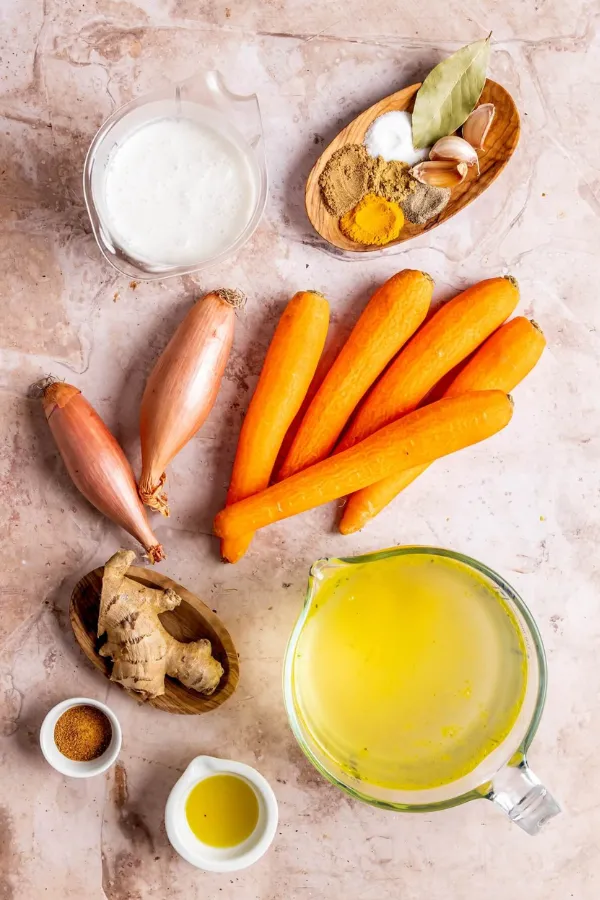
Place all ingredients near your cooking area before starting so the process stays smooth. Wash and peel the carrots, remove the ginger skin with a spoon, and chop the onion into even pieces. Measure the broth and coconut milk before heating the pot. Having everything ready prevents overcooking the aromatics while searching for ingredients.
Keep a blender nearby because the soup will need to be pureed later. A hand blender works best, but a countertop blender can also be used.
Sauté the Aromatics to Build the Soup Base
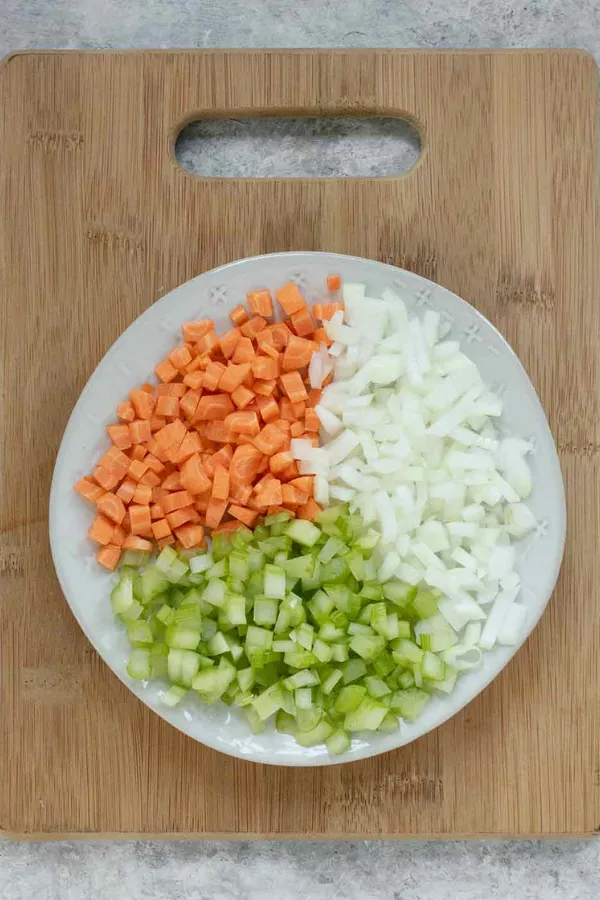
Heat 2 tablespoons of olive oil in a large pot over medium heat. Add the chopped onion and cook for 3–4 minutes until it becomes soft and slightly translucent. Stir in the garlic and ginger for about 30 seconds until fragrant.
This step creates the flavor foundation of the soup. Cooking the ginger gently releases its warm flavor without making it bitter. Avoid browning the garlic too much because it can add a sharp taste to the finished soup.
Cook the Carrots Until They Become Tender

Add the sliced carrots and vegetable broth to the pot, then bring the mixture to a gentle boil. Reduce the heat and simmer for 18–20 minutes until the carrots can be easily pierced with a fork.
The carrots need enough time to soften because this creates a smoother final texture after blending. If the broth reduces too much during cooking, add a small splash of water to keep the vegetables covered.
Cut carrots into similar-sized pieces so they cook at the same speed. Smaller pieces soften faster and blend into a smoother soup.
Blend the Soup Until Smooth and Creamy

Once the carrots are soft, remove the pot from the heat for a few minutes before blending. Use an immersion blender directly in the pot and blend in slow circles until the soup becomes smooth. If using a countertop blender, work in small batches and leave room for steam to escape.
A smooth texture comes from blending patiently rather than rushing. If the soup feels too thick, add warm broth 2 tablespoons at a time until it reaches the texture you like.
Hot soup expands inside a blender. Fill it halfway, remove the center vent if your blender allows it, and cover the opening with a folded kitchen towel to release steam safely.
Stir in Coconut Milk and Balance the Flavors
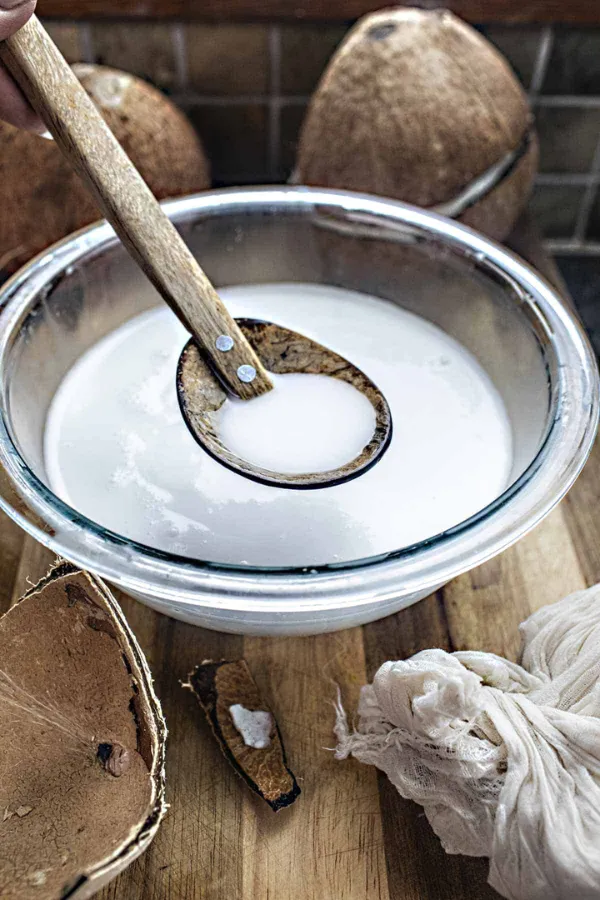
Pour the coconut milk into the blended carrot mixture and stir gently over low heat for 3–5 minutes. The coconut milk adds a creamy texture and softens the sharp notes from the ginger while keeping the soup dairy-free.
Taste the soup before adding more seasoning. A small amount of salt can bring out the sweetness of the carrots, while black pepper adds a gentle warmth. Avoid boiling after adding coconut milk because high heat can affect its smooth texture.
Adjust the Texture and Season the Soup Properly

Check the consistency before serving and make the final adjustments while the soup is warm. Add extra vegetable broth if you prefer a lighter soup or allow it to simmer for 2–3 minutes if you want it slightly thicker.
Balance the flavor with small additions rather than adding too much at once. A squeeze of fresh lemon juice can brighten the soup, while a pinch of chili flakes can add gentle heat. Taste after each adjustment so the carrot and coconut flavors remain noticeable.
Serve the Carrot Ginger Coconut Spring Soup With Fresh Garnishes

Warm bowls help keep the soup creamy while you serve it. Ladle the finished soup into bowls and add simple toppings that match the fresh spring flavors. Try chopped herbs, a drizzle of coconut milk, toasted seeds, or a small sprinkle of black pepper.
Serve the soup while it is warm for the best texture and flavor. This Carrot Ginger Coconut Spring Soup pairs well with crusty bread, a fresh salad, or a light sandwich for a complete meal.
Common Mistakes When Making Carrot Ginger Coconut Spring Soup
Firm carrots will not blend into a silky soup. Cook them until a fork slides through easily before blending.
High heat can affect the smooth texture of coconut milk. Keep the temperature low after adding it and warm the soup gently.
Steam pressure can build inside a closed blender. Blend in smaller amounts and allow steam to escape safely.
Fresh ginger has a strong flavor. Start with the recommended amount and add more only after tasting.
Frequently Asked Questions
Can I make this carrot coconut soup ahead of time?
Yes. Store it in an airtight container in the refrigerator for up to **4 days**. Reheat it slowly on the stove and stir before serving.
Can I freeze Carrot Ginger Coconut Spring Soup?
Yes. Allow the soup to cool completely, then freeze it in freezer-safe containers for up to **3 months**. Thaw overnight before reheating.
How can I make the soup spicier?
Add a pinch of chili flakes, cayenne pepper, or extra fresh ginger while adjusting the seasoning.
Can I replace coconut milk?
You can use another creamy option such as cashew cream or unsweetened oat cream, but the coconut flavor will be different.
Why is my soup not smooth enough?
Blend for a longer time and add warm broth in small amounts until the texture becomes creamy.
Quick Reference Card: Carrot Ginger Coconut Spring Soup
What You Need
- Carrots
- Fresh ginger
- Coconut milk
- Vegetable broth
- Onion and garlic
- Olive oil
- Salt, pepper, and fresh toppings
Steps
- Gather fresh ingredients and prepare your cooking space
- Sauté the aromatics to build the soup base
- Cook the carrots until they become tender
- Blend the soup until smooth and creamy
- Stir in coconut milk and balance the flavors
- Adjust the texture and season the soup properly
- Serve with fresh garnishes
Conclusion
You now have a creamy bowl of Carrot Ginger Coconut Spring Soup made with simple ingredients and beginner-friendly steps.
The sweet carrots, warm ginger, and smooth coconut milk create a fresh flavor that works for any light meal.
Save this recipe for your next cozy lunch or spring gathering.
Pin this recipe so you can come back when you are ready to make your next homemade soup.
Carrot Ginger Coconut Spring Soup
Ingredients
Equipment
Method
- Prepare all ingredients by washing, peeling, and chopping the carrots, onion, garlic, and ginger.
- Heat olive oil in a large pot over medium heat. Cook onion for 3–4 minutes until softened, then add garlic and ginger for 30 seconds.
- Add carrots and vegetable broth. Simmer for 18–20 minutes until carrots become fork-tender.
- Blend the cooked mixture until smooth using an immersion blender or countertop blender.
- Stir in coconut milk and warm the soup gently for 3–5 minutes over low heat.
- Adjust seasoning with salt, pepper, and optional lemon juice or chili flakes.
- Serve warm with fresh herbs, coconut drizzle, toasted seeds, or your favorite soup topping.
Notes
- Use fresh carrots for the sweetest flavor and brightest color.
- Full-fat coconut milk creates a richer and creamier texture.
- For a lighter soup, use reduced-fat coconut milk or add extra vegetable broth.
- Store leftovers in an airtight container for up to 4 days in the refrigerator.
- Freeze cooled soup for up to 3 months and thaw before reheating.
- Add extra ginger or chili flakes if you prefer a warmer, spicier flavor.